IndianRecipeHub - Page 5
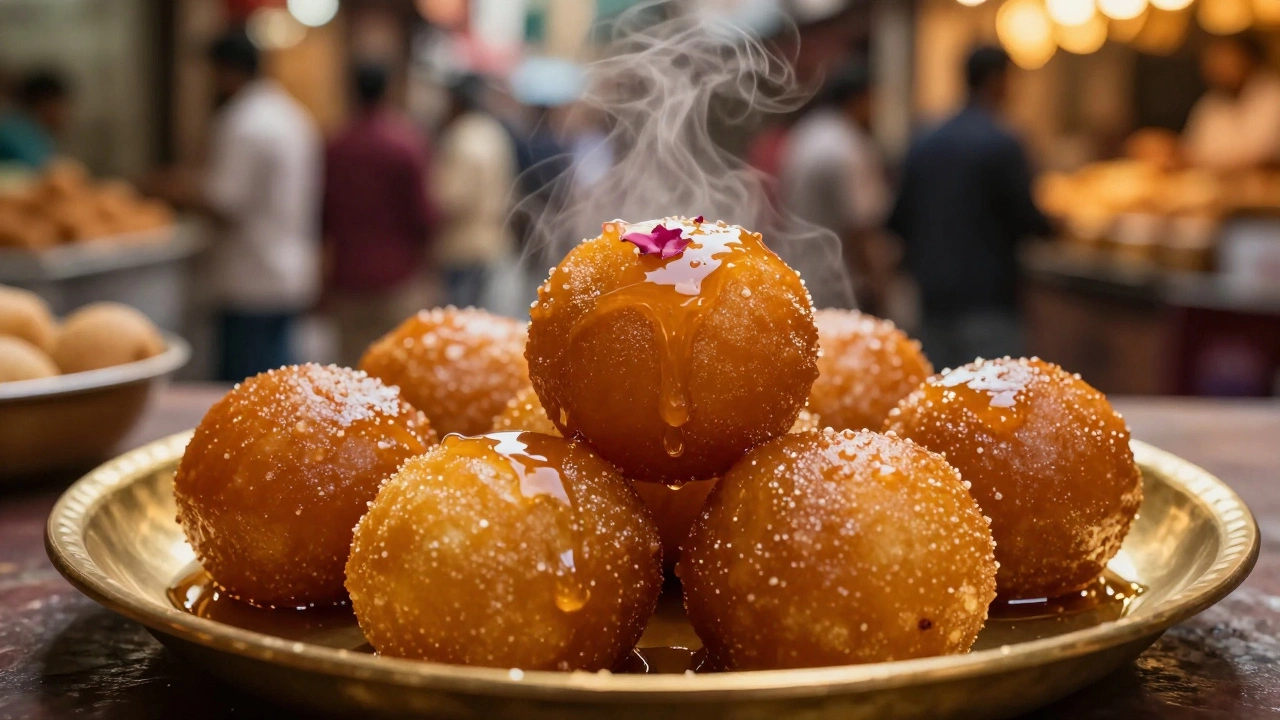
Why Do Indians Love Sweets? The Cultural, Historical, and Culinary Reasons
Discover why Indians love sweets so much. From religious rituals to social bonding, explore the cultural, historical, and culinary reasons behind India's passion for Mithai.
Read More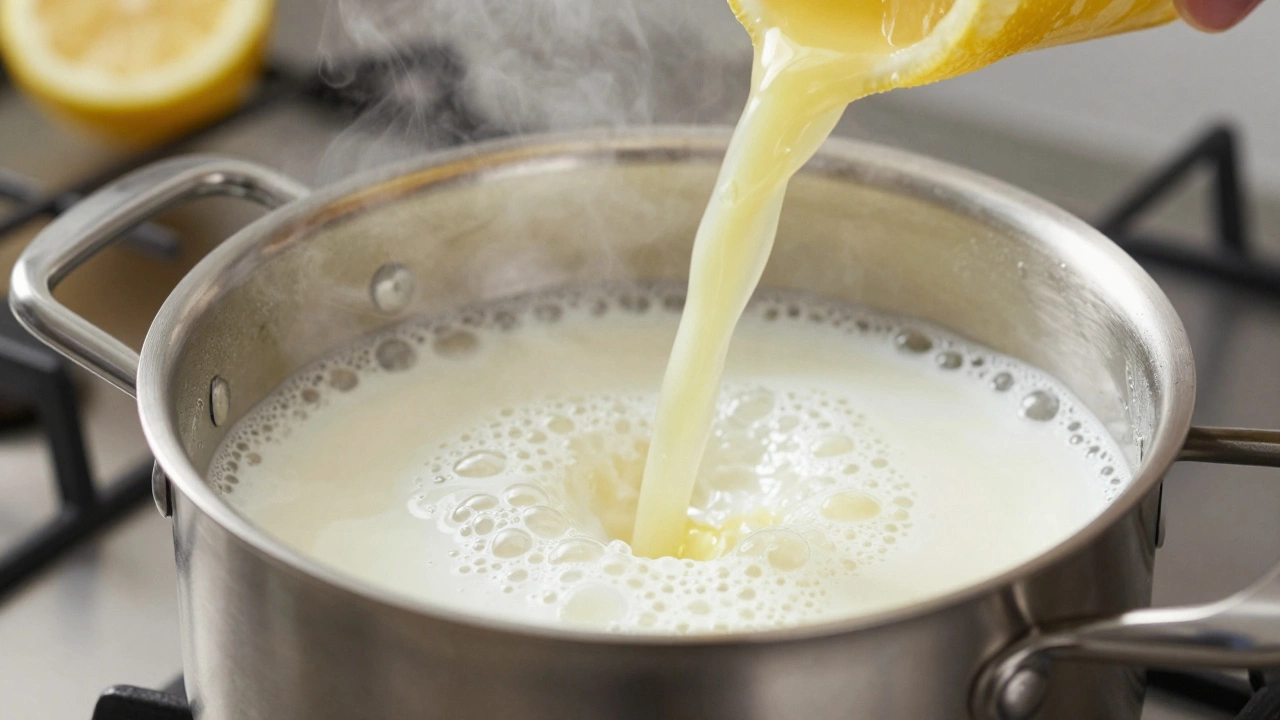
Why Is My Paneer Not Curdling? The Complete Troubleshooting Guide
Discover why your homemade paneer isn't curdling and how to fix it. Learn about temperature, acid types, and milk quality issues that prevent proper curd formation.
Read More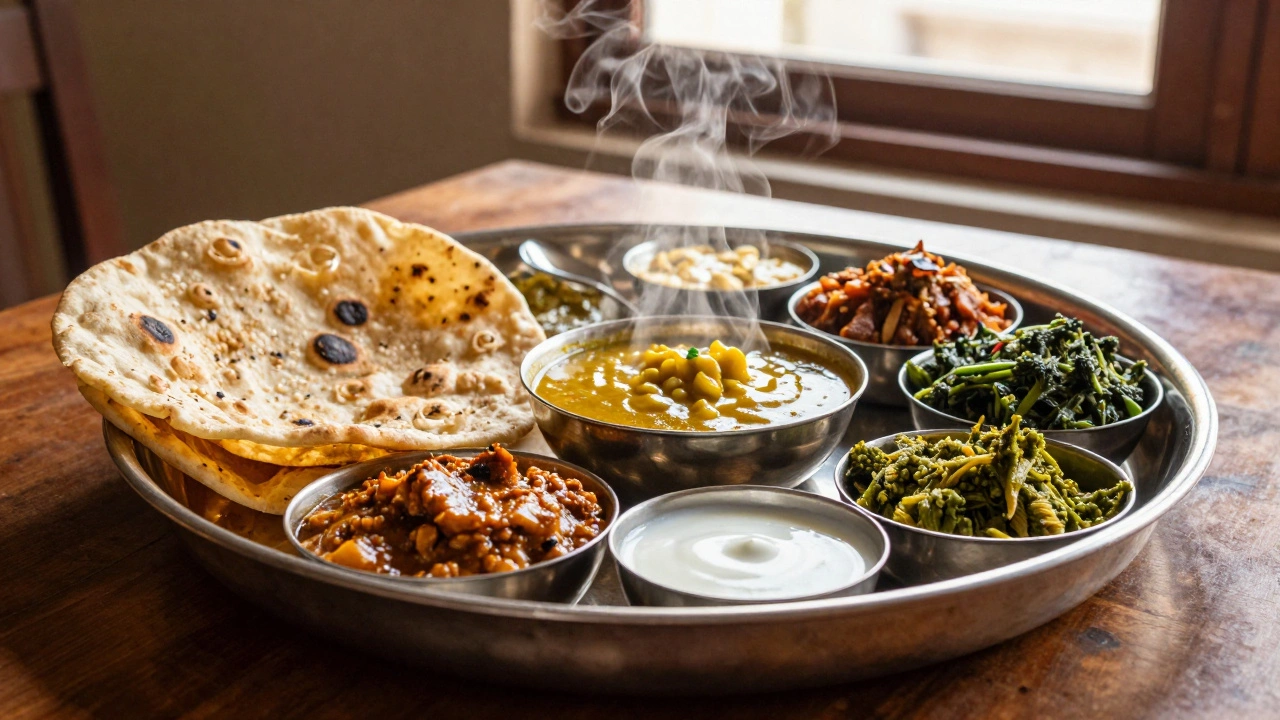
What Is the Main Meal of the Day in India? A Regional Guide
Discover what the main meal of the day is in India. From North Indian lunches to South Indian dinners, explore regional differences, urban shifts, and traditional eating habits.
Read More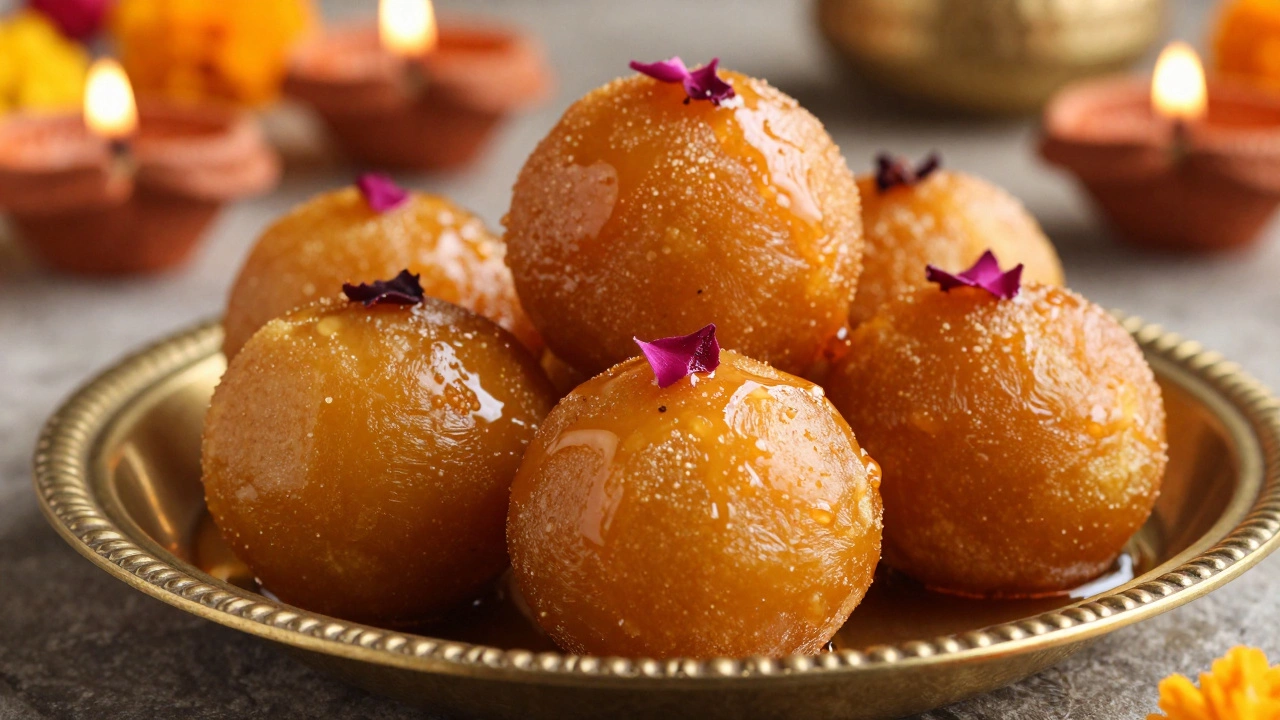
What is India's Most Popular Dessert? A Guide to Gulab Jamun and Regional Favorites
Discover why Gulab Jamun is India's most popular dessert, along with regional rivals like Rasgulla and Jalebi. Learn about the cultural significance, health trends, and how to choose the right sweet for your event.
Read More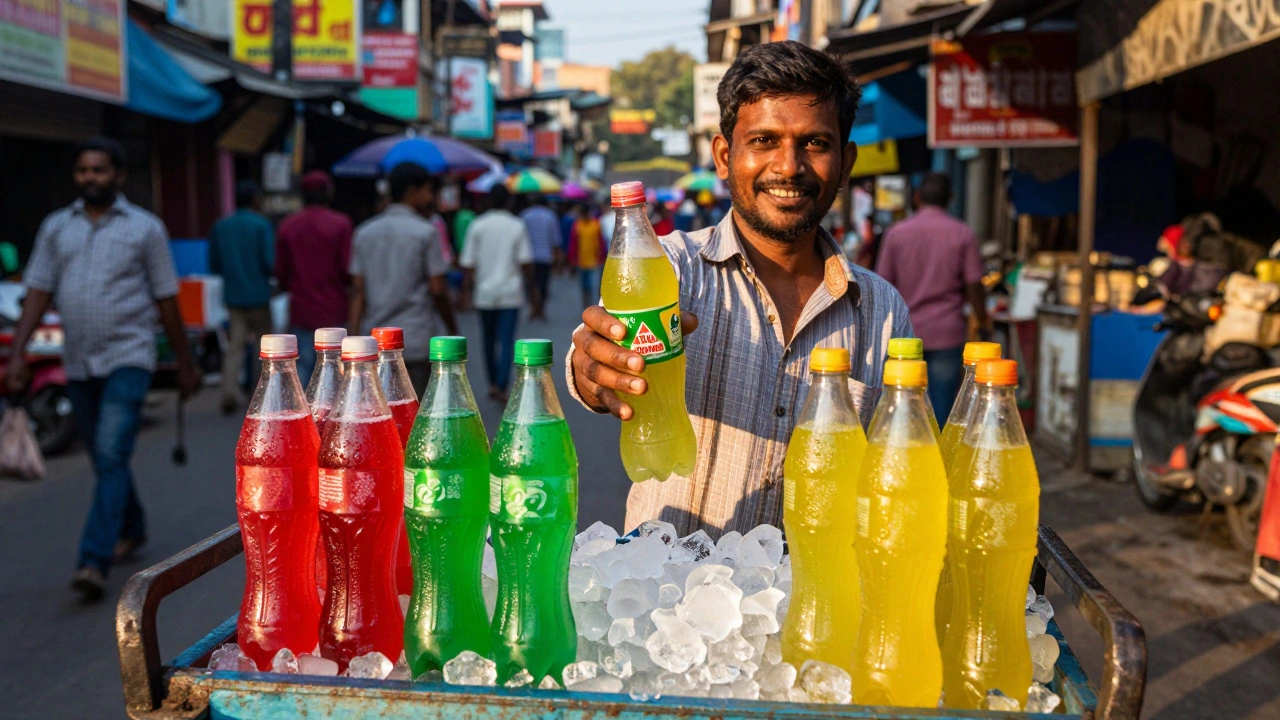
Does Tata Mean Daddy? The Truth About India's Favorite Street Food Drink
Discover why Tata Sampan doesn't mean 'daddy' despite the common question. Learn about the history, ingredients, and cultural impact of India's favorite street soda.
Read More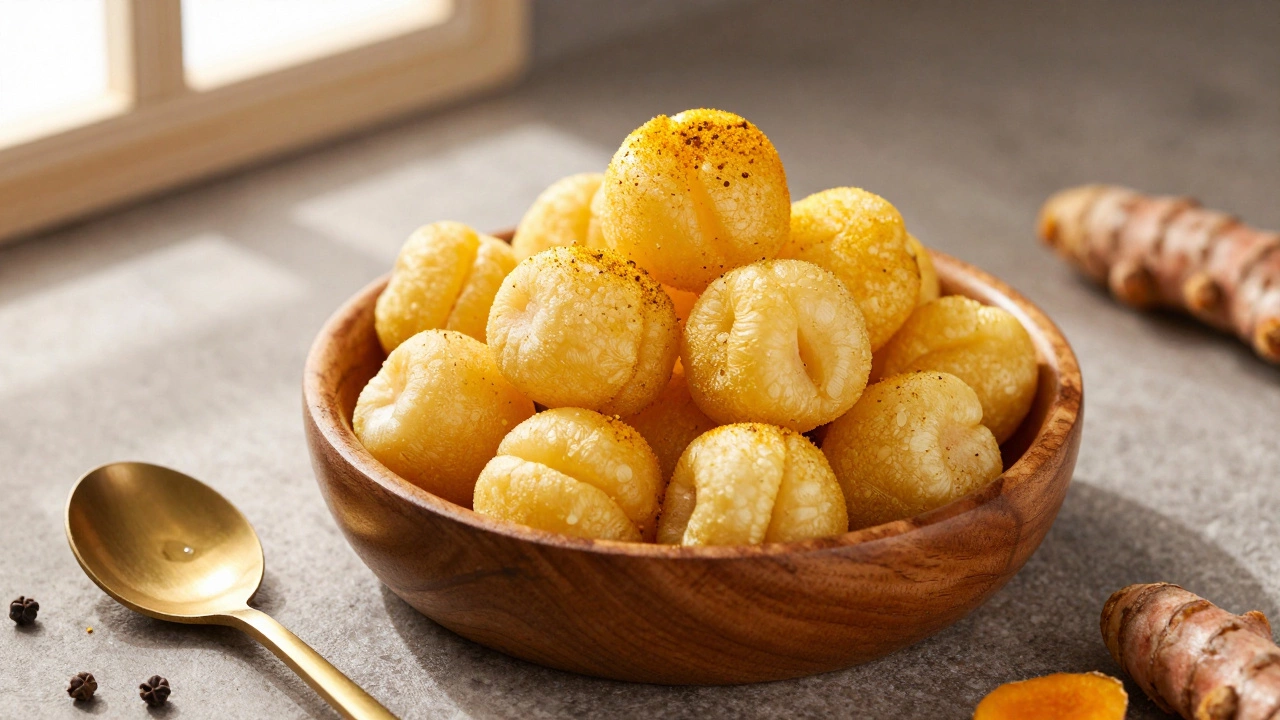
The Healthiest Crispy Indian Snacks: Better Alternatives to Fried Chips
Discover the healthiest crispy Indian snacks to replace fried chips. Learn why roasted makhana and chana are top choices and how to make them at home.
Read More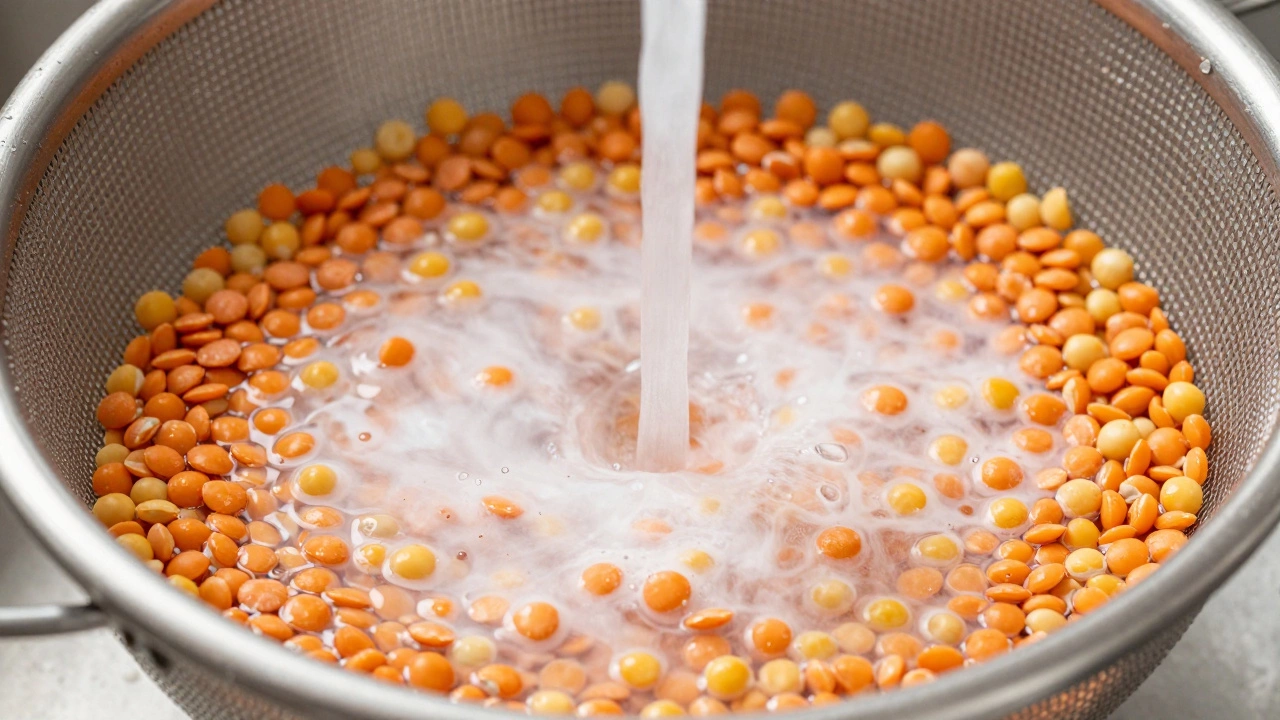
Should You Rinse Dal? The Secret to Cleaner, Tastier Lentils
Stop wondering if you should rinse your dal! Learn why washing lentils is crucial for texture, taste, and safety, plus the best way to do it for every dal type.
Read More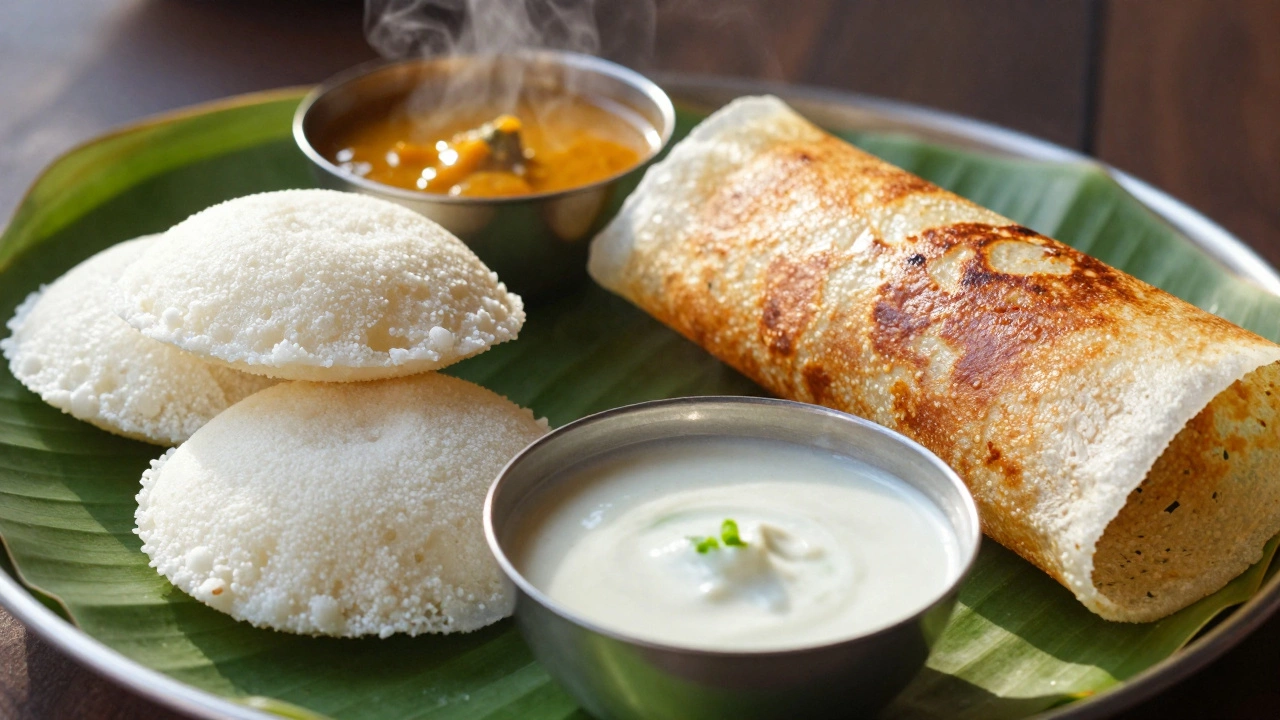
The Tastiest Breakfasts in India: A Regional Flavor Guide
Explore the tastiest Indian breakfasts, from fluffy South Indian Idlis to hearty North Indian Parathas. Discover regional flavors and the best pairings for a perfect start.
Read More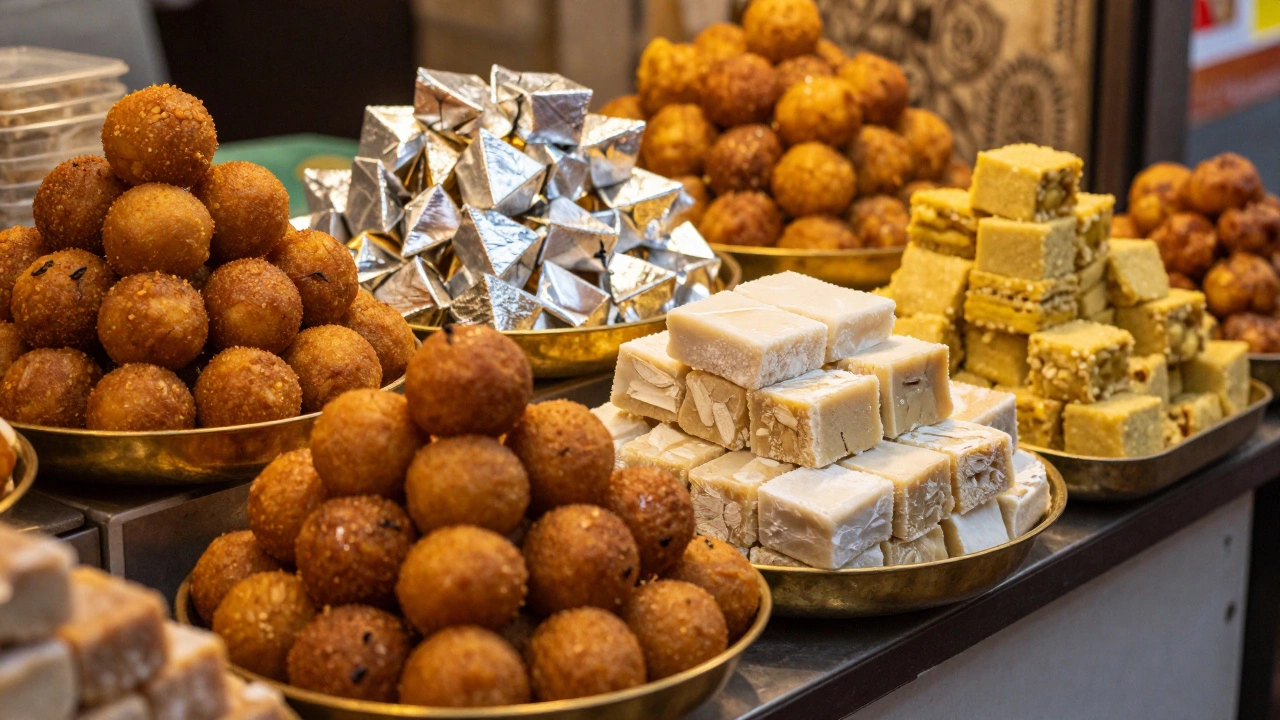
The Right Terms for Indian Sweets: A Guide to Mithai and Traditional Desserts
Wondering how to refer to Indian sweets respectfully? Learn why "Mithai" is the best term and discover the different types of traditional Indian desserts.
Read More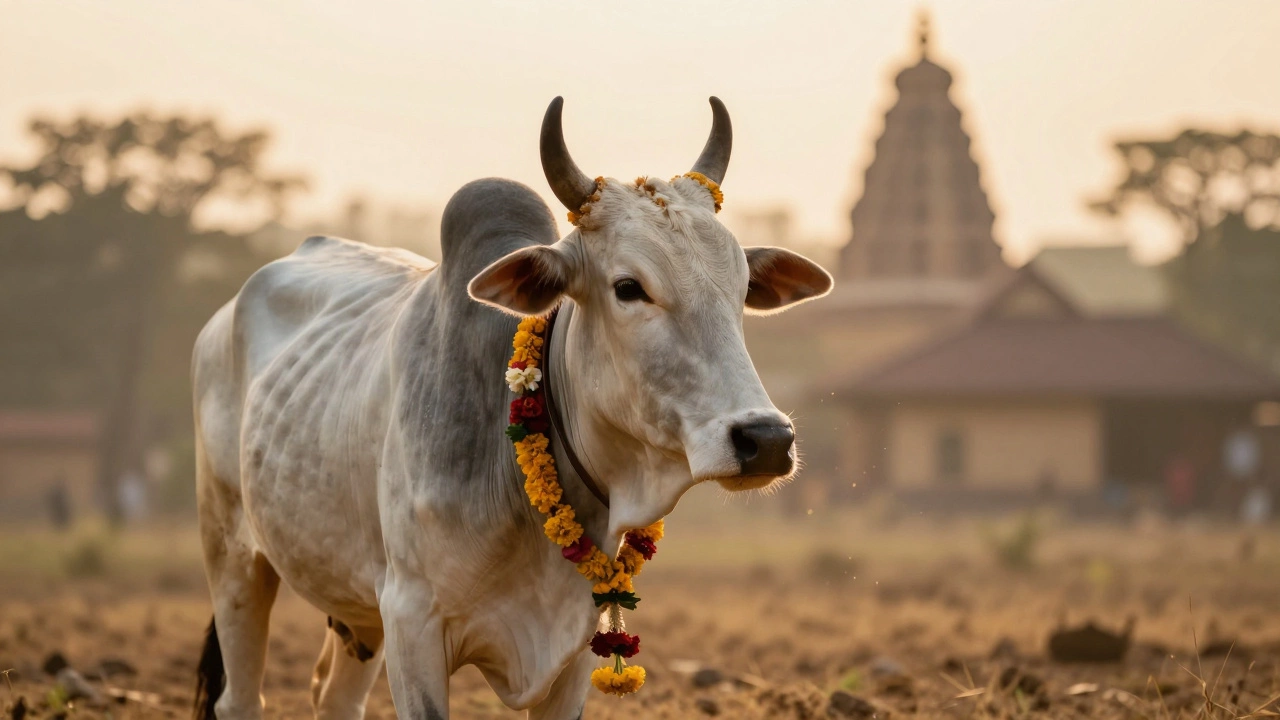
Why India Has the World's Lowest Meat Consumption: Culture, Religion, and Diet
Explore why India has the world's lowest meat consumption. Discover the intersection of religion, economics, and the delicious world of Indian vegetarianism.
Read More
The Unhealthiest Foods in India: What to Limit and How to Swap
Discover the unhealthiest foods in India, from deep-fried street snacks to refined flour traps, and learn simple, tasty swaps to make your meals healthier.
Read More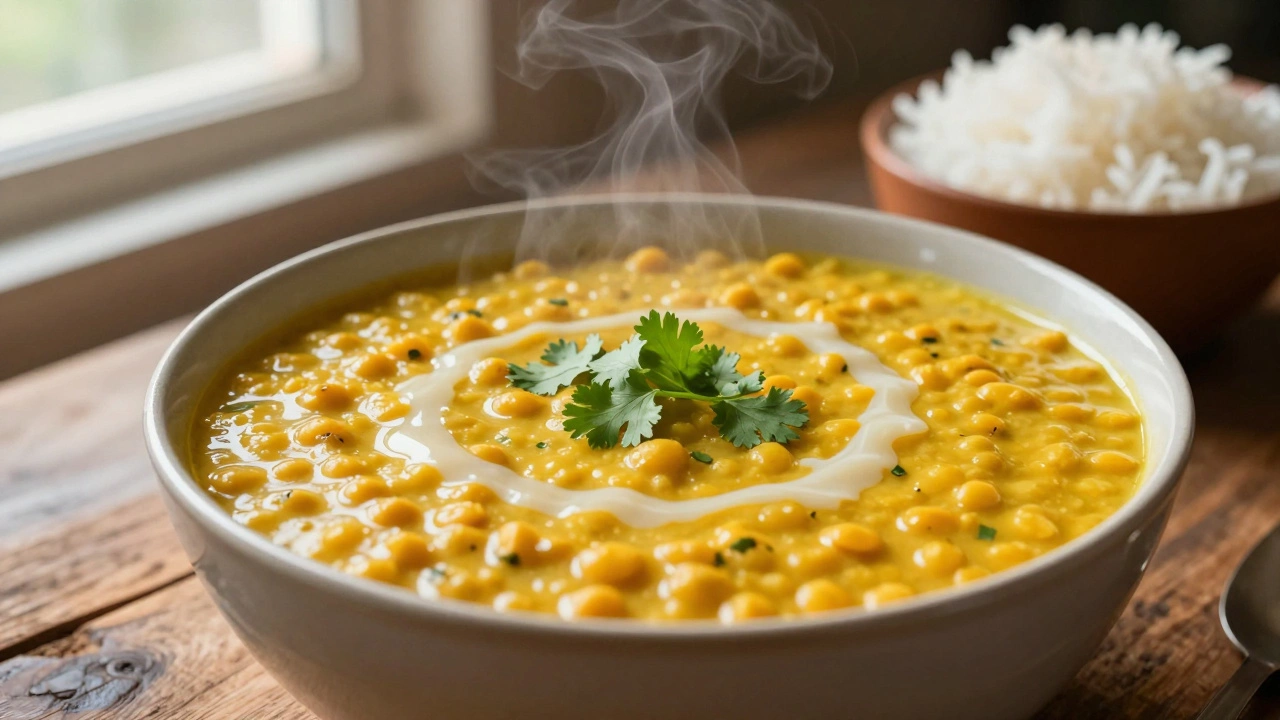
Is Dal a Carb or Protein? The Truth About Lentils and Nutrition
Confused if dal is a carb or protein? Discover the nutritional truth about lentils, their macro breakdown, and how to pair them for complete plant-based protein.
Read More