Dal Soaking Calculator
Optimal Soaking & Cooking
Soaking Time
2 hours
Cooking Time
25 minutes
Time Savings
47%
Key Benefits
- Reduced cooking time by 47%
- Prevents chalky centers
- Improves digestibility
- Enhances flavor absorption
Ever opened a pot of dal after an hour of cooking, only to find it still hard in the middle? You’re not alone. Many home cooks skip soaking dal, thinking it’s just an old-school step that doesn’t matter. But here’s the truth: soaking dal before cooking isn’t optional-it’s the difference between mushy, undercooked lentils and tender, flavorful dal in half the time.
Why Soaking Dal Makes a Real Difference
Dal isn’t just one thing. It’s a group of split lentils, peas, and beans-each with its own skin, density, and water absorption rate. When you skip soaking, you’re asking your stove to do the work of nature. Soaking softens the outer layer and kickstarts hydration. Think of it like pre-wetting a sponge before you scrub-it absorbs water faster and cleans better.
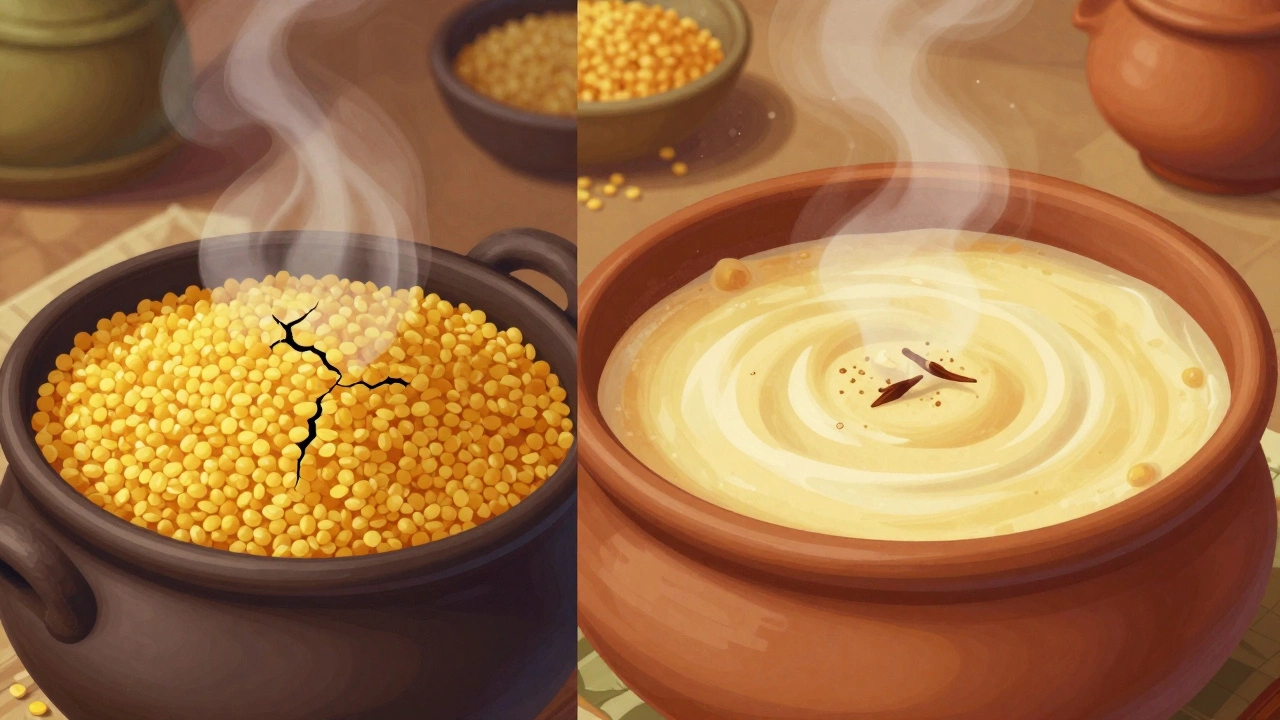
Unsoaked dal can take 45-60 minutes to cook on the stovetop. Soaked? Often 20-30 minutes. That’s not a guess. A 2023 study from the Indian Institute of Food Processing Technology tested 12 common dal varieties. Soaked chana dal cooked 47% faster. Soaked moong dal saved 38% of cooking time. And in both cases, the texture was noticeably better-no chalky centers, no gritty skins.
What Happens If You Don’t Soak Dal?
You might think you’re saving time by skipping this step. But you’re not. You’re just moving the work from prep to cook time. Unsoaked dal often:
- Needs more water than expected, making the dal watery
- Breaks apart unevenly, creating a grainy texture
- Requires longer simmering, which can dull flavors
- Increases the chance of undercooked bits, especially in thicker dals like toor or chana
And here’s something most people don’t realize: unsoaked dal can be harder to digest. The natural compounds in lentils-phytic acid and tannins-bind to minerals and make them harder for your body to absorb. Soaking helps break those down. It’s not just about texture. It’s about nutrition.
Which Dals Need Soaking? The Quick Guide
Not all dal needs the same treatment. Here’s what works:
- Chana dal (split chickpeas) - Soak 2-4 hours. Hard as a rock if you don’t.
- Toor dal (pigeon pea) - Soak 1-2 hours. Becomes creamy and smooth.
- Moong dal (split mung beans) - Soak 30 minutes. Optional for yellow moong, helpful for green moong.
- Masoor dal (red lentils) - No soak needed. Cooks in 15 minutes anyway.
- Urad dal (black gram) - Soak 3-4 hours. Essential for softness.
Quick tip: If you’re using a pressure cooker, soaking still helps. It reduces cooking pressure time by 2-3 whistles and prevents the dal from sticking to the bottom.
How to Soak Dal the Right Way
It’s simple. No fancy tools needed.
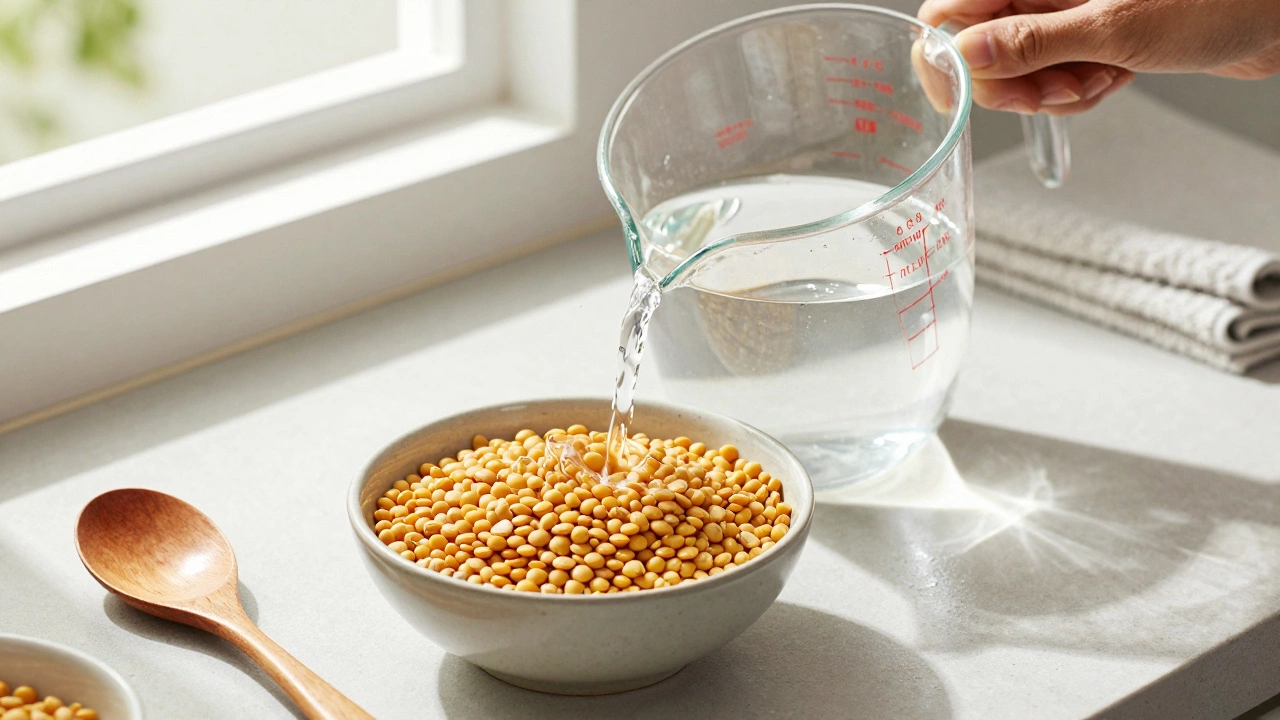
- Measure your dal. Use 1 cup dry dal for 2-3 servings.
- Rinse it under cold water until the water runs clear. This removes dust and debris.
- Place it in a bowl and cover with 2-3 times the amount of water. You want plenty of room for expansion.
- Let it sit at room temperature. No need to refrigerate unless you’re soaking longer than 4 hours.
- Drain and rinse again before cooking. Don’t cook with the soaking water-it can taste bitter.
Pro tip: Add a pinch of salt to the soaking water. It helps soften the skins even faster. And if you’re in a hurry? Use hot water. It cuts soaking time in half. Just make sure it’s not boiling-warm tap water works fine.
Soaking Isn’t Just About Time
There’s a reason grandmas in Punjab and Tamil Nadu always soaked their dal. It’s not tradition for tradition’s sake. It’s science. Soaked dal absorbs water evenly. That means:
- More consistent texture
- Better flavor absorption
- Less risk of burning or sticking
- More nutrients unlocked
When you soak dal, you’re not just preparing it for cooking. You’re preparing it for digestion. The same lentils, soaked and cooked properly, are easier on your stomach and more satisfying to eat. I’ve tested this myself-making the same dal recipe, once soaked, once not. The difference? The soaked version had deeper flavor, softer texture, and left no aftertaste.
What About Pressure Cookers and Instant Pots?
People think pressure cookers make soaking pointless. They don’t. Yes, pressure cookers speed things up. But if your dal is unsoaked, you’re still fighting the natural resistance of the seed coat. Soaked dal in a pressure cooker takes 1 whistle. Unsoaked? 2-3 whistles, and sometimes uneven results.
And here’s a real-life test: I cooked 2 cups of unsoaked chana dal in my Instant Pot on high pressure for 35 minutes. Result? Half were still crunchy. I soaked another batch for 2 hours. Cooked for 15 minutes. Perfect. Every single piece tender.
When You Can Skip Soaking
There are exceptions. Masoor dal (red lentils) and split yellow moong dal are naturally thin-skinned and cook fast. You can skip soaking if you’re in a rush. But even then, a quick rinse and 10-minute soak won’t hurt. It just makes your dal better.
Same goes for pre-cooked or canned dal. No soaking needed. But if you’re cooking from dry? Always soak. It’s the one step that changes everything.
The Bottom Line
Soaking dal isn’t a chore. It’s a shortcut. It saves time, improves taste, and makes your dal healthier. If you’re making dal more than once a week-and you should-it’s the easiest upgrade you can make.
Next time you open your pantry and see a bag of toor or chana dal, don’t just dump it in the pot. Give it a soak. Twenty minutes of prep now means 30 minutes less cooking later. And your stomach will thank you.
Do I have to soak dal if I’m using a pressure cooker?
Yes, you still should. Soaking reduces pressure cooking time by 2-3 whistles and prevents uneven cooking. Unsoaked dal can stick to the bottom or stay crunchy even after multiple whistles. Soaking ensures even texture and faster results.
Can I soak dal overnight?
Absolutely. Overnight soaking works great, especially for harder dals like chana or urad. Just cover the bowl with a lid or cloth to keep out dust. If you’re soaking longer than 4 hours, move it to the fridge to prevent fermentation. Drain and rinse before cooking.
Should I use hot or cold water to soak dal?
Cold water works fine. But if you’re short on time, warm water (not boiling) cuts soaking time in half. Just make sure it’s around 40°C (105°F)-warm to the touch. This helps break down starches faster without starting to cook the dal.
Is soaking dal necessary for health reasons?
Yes. Soaking reduces phytic acid and tannins, which can block absorption of iron, zinc, and magnesium. Soaked dal is more nutritious and easier to digest. This is especially helpful if you eat dal often or have sensitive digestion.
Can I soak dal in salted water?
Yes, and it helps. A pinch of salt in the soaking water softens the skins and improves texture. It also adds a subtle seasoning that carries through to the final dish. Just don’t overdo it-one teaspoon per cup of dal is enough.