Vegan Paneer Substitute Finder
Select Your Needs
🥗 Not just about swapping blocks!
Most store-bought "Paneer" contains animal milk (Casein).
Select your preferences above to see which plant-based option mimics the taste and texture you love.
Recommended Match
Vegan CertifiedTo be calculated...
Chef's Tip:
Loading...
You might think that white, blocky cubes in your palak masala are just another plant-based protein block. They look like tofu. They crumble like feta. But here is the hard truth: almost every standard paneer a fresh, non-melting cheese common in Indian cuisine sits firmly on the animal-sourced side of the table. If you are following a strict vegan diet, that creamy texture comes straight from cow or buffalo milk, making it completely incompatible with vegan principles. Understanding why paneer fails the vegan test starts with looking past the appearance and examining its fundamental ingredients.
The Biological Reality of Paneer
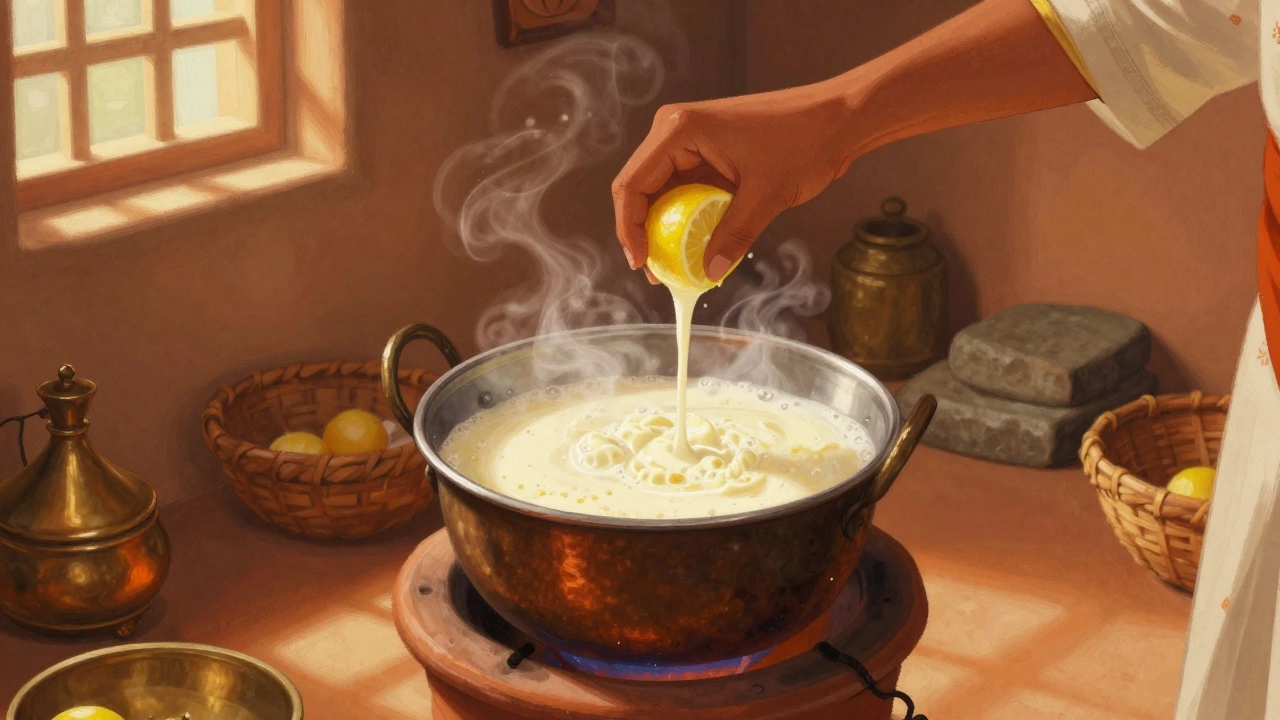
To understand why paneer cannot be classified as vegan, we first need to define what the ingredient actually is. Unlike processed Western cheeses that often rely on complex aging and molds, traditional Indian paneer is a fresh cheese. It involves heating full-fat milk until it reaches a simmer point. At this stage, an acid agent is introduced. This acid could be lemon juice, vinegar, or sometimes citric acid derived from fruit fermentation. The moment this agent hits the hot milk, the proteins separate from the liquid whey.
That separation creates solid curds and liquid whey. These solids get scooped out, pressed into blocks, and cooled. The result is dense, white, and holds its shape well in high heat. While the process uses plant-based acids like lemon juice to curdle the mixture, the primary structural component remains milk protein. Specifically, the casein micelles found in bovine milk form the solid matrix. For anyone adhering to a vegan lifestyle a way of living that avoids the exploitation and suffering of animals, consuming animal milk constitutes a direct violation of the core philosophy.
Some people argue that if they do not eat meat, milk should be okay. However, the definition of veganism is broader than just meat avoidance. It explicitly excludes all animal byproducts. This includes eggs, honey, beeswax, gelatin, and milk derivatives. Even if the farmer treats their cows ethically, the act of milking and processing the secretion into food is considered exploitative within the framework of vegan ethics. Therefore, regardless of the quality of the milk, the end product is dairy.
Understanding Coagulants and Ingredients
A frequent question arises regarding the coagulating agents used in the making process. Many vegans see "lemon juice" listed on a homemade ingredient chart and assume safety. It is easy to get confused here. Think of baking bread. You can make a yeast dough with flour, water, sugar, and yeast. You can also make a soda bread with butter and milk. The leavening method changes, but the base ingredients determine the classification.
In the case of paneer, the acid is the tool, but the milk is the raw material. Most commercial production facilities in India and abroad use buffalo milk due to its higher fat content. Buffalo milk yields a richer, creamier paneer compared to cow milk. Both are mammalian products. Furthermore, large-scale manufacturers sometimes use enzymatic rennet to speed up the curdling process. Rennet is traditionally an enzyme extract taken from the stomach lining of slaughtered calves. While modern microbial rennet exists and is acceptable for vegetarians who do not eat flesh, the milk base remains the dealbreaker for vegans.
This distinction is crucial when reading labels. In a restaurant setting, asking "Is this vegan?" while pointing at a dish containing paneer is unlikely to yield a truthful answer regarding the milk source. Chefs rarely offer a milk-free version of paneer unless specifically asked for a substitute. The default expectation for any curry labeled as 'paneer' assumes dairy presence. If you are dining out, assume the ingredient contains dairy unless explicitly marked otherwise.
Nutritional Profile vs. Plant Proteins
One reason people seek alternatives is not just ethical but health-related. Standard Indian cottage cheese Paneer is calorie-dense. A single serving offers significant amounts of saturated fat and cholesterol. While it provides a good boost of calcium and protein, these benefits come wrapped in animal fats. Vegans often worry about missing out on these nutrients. Fortunately, modern agriculture and food science have created viable swaps that mimic the texture without the biological baggage.
When comparing nutrient values, you see distinct trade-offs. Dairy-based paneer contains around 26 grams of protein per 100 grams. High-quality vegan alternatives made from soy can match this figure closely. However, nut-based versions might fall short on protein but excel in healthy fats. The calcium content is also a point of concern. Regular paneer has roughly 180 milligrams of calcium per serving. Fortified plant milks and certain vegetables can help bridge this gap, but direct substitution in cooking requires different techniques to achieve similar richness.
Homemade Paneer: Is It Possible to Make Vegan?
You might wonder if making paneer at home allows for control over ingredients. The short answer is no, unless you change the definition of paneer entirely. Traditional homemade paneer recipes always call for milk. Boiling 1 liter of full cream milk and adding half a cup of curd is the standard ratio. You cannot replicate the chemistry of casein curdling without the milk protein.
If you try to use coconut milk or soy milk with lemon juice, the reaction differs significantly. Plant milks lack the same protein density and micelle structure. They tend to separate differently, resulting in a softer, less cohesive block that dissolves when heated. You will get curds, yes, but they lack the chewy bite characteristic of real paneer. This is why "vegan paneer" recipes you find online are technically describing a different substance, often labeled as tofu or soy-based mock cheese.
Best Plant-Based Substitutes
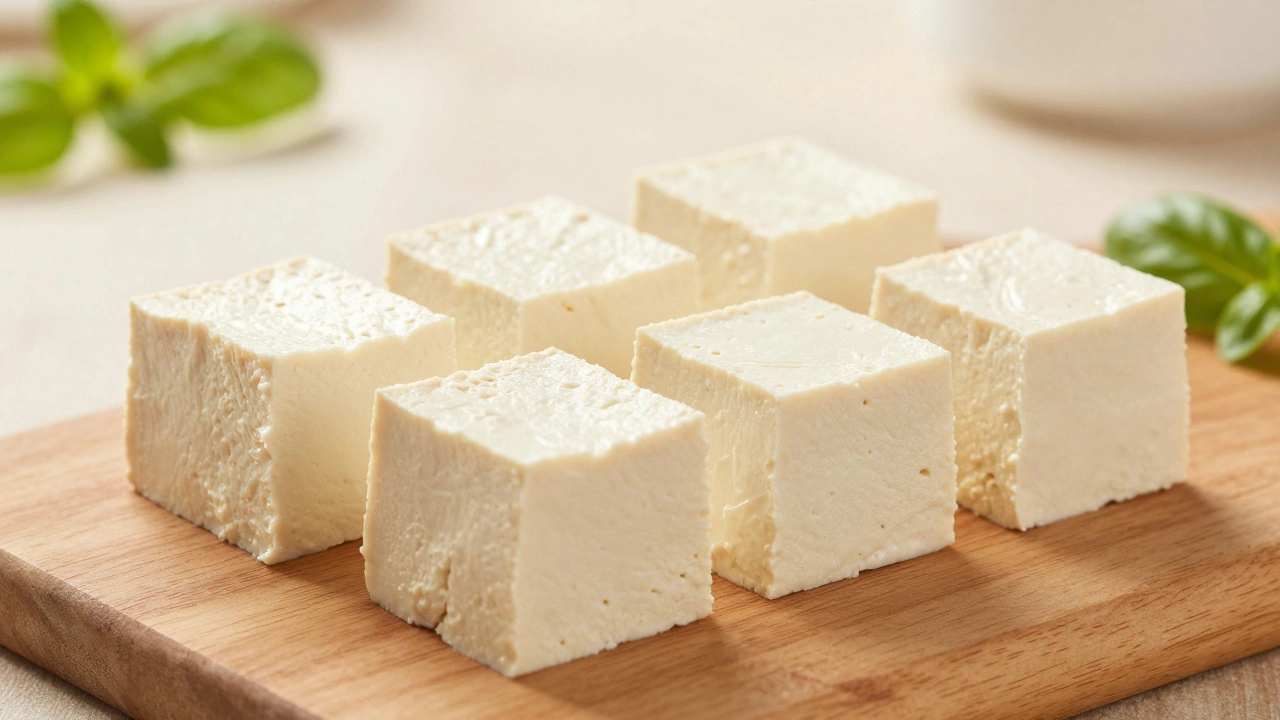
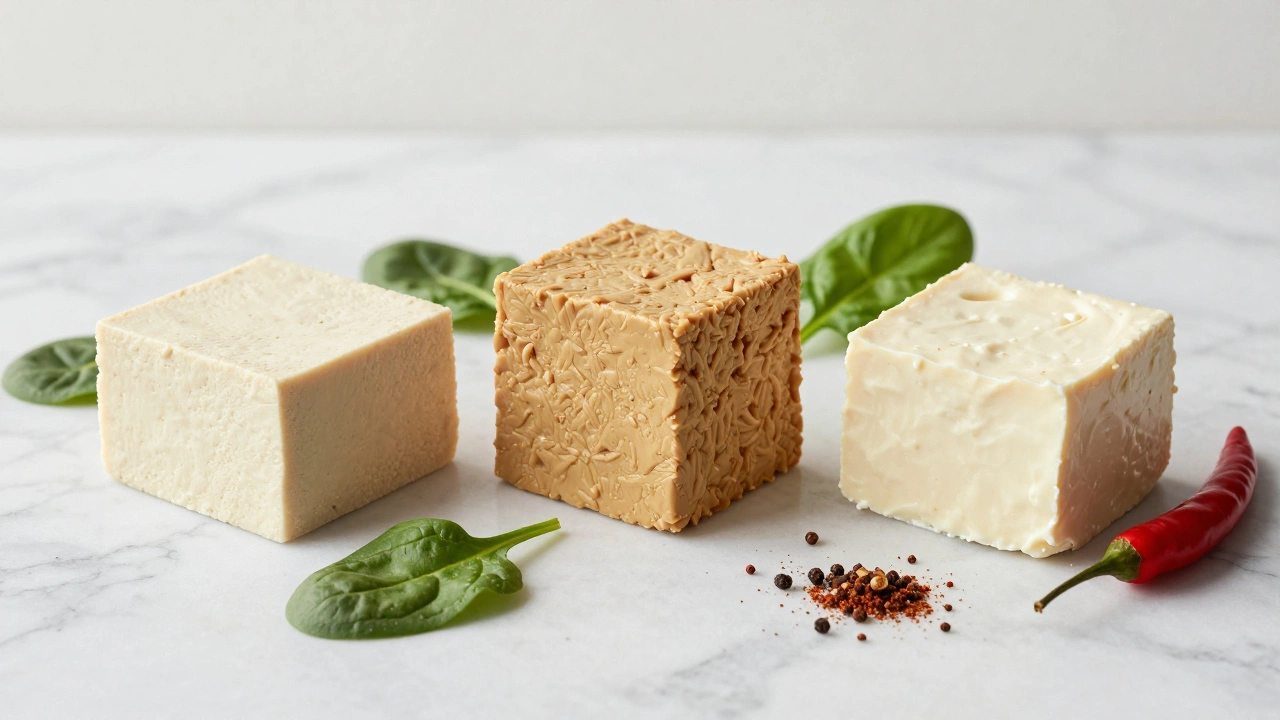
Fortunately, several robust alternatives exist that function well in Indian curries. The goal is to replicate the spongy ability of paneer to absorb spices without disintegrating. Tofu is the most immediate swap, especially extra-firm varieties. By pressing the water out of firm tofu, you get a denser block similar to fresh paneer.
However, many Indian households prefer something closer to the original flavor profile. Soy paneer is widely available in major cities and markets. It consists of textured vegetable protein restructured to resemble cheese blocks. Another rising star is cashew paneer. Soaked cashews blended with tapioca starch and agar-agar create a creamy, melt-resistant alternative. Here is how they stack up against the traditional dairy version.
| Feature | Traditional Paneer | Firm Tofu | Soy Paneer | Cashew Mock Cheese |
|---|---|---|---|---|
| Primary Ingredient | Cow/Buffalo Milk | Soybeans | Textured Soy Protein | Cashew Nuts |
| Texture | Firm, Elastic | Soft, Porous | Chewy, Dense | Creamy, Soft |
| Cooking Behavior | Holds Shape | Fragile When Fried | Excellent for Frying | Melts Slightly |
| Flavor Profile | Rich, Milky | Neutral | Beany | Nutty, Sweet |
| Vegan Status | No | Yes | Yes | Yes |
Dining Out and Label Reading
Navigating menus and packaged goods requires vigilance. In India, many dishes imply dairy without explicitly stating it. Butter chicken often uses heavy cream, but paneer dishes assume the cheese block itself is accepted. If you tell a waiter you want a vegan meal, they may remove the visible paneer but still cook the sauce in butter or ghee.
Always ask for oil instead of ghee for sautéing the onions and tomatoes. Look for terms like "ghee," "malai," or "cream" hidden in the description. Packaged snacks are trickier. Frozen samosas or ready-to-eat meals often contain dairy fillers that are not bolded on the front label. Check the allergen warning section. Phrases like "may contain milk traces" signal cross-contamination risks, which some strict vegans also avoid. In the UK or US markets, regulatory standards are stricter. There, a "Vegan" logo is a reliable indicator, unlike the general labeling habits in South Asian regions.
Health Implications and Digestion
Beyond ethics, there is a physiological aspect to consider. Many adults struggle to digest lactose, the sugar found in milk. Paneer has low lactose compared to fluid milk because most of it drains away in the whey during production. However, it is not zero-lactose. People with severe sensitivity might react to even small amounts. Switching to plant-based options eliminates this risk entirely. It also reduces intake of saturated fats linked to cardiovascular issues. While saturated fat is a necessary part of a balanced diet, relying heavily on dairy sources limits the diversity of nutrient intake.
Vegans typically obtain their calcium from leafy greens, sesame seeds, and fortified foods rather than cheese. This shift forces a diversification of the palate. Instead of a milky protein bomb, meals might feature roasted chickpeas or grilled tempeh. The nutritional load is lighter, often aiding weight management goals. However, care must be taken to ensure adequate protein intake, as some plant blocks have lower protein density per gram compared to whole milk paneer.
Is homemade paneer ever vegan?
No, traditional homemade paneer is never vegan because the core ingredient is animal milk. While the coagulant used might be plant-based (like lemon juice), the base remains dairy curd.
Can I use tofu instead of paneer in curries?
Yes, firm tofu is a great substitute. To get a similar texture, marinate the tofu and fry it lightly before adding it to the gravy to prevent breaking apart.
Does paneer contain rennet?
Traditional paneer does not use rennet; it relies on acid curdling. However, some commercial brands might add enzymes to improve texture, so checking the label is wise.
Are there any store-bought vegan paneer options?
Soy-based mock paneer is available in many Indian grocers and online stores. Look for packaging labeled specifically as 'Vegan' to avoid hidden dairy ingredients.
Why do some people think paneer is plant-based?
Because paneer is a neutral-tasting, white cube, it visually resembles tofu. Additionally, it appears mostly in vegetable dishes, leading to the assumption that the dish is fully plant-based.