Find Your Perfect Indian Sweet
What is your preferred texture?
Soft & Melty
I love sweets that dissolve in my mouth.
Crispy & Crunchy
I need a satisfying crunch with every bite.
What is the occasion?
Grand Festival
Wedding, Diwali, or Eid celebration.
Casual Snack
Breakfast, tea time, or quick treat.
How do you prefer it prepared?
Rich & Fried
Deep-fried dough or milk solids.
Light & Boiled/Simmered
Boiled in syrup or creamy pudding style.
Your Perfect Match
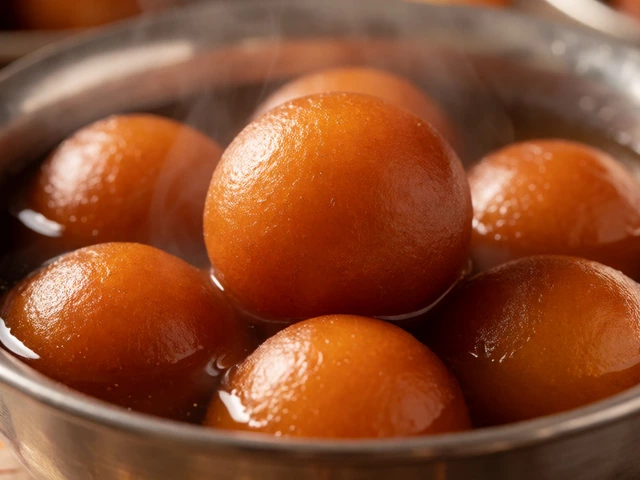
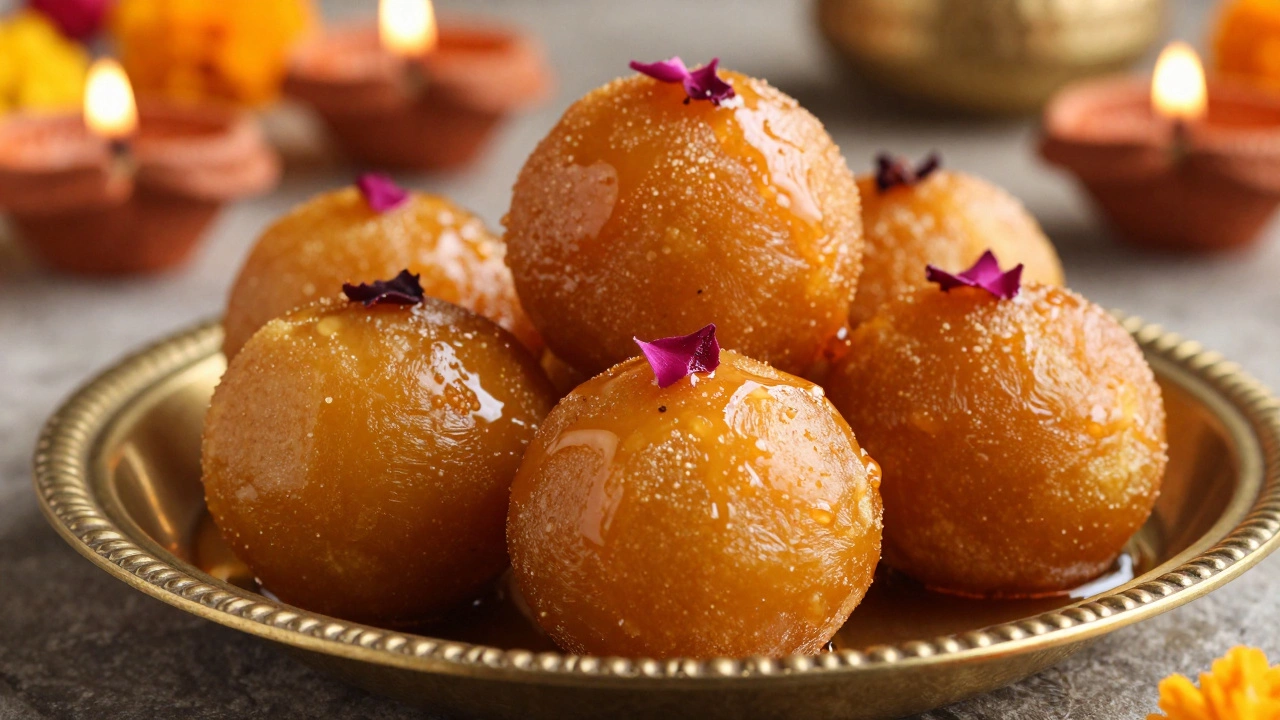
Walk into any Indian household during a festival, or step onto the bustling streets of Mumbai, Delhi, or Kolkata on a random Tuesday, and you will likely encounter one thing: sugar. But not just any sugar. It is syrup-soaked, ghee-rich, cardamom-scented sweetness that defines the country’s culinary soul. If you ask someone from India what their most popular dessert is, the answer usually comes without hesitation. Gulab Jamun reigns supreme.
Yet, calling it just "the most popular" misses the nuance of a subcontinent with eight billion distinct tastes. While Gulab Jamun is deep-fried milk solids soaked in rose-flavored sugar syrup, its dominance varies by region. In West Bengal, the crown belongs to Rasgulla. In South India, it might be Payasam. Understanding India’s sweet landscape requires looking beyond the single winner to the cultural forces that make these treats indispensable.
The Undisputed Champion: Why Gulab Jamun Wins
To understand why Gulab Jamun holds the title, you have to look at its accessibility. It is affordable, universally loved across religious lines, and travels well. Unlike delicate puddings that spoil quickly, Gulab Jamun can sit in a container for days, absorbing more syrup as time passes. The texture is key-soft, spongy, and yielding to the slightest pressure. When done right, it should melt in your mouth, leaving behind a hint of rose water and cardamom.
The popularity stems from its presence in every major life event. You cannot host a wedding without serving Gulab Jamun. It is a staple at Diwali celebrations, Eid feasts, and even casual office potlucks. Its versatility allows it to be served warm, straight out of the fryer, or chilled, which changes the mouthfeel entirely. Warm Gulab Jamun offers a gooey, almost molten center, while chilled versions provide a firmer, cake-like consistency that many prefer in summer.
| Dessert Name | Main Ingredient | Cooking Method | Primary Region | Key Flavor Profile |
|---|---|---|---|---|
| Gulab Jamun | Milk Solids (Khoya) | Deep Fried | North & Central India | Rose, Cardamom, Ghee |
| Rasgulla | Fresh Chenna (Cottage Cheese) | Boiled in Syrup | East India (Bengal/Odisha) | Sweet, Tangy, Light |
| Jalebi | Maida (Refined Flour) | Deep Fried | Pan-India | Saffron, Kesar, Crunchy |
| Kheer | Milk, Rice | Simmered | Pan-India | Cardamom, Pistachio, Creamy |
The Bengali Counterpoint: Rasgulla
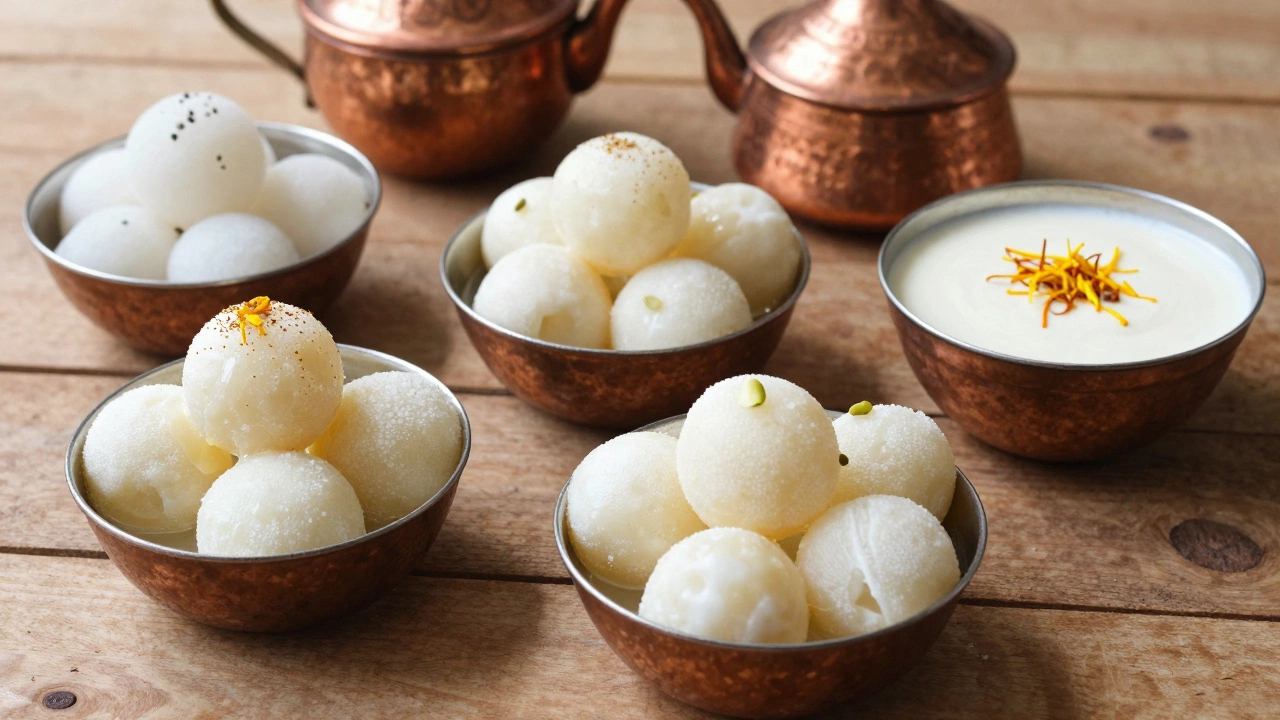
If Gulab Jamun is the king of fried sweets, Rasgulla is the queen of boiled delicacies. Originating from the states of West Bengal and Odisha, this white, spherical treat has gained massive popularity nationwide due to the diaspora of Bengali families who brought their recipes to other parts of India. Unlike Gulab Jamun, which uses reduced milk solids, Rasgulla is made from fresh chenna (cottage cheese) kneaded until smooth and then boiled in light sugar syrup.
The appeal of Rasgulla lies in its health perception. It is not fried, making it lighter on the stomach. The texture is unique-spongy yet firm, capable of holding its shape while releasing syrup when bitten. During hot summers, a bowl of chilled Rasgulla with a splash of milk is considered a cooling remedy. While Gulab Jamun dominates North India, Rasgulla often wins over those who prefer less heavy, non-fried options. This regional rivalry highlights how "popular" depends heavily on geography and climate.
The Crispy Contender: Jalebi
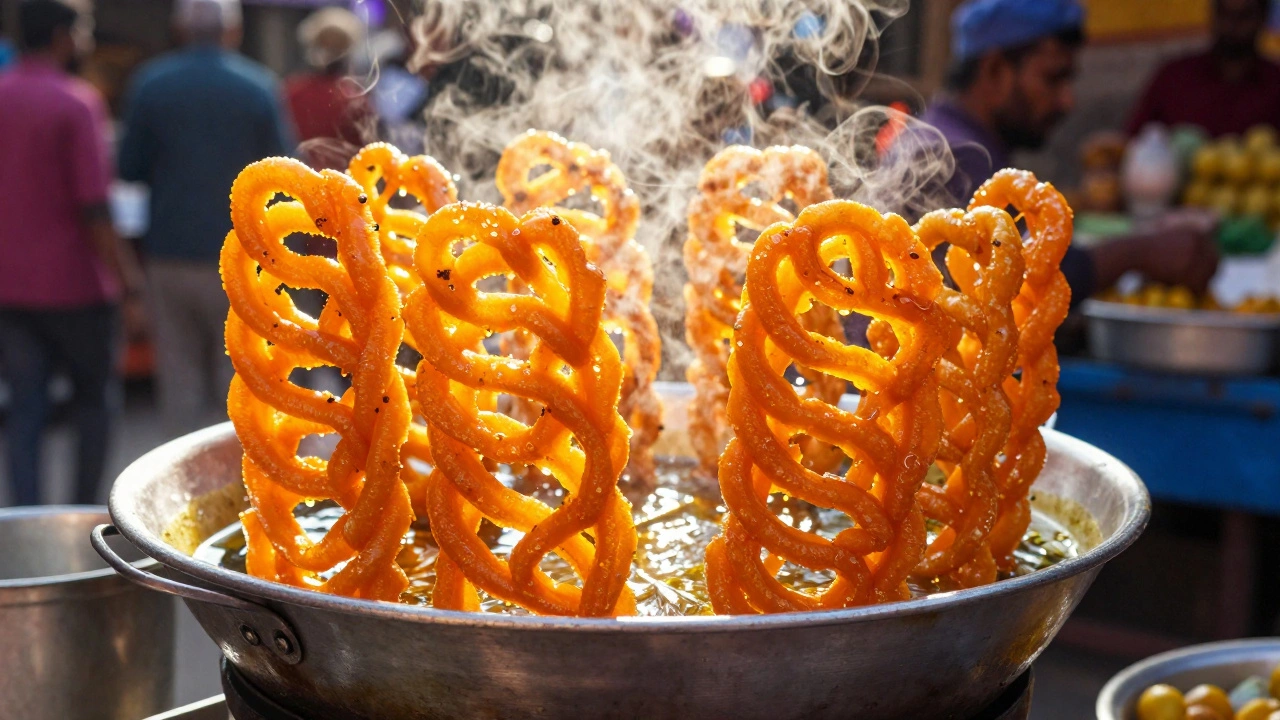
No discussion of Indian popularity is complete without mentioning Jalebi. Often eaten as a breakfast item alongside savory parathas or puris, Jalebi blurs the line between snack and dessert. Its vibrant orange color, derived from saffron or food coloring, makes it visually striking. The batter, made from fermented maida (refined flour), is piped in spiral patterns directly into hot oil, creating a lacy, crispy structure.
Jalebi’s popularity is driven by its street food culture. You will find vendors selling them in nearly every city, often paired with rabri (sweetened yogurt). The contrast between the crunchy exterior and the soft, syrup-soaked interior creates a sensory experience that few other desserts match. While Gulab Jamun is a sitting-room dessert, Jalebi is an on-the-go indulgence. Its widespread availability ensures it remains a top contender for the title of most popular, especially among younger generations who favor quick, handheld treats.
The Comfort Classic: Kheer and Payasam
While fried and boiled sweets dominate festivals, slow-cooked milky desserts hold a special place in daily life. Kheer in North India and Payasam in South India are essentially rice pudding variants, but they are far more complex. Made by simmering milk until it reduces significantly, then adding rice, semolina, or vermicelli, these desserts rely on patience. The result is a creamy, rich custard flavored with cardamom, nuts, and dried fruits.
Kheer’s popularity stems from its association with comfort and care. It is often prepared for sick family members or as a post-meal digestif. In South India, Payasam is an essential part of temple offerings and weddings, symbolizing prosperity and completeness. Unlike the intense sweetness of Gulab Jamun, Kheer offers a milder, nuttier profile that appeals to children and elders alike. Its versatility allows for seasonal variations-mango kheer in summer, pumpkin payasam in winter-keeping it relevant year-round.
Regional Variations That Define Taste
India’s diversity means that "most popular" shifts depending on where you stand. In Maharashtra, Shrikhand, a strained yogurt dessert flavored with saffron and cardamom, is a beloved favorite, especially when served with puri. In Gujarat, Mohanthal, a fudge-like sweet made from gram flour and ghee, dominates festive tables. Each region has its own champion, influenced by local ingredients and historical trade routes.
For instance, the use of ghee in North Indian sweets like Gulab Jamun reflects the dairy-rich diet of the region. In contrast, coastal areas like Kerala and Karnataka favor coconut-based sweets such as Pappadam or Nariyal Laddoo, leveraging the abundance of coconuts. These regional preferences ensure that while Gulab Jamun may have the widest reach, it does not universally replace local traditions. Instead, it coexists with them, creating a rich tapestry of sweet choices.
The Role of Festivals and Occasions
In India, sweets are not just food; they are currency of celebration. No festival is complete without exchanging mithai (sweets). During Diwali, the Festival of Lights, households stock up on boxes of assorted sweets, with Gulab Jamun always taking center stage. Similarly, during Eid, sheer khurma (a vermicelli pudding) and Gulab Jamun are served to mark the end of Ramadan. These cultural rituals drive consumption spikes, reinforcing the popularity of certain desserts.
Weddings also play a significant role. Large-scale events require desserts that can be prepared in bulk and stored easily. Gulab Jamun and Jalebi fit this criteria perfectly. They can be made hours in advance and remain delicious. This practicality contributes to their enduring popularity. Chefs and home cooks alike rely on these staples because they guarantee satisfaction among diverse crowds. The social function of these desserts extends beyond taste, embedding them deeply into Indian social fabric.
Health Trends and Modern Adaptations
As health consciousness grows, traditional sweets face scrutiny. High sugar and fat content make classics like Gulab Jamun problematic for diabetics and fitness enthusiasts. However, innovation has led to healthier alternatives. Many modern bakeries now offer Air-Fried Gulab Jamun using whole wheat flour and jaggery instead of refined sugar. Stevia and monk fruit are being experimented with to reduce glycemic impact without sacrificing sweetness.
Rasgulla, already lighter than fried options, sees increased demand as a "healthier" choice. Some brands promote low-fat chenna varieties. Meanwhile, Kheer is often made with almond milk or oat milk to cater to lactose-intolerant consumers. These adaptations ensure that traditional flavors remain accessible to broader audiences. The core appeal-nostalgia and taste-remains intact, even as ingredients evolve. This flexibility helps maintain popularity in a changing dietary landscape.
How to Choose the Right Sweet for Your Event
Selecting the right dessert depends on your audience and occasion. For large gatherings where storage and transport matter, Gulab Jamun and Jalebi are ideal. Their sturdy nature prevents spoilage. For intimate dinners or summer parties, Rasgulla or Shrikhand offers a refreshing, lighter option. If you are hosting a formal dinner with older guests, Kheer provides a familiar, comforting end to the meal.
Consider regional preferences if your guests come from specific backgrounds. Serving Payasam to a South Indian crowd shows respect for their culinary heritage. Offering Mohanthal to Gujarati guests acknowledges their tradition. Mixing options creates inclusivity. A platter featuring both fried and boiled sweets caters to different textures and dietary needs. Ultimately, the goal is to share joy through sweetness, and India’s diverse repertoire ensures there is a perfect match for every scenario.
Is Gulab Jamun really the most popular dessert in India?
Yes, Gulab Jamun is widely considered the most popular due to its pan-India availability, affordability, and presence at all major festivals and weddings. However, regional favorites like Rasgulla in the East and Jalebi as a street food rival its dominance in specific contexts.
What is the difference between Gulab Jamun and Rasgulla?
Gulab Jamun is made from reduced milk solids (khoya) and is deep-fried before soaking in syrup. Rasgulla is made from fresh cottage cheese (chenna) and is boiled in syrup. Gulab Jamun is denser and richer, while Rasgulla is lighter and spongier.
Can I make Gulab Jamun without frying?
Traditional Gulab Jamun requires frying for its signature texture. However, air-fried or baked versions exist using whole wheat flour and reduced oil. These are healthier but differ slightly in taste and texture compared to the classic deep-fried version.
Which Indian sweet is best for diabetics?
None of the traditional sweets are ideal for diabetics due to high sugar content. However, smaller portions of Rasgulla (made with less syrup) or homemade Kheer sweetened with stevia or monk fruit are better options. Always consult a doctor before consuming sweets.
Why is Jalebi eaten for breakfast?
Jalebi is often paired with savory items like paratha or puri and rabri (yogurt). The combination of salty, tangy, and sweet flavors creates a balanced meal. Its energy-boosting sugar content also makes it a popular morning pick in many parts of India.