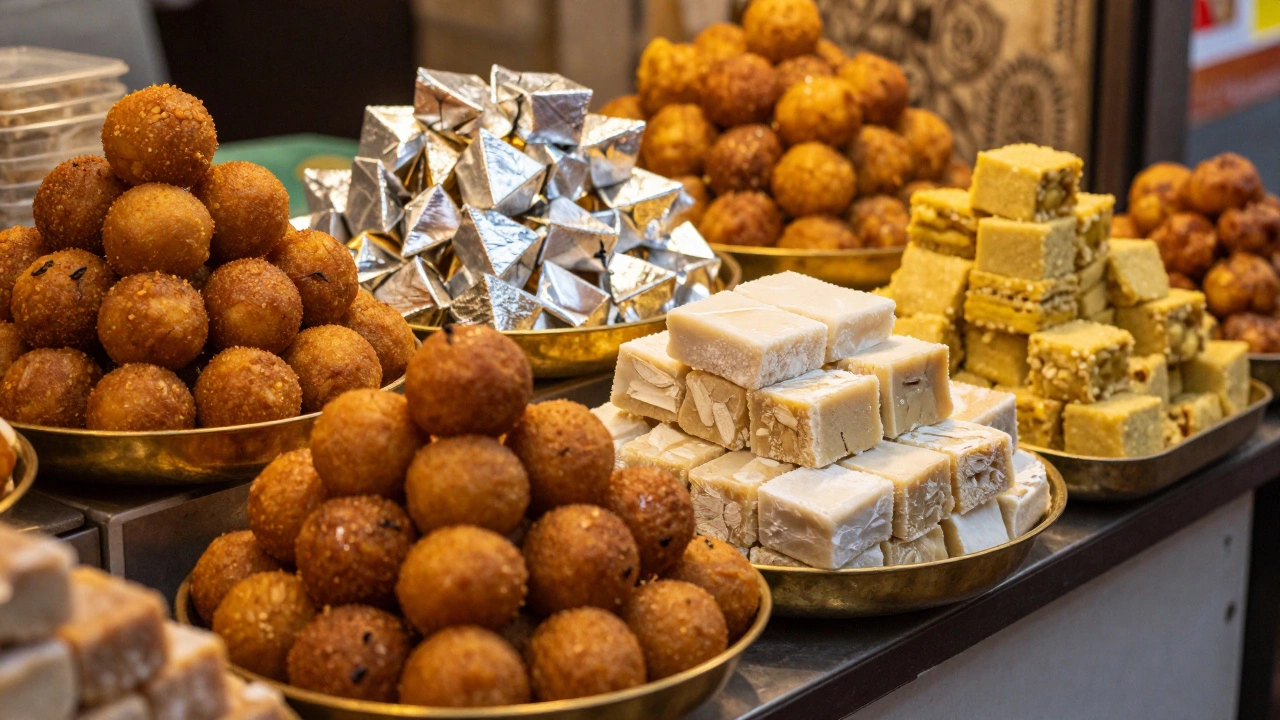
Mithai Matcher: Find Your Perfect Treat
Not sure what to order at the Halwai shop? Select the flavors and textures you crave, and we'll suggest the right Mithai for you!
Quick Reference Guide
Quick Takeaways for Dessert Lovers
- Mithai is the most accurate and respectful term for traditional sweets.
- Terms like "dessert" are okay, but Mithai specifically refers to the unique confectionery style of the region.
- Be mindful that some treats are "savory-sweet," and using the specific name (like Gulab Jamun) is always the most respectful approach.
- Regional terms (like 'Peda' or 'Barfi') are often more precise than general categories.
Why "Mithai" is the Preferred Word
When you use the word Mithai, you aren't just describing a taste; you're acknowledging a culinary tradition. In Western cultures, a "dessert" usually follows a meal. In India, mithai is often served as a welcome gesture, a religious offering, or a way to celebrate a festival like Diwali. By using the native term, you shift from being a casual observer to someone who respects the nuance of the cuisine. Imagine you're at a dinner party. Saying "I love these Indian sweets" is polite. But saying "This mithai is incredible" signals that you've taken an interest in the culture. It's a small linguistic shift that makes a big difference in how your host perceives your appreciation.Breaking Down the Types of Indian Sweets
Not all mithai are created equal. To be truly respectful and knowledgeable, it helps to know the different "families" of sweets. This prevents you from grouping a light, airy dessert with a dense, milk-based fudge.| Category | Key Ingredient | Example | Texture/Taste |
|---|---|---|---|
| Milk-based (Khoya) | Reduced milk solids | Burfi | Dense, fudge-like, creamy |
| Syrup-soaked | Sugar syrup (Chashni) | Gulab Jamun | Soft, spongy, intensely sweet |
| Grain/Nut-based | Besan or Almonds | Ladoo | Spherical, crumbly, nutty |
| Creamy/Liquid | Thickened milk | Rasmalai | Light, milky, aromatic |
Navigating the Nuances: Mithai vs. Dessert
Is there a difference between calling something a "dessert" and calling it "mithai"? Yes, and it's mostly about context. A dessert is a broad category that includes cake, ice cream, and fruit. Mithai, however, is a specific art form. For instance, if you are eating a slice of chocolate cake in an Indian restaurant, calling it "mithai" would be incorrect because that's a Western dessert. But if you're eating a piece of Kaju Katli (cashew fudge), calling it mithai is spot on. When in doubt, a great rule of thumb is: if it's made with traditional ingredients like ghee, cardamom, saffron, or khoya, "mithai" is your best bet. If it's a fusion dish-like a Gulab Jamun cheesecake-you can use either, though "fusion dessert" is a safe middle ground.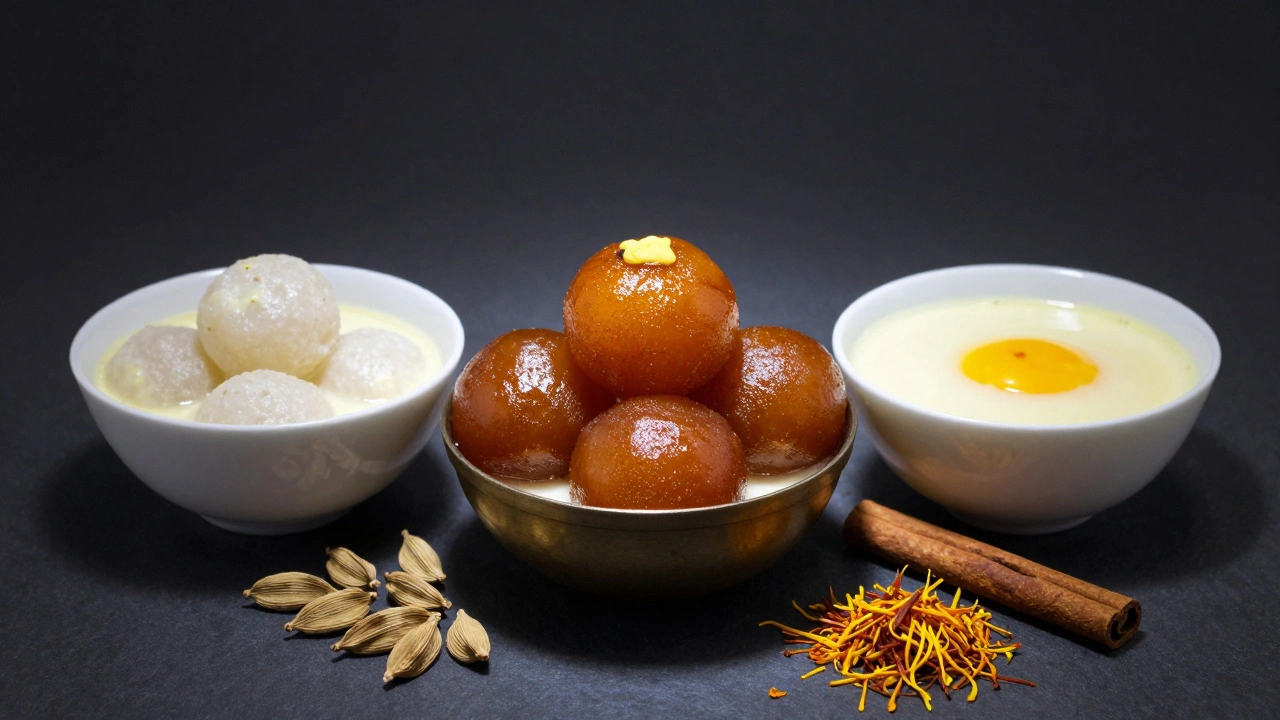
Tips for Ordering and Complimenting Respectfully
Knowing the word is one thing; using it in a real-world scenario is another. If you're visiting a sweet shop (often called a *Halwai* shop), here are a few ways to handle the interaction with grace. First, don't be afraid to ask for recommendations. Instead of saying "What's your best Indian sweet?", try "Which mithai do you recommend for someone who likes nutty flavors?" This shows you're thinking about the specific profile of the treat. Second, when complimenting the food, be specific. Instead of a generic "This is tasty," try "The aroma of the cardamom in this mithai is wonderful." It shows you're paying attention to the ingredients that make these treats special. Avoid using words like "weird" or "strange" to describe the textures. Some mithai are very dense or incredibly sweet compared to Western standards. Instead of "This is strangely sweet," try "This has a very rich, intense flavor." It's a subtle change that keeps the conversation positive and respectful.Common Pitfalls to Avoid
One common mistake is referring to all Indian sweets as "candies." In English, candy usually implies something mass-produced with corn syrup and artificial colors. Mithai are crafted confections, often handmade and using fresh dairy. Calling a delicate piece of Rasgulla a "candy" diminishes the effort and tradition behind it. Another point of caution is the use of regional labels. While "Indian" is the national umbrella, India is a land of vast diversity. A sweet from the south (like Mysore Pak) is very different from one from the north. If you know the treat comes from a specific state, mentioning that (e.g., "I love this Bengali sweet") is a high level of respect that most people really appreciate.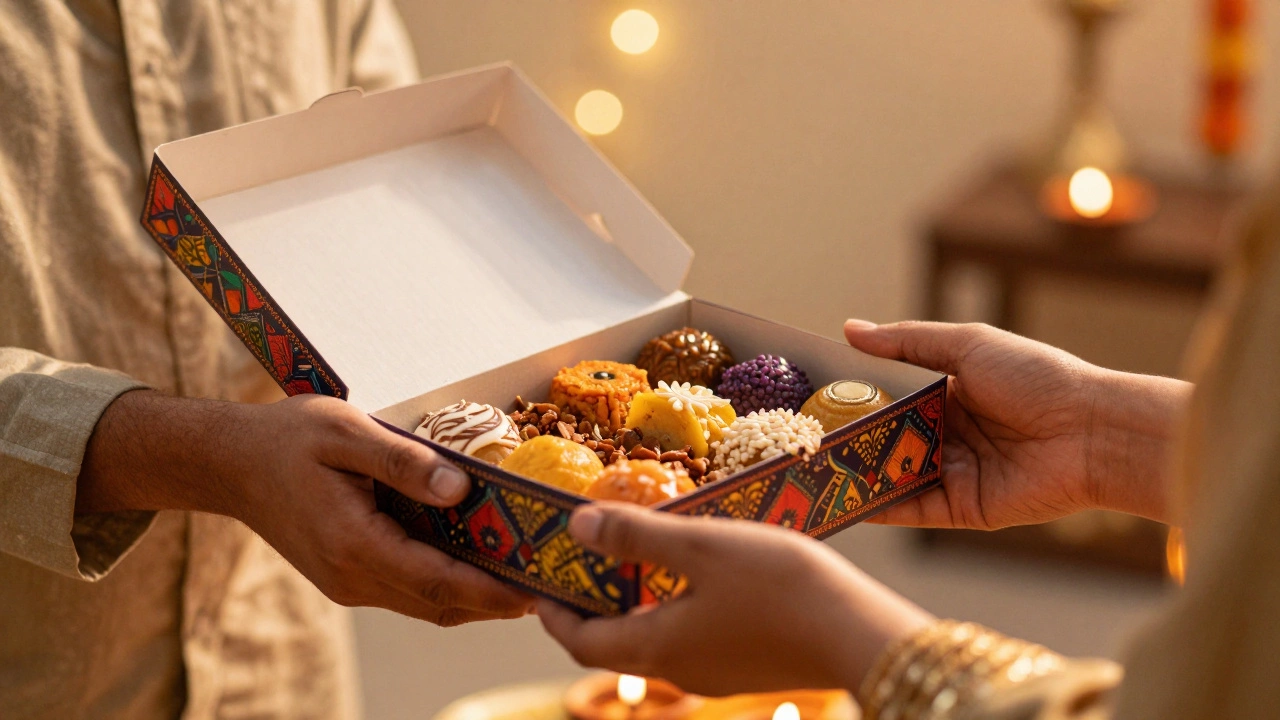
The Role of Festivals and Gifting
To understand why the word Mithai carries so much weight, you have to understand its role in social life. In India, mithai isn't just food; it's a currency of affection. Whether it's a wedding, a birth, or a promotion, a box of mithai is the standard way to share joy. When you refer to these items as mithai, you're acknowledging this social ritual. If someone offers you a box of sweets, thanking them for the "beautiful mithai" acknowledges the generosity and the tradition of gifting, rather than just the act of giving you some sugar.Is "Indian sweets" offensive?
Not at all. It is a perfectly polite and descriptive term. However, using the word "Mithai" is simply more precise and shows a deeper appreciation for the culture.
What is the difference between a Halwai and a pastry chef?
A Halwai is a traditional confectioner who specializes in making mithai, often using ancestral techniques to reduce milk and fry dough. A pastry chef generally works with flour-based cakes and creams in a more Western style.
Can I use the word "Mithai" for savory snacks?
No. Mithai refers exclusively to sweets. For savory snacks, the correct term is "Namkeen" or "Farsan." Using the wrong one might lead to some confused looks at the shop!
How do I pronounce Mithai?
It is generally pronounced as "mee-thay." The "th" sound is softer than the English "the," sounding more like a gentle breath of air.
Which is the most famous type of mithai for beginners?
Gulab Jamun is often the best starting point for beginners because its taste-fried dough soaked in rose-scented syrup-is universally loved and easy to enjoy.