Fluffy Roti Success Calculator
Your Roti Technique Check
Ever made roti that came out hard, dry, or stuck to the pan like a rubber sheet? You’re not alone. Most people think fluffy roti is about luck or some hidden family trick. But the truth? It’s all about three simple things: flour, water, and heat. No magic. No secret ingredients. Just the right technique.
Flour Matters More Than You Think
Not all atta is the same. For fluffy roti, you need whole wheat flour with a medium protein content-around 10-12%. Too high, and your roti turns chewy. Too low, and it falls apart. Look for atta labeled specifically for roti or chapati. Brands like Aashirvaad, Fortune, or Shakti are common in India and work well. If you’re outside India, try stone-ground whole wheat flour. Avoid bleached or refined flour. It won’t absorb water the same way, and your roti will be flat and lifeless.
Here’s what happens when you get the flour right: the gluten forms just enough structure to trap steam, but not so much that it turns tough. That’s the balance. Mix the flour with a pinch of salt-just enough to enhance flavor, not to make it salty. No sugar. No oil in the dough. Not yet.
The Water Temperature Trick
Most recipes say "add water gradually." That’s vague. The real secret? Use warm water-about 40°C (105°F). Not hot. Not cold. Warm. Why? Warm water activates the natural enzymes in the flour, helping it absorb moisture evenly. Cold water makes the dough stiff and uneven. Boiling water? It starts cooking the flour before you even knead it, and you end up with a gummy mess.
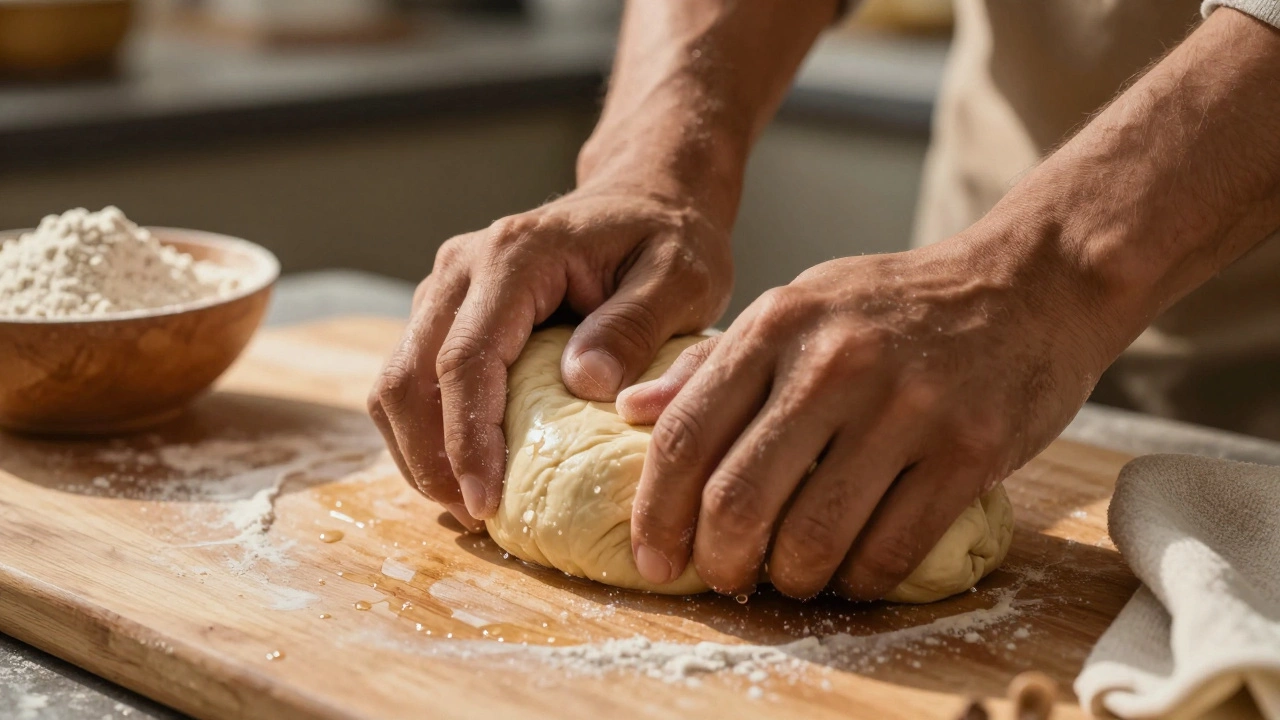
Use about 1 cup of water for every 2 cups of flour. Start with less. Add slowly. The dough should feel like your earlobe-soft, pliable, not sticky. If it’s too dry, sprinkle a few drops of warm water. If it’s too wet, dust with a little flour. Knead for at least 8-10 minutes. Yes, that long. Your arms might tire, but that’s how you develop the right gluten network. Don’t rush it. This is where most people fail.
Resting Is Non-Negotiable
After kneading, cover the dough with a damp cloth and let it rest for 30 minutes. Some say 15. Others say an hour. Thirty minutes is the sweet spot. During this time, the flour fully hydrates. The gluten relaxes. If you skip this step, the dough springs back when you roll it out. You’ll end up with thick, uneven rotis that puff up in spots but stay tough elsewhere.
Pro tip: After resting, divide the dough into golf-ball-sized portions. Roll each one smooth before you start cooking. Don’t skip this. Uneven portions = uneven cooking.

The Right Pan and Heat Level
Use a heavy-bottomed tawa or cast iron skillet. Non-stick pans? They’re fine for beginners, but they don’t get hot enough to create that instant steam burst that makes roti puff up. Cast iron holds heat steadily. That’s key.
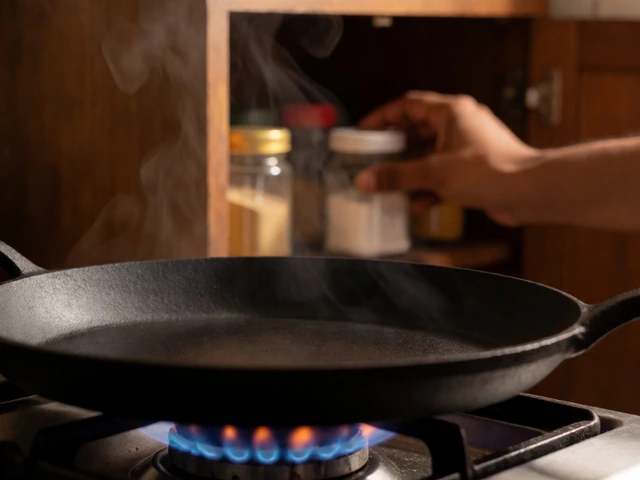
Heat the pan on medium-high until it’s hot enough to make a drop of water sizzle and vanish in under a second. Too cold? The roti soaks up oil and turns greasy. Too hot? It burns before it puffs.
Place the rolled roti on the pan. Let it sit for 15-20 seconds. You’ll see small bubbles form. That’s steam building underneath. Flip it. Now, press gently with a dry cloth or spatula. Don’t smash it. Just encourage it. The roti should swell like a balloon. If it doesn’t puff, your pan isn’t hot enough, or the dough was under-kneaded.
How to Make It Puff Like a Pro
Once it starts puffing, flip it one more time. Then, hold it directly over the flame for 3-5 seconds. Use tongs or a spatula. Don’t burn yourself. The direct flame gives that final burst of heat that makes the steam explode inside. That’s when the roti turns into a soft, airy pillow.
Some people skip this step and wonder why their roti is flat. It’s not about skill. It’s about heat transfer. The flame delivers more concentrated heat than the tawa ever can. That’s the secret.
Keep Them Soft After Cooking
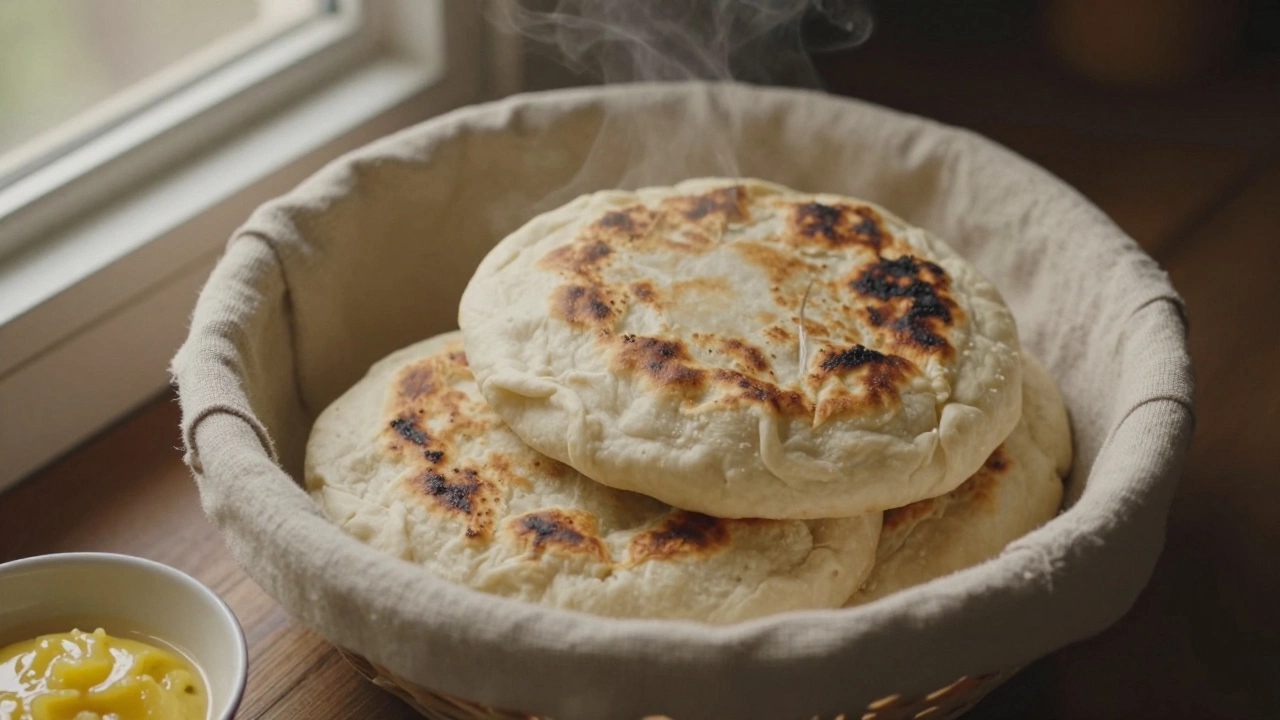
As soon as you take the roti off the flame, stack them in a clean kitchen towel or cloth-lined basket. Cover tightly. The trapped steam keeps them soft for hours. If you leave them uncovered, they dry out fast. Even in a warm kitchen, they’ll harden within 20 minutes.
If you’re making a big batch, you can store them in an airtight container for up to 24 hours. Reheat them on a dry pan for 10 seconds per side. They’ll taste fresh again.
Common Mistakes That Kill Fluffiness
- Using cold water to make dough
- Not kneading long enough-less than 8 minutes
- Skipping the resting time
- Rolling rotis too thick or too thin
- Using a thin, lightweight pan
- Not using direct flame to finish puffing
- Leaving rotis uncovered after cooking
One of these mistakes is probably why your roti isn’t fluffy. Fix one at a time. Start with water temperature. Then kneading. Then resting. You’ll see the difference.
Why This Works: The Science Behind the Fluff
Fluffy roti isn’t magic. It’s physics. When the dough hits the hot pan, the water inside turns to steam. That steam pushes against the gluten network you built through kneading. If the gluten is strong enough but not too tight, the steam expands the dough evenly. The flame finishes the job by superheating the trapped air, making it expand rapidly.
Think of it like a balloon filled with hot air. The balloon (roti) needs to be stretchy enough to hold the air, but not so stiff that it pops. That’s what good dough does. And that’s why the steps matter.
What to Serve With Fluffy Roti
Fluffy roti is the perfect vehicle for everything from creamy dal tadka to spicy paneer butter masala. It’s also great with simple yogurt and pickles. For breakfast, pair it with scrambled eggs and chutney. The soft texture soaks up sauces without falling apart. It’s not just bread-it’s a tool for flavor.
Don’t overthink it. Don’t chase fancy recipes. Stick to these basics: warm water, enough kneading, proper resting, hot pan, flame finish, and steam cover. Do that, and your roti will be soft, fluffy, and better than any restaurant’s.
Why won’t my roti puff up?
Your roti won’t puff if the dough isn’t well-kneaded, the pan isn’t hot enough, or you skipped the flame finish. Make sure you knead for at least 8-10 minutes, use a heavy tawa, and hold the roti over direct flame for a few seconds after flipping. Cold dough or under-heated pans are the most common reasons.
Can I use all-purpose flour instead of atta?
You can, but it won’t be the same. All-purpose flour has less fiber and different gluten structure. Roti made with it will be softer but less nutritious and won’t hold up as well with spicy curries. It also won’t puff as reliably. Stick to whole wheat atta for authentic texture and flavor.
How long can I store roti?
Freshly made roti stays soft for up to 24 hours if stored in an airtight container with a damp cloth on top. Reheat on a dry pan for 10 seconds per side. Freezing works too-stack them with parchment paper in between, freeze for up to 2 months, and reheat directly from frozen.
Should I add oil or ghee to the dough?
No. Adding oil or ghee to the dough makes it tender but prevents puffing. The fat coats the gluten strands and stops steam from expanding the dough properly. Add oil only after cooking, if you want to brush the roti for extra flavor. But for fluffiness, keep the dough plain.
Is a rolling pin necessary?
Not strictly, but it helps. You can press the dough with your palms on a flat surface for a rustic, uneven roti. But for consistent thickness and even cooking, a rolling pin is best. Roll from the center outward, turning the dough slightly each time. Don’t roll too thin-aim for 6-7 inches wide and about 1-2 mm thick.
Can I make roti without a tawa?
Yes, but you’ll need a heavy skillet or even a griddle. Avoid non-stick pans unless they’re well-seasoned and thick-bottomed. Thin pans don’t retain heat, so your roti will cook unevenly and won’t puff. Cast iron is ideal. If you don’t have one, use a stainless steel pan and preheat it longer-about 5 minutes on medium-high.