Cheese Substitution Checker
Select how you want to cook your cheese and what type of dish you're preparing. The tool will recommend which cheese works best for your recipe based on the article's key differences.
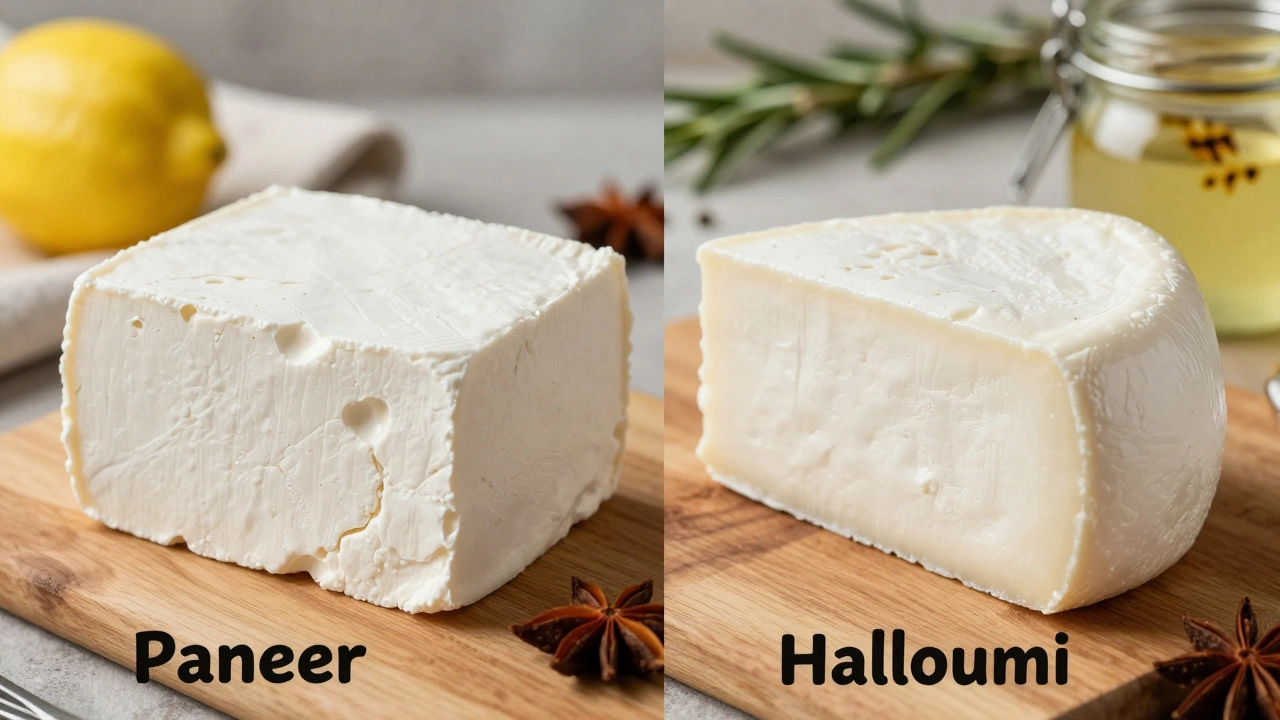
When you first see a block of halloumi and a block of paneer side by side, it’s easy to think they’re the same thing. Both are firm, white, squeaky cheeses. Both can be grilled or fried until golden. Both hold their shape when cooked. But if you’ve tried them in real dishes, you know they don’t behave the same way at all. So, is paneer like halloumi? The short answer: they look alike, but they’re not interchangeable.
Where Paneer and Halloumi Come From
Paneer is a fresh cheese made across South Asia, especially in India, Pakistan, and Bangladesh. It’s not aged. It’s not pressed hard. It’s made by curdling milk with lemon juice or vinegar, then draining the whey and pressing it lightly into a soft block. It’s used in everything from paneer butter masala to grilled skewers and even sweet desserts.
Halloumi, on the other hand, comes from Cyprus. It’s a brined cheese, traditionally made from a mix of goat’s and sheep’s milk, sometimes with a little cow’s milk added. It’s salted, then stored in brine for weeks. That’s why it tastes salty right out of the package. It’s designed to hold up under heat-grilled, fried, or even baked.
How They’re Made: The Big Difference
Here’s where things get interesting. Paneer doesn’t need rennet. It’s made with acid-lemon juice, vinegar, or yogurt. The curds just clump together. No enzymes. No aging. You can make it in 30 minutes at home with milk and a lemon.
Halloumi uses rennet, the same enzyme used to make cheddar or mozzarella. That’s why it has a more complex structure. The rennet helps the proteins bind tightly, so when you cook it, it doesn’t melt. Instead, it gets firm and springy. That’s why it’s perfect for the grill.
That’s the core difference: paneer is acid-set, halloumi is rennet-set. It affects everything-from texture to how they respond to heat.
What Happens When You Cook Them
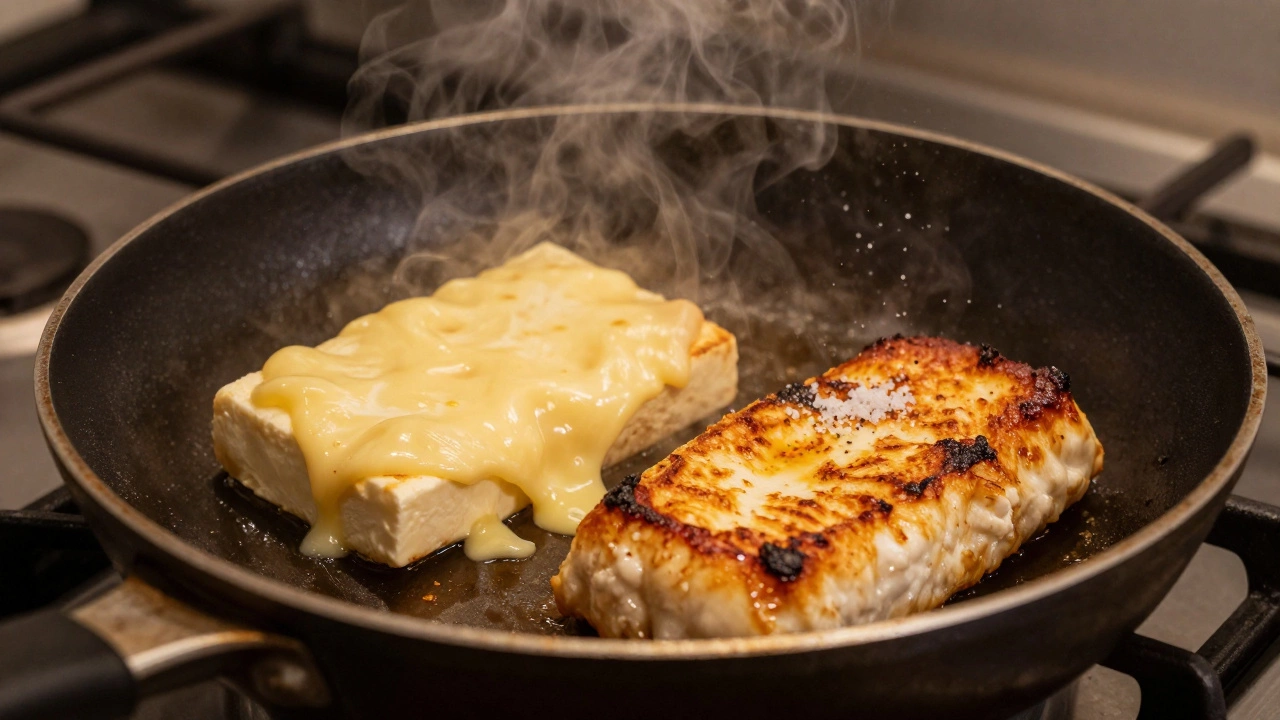
If you throw paneer into a hot pan, it’ll brown nicely. But if you leave it too long, it starts to crumble. It doesn’t have the elasticity of halloumi. It’s more like tofu in texture-soft, but dense.
Halloumi? It sings on the grill. It gets a crispy crust on the outside while staying chewy and juicy inside. It doesn’t break apart. It doesn’t melt. It’s practically built for high heat.
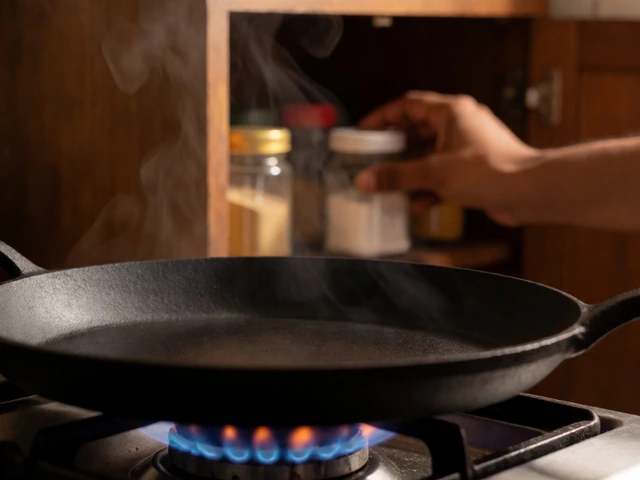
Try this: heat a skillet over medium-high. Put a slice of each cheese in. Watch what happens. The paneer will shrink, get dry around the edges, and start to flake. The halloumi will puff up slightly, turn golden, and hold its shape like a rubbery charm.
Flavor: Salt vs. Mild
Paneer is mild. Really mild. It’s almost flavorless on its own. That’s why it’s perfect for soaking up spices, sauces, and masalas. It’s a blank canvas.
Halloumi? It’s salty. Like, noticeably salty. Even if you rinse it under cold water, you’ll still taste the brine. That saltiness is part of its charm. It pairs well with mint, lemon, watermelon, or grilled veggies.
Here’s a trick: if you’re using paneer in a salad or as a snack, sprinkle a little salt on it before cooking. It’ll help it taste more like halloumi-but it still won’t behave the same way.
Can You Substitute One for the Other?
Yes, sometimes. But only in very specific cases.
If you’re making a grilled cheese sandwich and you want something that holds together, paneer can work. But it won’t get that satisfying chew. If you’re making a skewer for kebabs, halloumi is the better pick. Paneer might fall apart on the grill.
But if you’re making a curry, stick with paneer. Halloumi’s saltiness will throw off the balance. Same goes for a sweet dish like paneer kheer. Halloumi would ruin it.
Bottom line: they’re not substitutes. They’re cousins. Similar enough to be confused, but different enough to mess up your recipe if you swap them.
Homemade Paneer vs. Store-Bought Halloumi
One of the best things about paneer is how easy it is to make at home. You need milk, acid, and a cloth. No fancy equipment. You can do it while your dinner simmers.
Here’s how: heat 1 liter of whole milk until it’s just about to boil. Turn off the heat. Add 2 tablespoons of lemon juice or vinegar. Stir gently. Wait 5 minutes. The curds will separate from the whey. Line a colander with cheesecloth, pour it in, and let it drain for 15 minutes. Then press it under a heavy plate for another 30 minutes. Done. You’ve got fresh paneer.
Halloumi? You can’t make it at home without rennet, a cheese press, and a brine tank. It’s not a weekend project. That’s why most people buy it. And it’s why halloumi costs more.
Which One Should You Use?
Use paneer when you want:
- A soft, absorbent cheese for curries
- A mild protein to pair with bold spices
- A quick, homemade cheese you can make in under an hour
- Something that melts slightly when heated (for texture, not flavor)
Use halloumi when you want:
- A cheese that grills without melting
- A salty, chewy bite in salads or sandwiches
- A cheese that holds its shape on skewers
- A flavor that stands on its own, not just a background player
Real-World Examples
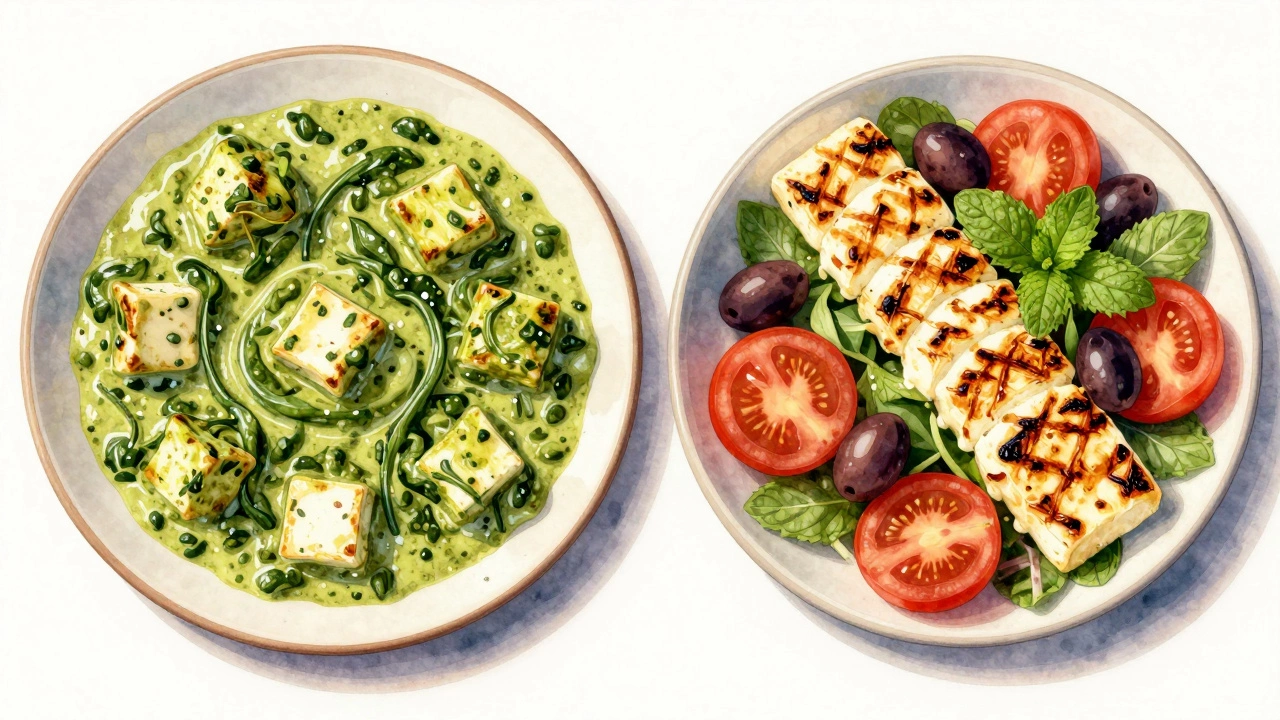
Think of paneer tikka-marinated cubes grilled over charcoal. That’s paneer. If you used halloumi, you’d get a salty, rubbery bite that overwhelms the spices.
Now think of a Greek salad with grilled halloumi. The cheese is the star. The lemon, the olives, the tomatoes-they all play off its saltiness. Swap in paneer? It disappears. No contrast. No punch.
Another example: paneer in a palak paneer dish. The cheese melts slightly into the spinach gravy, thickening it, absorbing the flavors. Halloumi would float there, unchanged, too salty, too firm.
Final Verdict
Is paneer like halloumi? They’re both delicious. They’re both versatile. But they’re not the same. Paneer is soft, mild, and made to absorb. Halloumi is firm, salty, and made to hold up. They come from different worlds-one from the home kitchens of India, the other from the sun-baked hills of Cyprus.
If you’re cooking Indian food, stick with paneer. If you’re grilling for a summer BBQ, grab the halloumi. Don’t try to force them to be the same. Embrace what each one does best.
Can I use halloumi instead of paneer in paneer tikka?
You can, but it won’t taste right. Halloumi is salty and chewy, while paneer tikka relies on the cheese absorbing the spices. Halloumi’s salt will overpower the marinade, and it won’t soften the same way. Stick with paneer for authentic flavor.
Why does paneer fall apart when I fry it?
Paneer crumbles if it’s too wet or if the heat is too high. Make sure you press it well after making it-remove as much whey as you can. Also, pat it dry with a towel before frying. Medium heat works best. High heat burns the outside before the inside heats through.
Is homemade paneer better than store-bought?
Yes, if you want control. Store-bought paneer can be dry, rubbery, or contain preservatives. Homemade paneer is fresh, soft, and has a clean milk flavor. It costs less too. All you need is milk, lemon, and 30 minutes.
Does halloumi need to be rinsed before cooking?
Yes, especially if it’s very salty. Rinse it under cold water for 30 seconds, then pat it dry. This removes excess brine without washing away flavor. It helps balance the saltiness when you grill or fry it.
Can I freeze paneer or halloumi?
You can freeze both, but it changes texture. Paneer becomes grainy and crumbly. Halloumi loses some of its springiness. If you must freeze, do it for short-term storage-up to a month. Thaw in the fridge, and use it in cooked dishes, not raw.
Next Steps
If you’re curious about paneer, try making it this weekend. Use whole milk. Don’t skip the pressing step. Taste the difference. Then grab a block of halloumi and grill it with a squeeze of lemon. You’ll see why they’re not the same-and why both are worth keeping in your kitchen.