Indian Protein Substitution Guide
Select a traditional meat-based protein to find its culturally-aligned Indian plant-based alternative.
Recommended Alternative: -
Please select a protein above to see the alternative.
The Core Takeaways
- Faith and philosophy, especially Ahimsa, drive millions to avoid meat.
- Economic factors make plant-based proteins like lentils much more accessible.
- Caste and social structures historically reinforced vegetarian habits.
- Indian cuisine has evolved to make vegetables the star, not the side dish.
The Spiritual Root: Ahimsa and Dharma
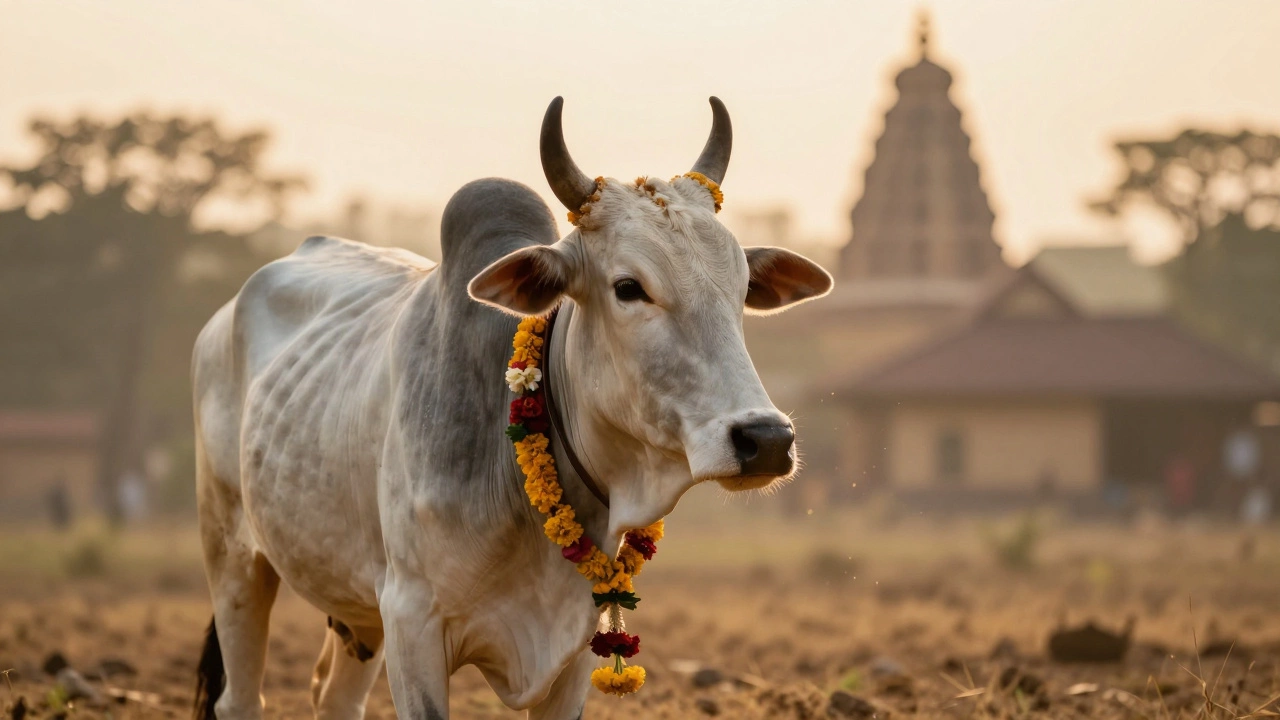
To understand the Indian plate, you have to understand Ahimsa is the ancient Indian principle of non-violence toward all living beings. This concept is the heartbeat of Jainism, an ancient religion that practices extreme non-violence, often avoiding even root vegetables like onions and garlic to prevent harming tiny organisms, and it heavily influenced Hinduism. For many Hindus, animals are seen as manifestations of the divine. The cow, in particular, is revered not as a god, but as a maternal figure that provides milk and fuel, making the act of eating beef unthinkable for a large portion of the population.
Then there is the concept of Karma. The belief that every action has a reaction means that killing an animal for food creates a negative spiritual debt. When you combine these beliefs with the daily rituals of millions, you get a society where being "pure" (Sattvic) often means eating a diet free of meat, alcohol, and overly pungent spices. It's not about a rule in a book; it's about a feeling of alignment with the universe.
The Economic Reality of the Plate
While spirituality is the "why," economics is the "how." For a long time, meat was simply too expensive for the average Indian household. Let's be real: raising a cow or a goat for meat is an inefficient use of resources when that same animal can provide milk or pull a plow for years. In rural areas, livestock are assets, not inventory.
Instead, Indians turned to Pulses, the edible seeds of leguminous plants, which include lentils, chickpeas, and beans. These are cheap, shelf-stable, and packed with protein. If you're a farmer in Madhya Pradesh, it's much easier to grow a crop of pigeon peas than it is to maintain a herd of cattle for slaughter. This economic necessity led to the perfection of the Dal, a staple that provides the necessary amino acids to keep a working population healthy without the high cost of meat.
| Protein Source | Accessibility | Cost Point | Cultural Perception |
|---|---|---|---|
| Lentils/Legumes | Universal | Low | Daily Staple |
| Paneer / Dairy | High | Medium | Pure/Sattvic |
| Poultry/Fish | Regional | Medium-High | Acceptable in specific communities |
| Beef/Pork | Very Low | Variable | Taboo in many regions |
Social Hierarchy and the "Pure" Diet
You can't talk about diet in India without mentioning the Caste System, a historical social hierarchy that influenced everything from occupation to eating habits. Historically, the highest castes, such as the Brahmins, adhered to strict vegetarianism to maintain spiritual purity. This created a social prestige around not eating meat. Over centuries, this filtered down through different social layers, making vegetarianism a marker of status and refinement.
Even today, you'll see this play out in weddings and social gatherings. A "pure veg" kitchen is often seen as cleaner or more disciplined. While the rigid caste lines are blurring in modern cities, the cultural association between vegetarianism and a "higher" or "cleaner" lifestyle still lingers in the subconscious of many families.
Culinary Innovation: Making Vegetables Taste Like a Feast
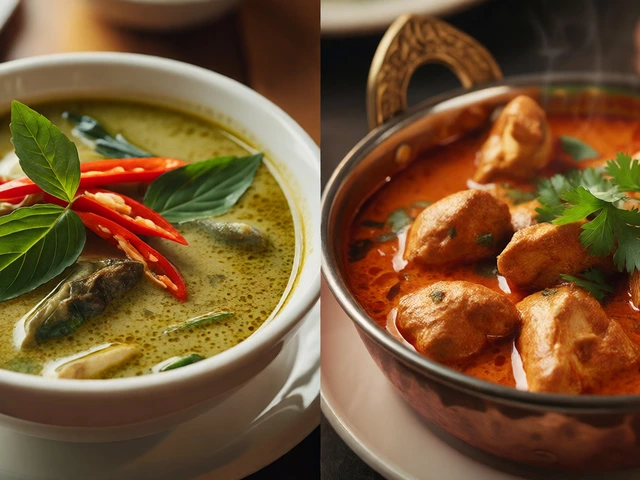
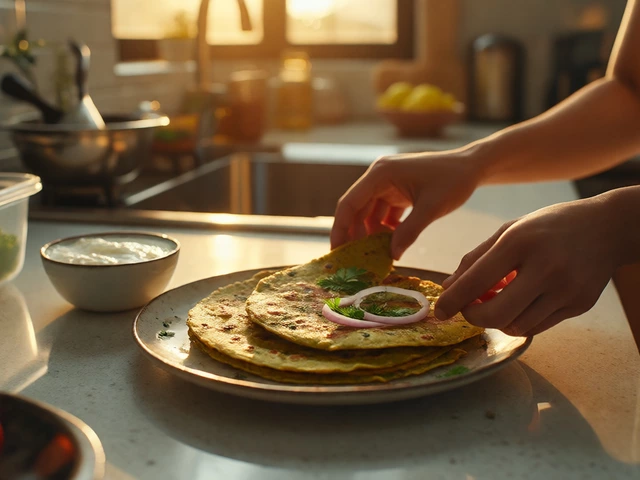
If you remove meat, how do you keep food exciting? This is where Indian cuisine truly shines. Indians didn't just "stop eating meat"; they engineered a way to make plants taste incredible. They mastered the art of the Masala, a blend of spices and herbs that creates complex flavor profiles. By using cumin, coriander, turmeric, and garam masala, they could turn a simple cauliflower or a potato into a rich, savory experience.
Take Paneer, a fresh, non-melting cheese common in Indian cuisine. It's the perfect meat substitute because it absorbs flavors and provides a hearty texture. Then there's Soya Chunks, which have become a massive hit in modern Indian households as a high-protein, low-cost alternative to mutton. When you have dishes like Palak Paneer or Chole Bhature, the "missing" meat isn't even a thought-the flavor is too satisfying to care.
The Regional Divide: It's Not All Vegetarian
It would be a mistake to say India is entirely vegetarian. The map is a patchwork of dietary habits. In the South, specifically in Kerala and Tamil Nadu, fish and seafood are staples because of the coastline. In the Northeast, meat-including pork and beef-is much more common and is often a central part of the indigenous tribal diets.
West Bengal is another outlier. For Bengalis, fish is not just food; it's a cultural identity. They often categorize fish as "sea vegetables" in a metaphorical sense to align with certain cultural norms. This shows that while the national average of meat consumption is low, the actual experience of eating in India varies wildly depending on whether you're in a temple town in Gujarat or a fishing village in Goa.
Modern Shifts: Health, Ethics, and the New Veganism
Fast forward to 2026, and the reasons for avoiding meat are shifting. While the old generation sticks to dharma and karma, the Gen Z and Millennial crowds are looking at Sustainability. With the climate crisis, more young Indians are realizing that plant-based diets have a much lower carbon footprint. The rise of the Vegan movement in urban hubs like Bangalore and Mumbai is adding a new layer-removing dairy, which was previously the cornerstone of the vegetarian diet.
We're also seeing a surge in "flexitarianism." People who grew up in strict households are experimenting with chicken or fish but returning to vegetarianism for health reasons. The focus is shifting from "religious obligation" to "conscious eating." However, the foundation remains the same: the Indian palate is perfectly tuned to derive pleasure and nutrition from the earth rather than the animal.
Is most of India actually vegetarian?
Not entirely, but a very large percentage is. While the exact number varies by survey, roughly 30% to 40% of the population is strictly vegetarian. However, many more are "semi-vegetarian," meaning they avoid beef or pork but might eat chicken or fish occasionally.
Do Indians get enough protein without meat?
Yes, by combining different plant sources. The classic combination of rice and lentils (Dal Chawal) creates a complete protein containing all essential amino acids. They also rely heavily on dairy products like curd, paneer, and milk, as well as nuts and seeds.
Why is beef specifically avoided in India?
The cow is revered in Hinduism as a symbol of motherhood and non-violence. Because cows provide milk and help in farming, they are seen as providers of life, making the act of slaughtering them culturally and religiously taboo for the majority of the population.
Which Indian state has the most vegetarians?
Gujarat and Rajasthan have some of the highest percentages of vegetarians in the country, driven by a strong influence of Jainism and Vaishnavism, as well as regional agricultural patterns.
Are Indian vegetarian dishes actually healthy?
They can be! When based on whole grains and legumes, they are incredibly healthy. However, some popular dishes use a lot of ghee, cream, or deep-frying (like Pakoras), which can increase the calorie count. The health value depends on the cooking method used.
Next Steps for the Curious Foodie
If you're looking to experience this lifestyle, start by exploring regional specialties. If you want something hearty, try a North Indian Thali with various dals and paneer. If you prefer something lighter, go for South Indian Dosas and idlis. For those transitioning to a more plant-based diet, studying how Indians use spices to replace the "umami" flavor of meat is a great way to make the switch without feeling like you're missing out.