Paneer vs Malai Paneer: The Decision Maker
Not sure which cheese to use? Answer these two questions to find out if you need the firm version or the creamy cloud.
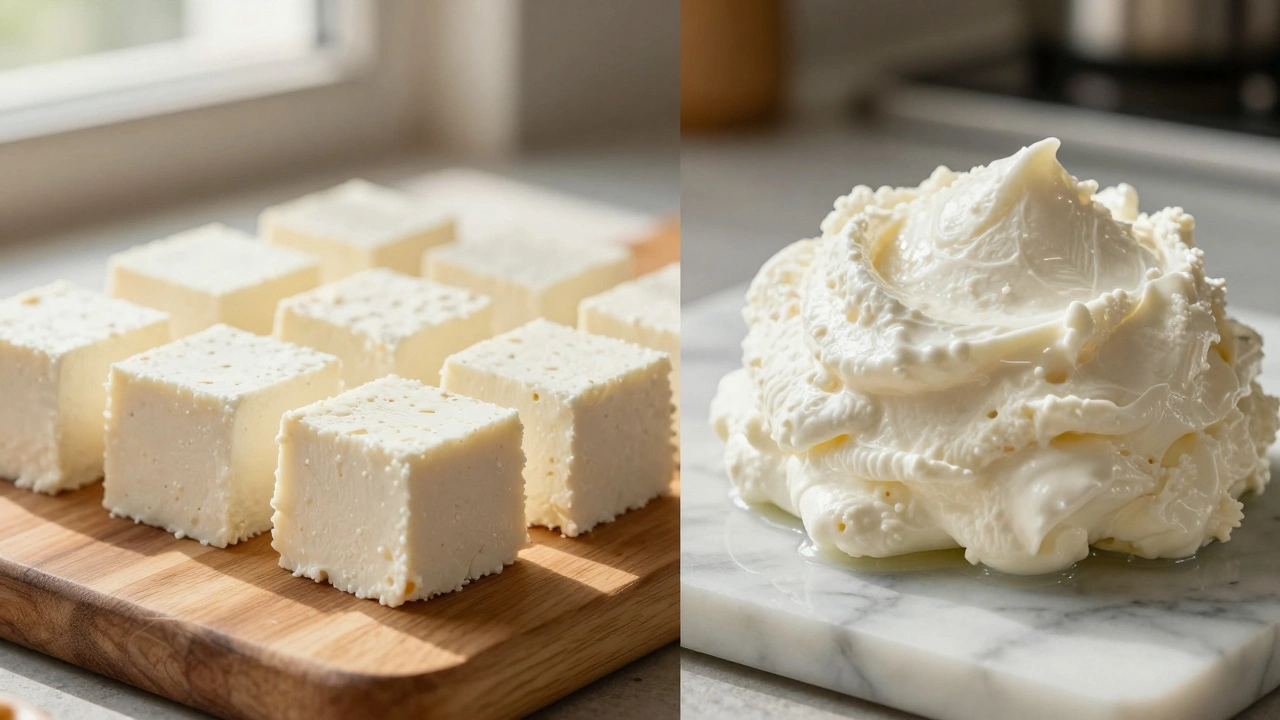
You’ve probably seen both in your local grocery store or scrolling through Instagram reels. One is firm, white, and cubes up neatly for stir-fries. The other looks like a cloud, melts into curries, and tastes like butter. If you’re wondering why one dish calls for regular paneer while another demands Malai paneer, you are not alone. They look similar on the surface-both are fresh Indian cheeses made from milk-but they behave completely differently in the kitchen.
The short answer? Regular paneer is made by curdling whole milk with acid (like lemon juice or vinegar). It’s firm, slightly grainy, and holds its shape when fried. Malai paneer, on the other hand, is made from cream (malai) and often includes a bit of sugar or ghee during the curdling process. This makes it softer, richer, and much more delicate.
The Core Difference: Milk vs. Cream
To understand why these two cheeses taste and cook so differently, we have to look at what goes into them. Think of it as the difference between making yogurt from skim milk versus full-fat cream. The base ingredient dictates everything else.
| Feature | Regular Paneer | Malai Paneer |
|---|---|---|
| Base Ingredient | Whole milk | Cream (Malai) + sometimes milk |
| Fat Content | Medium (~10-15%) | High (~25-30%+) |
| Texture | Firm, slightly crumbly, rubbery if overcooked | Soft, creamy, melt-in-the-mouth |
| Taste | Mild, milky, neutral | Rich, sweetish, buttery |
| Best Cooking Method | Frying, grilling, sautéing | Simmering in gravy, stuffing |
| Shelf Life (Refrigerated) | 3-4 days | 1-2 days (perishes faster) |
Regular paneer is essentially casein protein that has been separated from whey using heat and acid. Because it comes from milk, it retains some water but forms tight bonds, giving it that characteristic squeaky texture. Malai paneer skips the bulk of the milk water content entirely. By starting with cream, you are concentrating the fats. Fat carries flavor, which is why Malai paneer tastes significantly richer even before you add spices.
How to Make Homemade Paneer (The Firm Version)
Making regular paneer at home is straightforward, but timing is everything. You need full-fat milk because low-fat milk won’t yield enough curds. Here is the step-by-step process that works reliably every time.
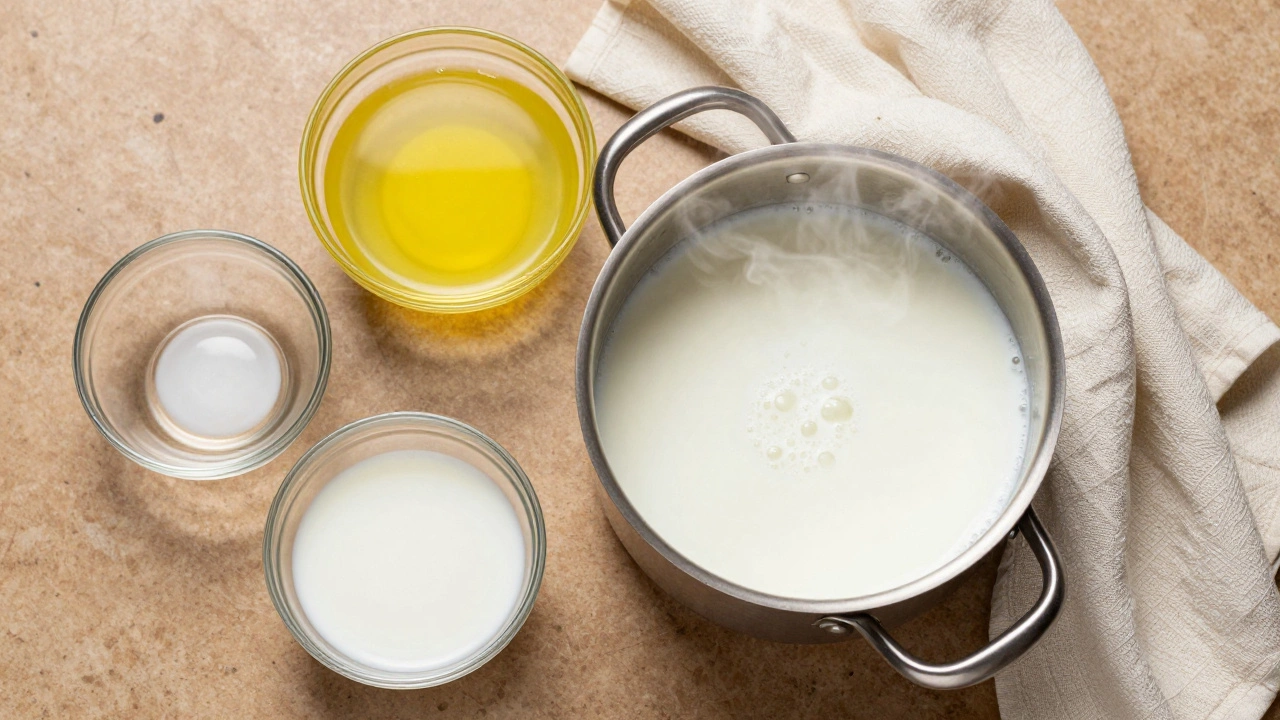
- Boil the milk: Pour 1 liter of full-fat milk into a heavy-bottomed pot. Bring it to a rolling boil. Keep stirring occasionally so it doesn’t stick to the bottom.
- Add the acid: Once boiling, turn off the heat. Add 2-3 tablespoons of lemon juice or white vinegar. Stir gently. You will see the milk split immediately-the white solids (curds) separating from the yellowish liquid (whey).
- Let it settle: Let the pot sit for 5 minutes. The separation should be clean. If the whey is still cloudy, add a little more acid.
- Strain: Line a colander with cheesecloth or a clean cotton muslin cloth. Pour the mixture through it. Rinse the curds under cold running water for 30 seconds. This stops the cooking process and removes any sour taste from the lemon/vinegar.
- Press it: Gather the edges of the cloth and tie them into a bundle. Hang it upside down or place a heavy weight (like a bowl of water) on top for 30 minutes to 1 hour. Longer pressing = firmer paneer.
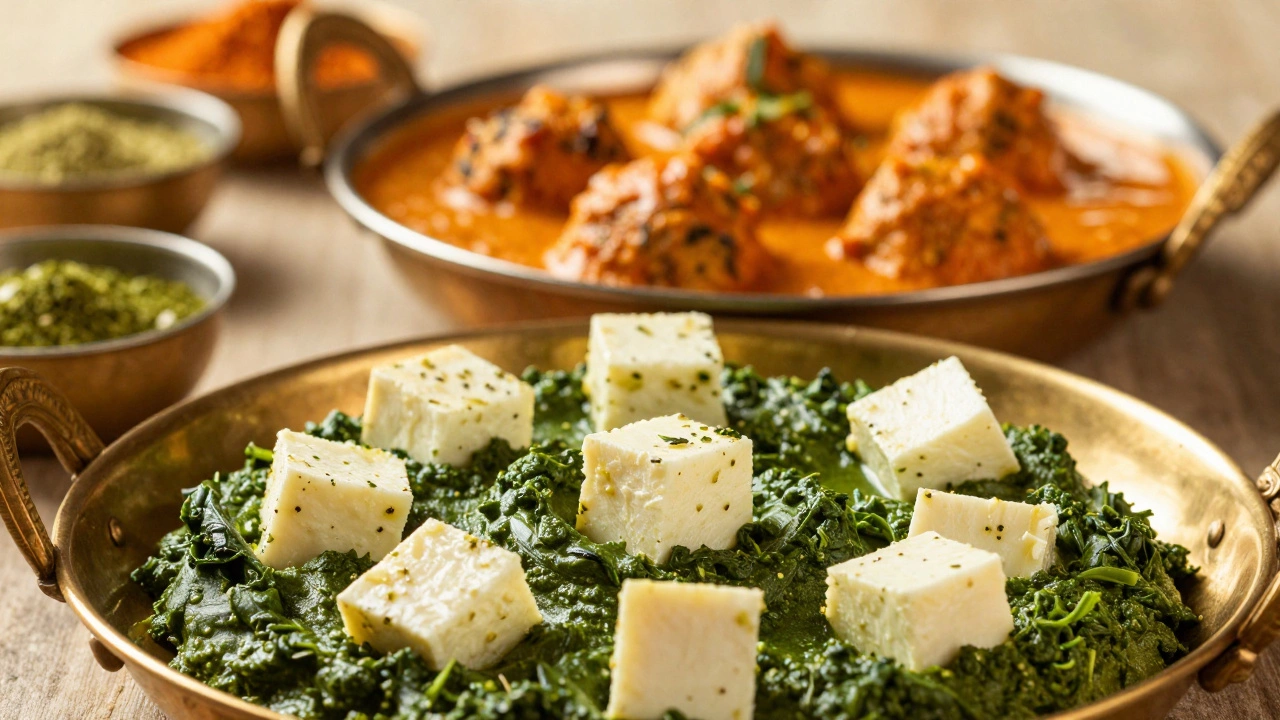
If you skip the pressing step, your paneer will be soft and difficult to cube. For dishes like Palak Paneer or Paneer Tikka, you want it firm enough to hold its structure against high heat.
How to Make Malai Paneer (The Creamy Version)
Malai paneer is trickier because cream is less forgiving than milk. If you treat it exactly like regular paneer, you might end up with dry, crumbly bits instead of a soft block. The key here is gentleness and fat retention.
- Gather the malai: Boil 1 liter of full-fat milk and let it cool overnight in the fridge. A thick layer of cream will form on top. Skim this off carefully. This is your malai.
- Heat the cream: Put the scraped cream into a non-stick pan. Heat it on low-medium flame. Do not let it boil vigorously; just warm it until it starts to simmer.
- Curdle gently: Add 1 tablespoon of lemon juice or vinegar. Stir very gently. The cream will start to separate. Unlike milk, the separation is slower and more subtle.
- Add richness (Optional but recommended): Many traditional recipes add a teaspoon of sugar or a knob of ghee at this stage. This enhances the sweetness and prevents the cheese from becoming too acidic.
- Strain and press lightly: Strain through a muslin cloth. Rinse briefly with cold water. Now, here is the crucial part: do not press it heavily. Wrap it loosely and let it rest for only 15-20 minutes. You want to remove excess whey, but keep the moisture that gives it that creamy mouthfeel.
If you press Malai paneer too hard, it loses its signature tenderness. It should feel like a soft sponge, not a brick.
When to Use Which Cheese?
Knowing the difference isn’t just academic-it saves your dinner. Using the wrong cheese can ruin the texture of a dish. Here is how to choose based on what you are cooking.
- Use Regular Paneer for:
- Paneer Tikka: Needs to withstand marination and high-heat grilling without falling apart.
- Palak Paneer: The cubes need to stay distinct amidst the spinach puree.
- Stir-fries (Matar Paneer): Requires a bite that contrasts with soft peas and sauce.
- Fried snacks: Like Pakoras or cutlets where structural integrity is key.
- Use Malai Paneer for:
- Kheer or Payasam: The rice pudding benefits from the melting, rich texture.
- Malai Kofta: These dumplings are stuffed with mashed Malai paneer because it binds well and stays moist inside the gravy.
- Rich Curries: Dishes like Shahi Paneer or Butter Paneer where the cheese is meant to blend into the sauce rather than stand out as a chunk.
- Desserts: Rasgulla or Ras Malai variants often use softer, sweeter paneer bases.
Imagine trying to grill a ball of Malai paneer. It would likely melt into a puddle on the skewer. Conversely, imagine putting firm, rubbery regular paneer into a delicate, silky dessert soup. It would feel tough and unpleasant. Matching the cheese to the cooking method is essential.
Storage and Shelf Life
Because Malai paneer has higher fat content and less preservative structure (due to lower protein density compared to firm paneer), it spoils faster. In my kitchen in Brighton, I find that regular paneer lasts comfortably for three days in an airtight container submerged in water (change the water daily). Malai paneer? Give it 24 hours max. After that, it starts to develop a sour tang that isn’t pleasant unless you plan to ferment it intentionally.
If you make too much, freeze it. Regular paneer freezes well but becomes more crumbly upon thawing-perfect for curries, not for frying. Malai paneer does not freeze well at all; the texture breaks down completely, turning grainy. Make only what you need for the day if you go the Malai route.
Common Mistakes to Avoid
I’ve made these errors myself, and they are easy to fix once you know what to watch for.
- Using low-fat milk: Never try to make paneer with 1% or skim milk. You will get almost no yield. Full-fat is non-negotiable for good texture.
- Over-acidifying: Adding too much lemon juice makes the cheese taste sour. Add it gradually, drop by drop, once the milk is off the heat.
- Skipping the rinse: Rinsing the curds under cold water is vital. It washes away the residual acid and stops the curds from continuing to tighten up in the hot cloth.
- Pressing Malai paneer too long: Remember, Malai paneer is about moisture. Heavy weights are your enemy here.
Can You Substitute One for the Other?
In a pinch, yes, but with caveats. If a recipe calls for Malai paneer and you only have regular paneer, mash the regular paneer thoroughly with a spoon and mix in a tablespoon of cream or butter. This mimics the fat content and softness somewhat. It won’t be perfect, but it will work for things like koftas or stuffed parathas.
If a recipe calls for regular paneer and you only have Malai paneer, you are in trouble for frying or grilling. However, for curries, you can use it, but reduce the amount of oil or butter in the gravy since the cheese itself will release fat as it cooks. Be gentle when stirring so it doesn’t disintegrate completely.
Is Malai paneer healthier than regular paneer?
Not necessarily. While regular paneer has more protein per gram because it contains less fat, Malai paneer is higher in calories due to its cream content. If you are watching your calorie intake, regular paneer is the better choice. However, Malai paneer provides healthy saturated fats that can be part of a balanced diet in moderation.
Why is my homemade paneer rubbery?
Rubbery paneer usually results from pressing it for too long or using too much acid. When you add lemon juice, the proteins contract tightly. If you then press it heavily for several hours, you squeeze out all the moisture, leaving a dense, rubber-like texture. Press for 30-60 minutes for standard use, and avoid over-agitating the curds during straining.
Can I buy Malai paneer in supermarkets?
In many Western countries, including the UK, finding pre-made Malai paneer in standard supermarkets is rare. You will mostly find regular paneer blocks. Some specialized Indian grocery stores may carry it, but it often has preservatives to extend shelf life, which affects taste. Making it at home ensures freshness and superior flavor.
What is the best milk for making paneer?
Full-fat cow’s milk is the gold standard. Goat’s milk can also be used and yields a slightly tangier, softer paneer. Avoid UHT (Ultra-High Temperature) processed milk if possible, as the proteins are already denatured, which can lead to lower yields and a grainier texture. Fresh pasteurized milk works best.
Does Malai paneer melt?
Unlike cheddar or mozzarella, neither paneer nor Malai paneer is designed to melt into a stringy goo. However, Malai paneer is soft enough to break down and blend into sauces, creating a creamy consistency. Regular paneer retains its shape even when boiled, which is why it’s preferred for dishes where you want distinct chunks of cheese.