Paneer Digestion & Gut Health Checker
How was the paneer made?
How is it being cooked and eaten?
Digestion Score
Result Analysis
...
Expert Tip for Better Digestion
...
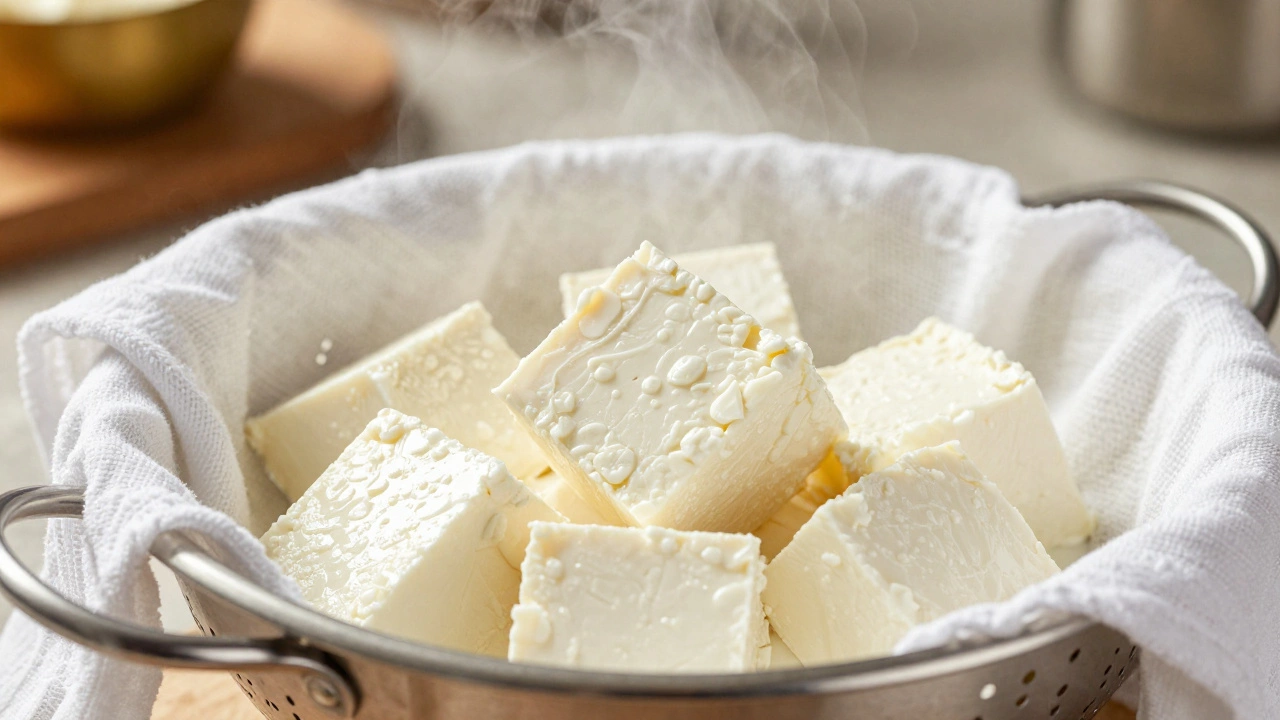
You just made a batch of fresh homemade paneer is a soft, non-melting Indian cottage cheese made by curdling milk with an acid like lemon juice or vinegar. It is a staple in vegetarian Indian cooking, prized for its mild flavor and spongy texture that absorbs spices beautifully. It looks perfect-white, fluffy cubes ready to be tossed into your favorite curry. But then you eat it, and instead of feeling satisfied, you feel heavy. Maybe even bloated. You start wondering: is this healthy ingredient actually hurting my gut?
The short answer is no, paneer itself isn't "bad" for your gut. In fact, for many people, it’s easier to digest than aged cheeses. However, the way you make it, what you pair it with, and your personal body chemistry play huge roles. If you’re experiencing discomfort, it’s rarely the paneer’s fault alone. Let’s break down why your stomach might be protesting and how to fix it without giving up your favorite ingredient.
Why Your Gut Might Hate Store-Bought Paneer
Before we blame the cheese, let’s look at where it comes from. Most store-bought paneer contains preservatives to extend shelf life. These additives can disrupt the delicate balance of bacteria in your digestive tract. Furthermore, commercial paneer is often processed at high temperatures or stored for days, which can alter its protein structure, making it slightly harder to break down.
Homemade paneer avoids these issues entirely. When you make it yourself, you control the heat and the ingredients. There are no gums, stabilizers, or artificial colors. Just milk and acid. This simplicity is generally better for digestion. If you’ve been eating store-bought versions and feeling sluggish, switching to homemade is often the first step toward relief.
The Case for Fermented Milk: Curd vs. Fresh Cheese
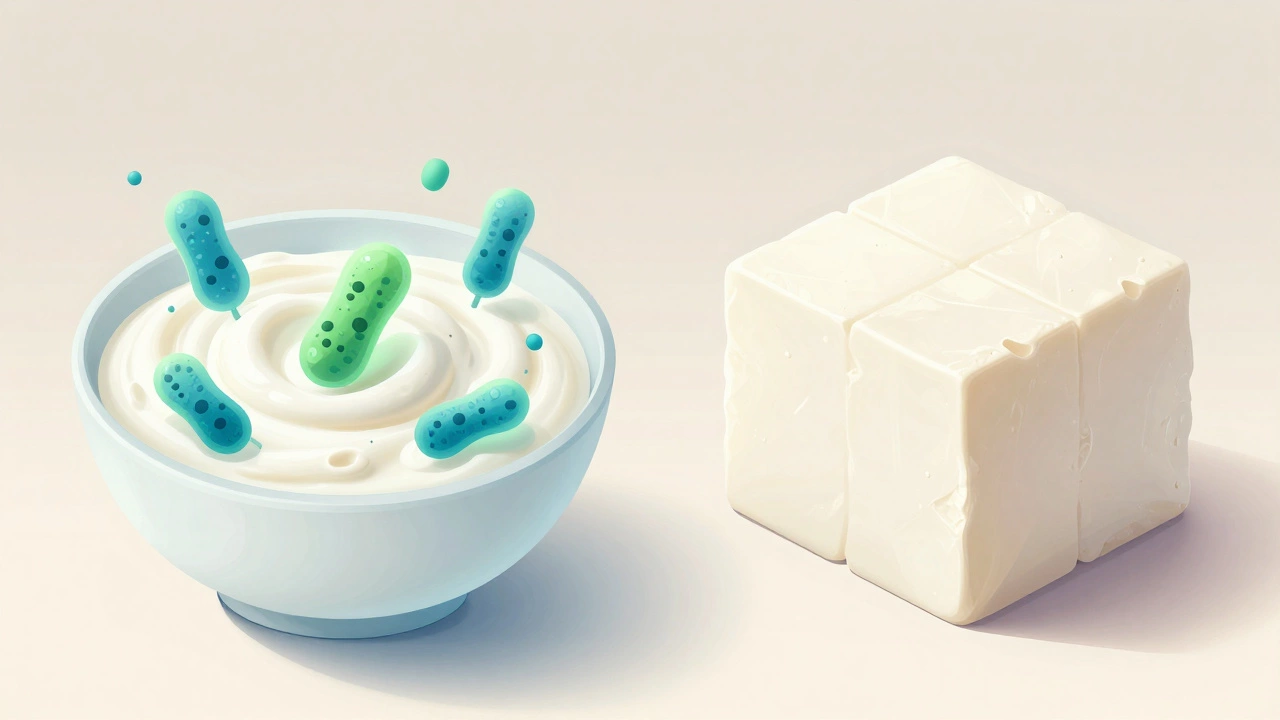
In Indian households, there’s a long-standing belief that fermented dairy products like curd (yogurt) is a fermented dairy product rich in live probiotic cultures that aid digestion. are superior for gut health compared to fresh cheeses like paneer. And scientifically, they have a point. Curd contains billions of active bacteria (probiotics) that help maintain a healthy microbiome. Paneer, being freshly curdled, does not contain these live cultures.
However, that doesn’t mean paneer is bad. It just means it serves a different purpose. Paneer is a source of high-quality protein and calcium. For someone with a sensitive gut, the lack of fermentation means less acidity, which can be gentler on conditions like acid reflux or gastritis. Think of it this way: curd is like adding new workers to your gut’s ecosystem, while paneer is like providing them with clean building materials. Both are useful, but they do different jobs.
| Dairy Product | Lactose Content | Probiotics | Ease of Digestion |
|---|---|---|---|
| Homemade Paneer | Low (most lactose stays in whey) | No | High (soft texture, low fat if skimmed) |
| Curd/Yogurt | Very Low (bacteria consume lactose) | Yes (high count) | Very High |
| Aged Cheddar/Gouda | Negligible | No | Moderate (harder protein matrix) |
The Lactose Question: Is Paneer Safe for Sensitive Stomachs?
One of the biggest myths about paneer is that it’s high in lactose. In reality, the process of making paneer removes most of the lactose. When you add lemon juice or vinegar to boiling milk, the proteins (casein) clump together to form the solid curds, while the liquid whey separates out. Lactose is water-soluble, meaning it stays in the whey. When you drain the whey, you’re draining away the majority of the sugar that causes gas and bloating in lactose-intolerant individuals.
So, if you can handle a small glass of milk but get gassy after a large meal, paneer might actually be a safer bet than drinking straight milk. However, individual tolerance varies. Some people are extremely sensitive and react to even trace amounts. If you suspect lactose is the culprit, try rinsing your homemade paneer under cold water after pressing it. This extra step washes away any residual whey clinging to the surface, further reducing lactose content.
Fat Content and Bloating: The Hidden Culprit
If you’re making paneer from full-fat milk, you’re also consuming a significant amount of saturated fat. Fat takes longer to leave the stomach than carbohydrates or proteins. This delayed gastric emptying can lead to that heavy, sluggish feeling after a meal. For some, this isn’t indigestion-it’s just slow digestion.
To make paneer friendlier for your gut, consider using semi-skimmed milk. You’ll still get the protein and calcium, but with less fat. Alternatively, don’t over-press the paneer. Over-pressing makes it dense and rubbery, which requires more mechanical work from your stomach to break down. Keep it soft and moist. Soft foods are generally easier on the digestive system.
How Cooking Methods Change Everything
The problem isn’t always the paneer; it’s how it’s cooked. Traditional Indian recipes often involve deep-frying paneer cubes before adding them to a gravy. Fried foods are notoriously hard to digest. They can cause inflammation in the gut lining and exacerbate bloating.
Try these gut-friendly cooking swaps:
- Sauté instead of fry: Use a minimal amount of oil to lightly brown the paneer. This adds flavor without the grease bomb effect.
- Steam or boil: Add paneer directly to simmering curries. It will absorb the flavors without needing pre-cooking.
- Use yogurt-based gravies: Instead of heavy cream-based sauces (which combine fat and dairy), use whisked yogurt. The probiotics in the yogurt complement the protein in the paneer.
Pairing Matters: What You Eat With Paneer
Your gut health is influenced by the entire meal, not just one ingredient. Paneer is often paired with heavy spices, onions, and tomatoes. While delicious, this combination can trigger heartburn or acidity in sensitive individuals.
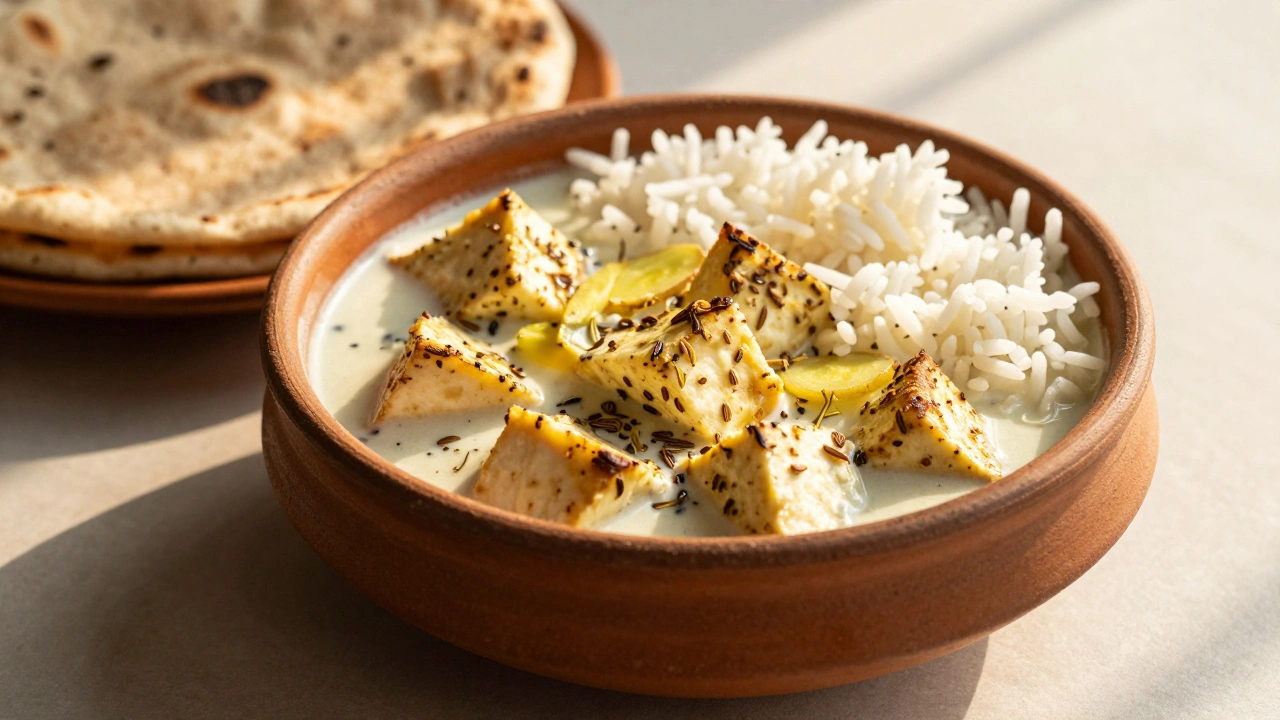
If you have a sensitive stomach, keep the spice level moderate. Avoid excessive chili powder or raw garlic. Instead, use digestive spices like cumin, fennel, and ginger. These spices have carminative properties, meaning they help reduce gas and soothe the digestive tract. Eating paneer with a side of plain rice or roti (whole wheat bread) can also buffer the acidity and make the meal easier to process.
When Paneer Might Actually Be Good for Your Gut
Believe it or not, paneer can support gut health in specific scenarios. Its high protein content helps repair the intestinal lining. If you’re recovering from a gastrointestinal illness, the soft texture of homemade paneer provides easy-to-digest nutrients without irritating the stomach. It’s a gentle source of energy when your body needs rest.
Additionally, for those who avoid soy or gluten, paneer offers a complete protein alternative that doesn’t carry the same inflammatory risks as some processed meat substitutes. It’s a clean, simple food. As long as you listen to your body, it can be part of a balanced, gut-friendly diet.
Signs You Should Cut Back
Everyone’s body is different. While paneer is generally safe, pay attention to these signs that it might not agree with you:
- Persistent bloating within two hours of eating.
- Increased gas or flatulence.
- Stomach cramps or pain.
- Changes in bowel movements (diarrhea or constipation).
Can I eat paneer every day for gut health?
Eating paneer daily is fine for most people, but variety is key for gut health. Relying solely on one protein source can limit the diversity of nutrients your gut bacteria feed on. Rotate paneer with lentils, chickpeas, and tofu to ensure a balanced microbiome.
Does homemade paneer have probiotics?
No, homemade paneer does not contain probiotics because it is not fermented. To get probiotics, you need to eat fermented foods like yogurt, kefir, kimchi, or sauerkraut alongside your paneer meals.
Is paneer harder to digest than chicken?
Generally, no. Chicken breast is lean and easy to digest, but paneer is softer and contains less connective tissue. For many vegetarians, paneer is just as easy to digest as white fish or chicken, provided it is not fried.
Why does paneer make me bloated?
Bloating from paneer is usually due to three factors: high fat content slowing digestion, residual lactose if not drained well, or the spices/oil used in cooking rather than the paneer itself. Try making it with low-fat milk and avoiding deep-frying.
Should I rinse homemade paneer?
Yes, rinsing homemade paneer under cold water after pressing helps remove excess whey, which contains lactose. This makes it milder in taste and easier to digest for those with slight lactose sensitivity.