Lentil Safety & Digestion Checker
Select Your Health Profile
Check any conditions that apply to you.Ready to Check
Select your health conditions on the left to see if lentils are safe for you and how to prepare them.
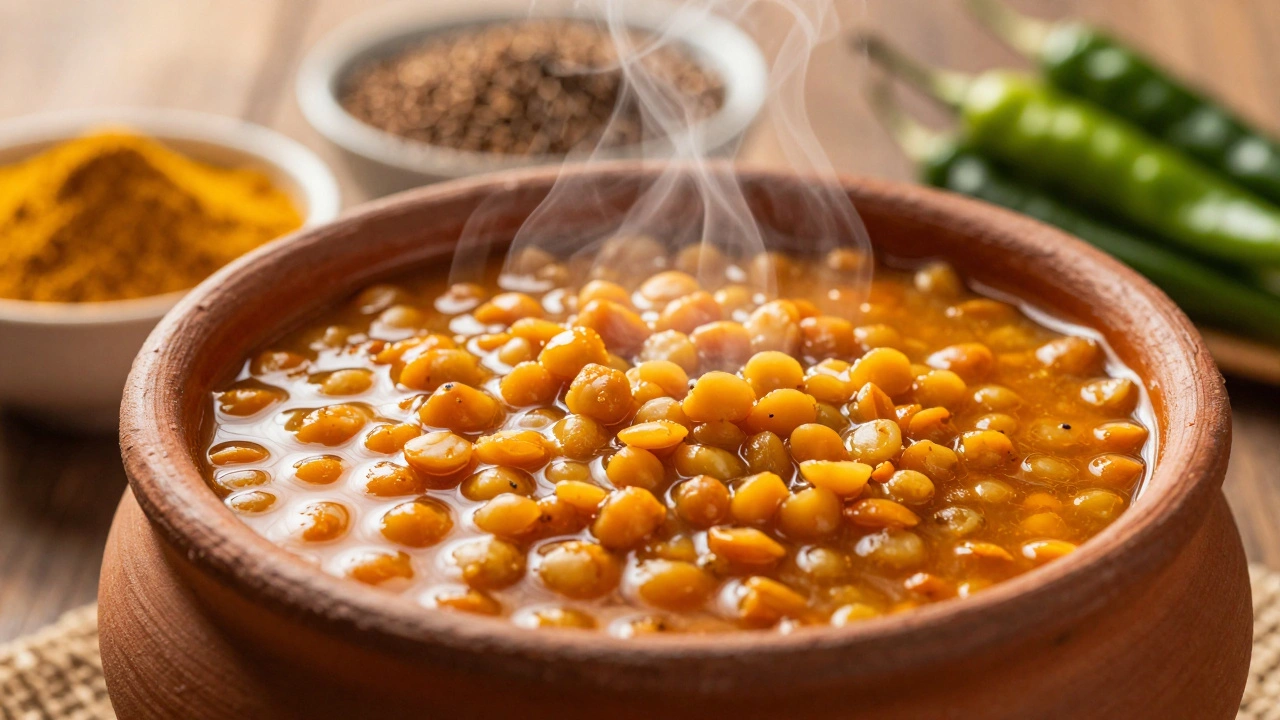
You probably know that lentils are nutrient-dense legumes packed with protein, fiber, and iron. They are a staple in Indian cuisine, often served as dal, and loved for their affordability and health benefits. But here is the twist: eating them wrong can cause serious discomfort or even health risks. While most people enjoy a bowl of masoor dal without a second thought, there are specific times and conditions when you should skip the pot.
If you have ever felt bloated after a heavy meal of rajma chawal or experienced sharp stomach pain after trying a new recipe, you aren't alone. The issue isn't always the lentil itself, but how it is prepared, who is eating it, and what else is on your plate. Understanding these nuances can save you from unnecessary gas, nutrient deficiencies, and digestive distress.
The Gas Factor: Why Lentils Bloat Some People
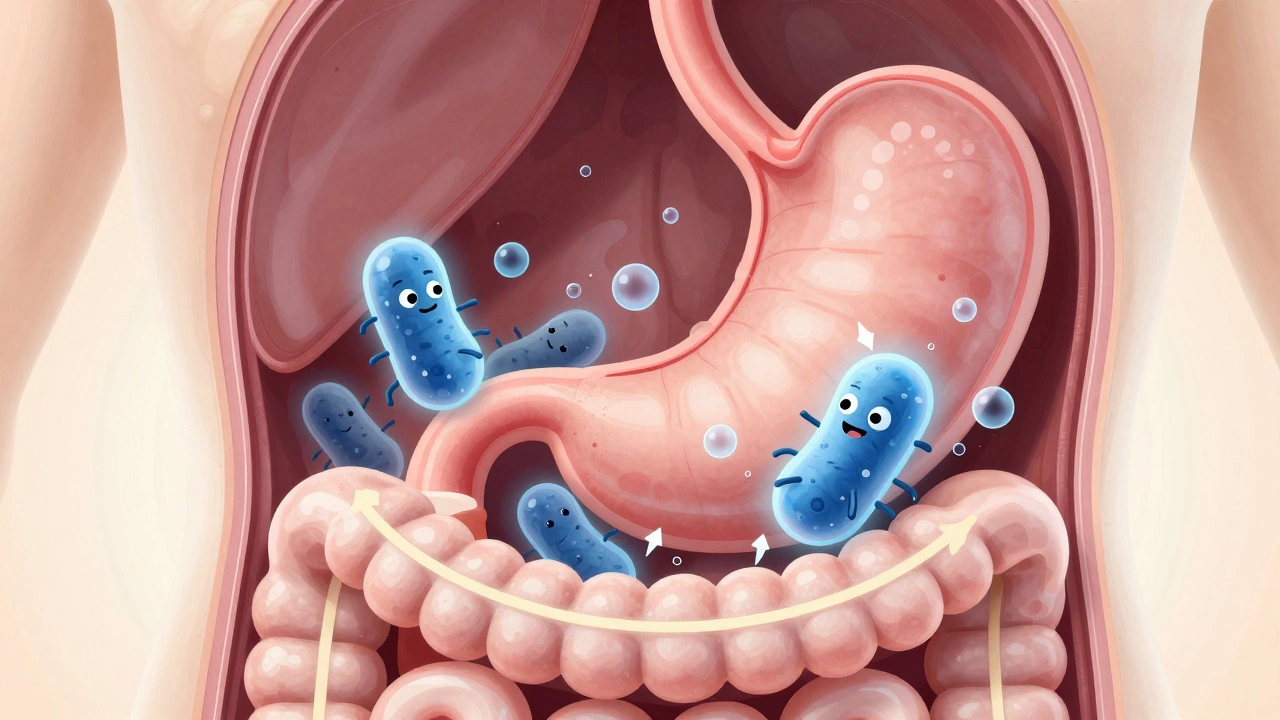
The most common reason people ask if they should stop eating lentils is gas. It is the elephant in the room. Lentils contain complex carbohydrates called oligosaccharides, specifically raffinose and stachyose. Your small intestine lacks the enzyme alpha-galactosidase needed to break these down. When they reach your large intestine intact, gut bacteria ferment them, producing hydrogen, methane, and carbon dioxide. This fermentation process causes bloating, flatulence, and abdominal cramps.
This is particularly problematic for individuals with Irritable Bowel Syndrome (IBS) or those following a low-FODMAP diet. For these groups, red lentils (masoor dal) and brown lentils are high-FODMAP foods. If you have IBS-D (diarrhea-predominant), eating a standard serving of cooked lentils can trigger a flare-up within hours. In this case, you should not eat lentils during active flare-ups. Instead, stick to small portions of split yellow lentils (toor dal) which are lower in FODMAPs, or avoid them entirely until your gut heals.
However, this doesn't mean you must banish dal forever. The key lies in preparation. Soaking lentils overnight and discarding the water removes up to 50% of these indigestible sugars. Adding spices like asafoetida (hing) and cumin seeds during cooking also aids digestion by stimulating bile production. If you skip these steps, you are essentially inviting a battle with your own microbiome.
Kidney Stones and Oxalate Concerns
If you suffer from kidney stones, specifically calcium oxalate stones, you need to be cautious with certain types of lentils. Lentils contain moderate levels of oxalates, natural compounds found in many plants. When you consume high-oxalate foods, your body excretes excess oxalate through urine. If you drink insufficient water, oxalate can bind with calcium in your kidneys, forming crystals that grow into painful stones.
While lentils are not as high in oxalates as spinach or beet greens, they are not negligible. A single cup of cooked lentils contains roughly 30-40 mg of oxalates. For someone prone to stones, this adds up quickly, especially if paired with other high-oxalate vegetables like okra or eggplant in a mixed curry. If you have a history of calcium oxalate stones, you should limit lentil intake to small, occasional servings rather than daily consumption. Always pair lentil meals with adequate hydration to help flush out oxalates before they crystallize.
Interestingly, soaking and boiling lentils significantly reduces their oxalate content because oxalates are water-soluble. By changing your cooking method, you can mitigate this risk. However, if you are in an acute phase of stone formation, it is wise to pause lentil consumption until your urologist clears you.
Gout and Purine Sensitivity
Lentils are plant-based sources of purines, compounds that break down into uric acid in the body. High levels of uric acid can lead to gout, a form of arthritis characterized by sudden, severe attacks of pain, swelling, and redness in joints, often the big toe. Historically, dietary advice strictly limited all purine-rich foods for gout sufferers. However, recent research suggests that plant-based purines may not increase gout risk as much as animal-based purines (like red meat or organ meats).
Despite this nuance, individuals with active gout flares should still exercise caution. During a flare, inflammation is high, and adding any potential trigger, including lentils, can prolong recovery. If you have chronic gout but are currently stable, moderate consumption of lentils is generally safe and even beneficial due to their anti-inflammatory properties. The key is moderation. Do not load up on large bowls of thick dal during a flare-up. Stick to smaller portions and ensure you are drinking plenty of water to help your kidneys process uric acid efficiently.
Anti-Nutrients and Mineral Absorption
Lentils contain phytic acid, often labeled as an "anti-nutrient." Phytic acid binds to minerals like iron, zinc, calcium, and magnesium in your digestive tract, preventing your body from absorbing them. This is a significant concern for individuals with existing mineral deficiencies, such as iron-deficiency anemia or zinc deficiency. If you rely on lentils as your primary source of protein and minerals without addressing phytic acid, you might inadvertently worsen your deficiency.
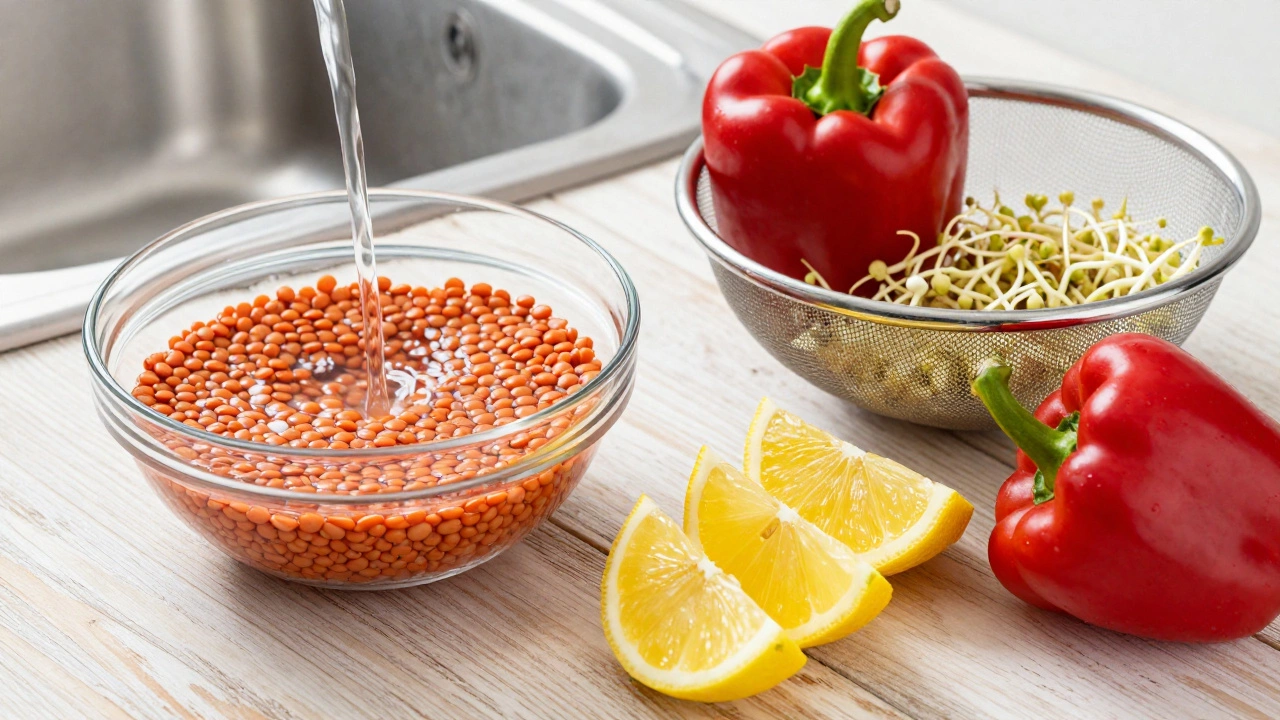
This is particularly relevant for vegetarians and vegans who depend on plant-based proteins. A study published in the *Journal of Nutrition* highlighted that while lentils are rich in iron, the bioavailability of this iron is low due to phytates. To counteract this, you should never eat lentils in isolation. Pair them with vitamin C-rich foods like tomatoes, lemons, or bell peppers. Vitamin C enhances non-heme iron absorption by reducing phytic acid's binding effect. Additionally, sprouting lentils before cooking can reduce phytic acid levels by up to 50%, making the minerals more accessible to your body.
If you have a diagnosed mineral deficiency, consult your doctor before making lentils a daily staple. You may need to supplement or adjust your diet to ensure you are getting enough absorbable nutrients. Ignoring anti-nutrients can turn a healthy food into a hidden obstacle for your health.
Thyroid Function and Goitrogens
Lentils, like many legumes, contain goitrogens, substances that can interfere with thyroid function by inhibiting iodine uptake. The thyroid gland needs iodine to produce hormones that regulate metabolism. If you have hypothyroidism (underactive thyroid) and are already deficient in iodine, consuming large amounts of raw or undercooked lentils could potentially exacerbate your condition, leading to fatigue, weight gain, and cold intolerance.
However, this risk is largely overstated for most people. Cooking destroys most goitrogenic compounds in lentils. As long as you cook your dal thoroughly, the goitrogen content becomes negligible. The real danger arises if you eat lentils raw or undercooked, which is rare in traditional Indian cooking but possible in modern salads or sprouted mixes. If you have thyroid issues, ensure your lentils are fully cooked and maintain adequate iodine intake through salt or seafood. Do not fear lentils, but do respect the cooking process.
Allergies and Cross-Reactivity
Lentil allergies are rare but serious. They fall under the category of seed storage protein allergies. Symptoms can range from mild oral itching and hives to severe anaphylaxis, characterized by difficulty breathing, swelling of the throat, and a drop in blood pressure. If you have a known allergy to lentils, you must avoid them completely. There is no safe amount for allergic individuals.
Cross-reactivity is another concern. People with pollen allergies, particularly grass pollen, may experience Oral Allergy Syndrome (OAS) when eating lentils. This happens because the proteins in lentils resemble those in certain pollens. Symptoms usually include itching or tingling in the mouth and throat shortly after eating raw or lightly cooked lentils. Cooking the lentils thoroughly denatures these proteins, often eliminating the reaction. If you suspect cross-reactivity, try eating well-cooked lentils in small amounts to see if symptoms persist. If they do, consult an allergist for proper testing and management.
| Health Condition | Reason to Avoid/Limit | Recommendation |
|---|---|---|
| Active IBS Flare | High FODMAPs cause gas/bloating | Avoid during flare; use small portions of split yellow lentils later |
| Kidney Stones (Calcium Oxalate) | Moderate oxalate content | Limit frequency; soak and boil to reduce oxalates; hydrate well |
| Active Gout Flare | Purines convert to uric acid | Avoid during flare; moderate intake when stable |
| Iron/Zinc Deficiency | Phytic acid blocks mineral absorption | Pair with Vitamin C; sprout lentils; don't rely solely on lentils for minerals |
| Lentil Allergy | Immune reaction to seed proteins | Strict avoidance required |
How to Make Lentils Safer and More Digestible
If you don't fall into the categories above but still struggle with digestion, you can modify your approach. First, always soak your lentils. Even split red lentils benefit from a quick 30-minute soak. Discard the soaking water and rinse thoroughly. This step removes soluble fibers and anti-nutrients that contribute to gas and mineral blockage.
Second, leverage spices. Indian cuisine has mastered the art of digesting legumes. Hing (asafoetida) is a game-changer. Just a pinch added to hot oil at the beginning of tempering releases sulfur compounds that soothe the gut lining and reduce gas. Cumin, fennel, and ginger are also powerful carminatives that aid digestion. Don't skip the tadka (tempering); it is not just for flavor, it is functional medicine in a pan.
Third, consider fermentation. Making dhokla or idli batter involves fermenting lentil and rice mixtures. Fermentation breaks down complex carbs and anti-nutrients, making the final product much easier to digest. If you find regular dal hard on your stomach, explore fermented lentil dishes. They offer the same nutritional benefits with significantly less digestive burden.
Finally, listen to your body. Food tolerance is highly individual. What works for your neighbor might bloat you. Keep a food diary to track how different types of lentils affect you. Red lentils are generally easier to digest than whole green or brown lentils. Start with small portions and gradually increase as your gut adapts. Patience and experimentation are key to enjoying lentils without the side effects.
Can I eat lentils every day?
For most healthy individuals, yes. Lentils are a nutritious addition to a daily diet. However, if you have digestive sensitivities, kidney issues, or gout, you should rotate them with other protein sources like chickpeas, beans, or tofu to avoid overloading your system with specific compounds like purines or oxalates.
Do lentils cause weight gain?
No, lentils do not directly cause weight gain. They are high in fiber and protein, which promote satiety and can actually aid in weight loss. However, traditional dal recipes often include ghee, cream, or excessive oil, which add calories. Focus on the preparation method rather than the lentil itself.
Are sprouted lentils better for digestion?
Yes. Sprouting activates enzymes that break down complex carbohydrates and anti-nutrients like phytic acid. This makes the nutrients more bioavailable and reduces the likelihood of gas and bloating compared to unsprouted lentils.
Which lentil is easiest to digest?
Split red lentils (masoor dal) and split yellow lentils (toor dal) are generally the easiest to digest because their outer skins are removed, reducing fiber content that can be hard on sensitive guts. Whole green or brown lentils retain their skins and are harder to digest.
Should I avoid lentils if I am pregnant?
No, lentils are excellent for pregnancy due to their folate, iron, and protein content. However, ensure they are thoroughly cooked to kill any potential bacteria like Listeria. Also, manage portion sizes to avoid excessive bloating, which is common during pregnancy.