Indian Breakfast Selector: Find Your Morning Meal
There is no single national breakfast in India. Use this tool to find the perfect dish based on your available time, dietary preferences, and desired comfort level.
Region:
Main Ingredients:
Cooking Method:
Taste Profile:
Serving Suggestion:
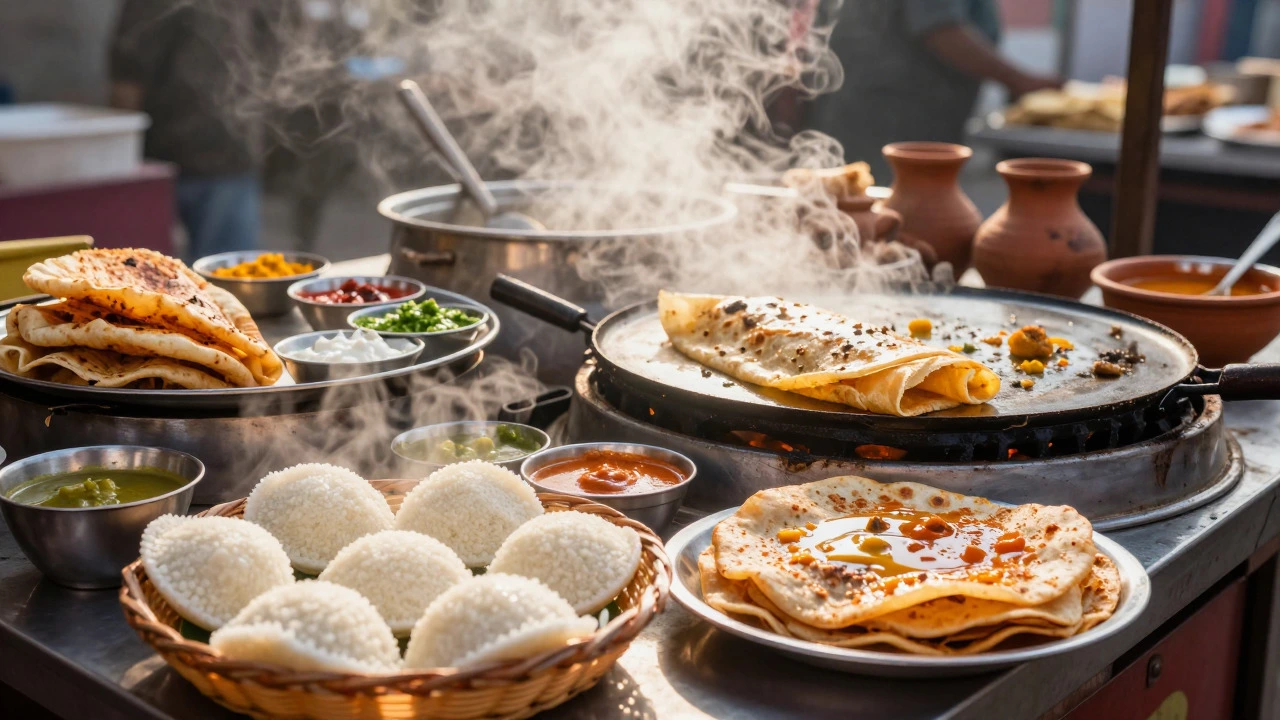
You walk into a restaurant in Mumbai and order a plate of spicy masala dosa. You fly to Delhi the next day and are handed a bowl of thick, savory aloo paratha with a dollop of white butter. Then you head to Kolkata, where everyone is eating steamed rice cakes called pitha. If you asked ten people what India's national breakfast is, you would get ten different answers. That is because there is no single "national" breakfast in India.
India is not just one country; it is a continent-sized tapestry of cultures, climates, and histories. A dish that works perfectly in the humid heat of Kerala might be too heavy for the dry winters of Punjab. Instead of one national dish, India has a collection of regional morning staples that define how millions start their day. Understanding these differences helps you navigate Indian cuisine like a local, whether you are cooking at home or traveling through the subcontinent.
The Fermented Powerhouse: Why South India Dominates the Conversation
If you ask anyone outside of India what Indian breakfast looks like, they will likely picture a crispy, golden-brown crepe filled with spiced potatoes. This is the dosa, and it is arguably the most famous Indian breakfast dish globally. But the dosa is just one part of a larger family of fermented foods that dominate the mornings in states like Tamil Nadu, Karnataka, Kerala, and Andhra Pradesh.
The magic here lies in fermentation. The batter for dosas, idli (steamed rice cakes), and vada (savory donuts) is made from a mix of rice and urad dal (black gram lentils). This mixture ferments overnight, which does two things. First, it makes the food easier to digest, which is crucial in hot climates where your body needs light energy. Second, it creates a distinct sour tang that pairs perfectly with coconut chutney and sambar (a lentil-based vegetable stew).
| Dish Name | Main Ingredients | Cooking Method | Texture/Taste Profile |
|---|---|---|---|
| Idli | Rice, Urad Dal | Steamed | Soft, spongy, mild flavor |
| Masala Dosa | Rice, Urad Dal, Potatoes, Spices | Grilled on flat pan | Crispy outside, soft inside, spicy filling |
| Medu Vada | Urad Dal, Green Chilies | Deep Fried | Crispy exterior, fluffy interior, spicy |
| Pongal | Rice, Moong Dal, Pepper, Cumin | Boiled/Simmered | Porridge-like, creamy, peppery |
These dishes are not just popular; they are efficient. In a fast-paced city like Bangalore, you can grab an idli and vada from a street cart for less than $0.50. They provide sustained energy without weighing you down. This efficiency is why South Indian breakfasts have become the default "Indian breakfast" in cafes worldwide, even if they represent only half the country's culinary habits.
The Wheat Belt: Hearty Grains of North India
Travel north of the Vindhyas mountain range, and the rice-centric diet shifts dramatically to wheat. In states like Punjab, Haryana, Uttar Pradesh, and Rajasthan, breakfast is heavier, richer, and often involves dairy. The climate here is cooler, especially in winter, so bodies need more calories to stay warm.
The undisputed king of North Indian breakfast is the paratha. This is a layered flatbread stuffed with fillings. The most common version is the aloo paratha, stuffed with mashed potatoes mixed with ginger, green chilies, and spices like cumin and coriander. It is fried on a griddle with ghee or oil until golden brown. You eat it with a side of plain yogurt (dahi) and pickles (achar). The yogurt cools the heat from the chilies, while the pickle adds a sharp, acidic crunch.
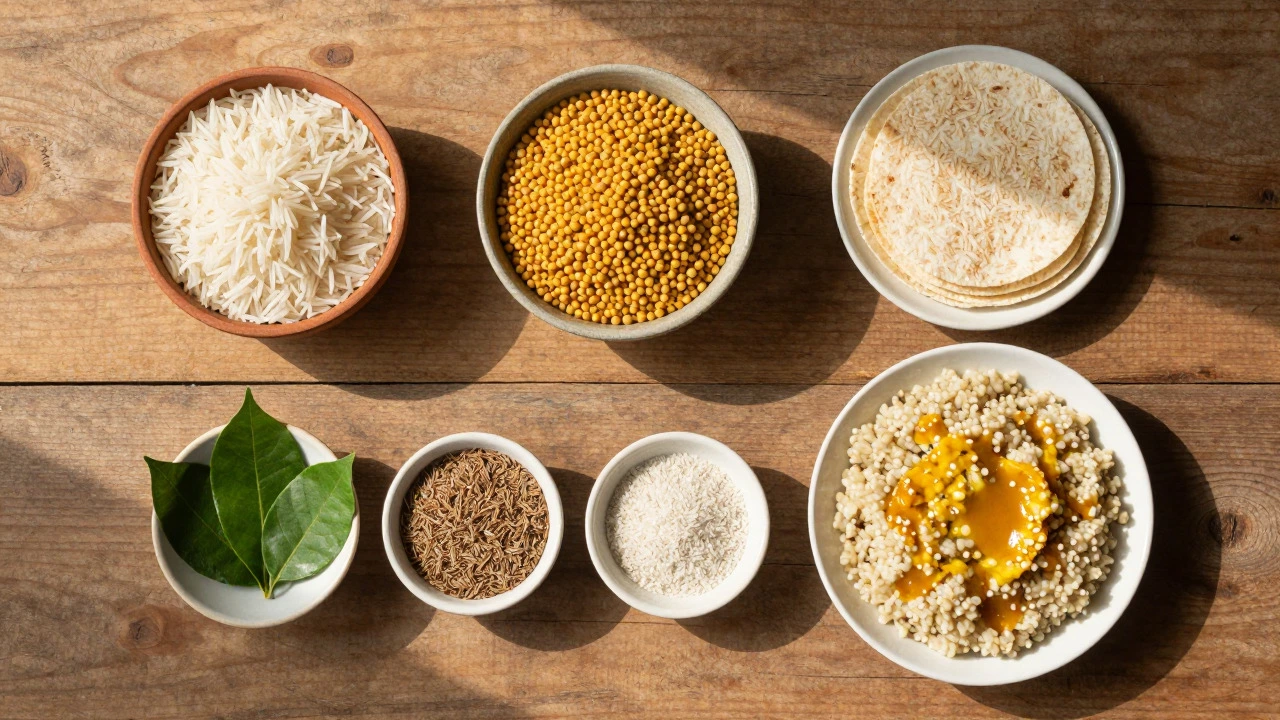
Another staple is poha, particularly in Maharashtra and Madhya Pradesh. Poha consists of flattened rice flakes that are lightly sautéed with mustard seeds, curry leaves, turmeric, onions, and peanuts. It is light, quick to prepare (under 10 minutes), and incredibly comforting. For those who prefer something sweet, jalebi-crispy, spiral-shaped sweets soaked in sugar syrup-are often paired with malpua (sweet pancakes) during festivals, but rarely eaten as a daily weekday breakfast due to the high sugar content.
Regional Variations: Beyond the North-South Divide
India’s geography dictates its menu. In the eastern states of West Bengal, Odisha, and Bihar, rice remains central, but the preparation differs from the south. Here, you will find chira (flattened rice) cooked with milk and sugar for a sweet porridge, or savory versions with vegetables. Luchi, which are deep-fried puffed breads, are served with aalu shorba (spicy potato curry). This combination is similar to the North Indian paratha but lighter in texture.
In the western state of Gujarat, breakfast is famously vegetarian and often includes a balance of sweet, salty, sour, and bitter flavors. A typical Gujarati breakfast might include thepla (thin flatbreads made with fenugreek leaves) or khichdi (a simple mix of rice and lentils cooked together). Khichdi is considered a comfort food, often eaten when someone is sick or needs easy digestion, but it is also a standard weekend morning meal across many parts of India.
In coastal Karnataka and Kerala, you might encounter appam, a lacy, bowl-shaped rice pancake served with stew (usually chicken or vegetable cooked in coconut milk). The appam is made by fermenting rice batter with yeast, giving it a unique airy texture that holds the stew perfectly. This reflects the strong influence of trade routes and Christian communities in the region, blending indigenous rice cultivation with colonial-era ingredients.
Why There Is No Single "National" Dish
The idea of a "national breakfast" implies a unified culture, which doesn't exist in India in the way it does in smaller nations. Several factors prevent any single dish from claiming this title:
- Climate Diversity: A heavy, ghee-laden paratha is perfect for a freezing morning in Shimla but unbearable in the humid heat of Chennai. Conversely, a light, fermented dosa is ideal for the tropics but might leave you hungry in the cold Himalayan foothills.
- Dietary Restrictions: While a large portion of the population is vegetarian due to Hindu, Jain, and Buddhist traditions, other regions consume eggs, fish, or meat for breakfast. In Kerala and Goa, egg bhurji (scrambled eggs with onions and tomatoes) is a common morning meal. In Muslim-majority areas, kebabs or biryani leftovers might appear on the breakfast table.
- Economic Factors: Street food like pani puri or chaat is affordable and accessible to all income levels, making it a de facto national snack, though not strictly a breakfast item. However, prepared meals like masala dosa require specific equipment (fermentation jars, tawa pans) that not every household possesses, leading to reliance on local eateries.
Instead of a single dish, India shares a pattern of breakfast consumption: a balance of carbohydrates (rice/wheat), protein (lentils/dairy/eggs), and hydration (tea/coffee). The execution varies wildly, but the nutritional goal remains consistent.
The Role of Beverages: Tea and Coffee Culture
No discussion of Indian breakfast is complete without mentioning the drinks that accompany it. Food provides the energy, but beverages provide the ritual.
Chai (tea) is ubiquitous. It is not just tea bags in hot water; it is black tea leaves boiled with milk, sugar, and spices like cardamom, ginger, and cloves. Chai is consumed everywhere, from luxury hotels to roadside stalls. It acts as a social lubricant and a digestive aid after heavy meals. In the north, chai is often thicker and sweeter, while in the south, it may be lighter and stronger.
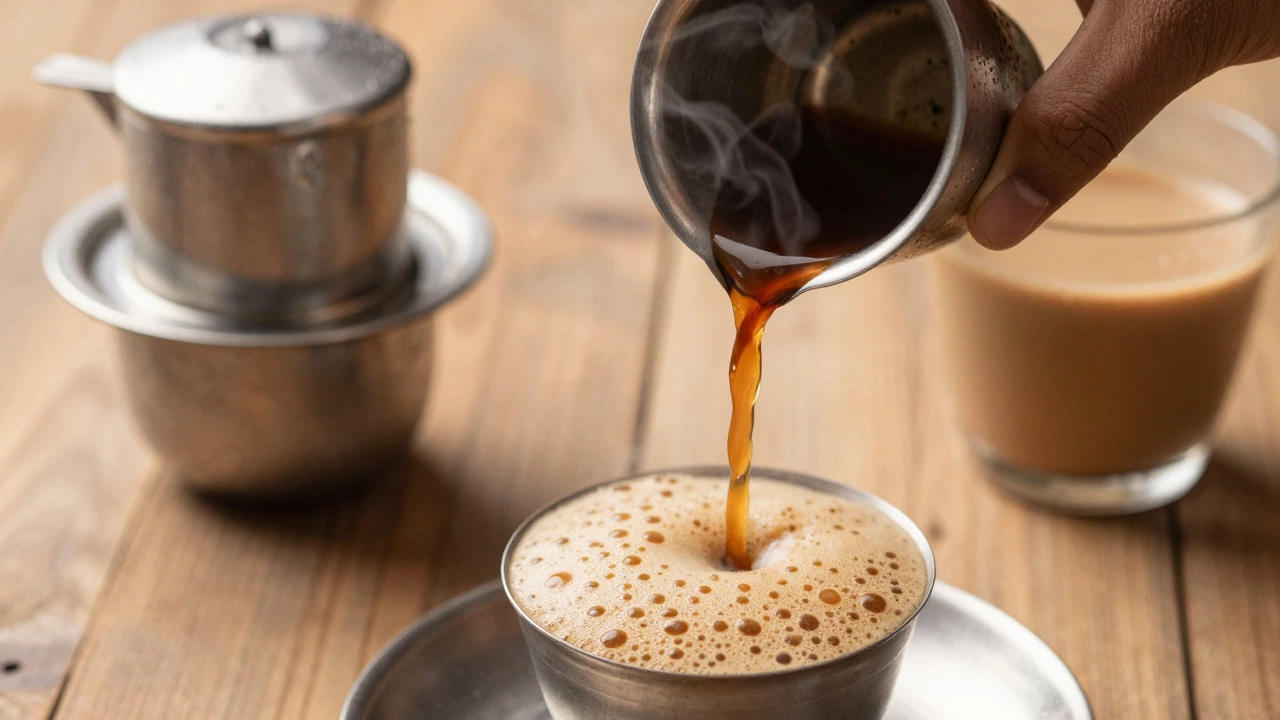
In South India, particularly in Karnataka and Tamil Nadu, coffee reigns supreme. Filter coffee is brewed using a traditional metal filter press. Strong coffee decoction is mixed with hot milk and sugar in a stainless steel tumbler and poured back and forth between the tumbler and a small plate (davara) to create foam and cool it slightly. This method aerates the coffee, enhancing its aroma and taste. Filter coffee is so integral to the region that it is often considered the primary reason people wake up early.
How to Choose What to Eat (Or Cook)
If you are trying to replicate an Indian breakfast at home, do not feel pressured to make "the" national dish. Instead, choose based on your available time and dietary preferences:
- For Speed (Under 15 Minutes): Make poha or upma (semolina porridge). Both use pre-cooked grains (flattened rice or semolina) that only need to be sautéed with spices and vegetables. They are forgiving, healthy, and require minimal prep.
- For Weekend Prep: Try making idli or dosa batter. It requires soaking rice and lentils, grinding them, and letting them ferment for 8-12 hours. Once the batter is ready, cooking individual portions takes minutes. You can freeze idlis and reheat them by steaming.
- For Comfort and Warmth: Cook khichdi or dal chawal (lentils and rice). These are one-pot meals that are soothing and nutritious. Add a spoon of ghee and some roasted jeera (cumin) powder for extra flavor.
- For a Hearty Meal: Make aloo paratha. The dough needs to rest, but the assembly is straightforward. Serve with yogurt to balance the richness.
Frequently Asked Questions
Is there an official national breakfast declared by the Indian government?
No, the Government of India has not declared any specific food item as the "national breakfast." India recognizes diversity in its cultural heritage, and food choices vary significantly by region, religion, and personal preference. While dishes like dosa and paratha are iconic, they remain regional favorites rather than official national symbols.
What is the most popular breakfast dish in India overall?
It is difficult to pinpoint a single most popular dish due to regional variations. However, chai is universally consumed. Among solid foods, poha and upma are extremely common across multiple states because they are quick to prepare and inexpensive. Parathas dominate the North, while idli and dosa are staples in the South.
Is Indian breakfast typically vegetarian?
The majority of traditional Indian breakfasts are vegetarian, influenced by Hindu, Jain, and Buddhist dietary practices. However, non-vegetarian options exist. In Kerala, Goa, and among Muslim communities, eggs, fish, or meat curries may be part of the morning meal. Egg bhurji and chicken stew are common examples.
Can I make dosa batter without fermentation?
Yes, instant dosa mixes are widely available and do not require fermentation. However, traditionally fermented batter offers better nutrition (due to increased B-vitamin content) and a distinct sour taste that instant mixes lack. For a healthier option, you can use a pressure cooker to speed up the fermentation process or add a pinch of vinegar to mimic the acidity.
What is the difference between chai and regular tea?
Chai refers specifically to the style of preparing black tea with milk, sugar, and aromatic spices like cardamom, ginger, cinnamon, or cloves. Regular tea usually implies steeping tea leaves in hot water without milk or spices. Indian chai is boiled, which extracts more flavor and creates a stronger, creamier beverage compared to Western-style brewing.
Is idli healthy?
Yes, idli is considered very healthy. It is steamed, meaning it contains no added fats or oils. The fermentation process breaks down complex carbohydrates and proteins, making it easier to digest and increasing the bioavailability of nutrients. It is low in calories and fat, making it an excellent choice for weight management and heart health.
What do Indians drink with breakfast?
The two most common beverages are chai (tea) and filter coffee. Chai is preferred across most of the country, while filter coffee is dominant in South India. Some people also drink buttermilk (chaas), which aids digestion, or fresh fruit juices depending on the season and region.