Vegetarian Type Selector
Discover how your dietary choices align with Indian cultural norms. In India, vegetarian definitions vary significantly based on region, religion, and personal beliefs.
Lacto-Vegetarian
Common in India 61% of Indians identify as lacto-vegetarian (dairy, no eggs). This is the most common definition in Indian households, restaurants, and schools. While scientifically eggs are vegetarian, cultural norms consider them non-vegetarian.
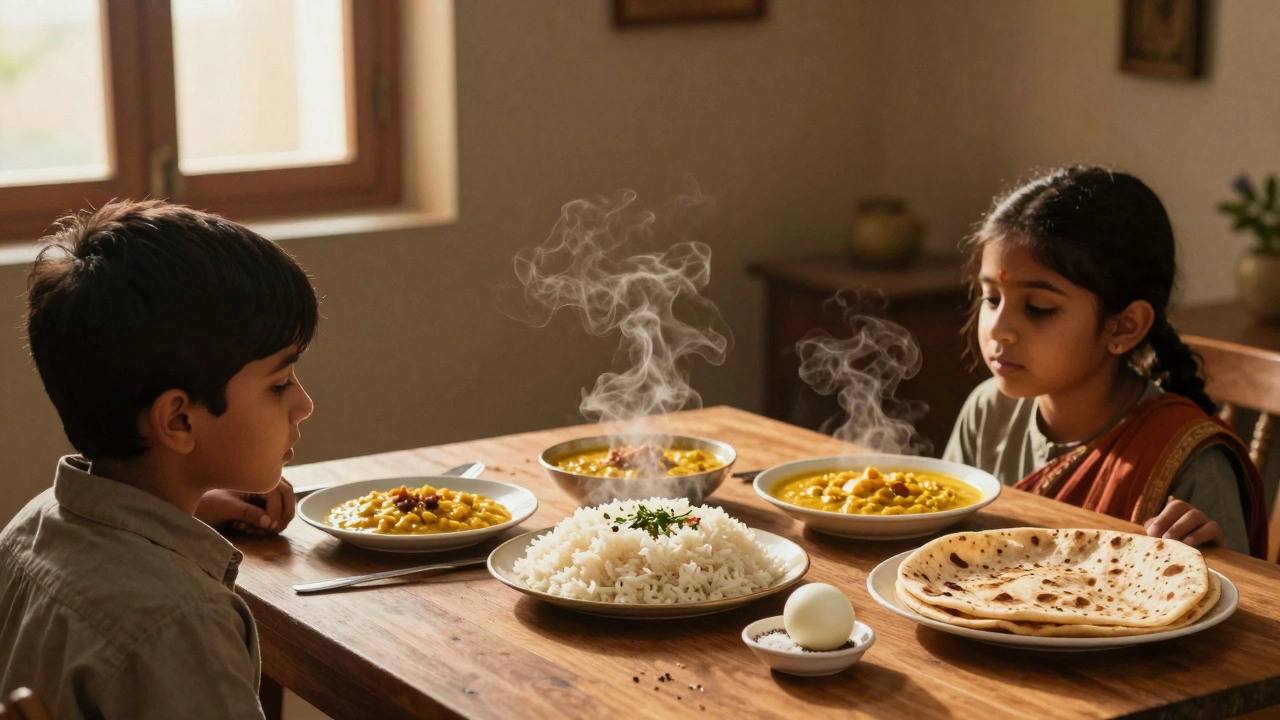
Example: Dal, rice, roti, and milk-based dishes like rasgulla or lassi.
For decades, the question eggs in India has sparked quiet debates at family dinners, temple kitchens, and grocery aisles. Is an egg vegetarian? Can a Hindu eat eggs? Does eating eggs break a fast? These aren’t just food questions-they’re cultural, religious, and personal ones. And the answer isn’t simple.
What Does ‘Vegetarian’ Really Mean in India?
In India, the word ‘vegetarian’ doesn’t mean the same thing it does in the U.S. or Europe. Here, if you say you’re vegetarian, people assume you eat no meat, no fish, no poultry-and no eggs. Even though eggs aren’t animal flesh, they’re grouped with meat in everyday understanding. This isn’t biology-it’s tradition.
According to a 2021 survey by the Indian Council of Medical Research, over 39% of Indians identify as vegetarian. Of those, nearly 85% avoid eggs entirely. That’s not because of a religious rule against eggs, but because of how the term is culturally defined. In homes, restaurants, and even school cafeterias, ‘veg’ means no egg. ‘Non-veg’ means anything with meat, fish, or egg.
Religious Views: Hinduism, Jainism, and Buddhism
Hinduism doesn’t have a single rule about eggs. The religion is diverse, with regional and caste-based practices shaping daily habits. Many Brahmins and Vaishnavas avoid eggs because they believe all life is sacred-including the potential for life inside an egg. Others, especially in coastal states like Kerala and West Bengal, eat eggs without guilt. In fact, egg curry is a staple in many Christian and Muslim households across India.
Jainism takes it further. Jains avoid not just meat and eggs, but also root vegetables like onions and potatoes because harvesting them kills the plant-and possibly tiny insects. Eggs, being potential life, are strictly avoided.
Buddhists in India, mostly from the Dalit and tribal communities, often eat eggs. For them, vegetarianism is about minimizing harm, not avoiding all animal products. Eggs are seen as a clean source of protein, especially where meat is expensive or hard to get.
Eggs as Nutrition in a Vegetarian Diet
India has one of the highest rates of protein deficiency in the world, especially among children and women. The average Indian consumes only 5 grams of protein per day-half the WHO recommendation. Rice, dal, and roti give carbs and some protein, but they lack key amino acids like methionine and lysine.
An egg has 6 grams of complete protein, plus vitamin B12, choline, iron, and vitamin D-all nutrients many vegetarians in India lack. In rural areas, where milk supply is inconsistent, eggs are often the only affordable source of high-quality protein. A single egg costs less than ₹5. A glass of milk costs ₹20-30.
Doctors in Tamil Nadu and Andhra Pradesh routinely recommend eggs to pregnant women and toddlers. The National Institute of Nutrition in Hyderabad has published guidelines saying eggs are safe and beneficial for vegetarians who choose to eat them.
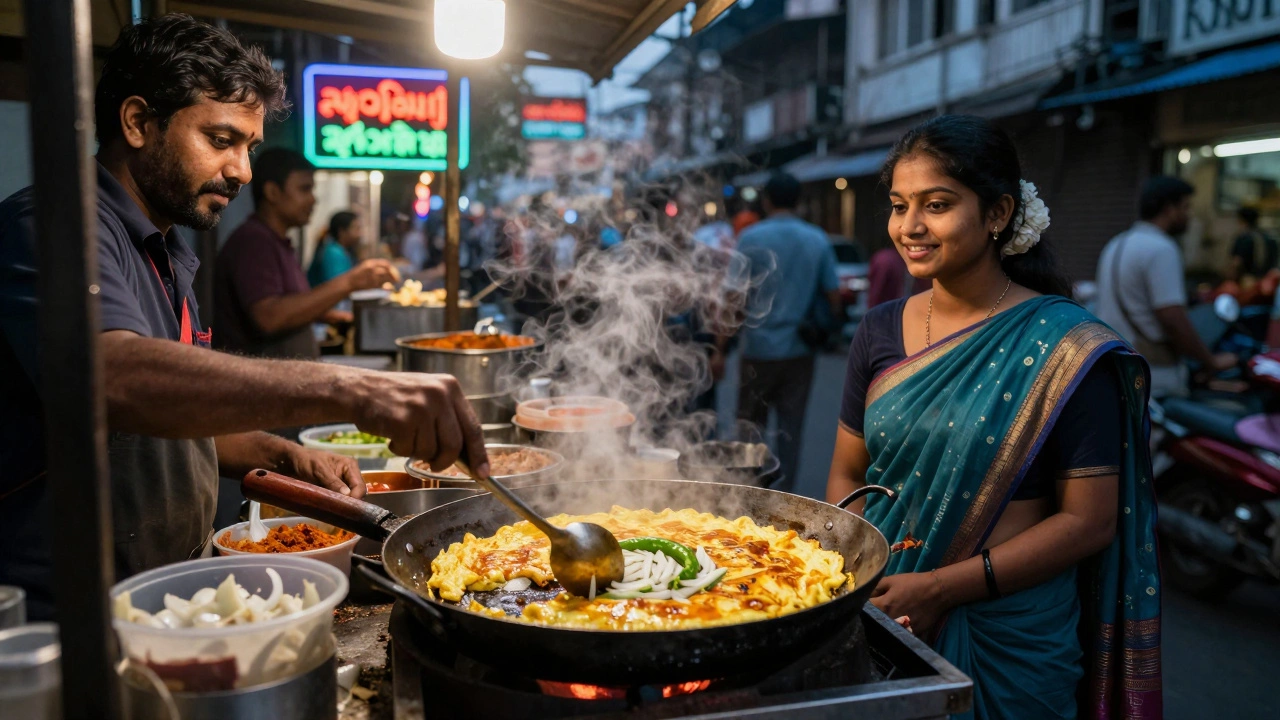
The Great Egg Divide: Urban vs. Rural, Rich vs. Poor
In Mumbai’s upscale neighborhoods, you’ll find vegan cafes serving plant-based ‘eggless’ mayo. But in a village in Odisha, a mother might boil two eggs for her child’s lunch because it’s the only way to keep them from getting sick.
Studies from the University of Delhi show that households earning under ₹15,000 per month are 3x more likely to include eggs in their diet than those earning over ₹50,000. Why? Because the rich can afford dairy, paneer, and imported protein powders. The poor rely on what’s cheap, local, and effective.
Even among vegetarians, there’s a growing group called ‘lacto-ovo vegetarians’-they eat dairy and eggs, but no meat. They’re mostly young professionals, students, and fitness enthusiasts. They don’t see eggs as meat. They see them as a tool for health.
What About Fasting and Religious Observances?
During Navratri, Ekadashi, or Maha Shivaratri, many Hindus fast. Some avoid all food. Others eat only fruits and milk. A large number also avoid eggs during these times-not because it’s written in scripture, but because it’s what their parents did, and their temple priest says so.
But here’s the twist: in some temples in Karnataka and Kerala, prasad includes boiled eggs. In fact, in the famous Guruvayur Temple, devotees offer eggs as part of their ritual. This isn’t common, but it happens. And no one is kicked out for eating it.
There’s no single Hindu text that bans eggs. The Manusmriti, often cited as a rulebook, doesn’t mention eggs at all. The idea that eggs are non-vegetarian is a modern social norm, not a religious law.
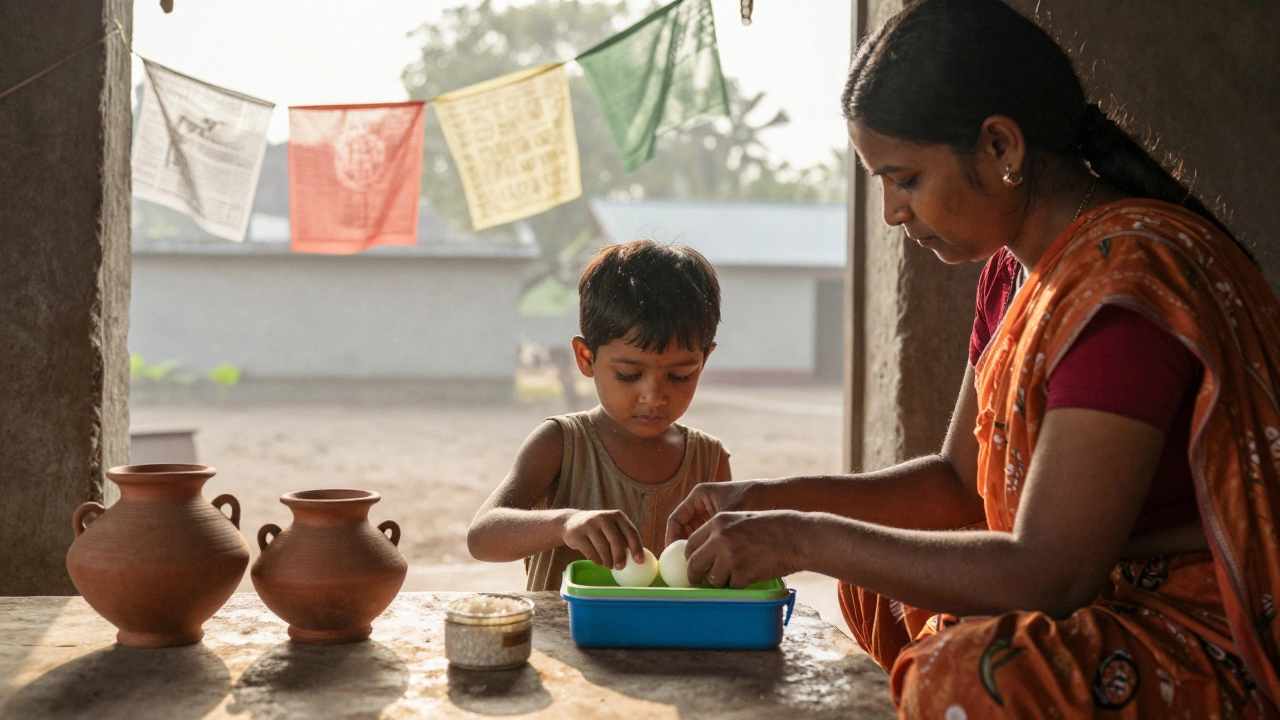
Can You Be a Vegetarian and Eat Eggs?
Yes. Absolutely.
If your definition of vegetarian is ‘no animal killed for food,’ then eggs are fine-unless they’re fertilized. Most eggs sold in India are unfertilized. No chick ever develops. The hen lays them naturally, whether or not a rooster is present.
Many global health organizations, including the WHO and FAO, classify eggs as vegetarian. The U.S. Department of Agriculture does too. Even the Vegetarian Society in the UK accepts eggs as vegetarian.
So if you’re eating eggs to stay healthy, to feed your kids, or because you enjoy the taste-there’s no religious or scientific reason to feel guilty.
How to Eat Eggs the Indian Way
India has its own egg traditions, far beyond scrambled eggs on toast.
- Egg curry in Kerala-boiled eggs simmered in coconut-based gravy with curry leaves and mustard seeds.
- Masala omelette in Mumbai-onion, tomato, green chili, and turmeric folded into fluffy eggs, served with pav.
- Boiled egg with salt and pepper in Bengal-eaten for breakfast with tea, often with a slice of bread.
- Egg bhurji across North India-scrambled with spices, tomatoes, and cilantro. A quick lunch for students and office workers.
- Chettinad egg roast in Tamil Nadu-hard-boiled eggs fried in a spicy black pepper and fennel paste.
These aren’t ‘non-vegetarian’ dishes. They’re Indian dishes. Made with local ingredients, cooked in family kitchens, passed down through generations.
Final Thought: It’s Your Choice
No one has the right to tell you what to eat based on your religion, caste, or region. If you’re vegetarian and choose to eat eggs, you’re still vegetarian. If you’re not vegetarian and avoid eggs for personal reasons, that’s valid too.
The real issue isn’t eggs. It’s judgment. People in India are tired of being policed over food. They want freedom-to eat what nourishes them, what they can afford, and what their body needs.
So go ahead. Have that egg. Boil it. Fry it. Make it into a curry. Eat it with rice. Eat it with roti. Eat it with joy.
It’s not breaking a rule. It’s following your own.