Indian Breakfast Health Analyzer
Build Your Meal
Select the components of your breakfast to see how balanced it is.
Health Score
Start Selecting
Choose a main dish to begin analyzing your breakfast balance.
Improvement Tip:
...
Most of us reach for the same old toast or sugary cereal because it’s fast. But if you are looking at healthy indian snacks and breakfast options, there is a whole world of food that actually keeps your energy stable instead of spiking it. The truth is, the "healthiest" thing isn't a single magic ingredient. It is a combination of fiber, protein, and healthy fats that stops you from craving junk by noon.
In India, breakfast traditions vary wildly from state to state. In the South, you might find fermented rice and lentil batters. In the North, wheat-based dishes dominate. The key to making these traditional foods work for modern health goals-like weight management or blood sugar control-is knowing which ingredients boost nutrition and which ones add empty calories.
The Golden Rule: Protein Plus Fiber
Before we look at specific dishes, let's talk about what makes a breakfast "healthy." If you eat only carbohydrates (like plain idli or white bread), your blood sugar shoots up and then crashes. That crash is what makes you tired and hungry two hours later.
To avoid this, every meal needs two things:
- Protein: This keeps you full. Think eggs, paneer, Greek yogurt, or lentils.
- Fiber: This slows down digestion. Think vegetables, oats, chia seeds, or whole grains.
When you combine these with a little bit of healthy fat (like nuts or avocado), you create a meal that lasts. Let's look at how this applies to popular Indian breakfast staples.
Top Healthy Indian Breakfast Choices
Here are some of the best options that fit the "protein plus fiber" rule. These are not just diet foods; they are delicious, traditional meals that happen to be incredibly nutritious.
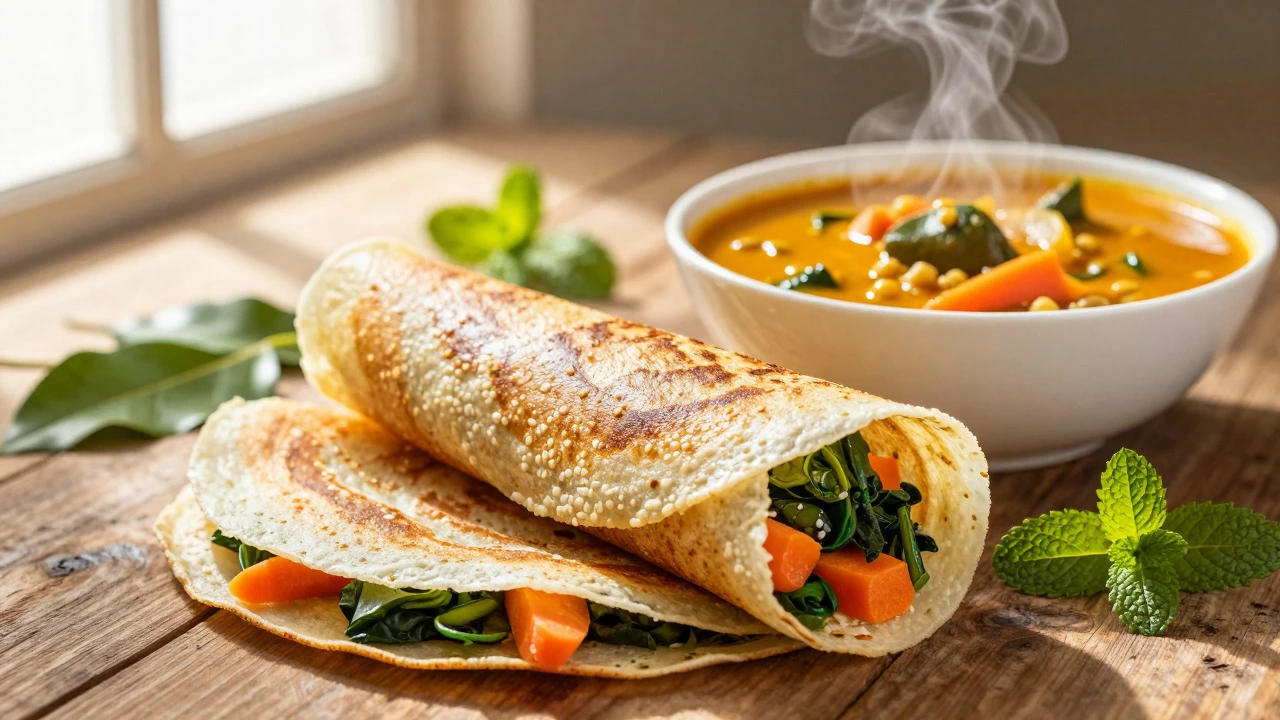
1. Vegetable Dosa with Sambar
Dosa is a thin, crispy pancake made from fermented rice and urad dal (black gram) batter. Also known as South Indian Crepe, it is a staple across southern India. Because the batter is fermented, it is easier to digest than regular rice cakes.
A plain dosa is mostly carbs. To make it healthy, you need to change how you eat it:
- Add vegetables inside: Spinach, carrots, and beans turn a carb-heavy meal into a balanced one.
- Serve with Sambar: This lentil-based vegetable stew adds significant protein and fiber.
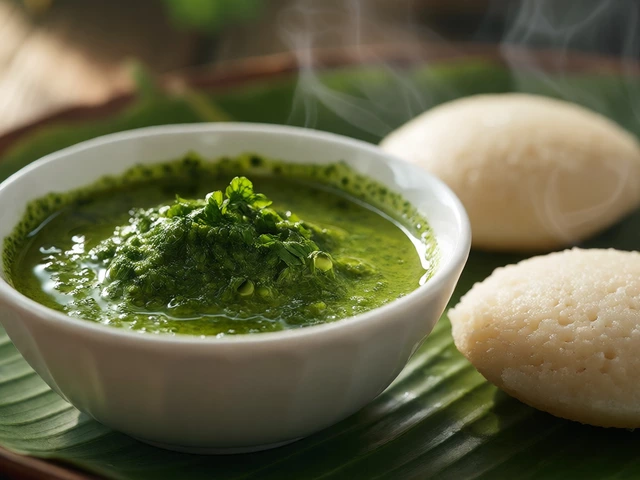
- Skip the coconut chutney if you are watching calories, or have just a small spoonful.
2. Moong Dal Chilla (Savory Pancakes)
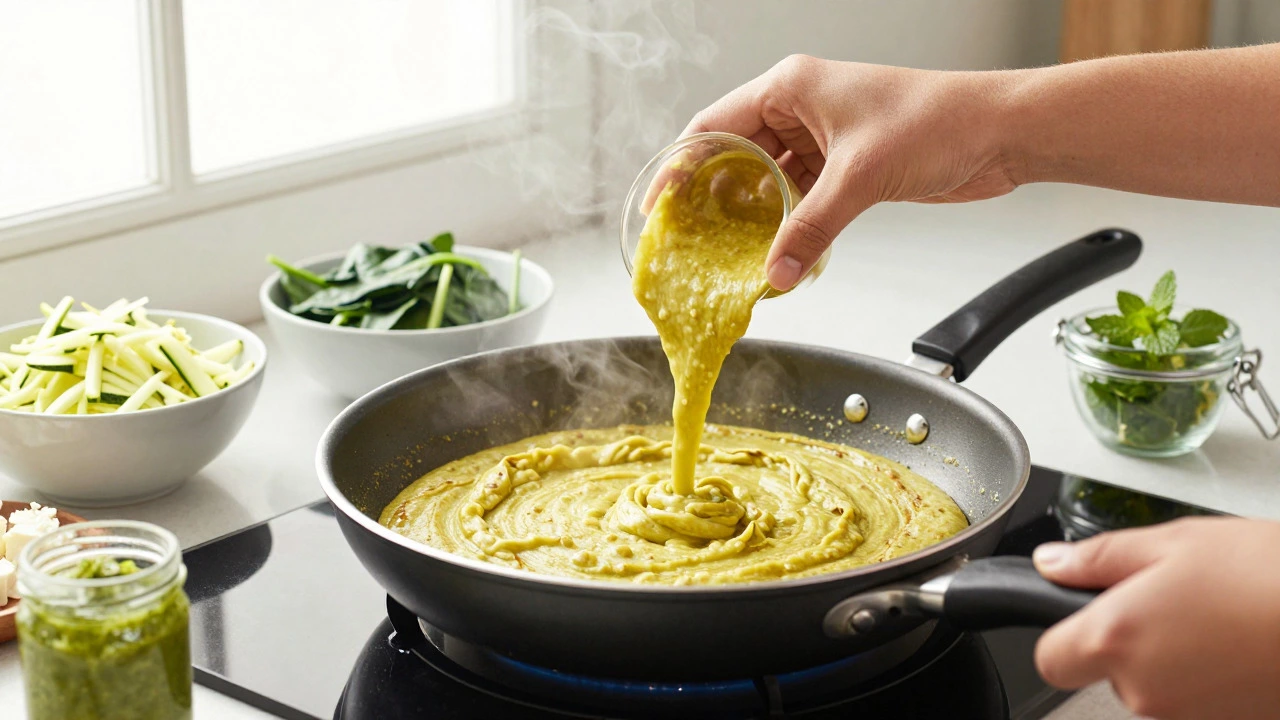
If you want something lighter than dosa, try Moong Dal Chilla. These are savory pancakes made from green gram (moong dal) paste. They are naturally gluten-free and packed with plant-based protein.
You can mix grated zucchini, finely chopped spinach, or even paneer crumbles into the batter. One medium chilla has about 10-12 grams of protein. Serve it with mint chutney for a refreshing kick. This is arguably one of the best healthy indian snacks for breakfast because it requires no oil to cook if you use a non-stick pan.
3. Upma with Lots of Vegetables
Upma is a savory porridge made from semolina (rava) or broken wheat (dalia). It is a quick breakfast option found in many Indian households.
Standard rava upma is often cooked with too much ghee and few vegetables. To fix this:
- Use Dalia (broken wheat) instead of fine semolina. Dalia has more fiber and a lower glycemic index.
- Load it with veggies: Peas, carrots, beans, and onions should make up half the volume.
- Add a side of curd (yogurt) or a boiled egg to boost the protein content.
4. Poha (Flattened Rice) with Sprouts
Poha is light on the stomach but can be calorie-dense if fried in too much oil. The secret to making it healthy is adding Sprouts. Adding sprouted moong or chana (chickpeas) to poha increases the protein and vitamin C content significantly. Use minimal oil and plenty of curry leaves and mustard seeds for flavor without extra calories.
Comparison of Popular Indian Breakfasts
| Food Item | Primary Carb Source | Protein Content | Fiber Level | Health Tip |
|---|---|---|---|---|
| Idli | Rice & Urad Dal | Medium | Low-Medium | Eat with sambar, not just chutney. |
| Poha | Flattened Rice | Low | Low | Add peanuts and sprouts for balance. |
| Paratha | Whole Wheat | Low (unless stuffed with paneer) | Medium | Avoid deep frying; use minimal oil. |
| Oats Upma | Oats | Medium | High | Best for heart health and cholesterol. |
| Egg Bhurji | Minimal (if eaten with roti) | Very High | Low | Serve with multigrain bread or salad. |
Foods to Limit or Avoid
Not all traditional breakfasts are created equal. Some items are delicious but can derail your health goals if eaten daily.
- Masala Dosa with Excess Oil: While dosa itself is okay, many street vendors fry them in large amounts of oil to make them crispy. This turns a moderate-carb meal into a high-fat bomb.
- Sweet Lassi
- Refined Flour Parathas
Quick Tips for a Balanced Morning Meal
You don't need to spend hours cooking to eat well. Here are simple swaps that make a big difference:
- Start with Water: Drink a glass of warm water with lemon before eating. It aids digestion and hydrates you after sleep.
- Add Nuts: Sprinkle almonds, walnuts, or flaxseeds on your oatmeal or yogurt. They provide omega-3 fatty acids and keep you full.
- Choose Whole Grains: Swap white bread for multigrain or jowar (sorghum) bread. Swap refined semolina for dalia or oats.
- Don't Skip Protein: If your main dish is carb-heavy (like poha or upma), always add a side of protein like curd, paneer, or an egg.
Sample Healthy Indian Breakfast Plans
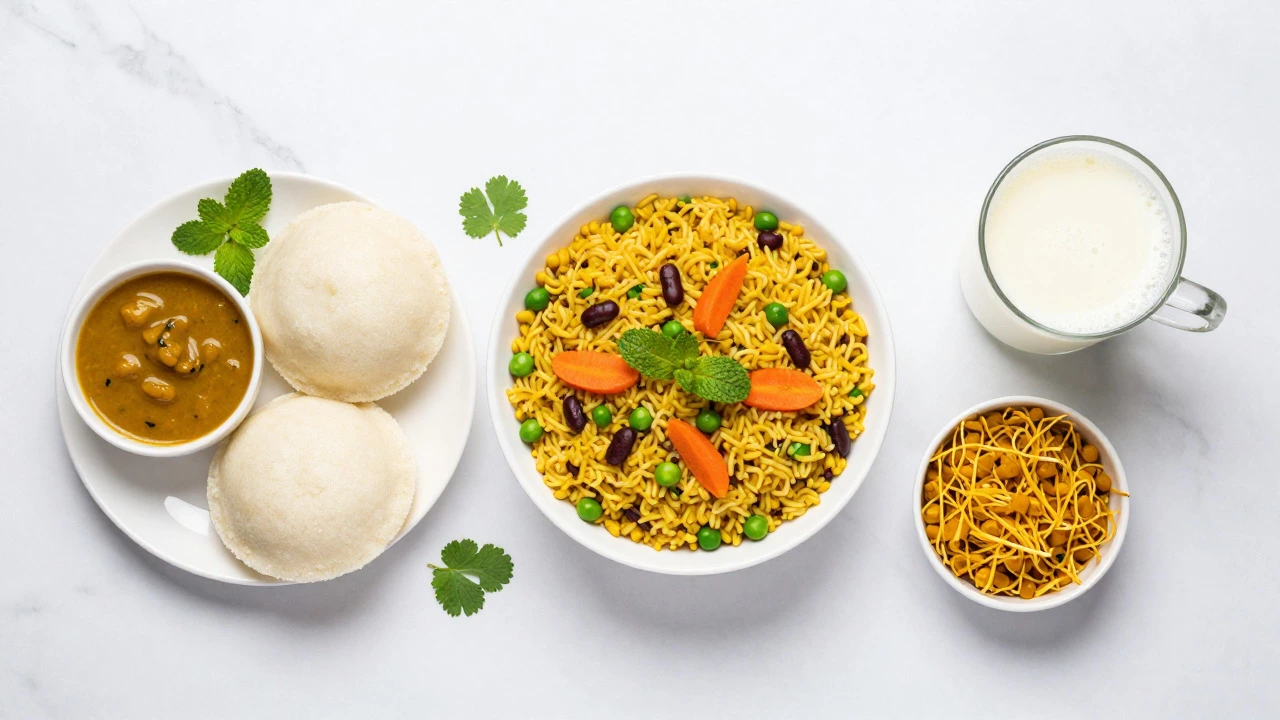
Here are three easy combinations you can rotate throughout the week:
Option 1: The High-Protein Start
Two egg bhurji served with one multigrain toast and a side of cucumber slices. This gives you 15g+ of protein and keeps you full until lunch.
Option 2: The Light & Digestible
One large vegetable dosa with a bowl of sambar and a small cup of mint chutney. The fermentation in dosa helps gut health, and sambar provides essential nutrients.
Option 3: The Quick Fix
Overnight oats made with almond milk, topped with chia seeds, sliced banana, and a dash of cinnamon. Prepare it the night before for a grab-and-go option.
Frequently Asked Questions
Is Idli healthier than Dosa?
Yes, generally idli is healthier. Idli is steamed, meaning it has no added oil or fat. Dosa is pan-fried and usually requires oil to crisp up. However, both are made from the same fermented batter, so their nutritional base is similar. The health difference comes from the cooking method and the accompaniments (sambar vs. oily chutneys).
Can I eat Poha every day for weight loss?
You can, but you need to modify the recipe. Traditional poha is low in protein and fiber. To make it suitable for daily weight loss, add sprouts, peanuts, and lots of vegetables. Reduce the oil used for tempering. Eating plain poha daily may lead to nutrient deficiencies and hunger pangs.
What is the best breakfast for diabetics in India?
Diabetics should focus on low-glycemic index foods. Good options include ragi (finger millet) mudde or dosa, moong dal chilla, and vegetable upma made with dalia. Avoid refined flour (maida) products and sugary drinks. Pairing carbs with protein (like curd or eggs) helps stabilize blood sugar levels.
Are Indian parathas healthy?
It depends on the preparation. Whole wheat parathas stuffed with vegetables or paneer can be part of a healthy diet. However, they are often cooked with significant amounts of ghee or oil. To make them healthier, dry roast them with minimal oil and serve with a large portion of salad or curd to balance the macronutrients.
How much protein should my breakfast have?
Aim for at least 15-20 grams of protein at breakfast. This amount helps maintain muscle mass and keeps you satiated. For example, two eggs provide about 12g of protein, while a cup of Greek yogurt provides around 15g. Combining smaller sources, like a chilla with paneer, can also reach this target.