Find Your Perfect Mild Indian Dish
Not sure what to order? Use this tool to find the gentlest flavors tailored to your preference for creaminess, lightness, or heartiness.
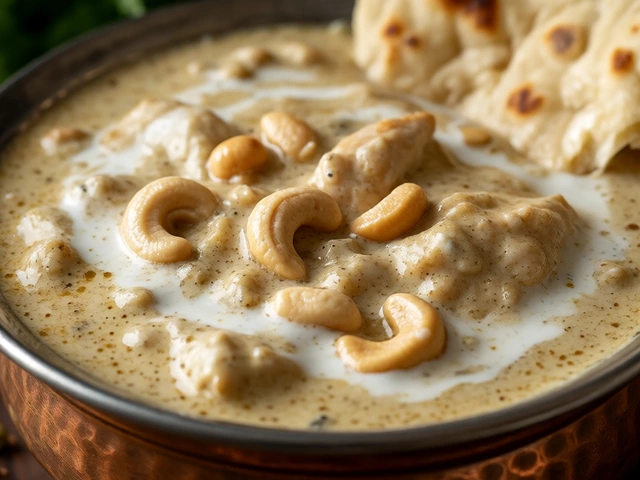
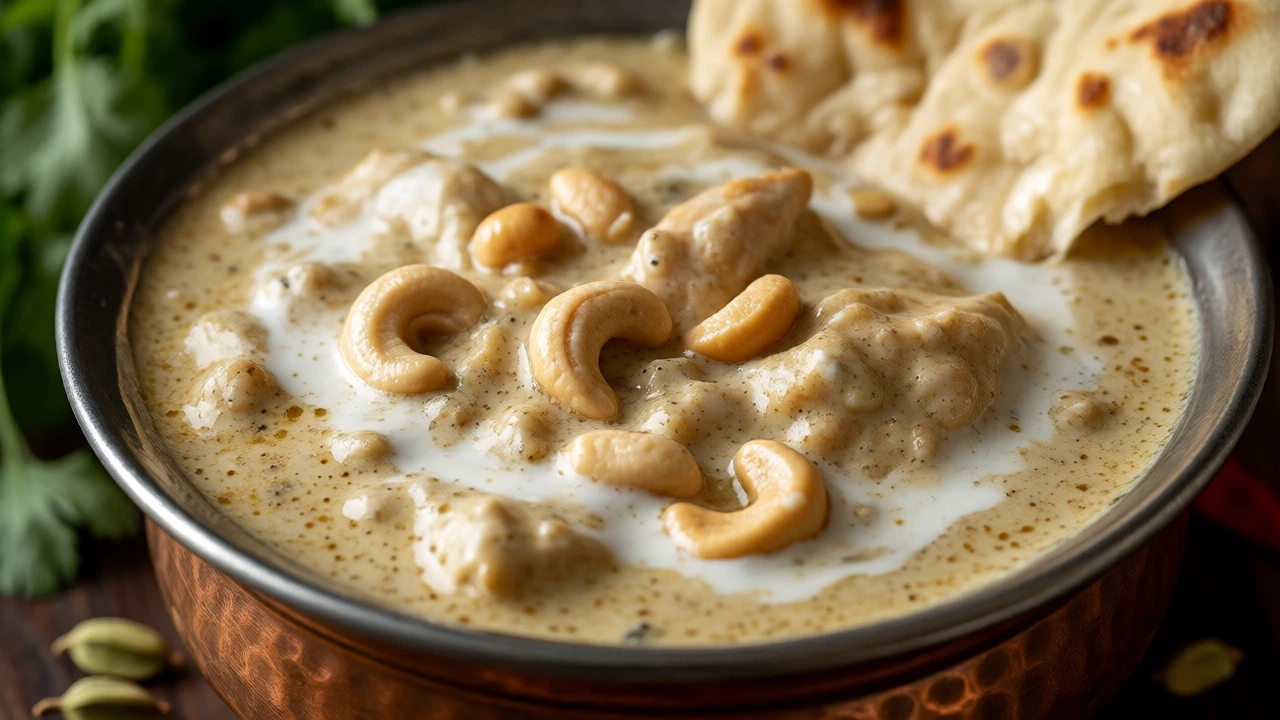
Chicken Korma
Yogurt, Cream, Cashews
MildDal Tadka
Lentils, Ghee, Cumin
Mild/MedIdli
Fermented Rice & Lentil Batter
Zero HeatVeg Biryani
Rice, Whole Spices, Veggies
MildPalak Paneer
Spinach, Cottage Cheese
MildIdli + Chutney
Steamed cakes with coconut dip
Zero HeatYou open a menu, scan the options, and feel that familiar panic. Every dish looks like it’s hiding a chili pepper ambush. You want the rich, aromatic experience of Indian cuisine, but you don’t want your mouth on fire for three hours. The good news? Spiciness is not mandatory in Indian cooking. In fact, some of the most beloved dishes are designed specifically to be soothing, creamy, and incredibly mild.
If you’re looking for the absolute mildest entry point into this culinary world, there isn’t just one answer. It depends on whether you prefer bread-based meals, rice bowls, or soups. But if we had to pick a champion for gentleness, it’s usually Korma. This isn’t about heat; it’s about richness. Korma uses yogurt, cream, or nut pastes to create a sauce that coats your palate rather than attacking it.
Why Some Indian Dishes Are Naturally Mild
People often confuse "spiced" with "spicy." These are two different things. Indian cooking relies heavily on spices like cumin, coriander, turmeric, and cardamom for flavor and aroma. These add depth without adding heat. Heat comes primarily from capsaicin, found in green chilies and red chili powder. Many traditional recipes allow you to omit these hot elements entirely without ruining the dish.
Regional differences play a huge role here. Northern Indian cuisine, particularly Mughlai influence, favors dairy-heavy gravies. Southern Indian cuisine often leans toward tamarind and coconut, which can be tangy but not necessarily hot. If you stick to dishes labeled "Korma," "Malai," or "Dahi," you are almost guaranteed a low-heat experience.
The Top Contenders for the Mildest Spot
While Korma takes the crown for main courses, several other categories offer zero-to-low heat options. Here is how they stack up against each other when you need comfort without the burn.
| Dish Name | Base Ingredient | Heat Level | Best For |
|---|---|---|---|
| Chicken Korma | Yogurt, Cream, Cashews | Mild | Rich, creamy texture lovers |
| Dal Tadka | Lentils, Ghee, Cumin | Mild to Medium (adjustable) | Comfort food, vegetarians |
| Idli | Fermented Rice & Lentil Batter | Zero Heat | Breakfast, light digestion |
| Vegetable Biryani | Rice, Whole Spices, Veggies | Mild | Aromatic, dry dishes |
| Palak Paneer | Spinach, Cottage Cheese | Mild | Healthy, iron-rich meals |
Korma: The King of Gentle Curries
Let’s talk about why Korma wins. Historically, this dish was reserved for royalty in the Mughal Empire. The goal wasn’t to wake you up; it was to nourish you. The gravy is thickened with ground nuts-usually cashews or almonds-and enriched with heavy cream or full-fat yogurt.
When you order Korma, ask for "no green chilies" if you are extremely sensitive. Even then, the residual warmth from black pepper might exist, but it’s negligible compared to a Vindaloo. The sweetness from the onions and the nuttiness from the cashews balance out any savory notes. It pairs perfectly with Naan or basmati rice. If you are cooking at home, skip the red chili powder entirely. Use garam masala only at the end for aroma, not heat.
Dal: The Comfort Food Staple
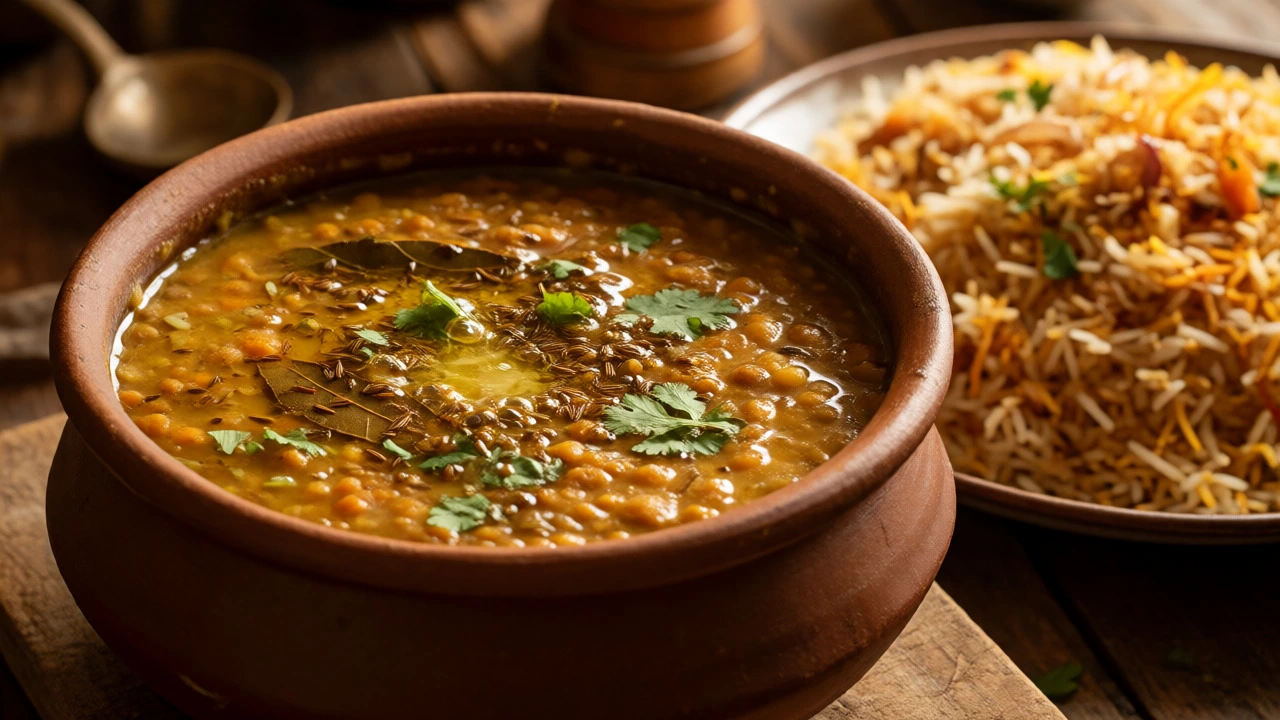
If you want something lighter than Korma, look no further than Dal. Specifically, Dal Tadka or Dal Makhani. These lentil dishes are the backbone of everyday Indian eating. They are naturally low in spice because their primary flavor profile comes from the earthiness of the lentils themselves.
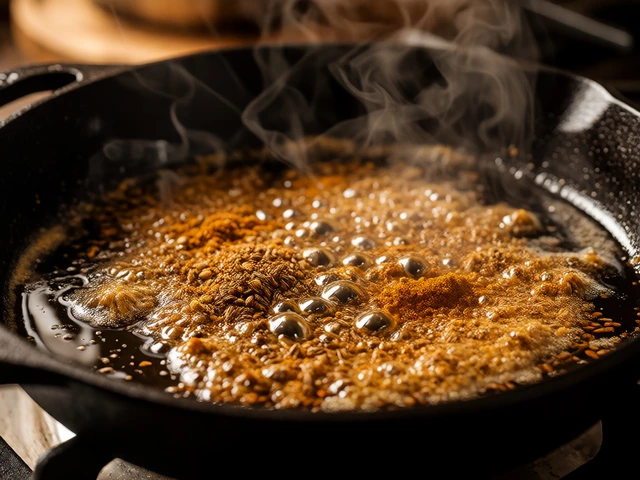
The trick with Dal is the "Tadka" or tempering. This is where you pour sizzling oil over cumin seeds, garlic, and sometimes dried red chilies. If you leave out the dried chilies during the tempering process, the dish remains completely mild. The ghee adds a luxurious mouthfeel that satisfies cravings without triggering heartburn. It’s cheap, easy to make, and arguably the most comforting food in the subcontinent.
South Indian Breakfasts: Idli and Dosa
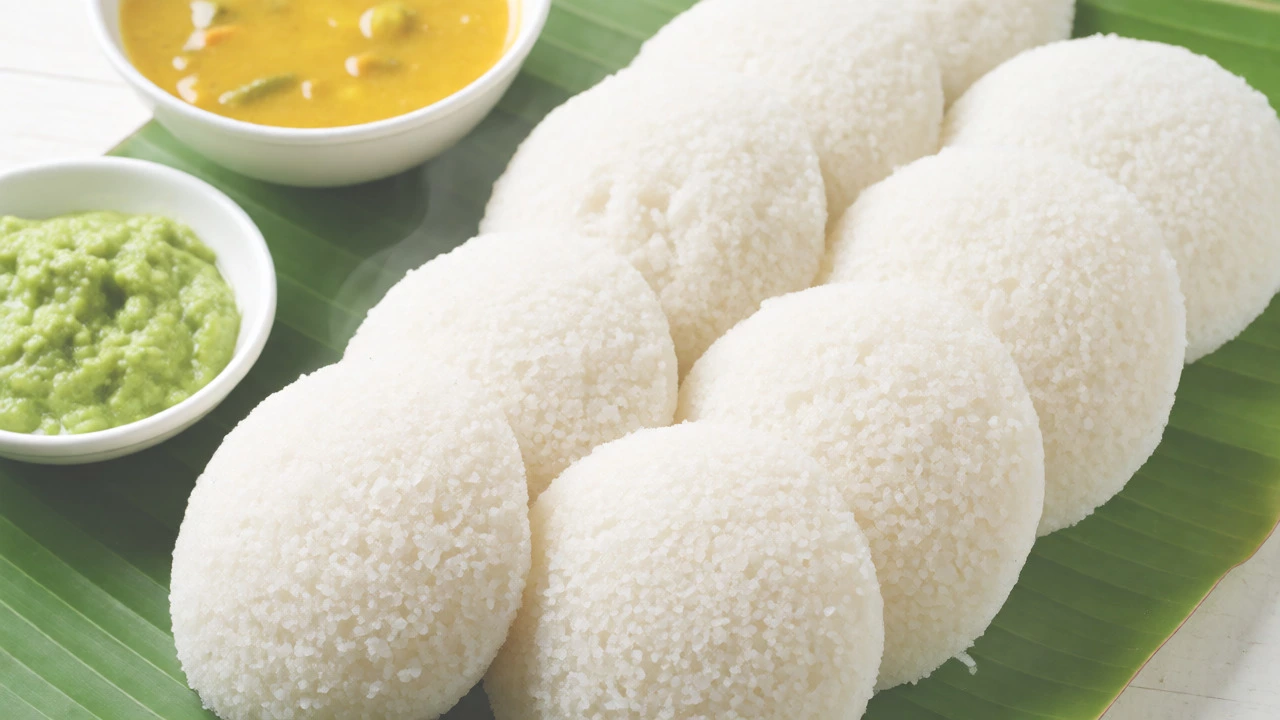
For those who find curries too heavy, South Indian breakfasts offer a refreshing alternative. Idli are steamed cakes made from fermented rice and lentil batter. They are fluffy, white, and have absolutely zero inherent heat. They act as a blank canvas.
The potential heat source here is the Sambar or Chutney served alongside. Sambar is a lentil-based vegetable stew flavored with tamarind and sambar powder. While sambar powder contains chili, you can easily dilute it or choose coconut chutney instead. Coconut chutney is cooling, sweet, and fresh. Pairing Idli with plain coconut chutney creates one of the mildest, healthiest meals you can eat.
Biryani: Fragrance Over Fire
Many people assume all biryanis are spicy. That’s a myth. Biryani is defined by its layering technique and the use of whole spices like saffron, bay leaves, and cloves. While Hyderabadi biryani can be fiery, Lucknowi or Awadhi biryani is famously subtle.
These versions rely on the aroma of fried onions and rose water. The meat is tender, and the rice is separate and fragrant. If you order vegetable biryani, it is often even milder because vegetables release less pungent juices than marinated meats. Just check if the kitchen uses green chilies in the marinade. If not, you’re safe.
How to Order or Cook for Maximum Mildness
Whether you are at a restaurant in Brighton or cooking in your own kitchen, control is key. Here are practical steps to ensure your meal stays gentle:
- Request "No Chili": Don’t just say "mild." Say "no chili powder" and "no green chilies." Chefs understand this distinction.
- Choose Dairy-Based Gravies: Look for words like Malai (cream), Dahi (yogurt), or Makhani (butter). Avoid words like Jalfrezi, Phaal, or Vindaloo.
- Add Acid, Not Heat: Lemon juice or tamarind adds brightness that mimics the complexity of spice without the burn.
- Serve with Cooling Sides: Always order Raita. This yogurt side dish with cucumber and mint neutralizes any accidental heat.
Common Misconceptions About Mild Indian Food
Some people think mild means bland. That couldn’t be further from the truth. A mild Korma has layers of ginger, garlic, fenugreek, and cardamom. It tastes complex and sophisticated. Another misconception is that vegetarian food is always safer. Vegetable curries can be just as hot as meat ones if loaded with cayenne. Always check the base ingredient list.
Also, beware of "House Special" sauces. These are often tweaked to be hotter to suit local palates in Western countries. Stick to traditional names. Traditional recipes have been balanced for centuries to appeal to families, including children and the elderly, who cannot handle high heat.
Next Steps: Building Your Mild Menu
Start small. Try making a simple Moong Dal (yellow split mung beans) at home. It cooks in 20 minutes and requires only turmeric, salt, and cumin. Serve it with steamed rice. Once you master that, move to Chicken Korma. Buy pre-made korma paste from a reputable brand like Pataks or Sharwood’s, but taste it first. If it’s too strong, mix it with extra plain yogurt.
Explore regional variations. Bengali cuisine, for instance, uses poppy seeds and mustard oil but often keeps heat moderate. Gujarati thalis include many sweet and sour elements that distract from any spiciness. By diversifying your choices beyond the standard curry house fare, you’ll discover that Indian food is far more versatile than just "hot."
Is Korma always mild?
Generally, yes. Korma is traditionally a mild, creamy dish. However, some modern restaurant versions may add green chilies for color and slight kick. Always specify "no green chilies" when ordering to guarantee mildness.
Which Indian bread is best for mild dishes?
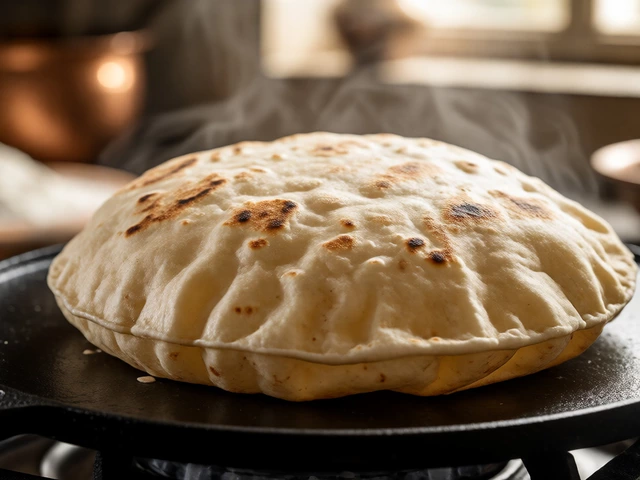
Naan and Roti are excellent choices. Naan is leavened and soft, while Roti is unleavened and thinner. Both are neutral in flavor, allowing them to soak up mild gravies like Korma or Palak Paneer without competing with the taste.
Can I remove spice from an already cooked curry?
Yes. Adding dairy products like cream, yogurt, or coconut milk helps bind capsaicin (the compound causing heat) and reduces the burning sensation. Sugar or honey can also mask heat slightly. Diluting the curry with water or stock works, though it may thin the flavor.
Are all vegetarian Indian dishes mild?
No. Dishes like Chana Masala or Rajma can be quite spicy due to the liberal use of red chili powder. Vegetarian status does not equate to low heat. Always check the specific recipe or ask the chef about the spice level.
What is the mildest South Indian dish?
Idli served with coconut chutney is arguably the mildest. Since Idli is steamed and unseasoned, and coconut chutney is naturally sweet and cooling, this combination offers virtually no heat unless you add sambar or spicy pickle.