Chicken Curry Flavor Enhancer Checklist
Follow these steps to transform a flat curry into a rich, aromatic dish. Click each step as you complete it in your kitchen.
1. Bloom Spices
Fry ground spices in hot oil/ghee for 30-60 seconds until fragrant. Do not add raw powder directly to liquid.
2. Caramelize Onions
Cook sliced onions slowly until deep brown and sweet (15-45 mins), not just translucent.
3. Marinate with Yogurt
Marinate chicken in yogurt, salt, and half your dry spices for at least 30 minutes.
4. High-Heat Searing
Brown the chicken pieces thoroughly before adding sauce or liquids.
5. Boost Umami
Add a subtle umami booster: Fish sauce, soy sauce, mushroom ketchup, or amchur.
6. Finish with Fat
Stir in cold butter, cream, or ghee right before serving to gloss the sauce.
7. Add Acidity Late
Squeeze lemon juice or add tamarind paste off the heat to brighten heavy fats.
🎉 Perfect Curry Ready!
Keep going... every step adds layers of flavor.
You know that feeling when you make Chicken Curry at home, follow the recipe to the letter, and it still tastes... flat? It’s not your fault. Most recipes miss the technical steps that transform a watery stew into a restaurant-quality dish. The difference between "okay" and "wow" isn’t magic; it’s chemistry and technique.
Here is the quick fix if you’re in a rush:
- Bloom your spices: Never dump raw powder into liquid. Fry them in oil first.
- Caramelize onions properly: Go for brown, not just translucent. This builds sweetness and body.
- Use high-heat searing: Brown the chicken before adding sauce for deep flavor.
- Add acidity late: Lemon or tomato goes in near the end to brighten heavy fats.
- Finish with fat: A swirl of cream, butter, or ghee right before serving adds richness.
The Science of Spice Blooming
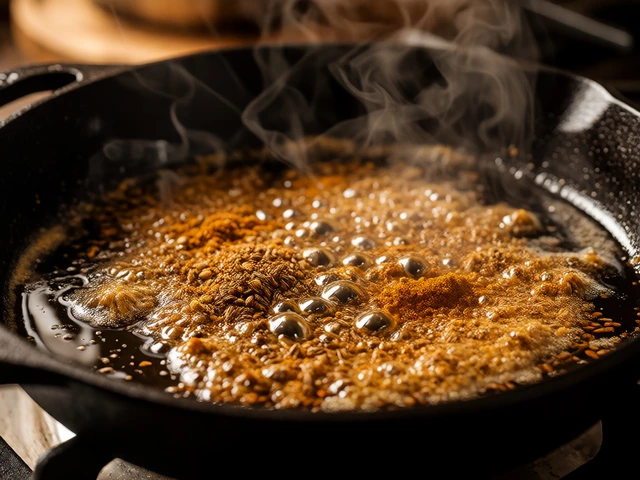
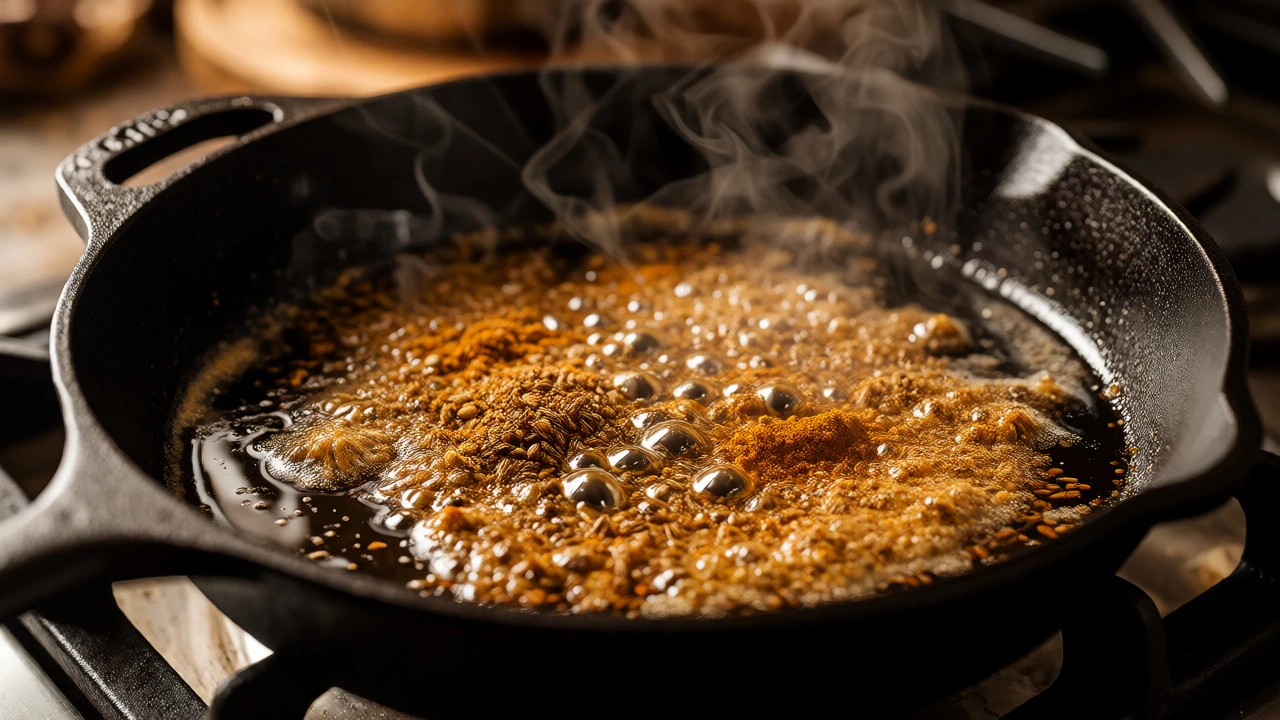
If you only change one thing, make it this: stop adding dry spice powders directly to boiling water or broth. Spice Blooming is the process of frying ground spices in hot oil or ghee to release their essential oils. Many aromatic compounds in spices like cumin, coriander, and turmeric are fat-soluble, not water-soluble. If you throw them into liquid, those flavors stay trapped in the powder particles and wash away down your throat without hitting your nose.
Think of it like making coffee. You grind beans fresh because surface area matters. But with spices, heat activation matters more. When you fry Garam Masala or curry powder in oil for 30-60 seconds, the heat breaks down cell walls and releases volatile aromatics. This creates a complex base layer of flavor that permeates every bite of chicken later on.
Pro tip: Watch the color. Spices go from golden to burnt in seconds. Burnt cumin tastes bitter and acrid. Keep the flame medium-low and stir constantly until the oil turns a deeper shade and the kitchen smells intensely fragrant. Then immediately add your wet ingredients (onions, ginger-garlic paste) to cool the pan down and stop the cooking.
Onion Strategy: Caramelization vs. Sautéing
Most beginners sauté onions until they are soft and see-through. That’s fine for a soup, but bad for curry. For depth, you need Caramelized Onions, which involves cooking sliced onions slowly until they turn deep brown and sweet. This Maillard reaction creates hundreds of new flavor compounds that simple softening misses.
| Method | Time Required | Flavor Profile | Best For |
|---|---|---|---|
| Softened (Translucent) | 5-8 minutes | Mild, sharp, vegetal | Light soups, delicate fish curries |
| Golden Brown | 15-20 minutes | Sweet, nutty, rich | Standard home-style chicken curry |
| Deep Caramelized | 30-45 minutes | Intense sweetness, jammy texture | Korma, Rogan Josh, rich North Indian dishes |
Why does this matter? Browned onions act as a natural thickener. They break down into a paste-like consistency that binds with the oil and spices, creating a cohesive gravy rather than a separated mixture of water and chunks. If you’re short on time, use frozen pearl onions or pre-caramelized jarred onions-they’re surprisingly effective shortcuts that save 20 minutes of stirring.
Marination: The Yogurt Advantage
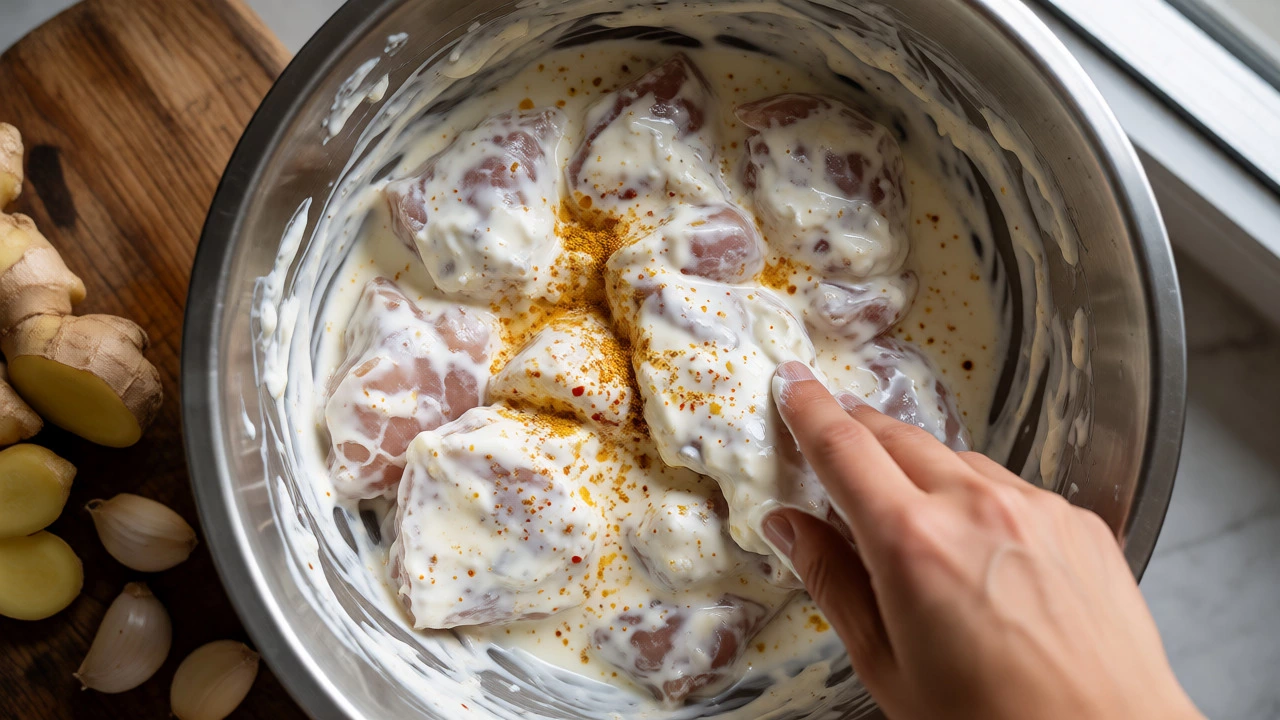
Ever wonder why restaurant chicken is so tender while yours is dry or rubbery? It’s usually about how you treat the meat before it hits the pan. Yogurt Marinades are superior to oil-based ones because lactic acid gently denatures proteins without turning them mushy. Unlike vinegar or lemon juice, which can toughen meat if left too long, yogurt enzymes work slowly and evenly.
But here’s the trick most people miss: don’t just mix yogurt and chicken. Add your salt and half your dry spices to the marinade. Let it sit for at least 30 minutes, preferably overnight. The salt penetrates the muscle fibers, helping them retain moisture during cooking. Meanwhile, the yogurt coats the surface, protecting the protein from harsh direct heat.
If you’re using bone-in pieces, score the meat lightly with a knife. This allows the marinade to penetrate deeper than just the surface. For breast meat, which dries out easily, consider brining briefly in saltwater before marinating, or cut larger chunks to reduce cooking time exposure.
Building Depth with Umami Boosters
Salt makes things salty. Sugar makes things sweet. But what makes curry taste "more like itself"? Often, it’s missing Umami, the savory fifth taste found in fermented or aged foods. Standard Indian recipes rely heavily on tomatoes and onions, but sometimes that’s not enough to carry the weight of strong spices.
Try these subtle additions. They won’t make your curry taste "foreign," but they will round out the flavor profile:
- Dried Mango Powder (Amchur): Adds tartness and fruitiness that balances rich fats.
- Fish Sauce: Just one teaspoon. It sounds weird for an Indian dish, but it adds pure glutamate without tasting fishy once cooked.
- Mushroom Ketchup or Soy Sauce: A splash adds earthy depth. Great for vegetarian adaptations or dark meat curries.
- Nutritional Yeast: Unconventional, but works wonders in creamy kormas for a cheesy, savory note.
Start small. Add half a teaspoon of any booster, taste, then adjust. You’re looking for that moment where the flavor feels complete, not necessarily identifiable as one specific ingredient.
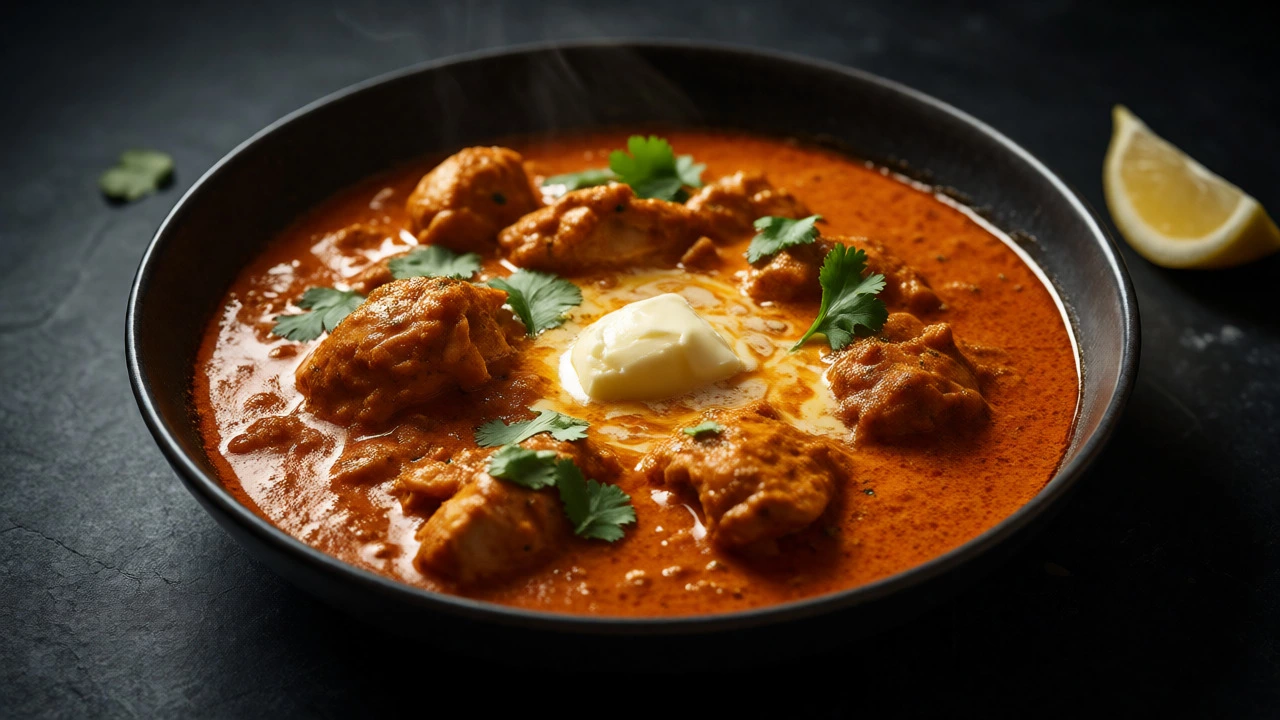
The Final Touch: Acidity and Fat Balance
Curries are often heavy. They have oil, dairy, and starches. Without balance, they feel cloying. This is where Acidic Finishes come in. Adding a squeeze of lemon juice or a dash of tamarind paste right before serving cuts through the richness and wakes up the palate.
Timing is critical here. If you add acid early, it evaporates or dulls. Add it off the heat. Similarly, finish with fat. A knob of cold butter stirred in, a drizzle of cream, or a spoonful of ghee glosses over the sauce and carries aroma molecules to your nose. This is called "mounting" the sauce in French cuisine, but it works just as well in Indian cooking.
Another pro move: garnish with fresh herbs added *after* plating. Cilantro loses its brightness if cooked. Stirring it in at the last second preserves its volatile oils, giving each bite a fresh contrast to the slow-cooked depth below.
Troubleshooting Common Curry Mistakes
Even with good techniques, things go wrong. Here’s how to fix common issues quickly:
- Curry is too thin: Don’t just boil it longer. Mash some of the potato or onion pieces against the side of the pot to thicken naturally. Or mix a teaspoon of cornstarch with cold water and stir it in for instant gloss.
- Curry tastes bland despite salt: You likely lack acid or umami. Try a squeeze of lime or a pinch of sugar to enhance existing flavors before adding more salt.
- Gravy has separated (oil floating on top): This happens when emulsification breaks. Remove from heat and whisk vigorously. Adding a tablespoon of cream or yogurt can re-emulsify the sauce.
- Chicken is dry: You probably overcooked it. Next time, remove the chicken when it’s slightly underdone. Residual heat will finish it. Or, switch to thigh meat, which has more connective tissue and stays juicy.
Remember, cooking is iterative. Taste as you go. Your stove runs hotter or cooler than the recipe writer’s. Your tomatoes are riper or blander. Adjust based on what’s in your pot, not just what’s on the page.
Should I use boneless or bone-in chicken for curry?
Bone-in chicken generally yields a richer flavor because bones contain marrow and collagen that dissolve into the gravy during slow cooking. However, boneless thighs are easier to eat and cook faster. If you want maximum flavor, use bone-in pieces and simmer longer. For convenience, boneless thighs offer the best balance of tenderness and ease.
Why is my curry spicy but not flavorful?
This usually means you added too much chili powder or cayenne without balancing other spices. Heat masks subtlety. Reduce the chili amount and increase aromatic spices like cardamom, cinnamon, and cloves. Also, ensure you bloom your spices in oil. Raw chili powder can taste dusty and one-dimensional, whereas bloomed chili integrates better with the rest of the dish.
Can I use coconut milk instead of cream?
Yes, but handle it differently. Coconut milk can split if boiled aggressively. Add it toward the end of cooking and keep the heat low. Full-fat canned coconut milk provides similar richness to cream. If you want a lighter version, use light coconut milk but add a teaspoon of coconut oil or butter to compensate for lost mouthfeel.
How do I store leftover chicken curry?
Store in an airtight container in the refrigerator for up to 3 days. Curry often tastes better the next day as flavors meld. When reheating, add a splash of water or stock to loosen the gravy, as it will thicken significantly in the fridge. Reheat gently on the stovetop rather than microwaving, which can rubberize the chicken.
Is it necessary to fry onions for curry?
Not strictly necessary for all styles, but highly recommended for traditional North Indian curries. Frying onions creates a sweet, savory base that defines the character of dishes like Butter Chicken or Korma. South Indian or coastal curries often rely more on fresh tomatoes and coconut, where fried onions play a smaller role. Choose your method based on the regional style you're aiming for.