Dal Night Digestibility Checker
Your Dinner Profile
Digestibility Report
Select your options and click "Check Digestibility" to see the results.
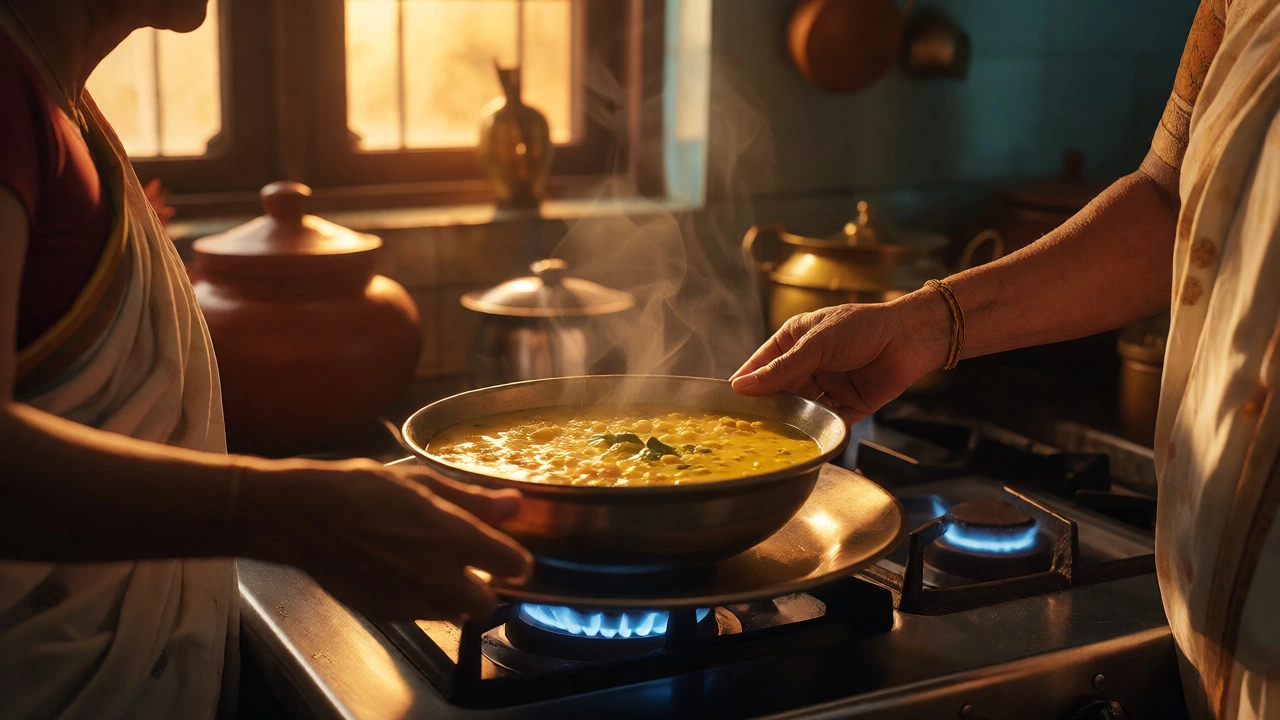
You’ve probably heard your grandmother or a well-meaning auntie warn you: "Don't eat dal after sunset." It’s one of those universal rules in many South Asian households, passed down with the same seriousness as "don't sit on cold floors." But is there actual science behind this restriction, or is it just old wives' tales dressed up as medical advice? If you’re someone who loves a warm bowl of yellow lentils for dinner but worries about bloating, weight gain, or poor sleep, you’re not alone. The truth is a bit more nuanced than a simple "yes" or "no."
The core issue isn’t really the dal itself-it’s how your body processes protein and fiber when you’re winding down for the night. Your digestive system slows down during sleep, and certain foods can cause discomfort if eaten too close to bedtime. Let’s break down what actually happens in your gut when you eat lentils at night, who should be careful, and how you can still enjoy your favorite comfort food without ruining your sleep or your waistline.
The Science Behind Lentil Digestion
To understand why timing matters, you first need to know what dal is. In culinary terms, dal refers to split pulses-usually lentils, mung beans, pigeon peas (toor), or chickpeas-that have been hulled and split. These are powerhouses of nutrition, packed with plant-based protein, complex carbohydrates, and dietary fiber. While these nutrients are fantastic for daytime energy, they behave differently when your metabolism takes a nap.
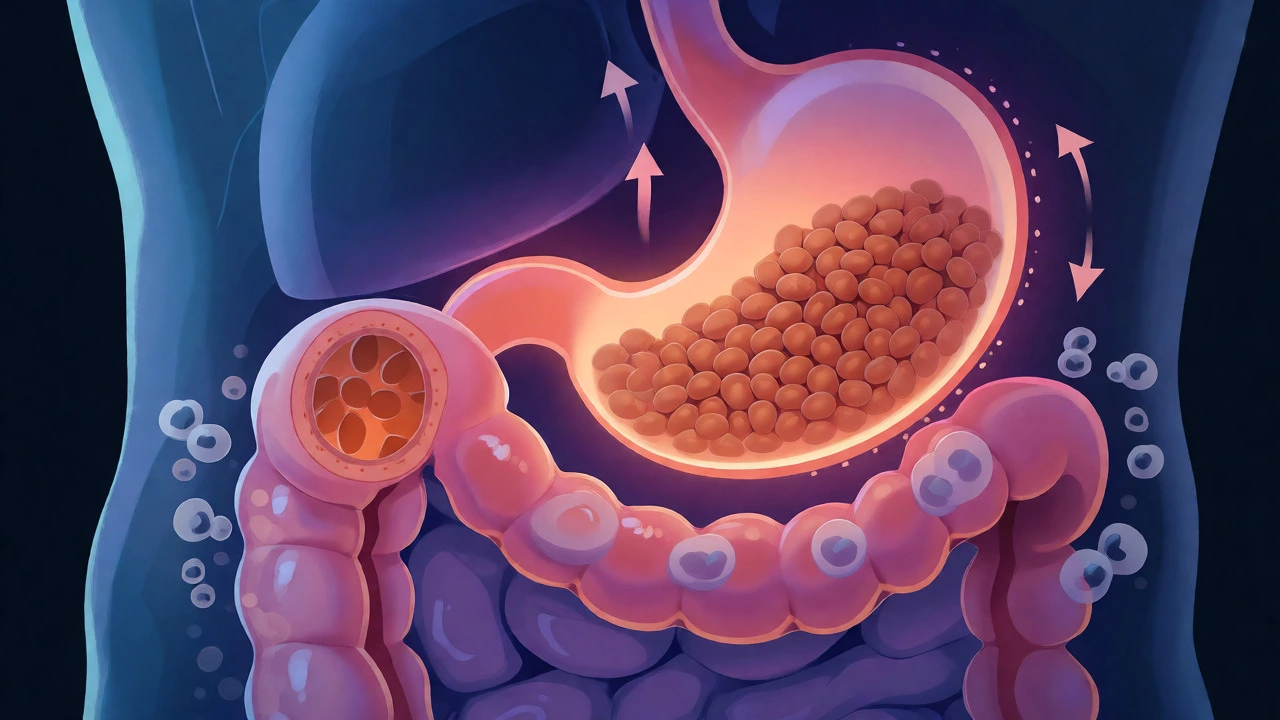
Your body requires significant energy to digest high-protein and high-fiber foods. This process generates heat (thermogenesis) and keeps your digestive tract active. When you eat a heavy meal right before bed, your body stays in "digestive mode" instead of shifting into "rest and repair mode." This can lead to several issues:
- Gas and Bloating: Lentils contain oligosaccharides like raffinose and stachyose. Humans lack the enzyme alpha-galactosidase needed to break these down fully in the small intestine. They travel to the large intestine where gut bacteria ferment them, producing gas. At night, lying flat can trap this gas, causing uncomfortable distension.
- Acid Reflux: Eating any substantial amount of food raises stomach acid levels. If you lie down shortly after eating dal, gravity no longer helps keep that acid in your stomach. This can trigger heartburn or GERD symptoms, disrupting sleep quality.
- Blood Sugar Spikes: While lentils have a low glycemic index compared to white rice, pairing them with refined carbs (like naan or white rice) late at night can still cause insulin fluctuations that might interfere with deep sleep cycles.
Myth vs. Reality: Does Dal Cause Weight Gain?
One of the biggest fears people have is that eating dal at night will make them gain weight. Here is the straightforward answer: calories don’t check the clock. A calorie consumed at 8 PM has the same energy value as one consumed at 8 AM. However, the context changes everything.
If you are sedentary in the evening-watching TV, working at a desk, or scrolling through your phone-your caloric expenditure drops significantly. If you add a calorie-dense bowl of dal tadka made with generous amounts of ghee, oil, and cream, plus a side of roti, you might exceed your daily energy needs. Over time, this surplus leads to fat storage. But if you stick to a lighter preparation, such as moong dal khichdi with minimal oil, the risk of weight gain from nighttime consumption is negligible.
Consider the difference between these two scenarios:
| Factor | Daytime Consumption | Nighttime Consumption |
|---|---|---|
| Digestive Activity | High; body is active and burning energy. | Low; metabolism slows down for sleep. |
| Gas Discomfort | Easier to pass due to movement/upright posture. | Trapped gas causes bloating while lying down. |
| Calorie Burn | Higher chance of burning off excess calories. | Excess calories likely stored as fat. |
| Sleep Impact | Minimal impact on sleep quality. | Potential disruption due to reflux or fullness. |
Which Types of Dal Are Safer at Night?
Not all dals are created equal. Some are much heavier and harder to digest than others. If you must eat lentils for dinner, choosing the right variety makes a massive difference in how you feel the next morning.
Moong Dal (split mung beans) is widely considered the easiest to digest. It cooks quickly, breaks down easily in the stomach, and produces less gas compared to other legumes. Ayurvedic traditions specifically recommend moong dal for evening meals because it balances the body’s doshas without creating heaviness.
In contrast, Chana Dal (split chickpeas) and Rajma (kidney beans) are denser. They take longer to cook and remain in the digestive tract for extended periods. Eating Rajma masala at 9 PM is a recipe for midnight bathroom trips and morning grogginess. Similarly, Toor Dal (pigeon peas) is moderate; it’s fine for most people but can be problematic for those with sensitive guts if eaten late.
Here is a quick guide to nighttime suitability:
- Best Choice: Yellow Moong Dal. Light, fast-cooking, low gas production.
- Moderate Choice: Masoor Dal (red lentils). Cooks very fast, easy to digest, but can be slightly sweet which some find unsettling at night.
- Cautious Choice: Toor Dal (Arhar). Standard staple, okay if cooked thoroughly and eaten early.
- Avoid at Night: Whole Kidney Beans (Rajma), Black Gram (Urad Dal), and Chana Dal. These are heavy, gas-forming, and slow to digest.
Preparation Methods That Reduce Nighttime Discomfort
How you cook your dal matters as much as what kind you choose. Traditional Indian cooking often involves tempering (tadka) with garlic, onions, chili, and fried spices. While delicious, this combination can irritate the stomach lining and increase acidity, especially at night.
To make dal friendlier for evening consumption, try these adjustments:
- Soak Thoroughly: Soaking lentils for at least 4-6 hours (or overnight) reduces the oligosaccharide content responsible for gas. Discard the soaking water before cooking.
- Cook Until Mushy: Undercooked lentils are hard to digest. Ensure your dal is soft and well-blended. Pressure cooking is excellent for this purpose.
- Add Digestive Spices: Use turmeric, cumin (jeera), hing (asafoetida), and ginger. Hing, in particular, is known for its anti-flatulent properties. Avoid excessive red chili powder or raw garlic at night.
- Go Easy on Fat: Skip the heavy cream or coconut milk. Use a teaspoon of ghee or olive oil for flavor. High-fat meals delay gastric emptying, meaning food sits in your stomach longer.
- Pair with Rice, Not Wheat: For many people, combining dal with steamed basmati rice is easier to digest than pairing it with wheat rotis. Wheat contains gluten, which can cause inflammation or bloating in sensitive individuals, adding to the fiber load of the lentils.

Who Should Strictly Avoid Dal at Night?
While healthy individuals can tolerate a light bowl of moong dal at 7 PM without issue, certain groups should exercise stricter caution. If you fall into any of these categories, consider moving your dal intake to lunchtime.
People with IBS (Irritable Bowel Syndrome): Lentils are high in FODMAPs (fermentable oligo-, di-, mono-saccharides and polyols). If you suffer from IBS, nighttime consumption can trigger severe cramping and diarrhea.
Those with GERD or Acid Reflux: If you already struggle with heartburn, the volume of liquid and solids in a dal meal can exacerbate symptoms when lying down.
Individuals with Gout: Legumes contain purines, which break down into uric acid. While plant-based purines are generally safer than meat-based ones, excessive nighttime consumption without adequate hydration could potentially trigger joint pain in susceptible individuals.
Kidney Stone Formers: Oxalates are present in some legumes. If you are prone to calcium-oxalate kidney stones, consult your doctor about timing and portion sizes.
Practical Tips for Enjoying Dal in the Evening
You don’t have to banish dal from your dinner menu forever. With a few strategic tweaks, you can satisfy your cravings without paying the price in discomfort or disrupted sleep.
Time It Right: Aim to finish your meal at least 2-3 hours before bedtime. If you go to bed at 11 PM, try to eat by 8 PM. This gives your stomach enough time to empty partially.
Control Portion Sizes: Keep the serving modest. A small katori (bowl) of dal with half a cup of rice is sufficient. Avoid second helpings.
Hydrate Wisely: Drink water throughout the day, but avoid gulping large amounts of water immediately after eating. Small sips are fine. Excessive fluid volume can dilute digestive enzymes and cause bloating.
Listen to Your Body: Everyone’s microbiome is unique. You might handle chana dal perfectly fine, while your partner gets terrible gas. Keep a simple food diary for a week. Note what type of dal you ate, the time, and how you felt the next morning. Data beats dogma every time.
Ultimately, the rule "don't eat dal at night" is a heuristic-a mental shortcut-not a biological law. It exists because traditional diets were heavier, and lifestyle patterns involved less physical activity post-dinner. By modernizing your approach-choosing lighter varieties, adjusting portions, and respecting your personal tolerance-you can reclaim dal as a versatile ingredient for any time of day.
Does eating dal at night cause weight gain?
Dal itself does not inherently cause weight gain at night. Weight gain occurs if the total caloric intake exceeds expenditure. However, since metabolism slows during sleep, heavy, oily preparations of dal consumed late may contribute to fat storage over time if not balanced with activity.
Which dal is best to eat at night?
Yellow Moong Dal is generally considered the best option for nighttime consumption. It is light, easy to digest, and produces less gas compared to heavier lentils like Rajma or Chana Dal.
Why do I get gas after eating dal at night?
Lentils contain complex sugars called oligosaccharides that humans cannot fully digest. Gut bacteria ferment these sugars, producing gas. Lying down after eating traps this gas, leading to bloating and discomfort.
Can I eat dal and rice together at night?
Yes, but moderation is key. Rice provides easily digestible carbohydrates, while dal provides protein. Just ensure the portion size is small and the meal is completed at least 2-3 hours before sleeping to prevent reflux and indigestion.
Is black dal bad for dinner?
Black dal (Urad Dal) is dense and rich in protein and fiber, making it slower to digest. For most people, it is better suited for lunch. If eaten at dinner, it should be prepared lightly without heavy creams or excessive fats.