Quick & Healthy Indian Breakfast Planner
Select your constraints below to find the perfect breakfast option that fits your morning routine.
Adjust settings and click "Find My Breakfast" to see recommendations.
You wake up. The alarm screams. You have exactly twelve minutes before you need to be out the door or on a Zoom call. What do you eat? If your answer is skipping it entirely or grabbing a sugary biscuit from the cupboard, you are sabotaging your energy levels before the day even starts. We all know breakfast is important, but let’s be honest: who has time to make a traditional three-course Indian meal at 7 AM?
Here is the truth about quick healthy breakfasts: they don’t require fancy ingredients or hours of prep. In fact, some of the most nutritious meals you can eat are ready in under ten minutes using things already in your kitchen. Whether you are looking to lose weight, boost brain power, or just stop feeling sluggish by noon, the solution isn't complicated. It’s about choosing foods that fuel you without slowing you down.
The Science of a Good Morning Fuel
Before we hit the stove, let’s talk about what actually makes a breakfast "healthy." It’s not just about cutting calories. A proper morning meal needs three things: protein, fiber, and healthy fats. Why? Because these nutrients keep your blood sugar stable. When you eat a bowl of plain cornflakes or two slices of white toast, your glucose spikes and then crashes an hour later. That crash is why you feel hungry again by 10 AM.
Protein keeps you full. Fiber slows down digestion so you get steady energy. Healthy fats support brain function. In the context of Indian cuisine, this means moving away from heavy, oil-laden parathas every single day and embracing lighter, nutrient-dense options. You don’t need to abandon flavor; you just need to balance the plate.
Poha (Flattened Rice) is often misunderstood as a carb-heavy snack. However, when prepared with peanuts, curry leaves, and peas, it becomes a balanced meal. It provides quick-release energy from the rice, but the peanuts add the necessary fat and protein to slow absorption. It takes five minutes to cook and requires no soaking if you use thin poha.
Top 5 Quick Indian Breakfasts Ready in Under 10 Minutes
If you are tired of the same old routine, here are five specific dishes that fit the bill. These aren't theoretical ideas; these are staples in many efficient kitchens across India and abroad.
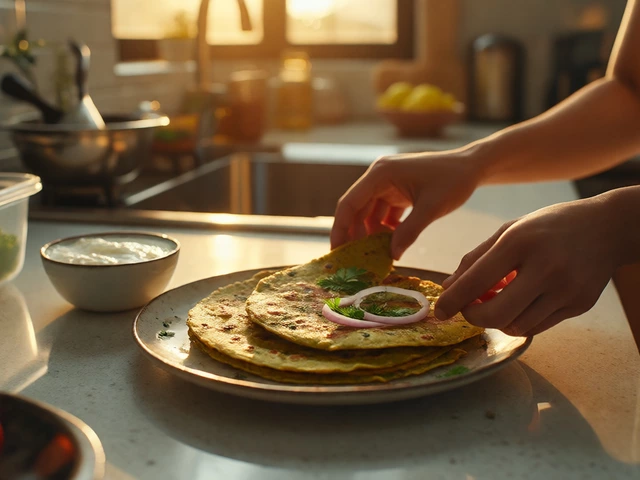
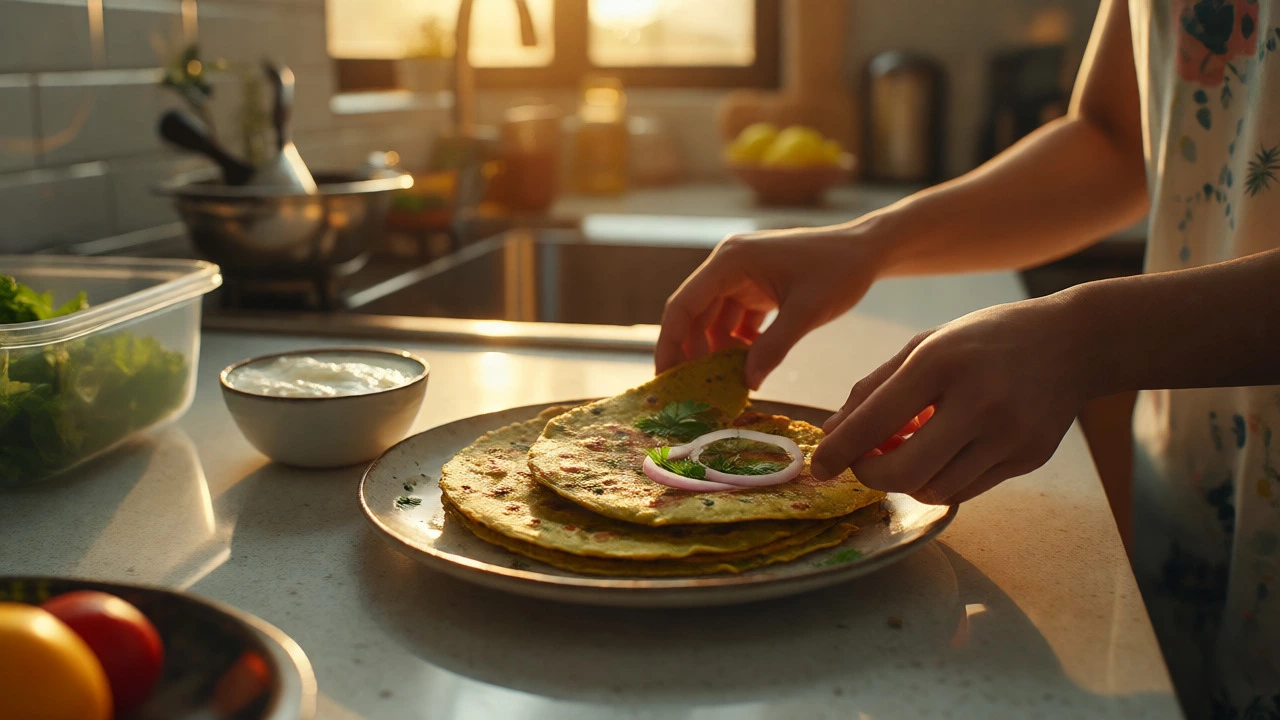
- Moong Dal Chilla: This is a savory pancake made from ground moong beans. It is packed with plant-based protein and is gluten-free. You blend soaked moong dal into a batter, pour it like a dosa, and cook it on a non-stick pan. Add chopped onions, coriander, and green chilies for flavor. Total time: 8 minutes. Benefit: High protein, low glycemic index.
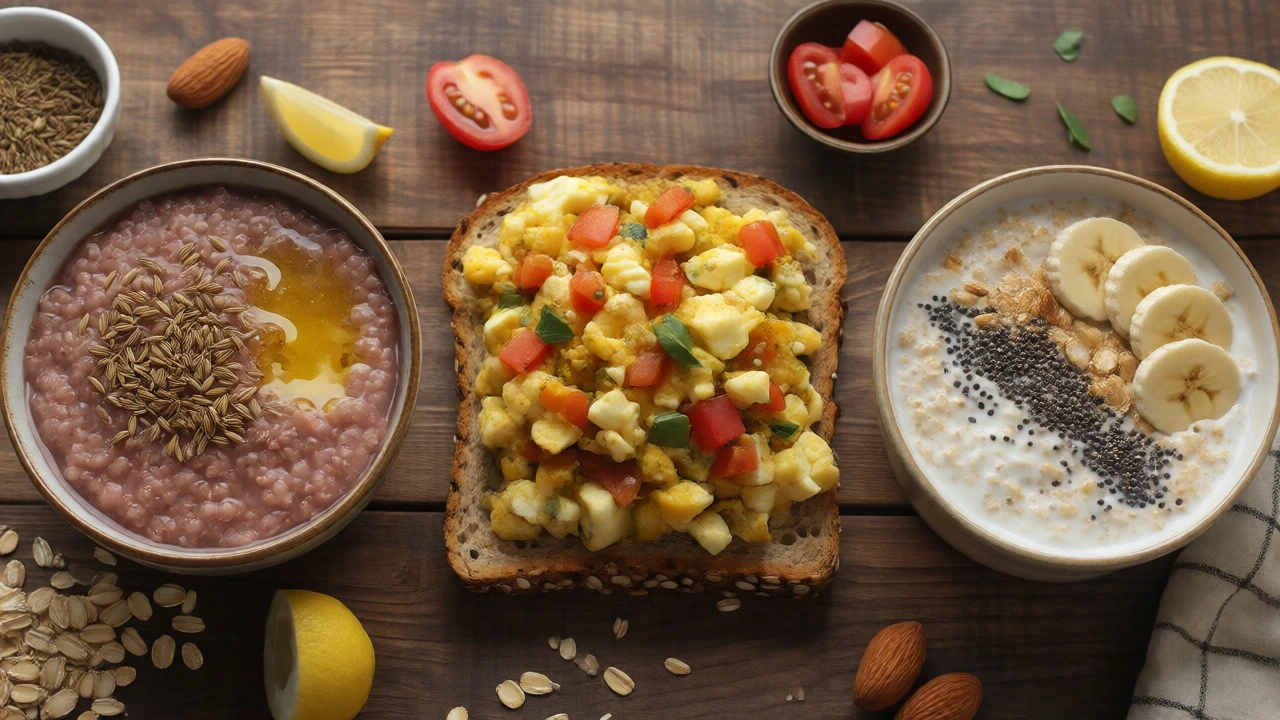
- Ragi Porridge (Ragi Kanji): Finger millet (ragi) is a supergrain. It is rich in calcium and iron. You can buy instant ragi flour or grind your own. Mix it with water, a pinch of salt, and some roasted cumin seeds. Cook for three minutes while stirring. Top with a little ghee. Total time: 5 minutes. Benefit: Excellent for bone health and sustained energy.
- Egg Bhurji Toast: Skip the fried eggs. Scramble two eggs with turmeric, black pepper, and finely diced tomatoes. Serve it on whole-grain bread instead of white. The tomato adds lycopene and vitamin C, which helps absorb iron from the greens you might eat later. Total time: 6 minutes. Benefit: Complete protein profile.
- Overnight Oats with Curd: Not strictly "Indian" in tradition, but widely adopted for its convenience. Mix rolled oats with thick curd (yogurt), chia seeds, and a drizzle of honey. Let it sit in the fridge overnight. In the morning, top with sliced banana or seasonal fruit. Total time: 2 minutes prep the night before. Benefit: Probiotics for gut health.
- Idli Upma: Leftover idlis? Don’t throw them away. Crumble them and stir-fry them with mustard seeds, urad dal, curry leaves, and vegetables. It tastes like a fresh dish but uses pre-cooked components. Total time: 4 minutes. Benefit: Zero waste, high satiety.
Nutritional Showdown: Traditional vs. Optimized
Let’s look at how these choices stack up against common habits. Many people reach for a Paratha or a heavy Masala Dosa. While delicious, they are calorie-dense and often lack sufficient fiber unless loaded with veggies. Here is a comparison of nutritional impact per serving size (approximate values).
| Breakfast Option | Prep Time | Key Nutrient | Satiety Level | Blood Sugar Impact |
|---|---|---|---|---|
| Aloo Paratha (with butter) | 15-20 mins | Carbs/Fat | Medium | High Spike |
| Masala Dosa | 10-15 mins | Carbs | Low-Medium | High Spike |
| Moong Dal Chilla | 8 mins | Protein/Fiber | High | Low/Stable |
| Ragi Porridge | 5 mins | Calcium/Fiber | High | Very Low |
| Cornflakes + Milk | 2 mins | Sugar/Carbs | Low | Very High Spike |
Notice the pattern? The options with higher protein and fiber (Chilla, Ragi) keep you fuller longer and prevent the mid-morning crash. The traditional favorites aren't "bad," but they require portion control and pairing with protein sources like curd or pickle with nuts to balance the load.
Meal Prep Hacks for the Week
The secret to speed isn't cooking faster; it's doing less work in the morning. Spend 30 minutes on Sunday preparing bases. This strategy transforms weekday mornings from chaotic to calm.
- Soak and Grind: Soak moong dal and rice separately. On Sunday, grind them into batters. Store them in the fridge. They last 3-4 days. Now, making dosa or idli takes zero prep time-just heat and pour.
- Vegetable Prep: Chop onions, carrots, beans, and capsicum. Store them in airtight containers. Having these ready means you can toss a vegetable omelet or upma together in seconds.
- Portion Nuts and Seeds: Pre-pack small bags of almonds, walnuts, and pumpkin seeds. Toss one into your oatmeal or porridge. This ensures you get healthy fats without counting nuts every morning.
- Boil Eggs: Boil 6-8 eggs on Sunday. Keep them in the shell in the fridge. Peel and slice them onto toast or salads instantly.
This approach works because decision fatigue is real. When you are half-asleep, you won't want to chop an onion. But if it’s already chopped, you’ll use it. If the batter is ready, you’ll make a healthy chilla instead of ordering greasy street food.
Common Mistakes to Avoid
Even with good intentions, people fall into traps. Here are three pitfalls that ruin healthy breakfasts.
1. Drinking Your Calories: Fruit juices are often marketed as healthy. Most store-bought juices are stripped of fiber and loaded with sugar. An orange has fiber; a glass of orange juice does not. Stick to whole fruits or smoothies where you keep the pulp. If you must drink tea or coffee, limit added sugar. One teaspoon is fine; four teaspoons turn a healthy habit into a dessert.
2. Ignoring Hydration: After sleeping for 7-8 hours, your body is dehydrated. Before eating, drink a glass of warm water with lemon. This kickstarts metabolism and aids digestion. Eating dry foods like toast or biscuits without water can lead to constipation over time.
3. Skipping Protein Entirely: A bowl of plain oats or a piece of fruit is great, but it lacks staying power. Without protein, you will likely snack within two hours. Always pair carbs with a protein source. Eat apple slices with peanut butter. Eat toast with cheese or egg. Eat porridge with nuts.
Adapting for Dietary Needs
Not everyone eats the same way. If you are vegan, diabetic, or gluten-intolerant, you still have quick options.
For Vegans: Replace milk with almond or soy milk in oats. Use coconut oil instead of ghee. Moong dal chilla is naturally vegan if you skip the curd topping and use a lime wedge instead. Sprouted moong salad with lemon and pepper is another excellent raw option that takes zero cooking.
For Diabetics: Focus on low-glycemic index foods. Ragi, jowar, and bajra are better than wheat or rice. Avoid sweet porridges; go for savory versions. Pair carbohydrates with vinegar (like in pickles) or lemon juice, which can help lower the blood sugar response. Avoid white bread completely; choose multigrain or brown rice cakes.
For Gluten-Free: Idli and dosa are naturally gluten-free. Ensure the urad dal used is pure. Poha is also gluten-free. Avoid standard bread and opt for millet-based flatbreads or rice-based snacks. Check labels on packaged oats to ensure they are certified gluten-free if cross-contamination is a concern.
Final Thoughts on Consistency
You don’t need to eat perfectly every single day. If you have a heavy weekend brunch, that’s fine. The goal is consistency during the week. Start with one change. Maybe swap your white toast for whole grain. Maybe add an egg to your current meal. Small shifts compound over time. By October 2026, the focus on metabolic health is clearer than ever: what you eat first sets the tone for everything else. Choose wisely, prepare smartly, and reclaim your mornings.
Is eating breakfast really necessary for weight loss?
It depends on the individual, but for most people, yes. Skipping breakfast often leads to intense hunger by lunch, resulting in overeating or poor food choices. A protein-rich breakfast stabilizes blood sugar and reduces cravings throughout the day. However, if you practice intermittent fasting and feel energetic without it, that can also work. Listen to your body, but avoid replacing a healthy meal with nothing and then bingeing later.
What is the best quick breakfast for diabetics?
Savory options are generally better than sweet ones. Moong dal chilla, besan chilla (gram flour pancakes), or vegetable upma made with millets like ragi or jowar are excellent choices. They have a lower glycemic index compared to white rice or wheat products. Adding fiber through vegetables and protein through lentils helps manage blood sugar spikes effectively.
Can I eat leftovers for breakfast?
Absolutely. Repurposing dinner leftovers is a smart, eco-friendly strategy. Leftover idlis can become upma. Rotis can be torn into pieces and cooked in dal to make a hearty soup-like meal. Vegetable pulao can be eaten cold or reheated. Just ensure the food was stored properly in the refrigerator within two hours of cooking to maintain safety and quality.
How much protein should I aim for in breakfast?
Aim for 15-20 grams of protein. This amount is sufficient to trigger satiety hormones and preserve muscle mass. Two large eggs provide about 12g, so adding a slice of cheese or a handful of nuts brings you to the target. For vegetarians, a cup of sprouts or a medium-sized paneer bhurji can meet this requirement easily.
Are oats bad for Indians due to phytic acid?
Phytic acid can reduce mineral absorption, but it is rarely a problem for those with a balanced diet. Soaking oats overnight significantly reduces phytic acid content. Cooking them further breaks it down. Unless you have a specific medical condition or severe mineral deficiency, oats remain a healthy, heart-healthy choice. Rotate them with other grains like ragi or bajra for variety.