Thai vs. Indian Food Health Comparator
Select one dish from each cuisine to compare their approximate nutritional impact. This tool uses average restaurant-style data.
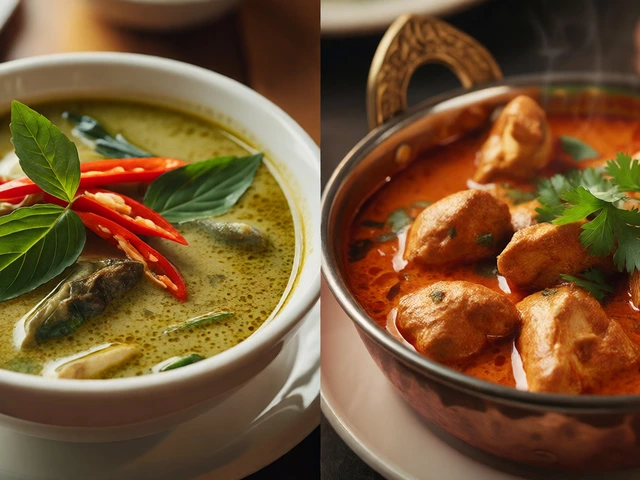
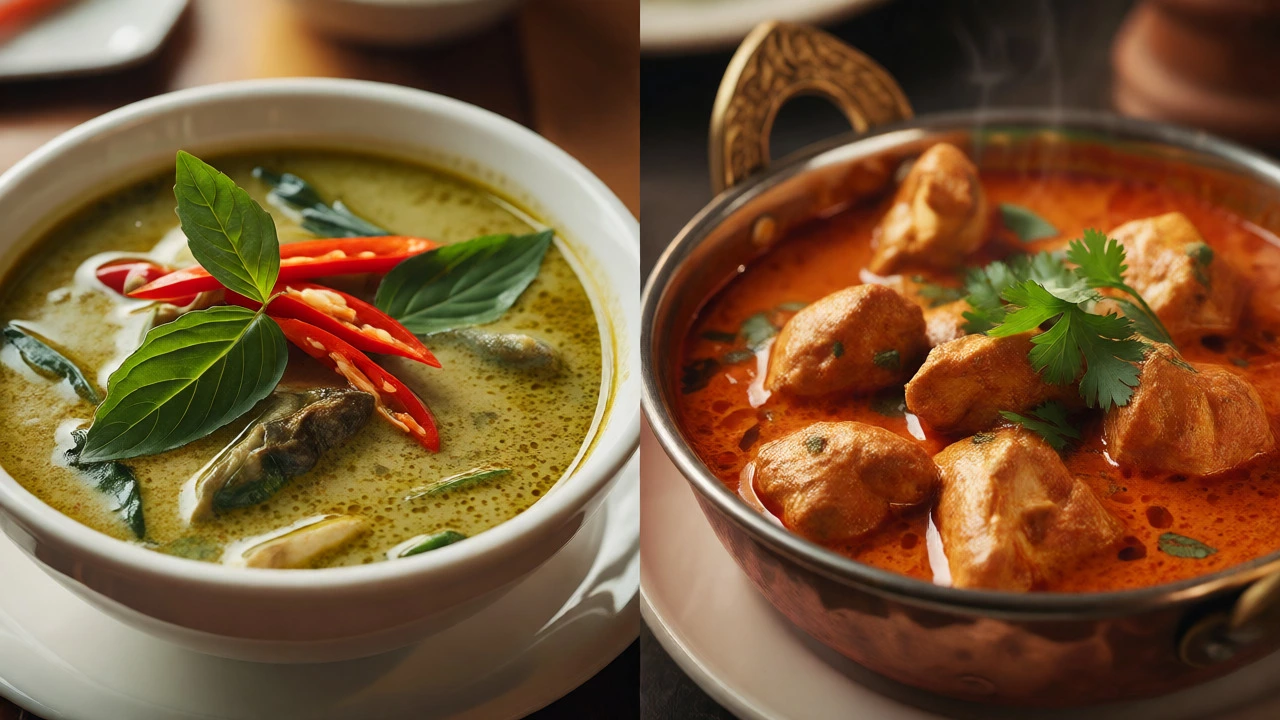
You’re standing in front of the menu, torn between a fragrant Thai Green Curry and a rich Indian Butter Chicken. Both smell incredible. Both promise comfort. But if you’re watching your waistline or trying to eat cleaner, which one actually wins? It’s not as simple as picking the "spicier" option or assuming coconut milk is always bad for you.
The truth is, neither cuisine is inherently healthier than the other. It all depends on what you order, how it’s cooked, and what you pair it with. A plate of deep-fried samosas isn’t exactly a health food, just like a bowl of creamy Pad Thai loaded with sugar can spike your blood glucose faster than you’d expect. Let’s break down the real nutritional differences so you can make smarter choices next time you crave international flavors.
Quick Summary / Key Takeaways
- It’s about ingredients, not just origin: Both cuisines offer superfoods (turmeric, lemongrass) and calorie bombs (cream, sugar).
- Indian food often has more fiber: Thanks to lentils, chickpeas, and whole wheat rotis, traditional Indian meals tend to keep you fuller longer.
- Thai food relies heavily on fresh herbs: Basil, cilantro, and mint add antioxidants without adding calories, but sauces can be high in sodium and sugar.
- Coconut milk vs. Ghee/Cream: Coconut milk has medium-chain triglycerides (MCTs), while dairy cream is higher in saturated fats that may impact cholesterol differently.
- The "Restaurant Trap": Authentic home-cooked versions of both are far healthier than typical takeaway options due to hidden sugars and oils.
The Spice Factor: Turmeric vs. Lemongrass
When we talk about health, spices are where these two cuisines truly shine. They aren’t just there for flavor; they carry serious biological punch.
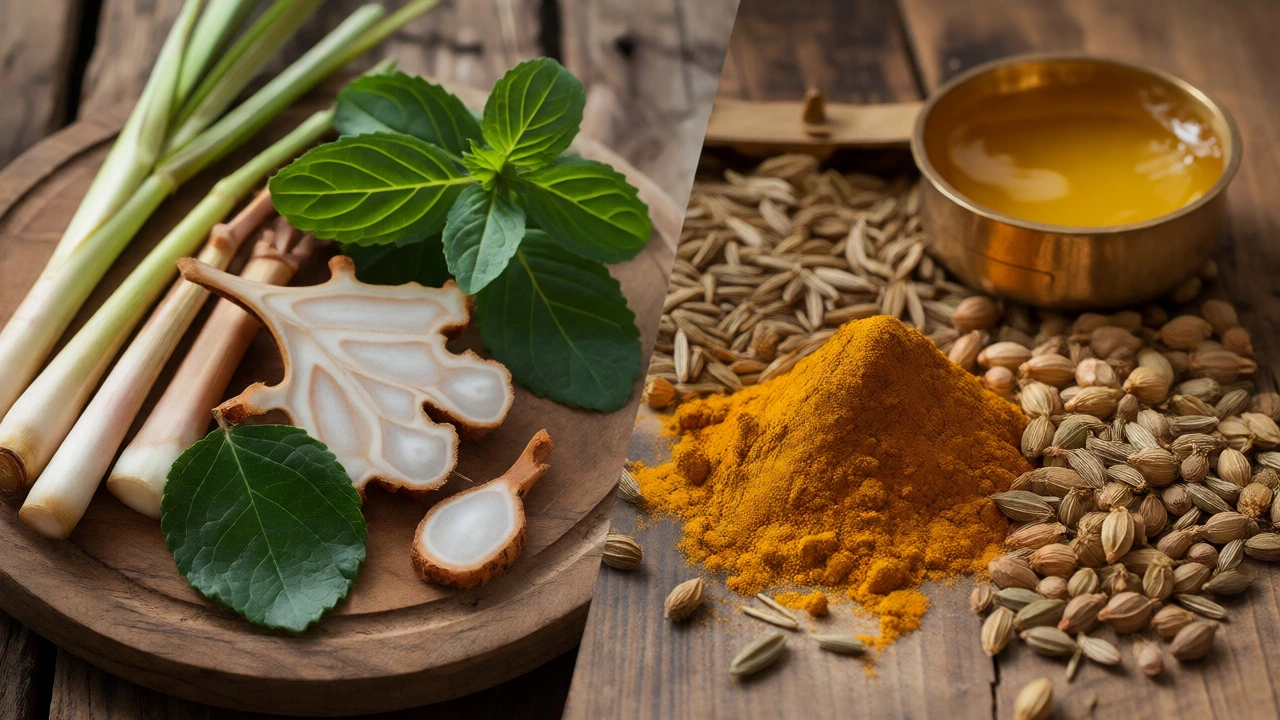
In Indian cuisine, turmeric is the star player. You’ll find it in almost every curry, dal, and rice dish. The active compound, curcumin, has been studied extensively for its anti-inflammatory and antioxidant properties. While bioavailability is low unless paired with black pepper (which contains piperine), regular consumption contributes to long-term gut health and reduced inflammation markers. Other staples like cumin, coriander, and fenugreek aid digestion and help regulate blood sugar levels. If you eat Indian food regularly, you’re getting a daily dose of natural medicine.
Thai cuisine, on the other hand, leans on fresh aromatics like lemongrass, galangal, kaffir lime leaves, and holy basil. These ingredients provide vitamins C and K, along with essential oils that support immune function. Galangal, a relative of ginger, has shown potential in fighting oxidative stress. Unlike the dried spice blends common in some Indian cooking, Thai dishes often use fresh pastes made from scratch, preserving more nutrient integrity before heat destroys them.
| Spice/Herb | Cuisine Origin | Key Benefit | Caloric Impact |
|---|---|---|---|
| Turmeric | Indian | Anti-inflammatory (Curcumin) | Negligible |
| Ginger/Galangal | Both | Digestive aid, nausea relief | Negligible |
| Lemongrass | Thai | Antimicrobial, Vitamin C | Negligible |
| Chili Peppers | Both | Metabolism boost (Capsaicin) | Negligible |
| Coconut Milk | Thai/Indian | MCTs (energy source) | High Fat/Calorie |
Fats and Oils: Coconut Milk vs. Ghee and Cream
This is usually the biggest point of confusion. People see "coconut milk" and think "healthy fat." They see "cream" and think "unhealthy." Is that accurate?
Thai curries, especially Red and Green varieties, rely heavily on coconut milk. This gives the dish its signature richness. Coconut milk is high in saturated fat, specifically lauric acid, which is a medium-chain triglyceride (MCT). Some studies suggest MCTs can boost metabolism and satiety better than long-chain fats found in animal products. However, it is still calorie-dense. One cup of coconut milk can contain over 400 calories. If you’re eating a large portion, those calories add up fast.
Indian cuisine uses ghee (clarified butter) and heavy cream in many popular dishes like Tikka Masala or Korma. Ghee has a high smoke point and contains butyrate, a fatty acid linked to improved gut lining health. However, it is pure saturated fat. Heavy cream adds significant calories and lactose. If you’re sensitive to dairy, this is a clear win for Thai food, provided you don’t have a coconut allergy.
But here’s the catch: Traditional Indian dals (lentil stews) and vegetable sabzis often use very little oil-sometimes just a teaspoon of mustard seed tempered in oil. Meanwhile, many Thai stir-fries use generous amounts of palm oil or vegetable oil. So, don’t assume Thai is lighter just because it doesn’t have cream. Look at the specific dish, not the cuisine label.
Carbohydrates and Fiber: Rice, Roti, and Noodles
What you eat alongside your curry matters just as much as the curry itself. Carbs dictate your energy levels and how full you feel afterward.
Indian meals typically include roti (whole wheat flatbread) or naan (refined flour, often brushed with butter/ghee) and basmati rice. Whole wheat roti is a powerhouse of fiber, which slows down digestion and prevents blood sugar spikes. Basmati rice has a lower glycemic index compared to sticky white rice, making it a decent carb choice. Lentils (dal) are also a staple, providing plant-based protein and massive amounts of fiber.
Thai meals usually come with jasmine rice, which is refined and high-glycemic, meaning it spikes blood sugar quickly. Alternatively, you might get rice noodles (Pad See Ew) or glass noodles. Glass noodles are gluten-free and lower in carbs, but they lack the fiber content of whole grains. If you order Pad Thai, you’re often getting a sweetened noodle dish that acts more like a dessert than a balanced meal.
If you want sustained energy, choose Indian roti or brown rice alternatives. If you prefer a lighter, quicker digesting meal, Thai glass noodles might suit you better, but watch out for the sugar content in the sauce.
Sodium and Sugar: The Hidden Culprits
Flavor comes from balance, but modern restaurant adaptations often tip that balance too far toward salt and sugar.
Thai food uses fish sauce and soy sauce liberally. Fish sauce is incredibly salty-one tablespoon can hit nearly half your daily recommended sodium intake. Combined with shrimp paste and added sugar to balance the heat, a single bowl of Tom Yum or Pad Kra Pao can leave you bloated and thirsty. The sweetness in Thai cooking is distinct; it’s not subtle. Palm sugar is used frequently, adding empty calories.
Indian food tends to be savory and spicy rather than sweet. However, restaurant-style gravies often use cashew paste or cream to thicken sauces, which adds hidden calories. Also, many people reach for raita (yogurt dip) or pickles, which can be high in sodium. But generally, authentic Indian home cooking uses less added sugar than Thai cooking. If you’re watching your sugar intake, Indian food is often the safer bet, provided you skip the breaded starters.
Protein Sources: Legumes vs. Seafood and Meat
Both cuisines offer excellent protein options, but their availability varies by region and dietary preference.
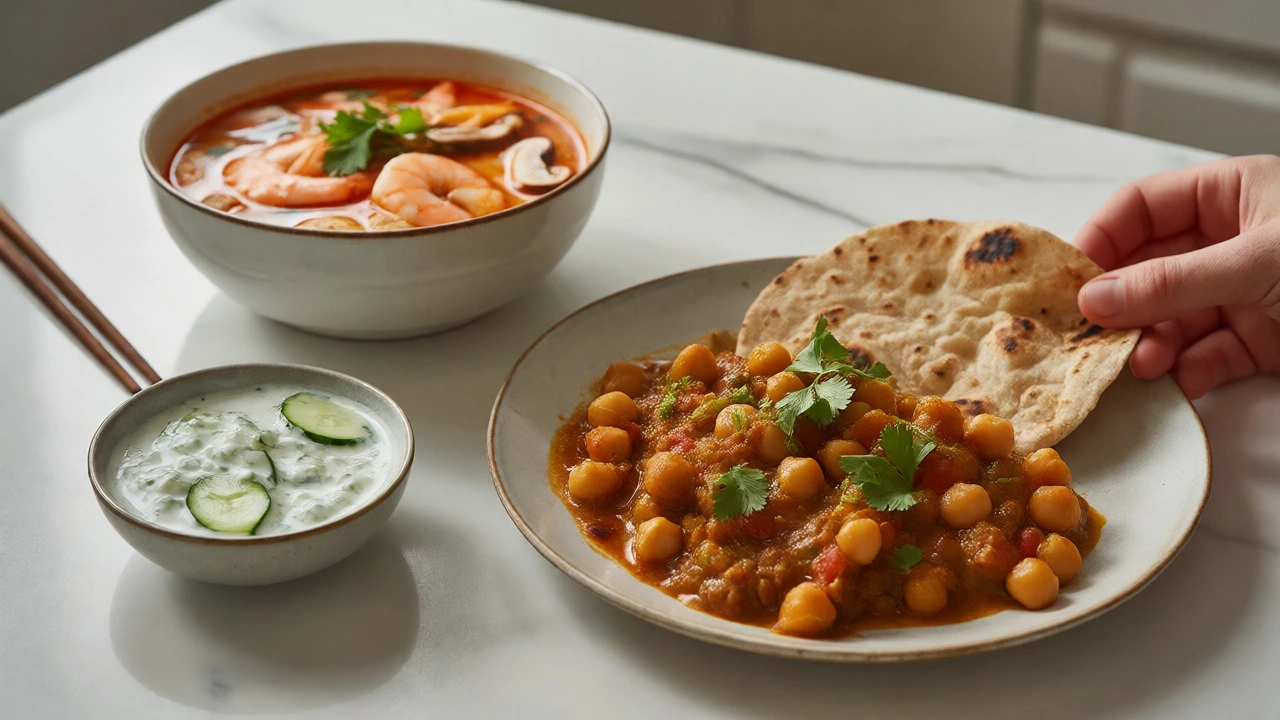
India has the highest vegetarian population in the world, so plant-based proteins are first-class citizens. Chickpeas (chana), lentils (dal), kidney beans (rajma), and paneer (cheese) are staples. Paneer is high in calcium and protein but also high in saturated fat. For vegans, daal is an unbeatable source of affordable, high-quality protein.
Thailand is surrounded by water, so seafood is abundant. Shrimp, crab, and fish are central to many dishes. Lean meats like chicken breast are also common in stir-fries. However, pork is widely used in Northern Thai cuisine, which can be fattier. If you’re looking for lean protein, Thai grilled fish or chicken satay (without the peanut sauce overload) is great. But remember, peanut sauce is calorie-dense!
How to Order Healthier Versions of Both
You don’t have to give up your favorite takeaways. Just tweak your order.
For Indian Food:
- Choose tandoori or tikka items (grilled in a clay oven) over creamy curries like Korma or Malai Kofta.
- Swap naan for roti or ask for no bread and double vegetables.
- Pick dry vegetable dishes (sabzi) instead of gravy-heavy ones.
- Add a side of salad or raita to increase volume without calories.
For Thai Food:
- Order clear soups like Tom Yum Goong (hot and sour soup) instead of coconut-based curries.
- Choose stir-fried vegetables with tofu or chicken over Pad Thai or Pad See Ew.
- Ask for "less oil" and "less sugar" explicitly.
- Skip the fried spring rolls; opt for fresh summer rolls with rice paper wrappers.
Verdict: Which Should You Choose?
So, who wins? If you prioritize fiber, plant-based variety, and blood sugar control, Indian food often edges out Thai food due to the prevalence of lentils, whole grains, and complex spice blends that aid digestion.
If you prefer lighter textures, fresh herbs, and lower dairy intake, Thai food can be healthier, provided you avoid the sugary sauces and heavy coconut creams. Ultimately, the healthiest meal is the one you cook yourself using minimal processed ingredients. But when you’re ordering out, know that a plate of Chana Masala with roti is likely more nutrient-dense than a plate of Pad Thai with extra peanuts.
Is coconut milk in Thai curry unhealthy?
Not necessarily unhealthy, but it is calorie-dense. Coconut milk contains medium-chain triglycerides (MCTs) which can be metabolized differently than other fats, potentially boosting metabolism. However, it is high in saturated fat. In moderation, it fits into a balanced diet, but frequent large portions can lead to excess calorie intake.
Which cuisine is better for weight loss?
Both can support weight loss if you choose the right dishes. Indian food offers high-fiber lentils and vegetables that promote satiety. Thai food offers lean proteins and light broths. The key is avoiding deep-fried items (samosas, spring rolls) and heavy cream/coconut bases. Tandoori chicken and clear Thai soups are top choices for weight loss.
Does Indian food cause more inflammation than Thai food?
Generally, no. In fact, Indian spices like turmeric and ginger are potent anti-inflammatories. However, excessive use of refined flour (naan) and deep-frying can contribute to inflammation. Thai food uses fresh herbs which are anti-inflammatory, but high sugar and sodium content can counteract these benefits. Home-cooked versions of both are typically anti-inflammatory.
Is Thai food high in sugar?
Yes, traditional Thai cooking balances five flavors: sweet, sour, salty, bitter, and spicy. Sweetness is achieved through palm sugar or cane sugar. Dishes like Pad Thai and Massaman Curry can contain significant amounts of added sugar. Always ask for less sugar when ordering.
Can I eat Indian food if I am lactose intolerant?
Yes, many Indian dishes are naturally dairy-free. Dals, chanas, and vegetable curries made with tomato-onion bases do not require cream or yogurt. Avoid dishes labeled 'Malai', 'Korma', or 'Paneer' if you are strictly avoiding lactose, or ask for vegan substitutions.