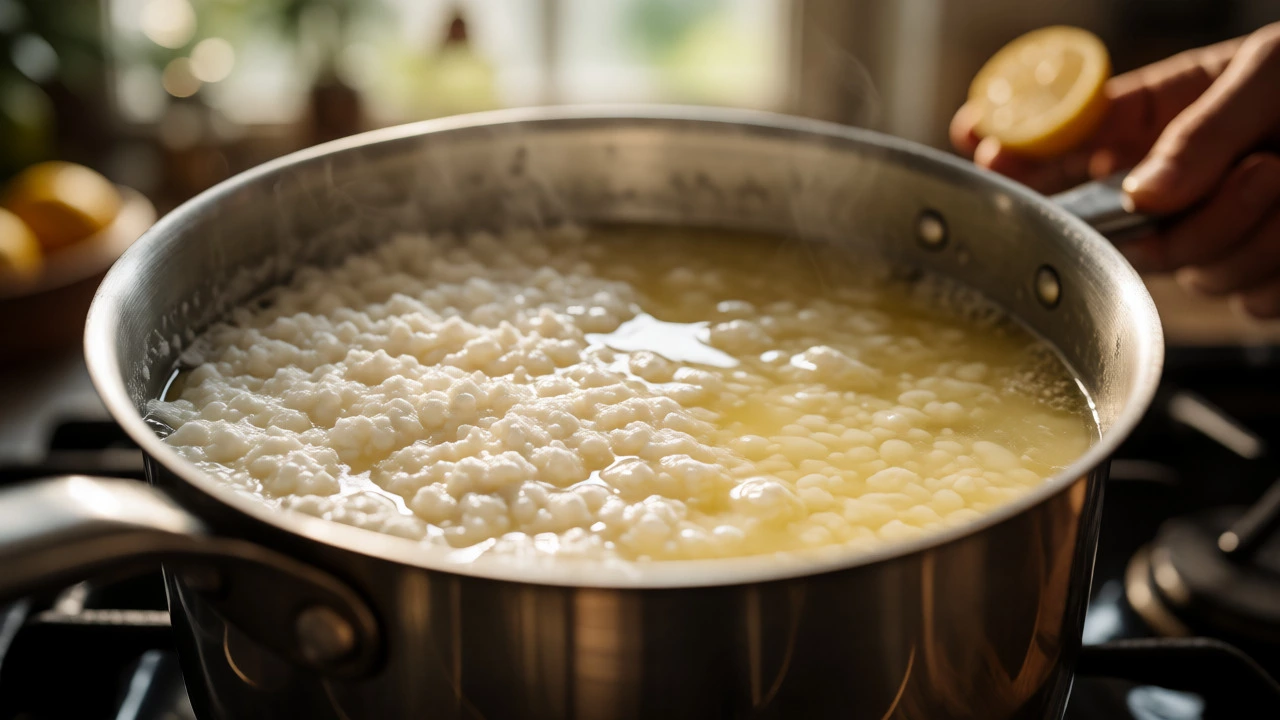
Milk Safety & Paneer Checker
Staring at a pot of separated milk? Don't panic. Answer these three quick questions to decide if you have the base for delicious homemade paneer or if it's time to toss the carton.
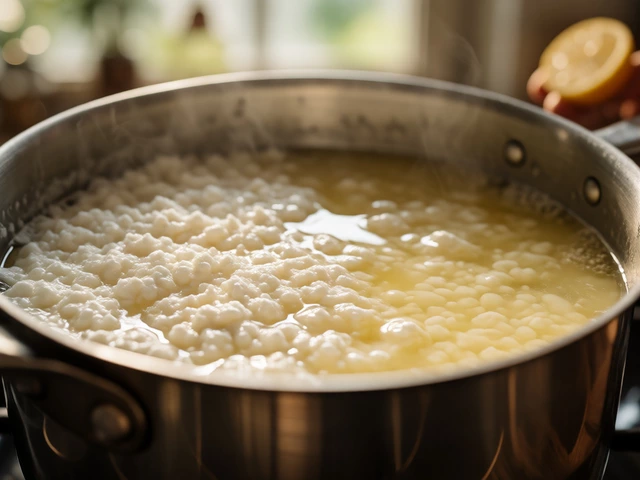
You’re standing in your kitchen, staring at a pot of milk that has suddenly separated into white clumps and watery liquid. Your heart sinks. Did you just ruin dinner? Or did you accidentally make the base for the best homemade paneer you’ve ever tasted? This is one of the most common panic moments in cooking, especially if you’re trying to make Indian cheese or yogurt from scratch. The difference between "I made paneer" and "I need to throw this away" often comes down to a single sensory check: smell.
It’s easy to confuse curdling with spoiling because they look identical on the surface. Both involve milk proteins (casein) clumping together. But chemically and biologically, they are two completely different events. One is a controlled physical change driven by heat or acid; the other is an uncontrolled biological breakdown caused by bacteria. Understanding this distinction saves money, prevents food waste, and ensures you don’t serve something sour when you meant to serve something creamy.
The Science of Separation: Why Milk Clumps
To understand why milk changes state, you have to look at what it actually is. Fresh milk isn’t just water; it’s a complex suspension of fats, sugars (lactose), and proteins suspended in water. The main protein, casein, usually floats around happily, repelling each other because they carry similar electrical charges. Think of them like magnets with the same pole facing out-they push apart, keeping the milk smooth and uniform.
Curdling happens when that balance gets disrupted. Two main things can cause this disruption: acid and heat. When you add lemon juice, vinegar, or even just boil milk too vigorously, the pH level drops. As the environment becomes more acidic, the negative charges on the casein proteins neutralize. Without that repulsive force, the proteins grab onto each other, forming long chains that trap fat and water. These chains become visible as white solids-curds-and the leftover liquid is called whey. This process is reversible in some contexts (like making yogurt) but generally permanent once the proteins bond tightly. Crucially, no new bad stuff is created here. It’s just physics and chemistry doing their job.
Spoilage: When Bacteria Take Over
Spoiled milk is a different story entirely. While curdling is often a deliberate act, spoilage is an invasion. Milk is a perfect breeding ground for bacteria because it’s rich in nutrients. If milk sits out too long or isn’t pasteurized properly, naturally occurring bacteria (or contaminants from the air) start feasting on the lactose sugar.
As these bacteria digest the sugar, they produce lactic acid as a waste product. This is where the confusion starts: the lactic acid lowers the pH, which causes the milk to curdle. So, yes, spoiled milk does curdle. But unlike the clean separation in paneer-making, this curdling is accompanied by a messy biological party. The bacteria aren’t just making acid; they’re breaking down proteins and fats into other compounds. This produces sulfurous gases and amines, which give spoiled milk its distinct, unpleasant odor. You might also see color changes-yellowing or greenish tints-or mold floating on top. The texture becomes slimy rather than grainy. In short, spoilage is decomposition, while curdling is coagulation.
How to Tell the Difference: The Smell Test
If you’re trying to decide whether to eat that carton or toss it, rely on your nose before your eyes. Visuals can be deceptive, especially if the milk has been sitting in the fridge and separated slightly due to cold temperatures (which is normal for non-homogenized milk).
- The Sour vs. Rotten Smell: Curdled milk from an accident (like adding too much lemon) smells tangy, fresh, and clean-similar to plain yogurt or buttermilk. Spoiled milk smells sharp, pungent, and distinctly rotten. If it smells like feet or old gym socks, it’s gone bad.
- The Taste Test: If the smell is ambiguous, take a tiny sip. Curdled milk tastes tart and acidic but pleasant. Spoiled milk tastes bitter, fizzy, or intensely sour in a way that makes your face pucker involuntarily. If it fizzes on your tongue, gas-producing bacteria are active. Spit it out immediately.
- Texture Check: Good curds are firm and separate cleanly from the whey. Bad curds are often soft, mushy, or slimy. If the liquid part looks cloudy or discolored, that’s a red flag.
Remember, safety first. If you are immunocompromised, pregnant, or serving young children, do not gamble with questionable dairy. The risk of bacterial infection outweighs the cost of a new carton of milk.
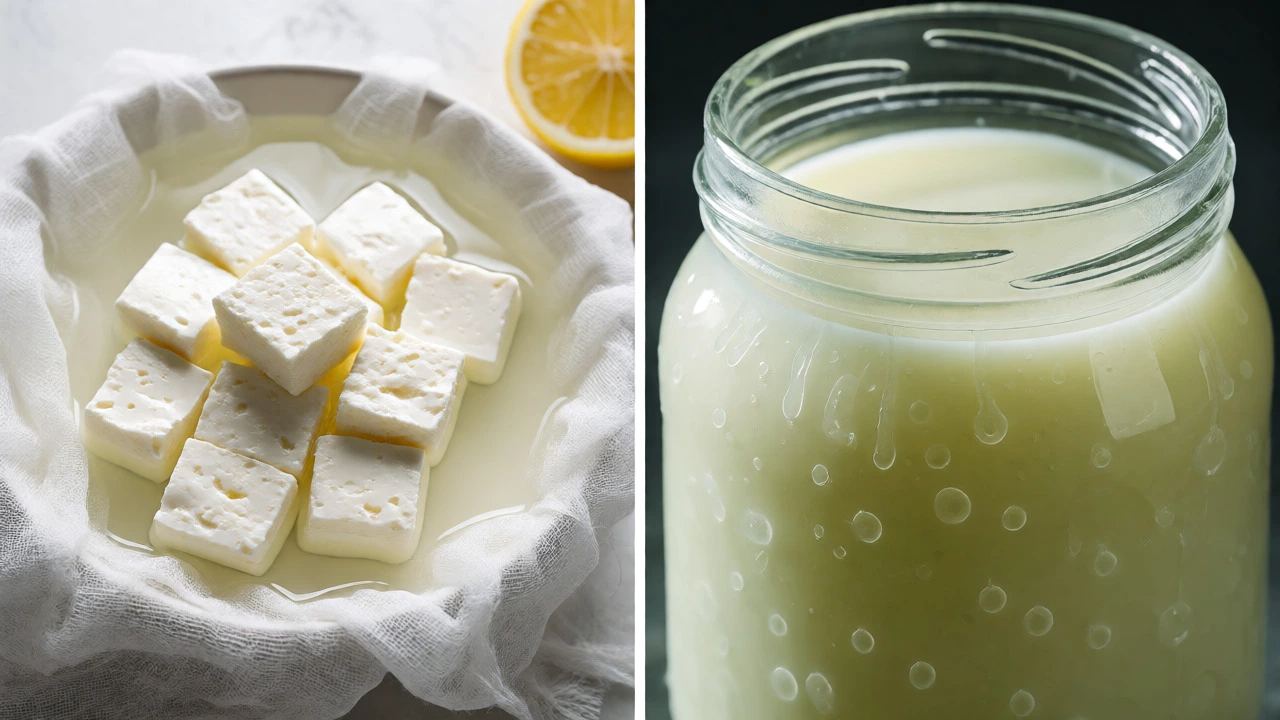
Using Curdled Milk for Homemade Paneer
Since you’re interested in homemade paneer, let’s talk about how to use curdled milk intentionally. Paneer is essentially fresh cheese made by coagulating hot milk with an acid. You don’t need rennet (an enzyme used in many Western cheeses); simple household acids work perfectly.
Here is the basic method for turning curdled milk into paneer:
- Heat the Milk: Bring full-fat milk to a gentle boil. Stir occasionally to prevent scorching. Full-fat milk yields creamier paneer; low-fat versions can turn rubbery.
- Add Acid: Once boiling, reduce heat and slowly stir in lemon juice, white vinegar, or citric acid solution. Start with 1 tablespoon per liter and add more only if needed. Stop adding acid as soon as the milk separates clearly into white solids and clear-ish yellow whey.
- Let it Rest: Turn off the heat and cover the pot. Let it sit for 10-15 minutes. This allows the curds to firm up.
- Strain: Pour the mixture through cheesecloth or a fine-mesh sieve lined with cloth over a bowl. Save the whey-it’s great for baking bread or making dal!
- Rinse: Rinse the curds under cold running water to wash away the excess acid. This stops the cooking process and removes any lingering lemon taste.
- Press: Gather the corners of the cloth and squeeze out excess moisture. For soft paneer, press lightly. For firm cubes, place a heavy weight on top for 30-60 minutes.
If your milk curdled accidentally due to being slightly old but still smells fine, you can still use it for paneer! Just rinse the curds thoroughly to remove any off-flavors. However, if the milk was already slimy or smelled bad before you heated it, skip it. The bacteria have already compromised the flavor profile.
Accidental Curdling: Saving Soups and Sauces
What if you’re making a creamy soup or a pasta sauce and the dairy splits? Don’t panic. You can often save the dish.
For soups: Remove from heat immediately. Whisk in a teaspoon of cornstarch mixed with cold water, or blend the soup with an immersion blender. The high-speed blending can sometimes re-emulsify the fats and proteins, smoothing out the texture. Adding a bit of starch helps stabilize the emulsion.
For sauces: If a béchamel or cream sauce curdles, try removing it from the heat and whisking in a splash of cold milk or cream. Sometimes, vigorous whisking can bring it back together. If it stays grainy, strain it through a sieve to remove the solids, then thicken the remaining liquid with flour or roux. It won’t be as rich, but it will be edible.
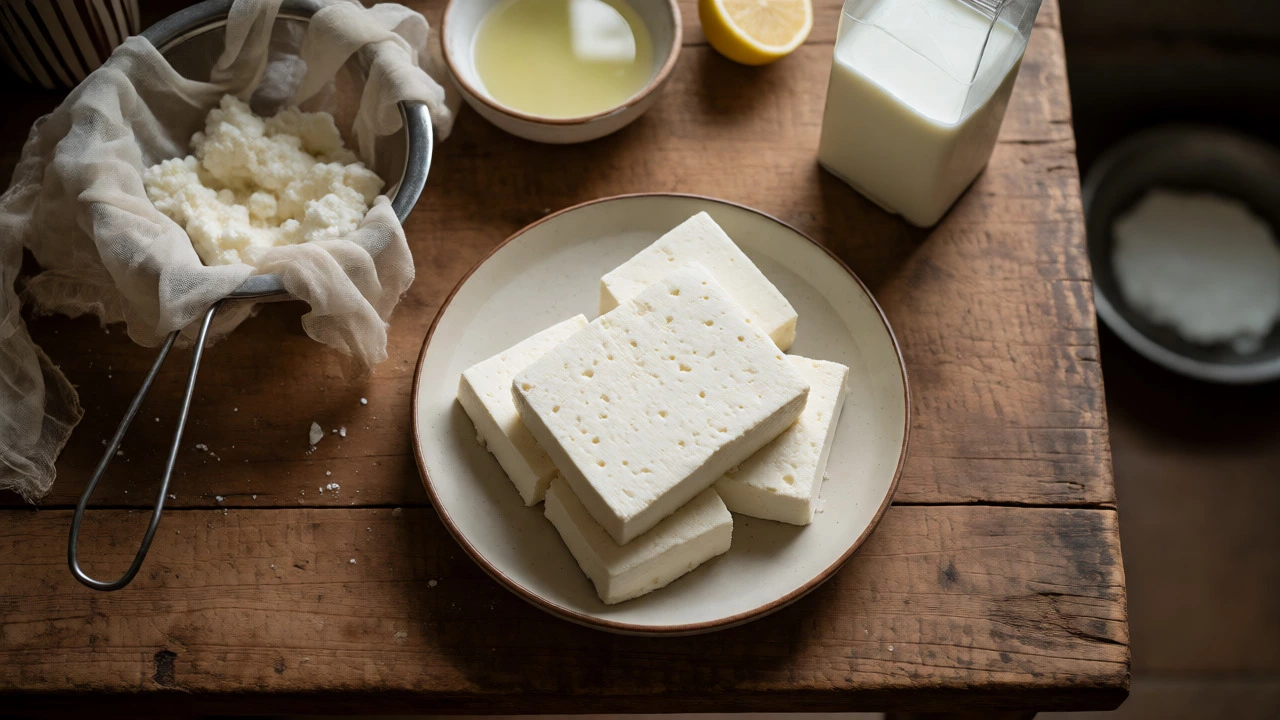
Storage Tips to Prevent Premature Curdling
Most accidental curdling happens because milk is stored improperly. Here’s how to keep your milk fresh longer:
- Keep it Cold: Store milk in the coldest part of your fridge, usually the back shelf, not the door. The door temperature fluctuates every time you open the fridge, accelerating bacterial growth.
- Check Dates, Not Just Smells: Use-by dates are guidelines, but your nose is the final judge. Pasteurized milk can last 5-7 days after opening if kept below 4°C (39°F).
- Avoid Cross-Contamination: Never pour unused milk back into the original carton. Use-of-mouth contact introduces bacteria that can spoil the whole batch quickly.
- Freeze It: If you buy milk in bulk and can’t finish it, freeze it. Note that frozen milk may separate upon thawing, but it’s perfectly safe for cooking and baking (just not for drinking straight).
| Feature | Curdled Milk (Acid/Heat) | Spoiled Milk (Bacterial) |
|---|---|---|
| Cause | Physical change (pH drop or heat denaturation) | Biological decay (bacterial fermentation) |
| Smell | Tangy, clean, acidic (like yogurt) | Pungent, rotten, sulfurous, foul |
| Taste | Tart, pleasant acidity | Bitter, sour, fizzy, unpleasant |
| Texture | Firm curds, clear whey | Mushy/slimy curds, cloudy/discolored whey |
| Edibility | Safe to eat (make paneer/yogurt) | Discard (risk of illness) |
| Color | White curds, pale yellow whey | Yellow/Green tint, possible mold |
Common Myths About Dairy Separation
There are a few persistent myths worth busting. First, "milk curdles faster in summer." This is true, but not because of magic. Higher ambient temperatures speed up bacterial metabolism. Keep milk colder in warm months. Second, "raw milk curdles differently." Raw milk contains natural enzymes and bacteria that can cause it to sour rather than sweet-curdle. It thickens gradually instead of separating sharply. This is normal for raw milk but can be confusing if you expect store-bought behavior. Third, "adding salt curdles milk." Salt alone doesn’t usually curdle fresh milk significantly, but it can destabilize emulsions in hot sauces, leading to splitting. Always add salt late in the cooking process for delicate dairy dishes.
Ultimately, milk is forgiving. If you catch it early, you can transform a potential disaster into a delicious ingredient. Whether you’re making paneer for curry night or saving a creamy soup, trust your senses. If it smells right, it probably is. If it smells wrong, bin it. Simple as that.
Can I drink curdled milk?
Yes, if it curdled due to acid or heat and smells fresh/tangy, it is safe to drink or use in cooking. It is essentially the base for yogurt or kefir. However, if it curdled due to spoilage (smells rotten), do not drink it.
Why did my milk curdle in coffee?
Coffee is acidic (pH ~5). If your milk is older, its natural acidity is higher. When you combine acidic coffee with aging milk, the combined pH drops enough to cause instant curdling. This is harmless but visually unappealing. Use fresher milk or lower-acidity coffee beans.
Is curdled milk good for gut health?
If the curdling is due to beneficial bacterial fermentation (like in yogurt or kefir), yes, it provides probiotics. If it's just acid-coagulated (like paneer), it doesn't have live probiotics unless fermented further. Spoiled milk offers no health benefits and may contain harmful pathogens.
How do I stop milk from curdling when cooking?
Avoid boiling milk rapidly. Heat gently and stir constantly. Add acidic ingredients (like tomatoes or wine) slowly and ensure the rest of the dish is not overly hot. Using starch (flour/cornstarch) can also help stabilize dairy in sauces.
Can I make paneer from spoiled milk?
Only if it is very mildly sour and smells clean. If it has a strong rotten odor or slimy texture, the bacteria have produced off-flavors that will transfer to the cheese. It's better to discard severely spoiled milk.