Chicken Tikka vs. Tandoori Health Calculator
Adjust the settings below to see how your order impacts your daily calorie and protein intake.
Chicken Tikka
Boneless Breast Meat0g of pure meat
Tandoori Chicken
Thigh/Leg Quarters0g of pure meat
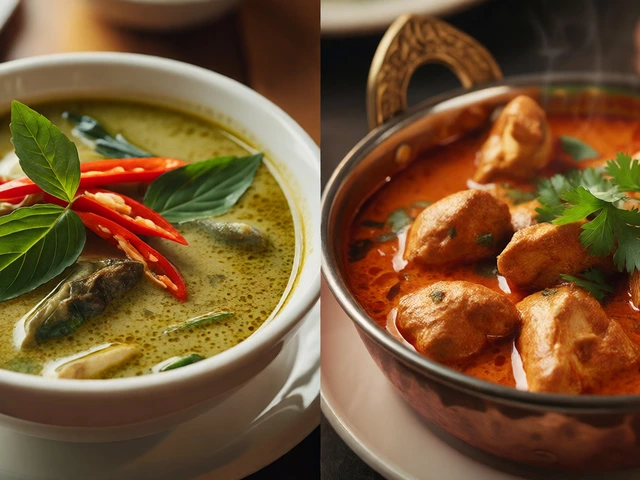
You’re standing at the counter of your favorite Indian restaurant in Brighton, staring at the menu. On one side, Chicken Tikka is boneless chunks of marinated chicken cooked in a clay oven. On the other, Tandoori Chicken is whole or half chickens with bones, also marinated and roasted in a tandoor. You want the flavor, but you also want to keep your waistline happy. So, which one actually wins on the health front?
The short answer? It’s not about the spice mix; it’s about the anatomy of the meat. But there’s more nuance here than just "skin-on" versus "skin-off." Let’s break down the macros, the marinades, and the cooking methods so you can order with confidence next time.
Nutritional Showdown: The Raw Numbers
Before we get into the weeds, let’s look at what you’re actually eating. Most people assume both dishes are identical because they share the same marinade base-yogurt, lemon juice, garlic, ginger, and spices like garam masala and Kashmiri chili powder. The difference lies entirely in the cut of the bird and how much surface area gets exposed to that marinade.
| Metric | Chicken Tikka (Breast) | Tandoori Chicken (Thigh/Leg) |
|---|---|---|
| Calories | ~165 kcal | ~210 kcal |
| Protein | 31g | 26g |
| Total Fat | 3.6g | 10.9g |
| Saturated Fat | 1g | 3g |
| Sodium | High (due to marinade penetration) | Moderate-High |
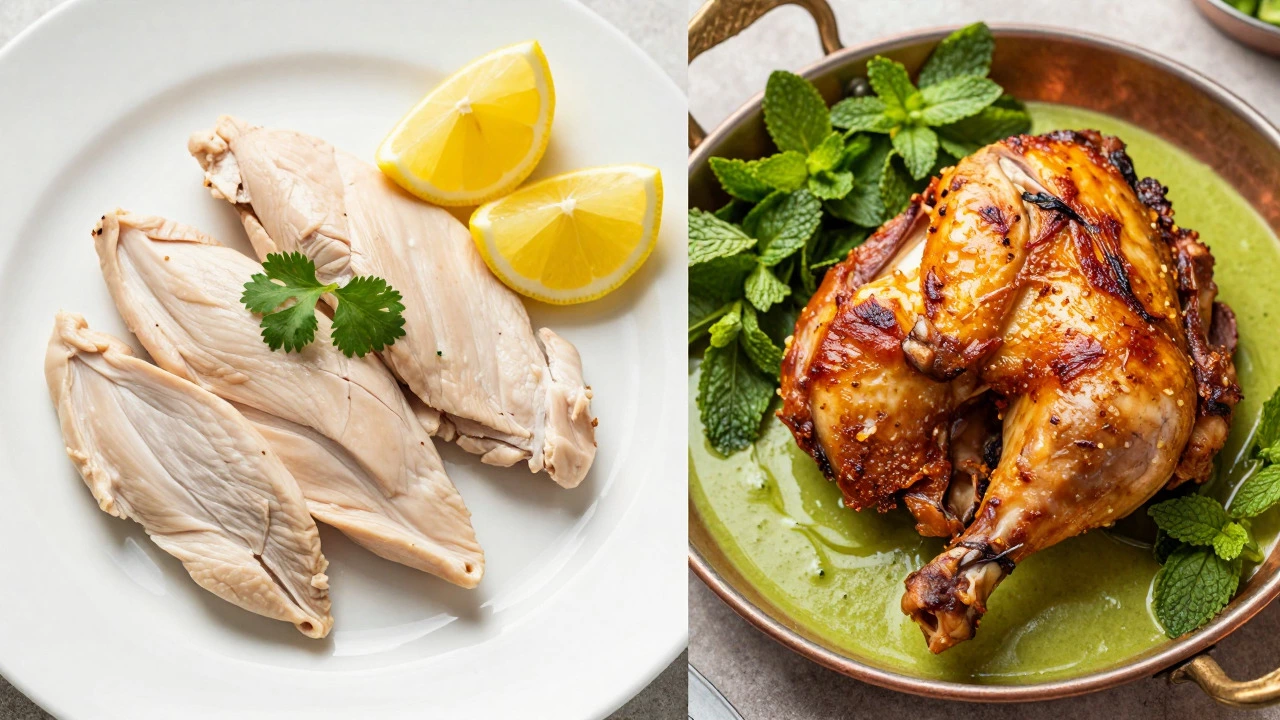
See that fat gap? That’s the game-changer. Chicken Tikka is almost exclusively made from boneless breast meat. Breast meat is naturally leaner. Tandoori chicken, however, is traditionally served as quarters or halves, meaning it includes thighs, drumsticks, and wings. Dark meat has more intramuscular fat, which keeps it juicy during the high-heat roasting process but adds calories.
The Marinade Myth: Yogurt Isn’t Just for Taste
Here’s where things get interesting for your gut health. Both dishes rely heavily on yogurt-based marinades. This isn’t just for tenderizing the meat; the lactic acid in the yogurt breaks down protein structures, making the chicken easier to digest. If you have a sensitive stomach, this fermentation-like pre-digestion is a genuine benefit.
However, the sodium content is a hidden trap. To make the flavors penetrate dense thigh meat in Tandoori chicken, restaurants often use more salt. Chicken Tikka, being smaller pieces, absorbs flavor faster, sometimes requiring less aggressive salting, though this varies wildly by chef. If you’re watching your blood pressure, ask for "less salt" regardless of which you pick. The red color? Don’t worry-that’s usually paprika or natural coloring, not artificial dyes loaded with sugar.
Cooking Method: Why the Clay Oven Matters
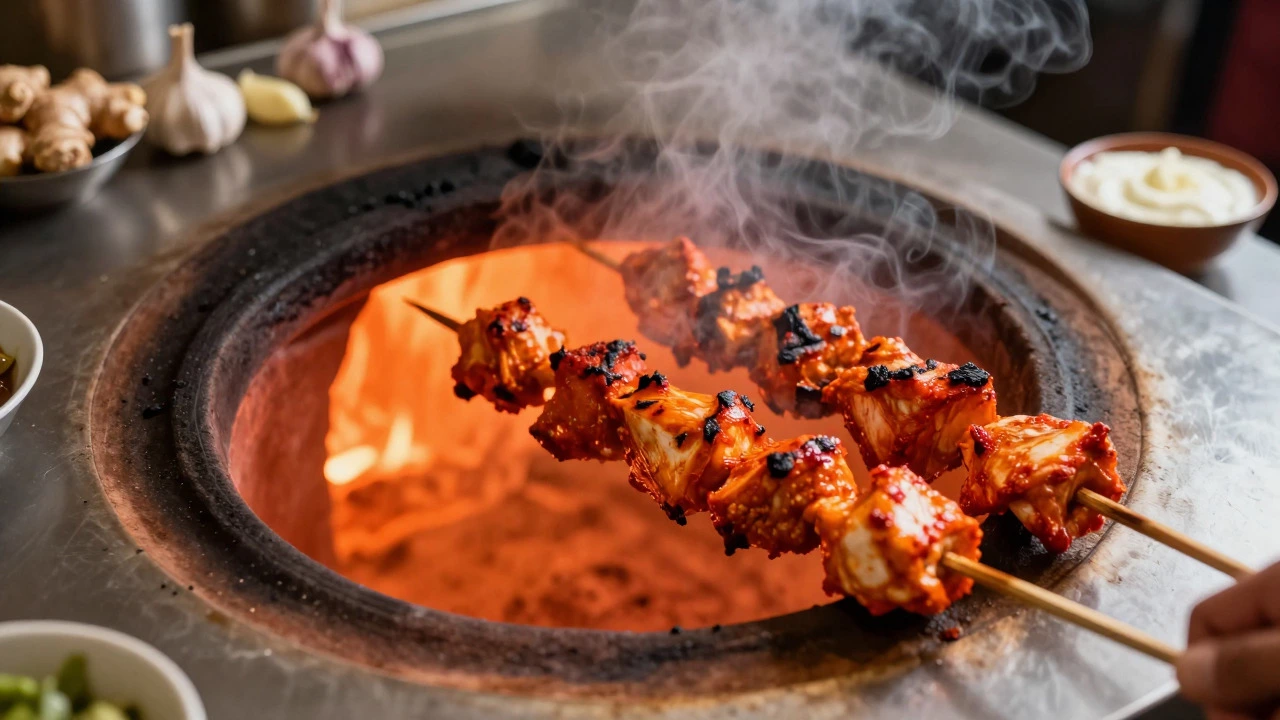
Both dishes share the same secret weapon: the Tandoor is a cylindrical clay oven used in South Asian cuisine. Unlike frying, which submerges food in oil, the tandoor uses radiant heat and convection. Temperatures inside hit 480°C (900°F).
This method renders out some of the fat. When you grill a fatty piece of dark meat over an open flame or in a tandoor, the dripping fat burns off. So, while Tandoori chicken starts with more fat, the cooking process removes some of it. Still, you’re left with more residual fat than the already-lean breast meat of Chicken Tikka. If you’re strictly counting macros, Tikka remains the lighter option.
Portion Control: The Bone Factor
Let’s talk about edible yield. When you order a plate of Tandoori Chicken, you might see a whole leg quarter. Looks impressive, right? But once you strip away the bone, cartilage, and skin, the actual amount of meat you eat is significantly less than a comparable weight of Chicken Tikka. A 200g serving of bone-in Tandoori might only give you 120g of meat. A 200g serving of Chicken Tikka gives you 200g of meat.
This matters if you’re trying to hit a protein target. You’ll need to eat more volume of Tandoori to get the same protein punch as Tikka, which means consuming more sodium and potential additives along the way. For post-workout recovery, Chicken Tikka is arguably more efficient.
Hidden Calories: The Accompaniments
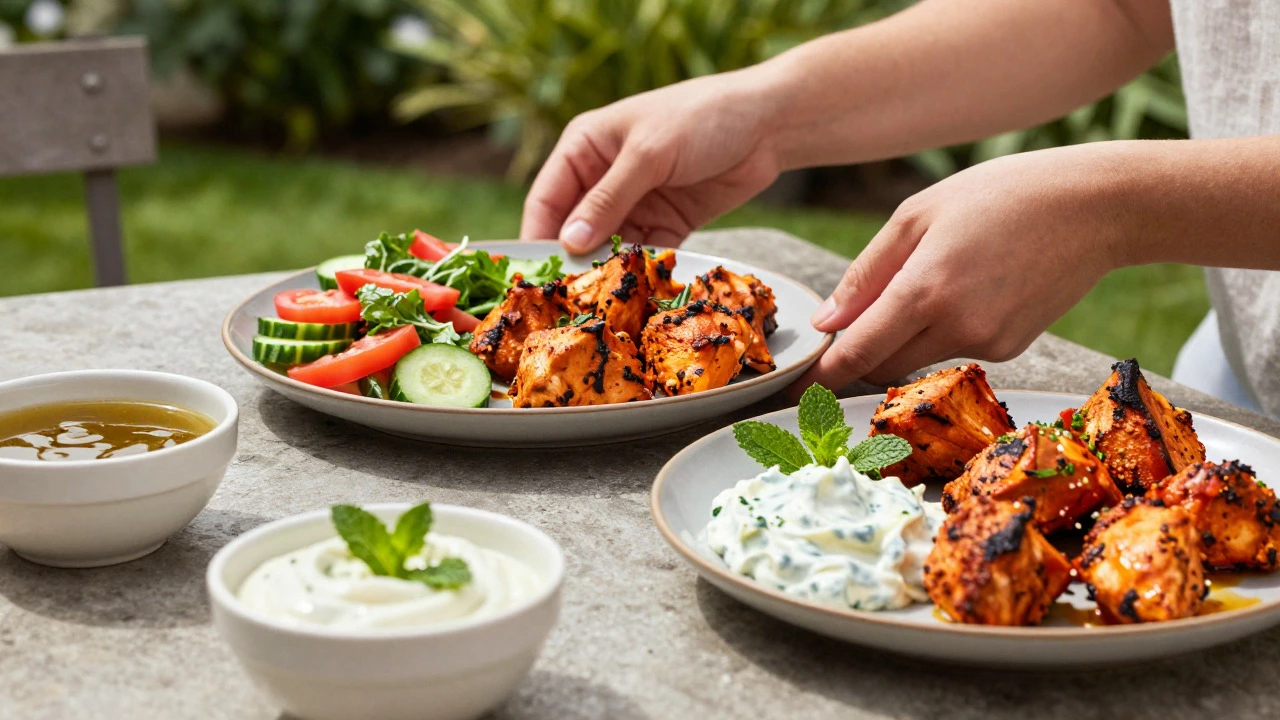
We rarely eat these dishes alone. In India, you’d pair them with naan or rice. In the UK, we often get mint sauce, salad, and chips. Here’s the kicker: Mint sauce is basically sugar syrup with green dye. One tablespoon can have 15 grams of sugar. If you drown your healthy grilled chicken in sugary mint sauce, you’ve undone the benefits.
Instead, opt for fresh coriander chutney (check for no added sugar) or a squeeze of lemon. Pair your meal with a simple kachumber salad (cucumber, tomato, onion) rather than heavy cream-based dips. If you must have bread, go for roti instead of buttered naan. Roti is whole wheat and dry-cooked, saving you hundreds of empty calories.
Verdict: Who Wins?
If your goal is maximum protein with minimum fat and calories, Chicken Tikka takes the crown. It’s leaner, denser in protein, and allows for better portion control since you’re eating pure meat.
But don’t write off Tandoori Chicken. It’s still far healthier than deep-fried options like Pakoras or creamy curries like Butter Chicken. The fats in dark meat contain more iron and zinc, essential minerals for energy levels. Plus, the experience of gnawing on a bone-in piece is part of the culinary joy. If you remove the skin before eating, the calorie difference shrinks significantly.
So, what’s the move? Order Chicken Tikka if you’re strict about macros. Order Tandoori Chicken if you want flavor depth and mineral density, but skip the skin and watch the sauces. Either way, you’re making a solid choice compared to the fried starters.
Is Chicken Tikka always made from breast meat?
Typically, yes. Traditional Chicken Tikka recipes call for boneless chicken breast cubes to ensure tenderness and quick cooking. However, some budget-friendly or home-style versions might use diced thigh meat for juiciness. Always check with the kitchen if you are strictly avoiding dark meat fats.
Why is Tandoori chicken reddish-orange?
The vibrant color comes primarily from Kashmiri chili powder, which provides mild heat and rich color without intense spiciness. Some commercial kitchens add red food coloring for visual appeal, but authentic preparations rely on the natural pigments of the spices and the char from the tandoor.
Can I eat Chicken Tikka on a keto diet?
Yes, Chicken Tikka is generally keto-friendly. The marinade consists of yogurt, oil, and spices, all low-carb ingredients. Just be cautious with store-bought versions that might include sugar in the marinade or serve it with sweetened chutneys. Stick to savory sides like sautéed spinach or cauliflower rice.
Which dish has more sodium?
It depends on the restaurant, but Tandoori Chicken often requires higher salt concentrations to penetrate the thicker cuts of meat and bone. Chicken Tikka pieces are smaller, so salt penetrates quickly, potentially allowing chefs to use less total salt. Always request reduced salt if you are hypertensive.
Is homemade better than restaurant style?
Homemade is almost always healthier. You control the oil quantity, salt level, and sugar in any accompanying sauces. Restaurant versions often use excessive ghee or cream to enhance mouthfeel, adding unnecessary saturated fats that aren't present in traditional home-cooked versions.