Chutney Shelf Life Calculator
Select the details of your chutney below to see its estimated safe consumption window.
Estimated Shelf Life
Why this duration?
Safety Tips

Fill out the form to get your personalized chutney shelf life estimate.
You just spent three hours simmering mangoes, spices, and sugar until your kitchen smelled like a tropical vacation. You ladled that glossy, vibrant chutney into sterilized glass jars, sealed the lids, and watched the vacuum pop with a satisfying hiss. Now it sits on your pantry shelf, looking perfect. But when you finally crack one open next month, will it still taste fresh, or has it turned into a science experiment gone wrong?
The truth is, homemade chutney doesn't come with an expiration date stamped on the bottom of the jar. Its lifespan depends entirely on how you made it, how you stored it, and what kind of chutney it actually is. A vinegar-heavy pickle-style chutney behaves very differently from a fresh mint coriander paste. Getting this wrong isn't just about flavor; it's about avoiding mold and keeping your food safe to eat.
Key Takeaways
- Vinegar-based chutneys (like mango or tomato) last 6-12 months unopened if properly canned.
- Fresh herb chutneys (mint, cilantro) last only 3-5 days in the fridge due to high moisture and low acidity.
- Sugar acts as a preservative: Higher sugar content generally extends shelf life by binding water molecules.
- Contamination kills quickly: Using a wet spoon introduces bacteria, reducing shelf life by half.
- Freezing is the best hack: Most chutneys freeze perfectly for up to 3 months without losing texture.
The Chemistry of Preservation: Why Some Chutneys Survive Longer
To understand how long your jar lasts, you have to look at what’s inside it. Preservation is basically a war against microbes. Three main weapons fight this battle: acidity, sugar, and heat processing.
If your recipe calls for significant amounts of vinegar or lemon juice, you’re relying on pH levels below 4.6 to stop bacterial growth. This is why traditional Indian achar or British-style fruit chutneys can sit in a cupboard for a year. The acid creates an environment where spoilage organisms simply cannot thrive. On the flip side, a fresh green chutney made with raw herbs, water, and minimal salt has almost no natural defense mechanisms. It’s essentially cut-up vegetables sitting in a jar, which means it rots fast.
Sugar plays a dual role here. Yes, it sweetens the pot, but it also binds to water molecules through osmosis. Microbes need free water to survive. If you’ve cooked down a mango chutney until it’s thick and sticky, you’ve removed most of that available water, making it much harder for mold to take hold. However, if your chutney is watery-perhaps you added too much liquid during blending-it becomes a breeding ground for yeast and bacteria, regardless of how much sugar you added.
Categorizing Your Chutney: Shelf Life Breakdown
Not all chutneys are created equal. To give you accurate timelines, we need to split them into two distinct groups: preserved (cooked/canned) and fresh (uncoked/refrigerated).
| Chutney Type | Preparation Method | Pantry (Unopened) | Fridge (Opened) | Freezer |
|---|---|---|---|---|
| Mango/Tomato Chutney | Cooked with vinegar/sugar, hot-filled | 6-12 Months | 1-2 Months | Up to 3 Months |
| Coconut Chutney | Blended raw or lightly tempered | N/A (Must Refrigerate) | 3-5 Days | 1 Month |
| Mint/Cilantro Chutney | Raw blend with water/lemon | N/A (Must Refrigerate) | 3-7 Days | 1 Month |
| Tamarind Chutney | Cooked reduction, often oil-free | 3-6 Months | 2-3 Weeks | 2 Months |
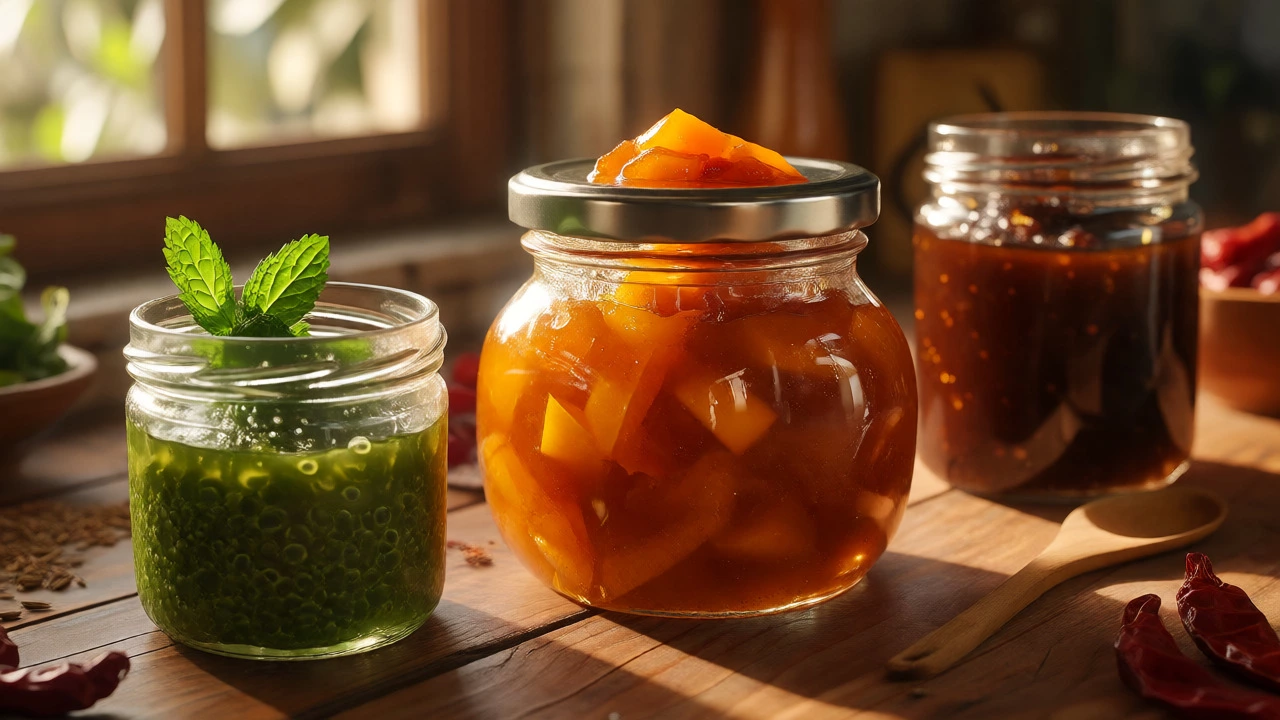
Notice the stark difference between the top and bottom rows. Cooked chutneys with vinegar are practically immortal compared to their fresh counterparts. If you make a batch of tamarind chutney for a dinner party, you can realistically keep it in the fridge for two weeks. But if you blend up some fresh mint for samosas, you need to finish it within the week, or it turns brown and loses its zesty punch.
The Sterilization Factor: Did You Do It Right?
You can have the best recipe in the world, but if your jars weren’t sterile, your chutney will fail early. This is especially true for any chutney intended for pantry storage.
Proper sterilization involves washing jars in hot soapy water, then heating them in an oven at 140°C (285°F) for 15 minutes or boiling them for 10 minutes. Lids should be simmered (not boiled vigorously) to soften the sealant. When you fill the jars, you want to use the "hot fill" method: pour the boiling hot chutney directly into the hot jars. This process helps create a vacuum seal as the contents cool and contract.
If you skip this step and put warm chutney into cold jars, condensation forms inside. That moisture is enemy number one. It prevents a proper seal and allows airborne mold spores to settle and grow. Check your seals before storing. Press the center of the lid; if it pops up and down, it’s not sealed. Eat that jar immediately or refrigerate it; don’t try to store it long-term.
Signs Your Chutney Has Gone Bad
How do you know when to toss it? Don’t rely solely on dates. Use your senses. First, look at the surface. Is there fuzzy mold growing on top? In high-sugar environments, mold might look white or grey. If you see it, throw the whole jar away. Scraping off the top isn’t enough because invisible roots (hyphae) likely penetrate deeper.
Next, check the smell. Fresh chutney should smell aromatic-spicy, tangy, or fruity depending on the base. If it smells yeasty, like bread dough or beer, fermentation has started. This happens when wild yeasts get in, usually due to poor sealing or using dirty utensils. Fermented chutney might still be technically safe if it’s acidic, but the flavor profile changes drastically. If it smells rotten or sulfurous, bin it.
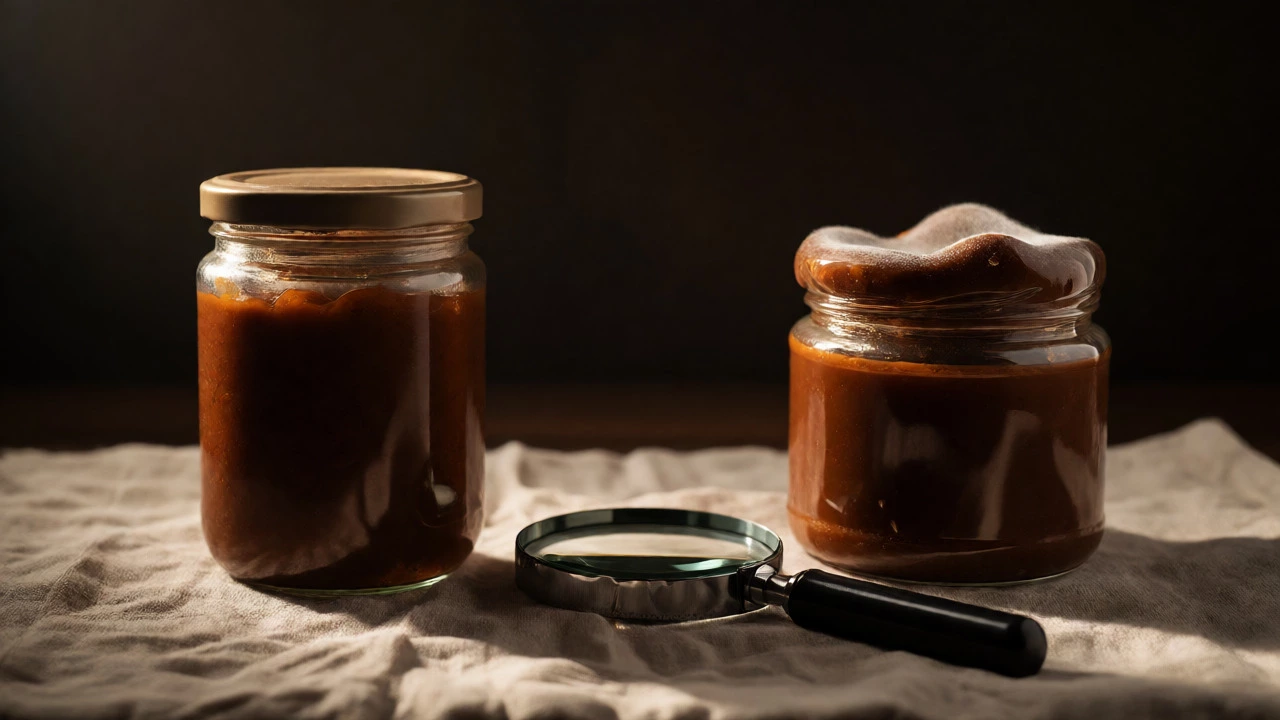
Finally, look for gas. If the lid bulges outward, pressure has built up inside. This indicates active bacterial activity producing carbon dioxide. For low-acid foods, this can signal botulism risk, though rare in high-acid chutneys. Regardless, a bulging lid means the integrity is compromised. Do not taste it first; trust the visual cue.
Storage Hacks to Maximize Longevity
You can extend the life of your creations with a few simple habits. The biggest killer of opened jars is cross-contamination. Every time you dip a used spoon back into the jar, you introduce saliva and bacteria from your mouth. Always use a clean, dry spoon. Better yet, scoop out what you need into a small serving bowl rather than dipping directly into the main jar.
For fresh chutneys like coconut or mint, adding a thin layer of oil on top before sealing can help. The oil creates a barrier against oxygen, slowing down oxidation (which causes browning). Just remember that once you break that oil seal, you must consume it faster.
Freezing is underrated. Many home cooks hesitate to freeze chutney fearing texture changes, but it works wonders for herb-based varieties. Pour your mint or coriander chutney into ice cube trays. Once frozen solid, pop the cubes into a freezer bag. Now you have single-serving portions ready to drop into curries or thaw for dips. This bypasses the "fridge rot" issue entirely.
Common Mistakes That Shorten Shelf Life
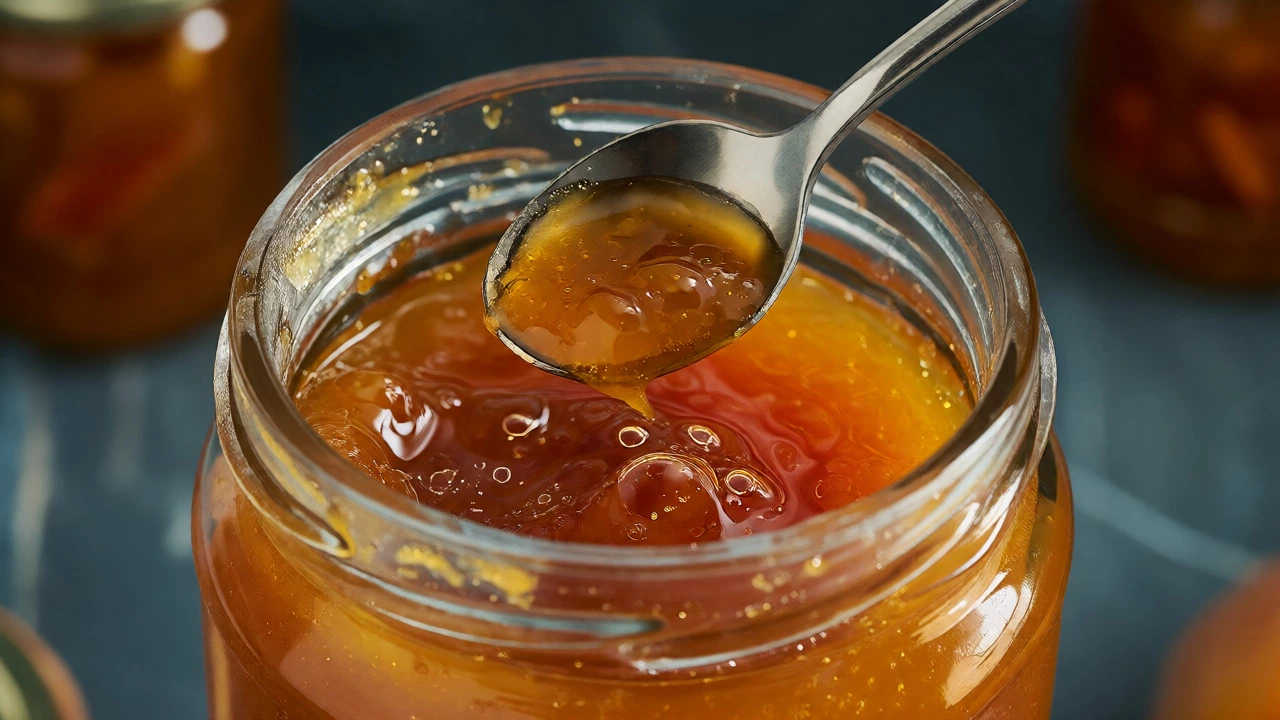
One frequent error is under-cooking. If you’re making a cooked chutney, ensure it reaches a rolling boil for the specified time. This isn't just about flavor melding; it’s about killing pathogens and evaporating excess water. If your chutney is too runny, it won’t preserve well. Simmer it longer until it coats the back of a spoon.
Another mistake is storing jars in direct sunlight. Light degrades colors and vitamins, and it can generate heat fluctuations that weaken seals. Keep your pantry cool and dark. Temperature swings cause expansion and contraction, potentially breaking the vacuum seal over time.
Lastly, don’t mix old and new batches. If you have half a jar left from last month and make a fresh batch today, don’t pour the new stuff on top of the old. The older batch may already have minor bacterial growth that hasn’t spoiled the taste yet but will accelerate the decay of the fresh batch. Store them separately.
Can I store homemade chutney at room temperature?
Only if it was properly canned using a hot-fill method and contains sufficient acid (vinegar/lemon) and sugar. Cooked fruit chutneys with a strong vacuum seal can last months in a cool, dark pantry. Fresh chutneys (mint, coconut) must always be refrigerated.
Why did my chutney turn black?
Browning or blackening is usually caused by oxidation. This happens when air gets trapped in the jar or the chutney wasn't filled to the brim. It can also occur if ingredients like apples or bananas were used and exposed to air. While slightly darker color is often safe, if it looks slimy or smells off, discard it.
Does freezing change the texture of chutney?
It can. Water expands when frozen, which breaks cell walls in fruits and herbs. Upon thawing, the texture may become slightly softer or more watery. For chunky chutneys, this might be noticeable. For smooth pastes like mint or tamarind, the difference is minimal. Stirring well after thawing helps restore consistency.
How do I fix chutney that is too salty?
You can balance excessive salt by adding sweetness (sugar/honey) or acidity (lemon/vinegar). Adding more unsalted bulk ingredients like chopped tomatoes or onions can also dilute the saltiness. If it's already jarred, you can't easily adjust it, so serve it with bland accompaniments like plain rice or roti.
Is it safe to eat chutney if the lid popped?
If the lid was sealed and then popped later, it means the seal broke. Air got in. If it was in the pantry, assume contamination. If it was recently opened and you hear a hiss, that's normal. If an unopened jar has a loose lid, refrigerate it and use it within a week, or discard if unsure.