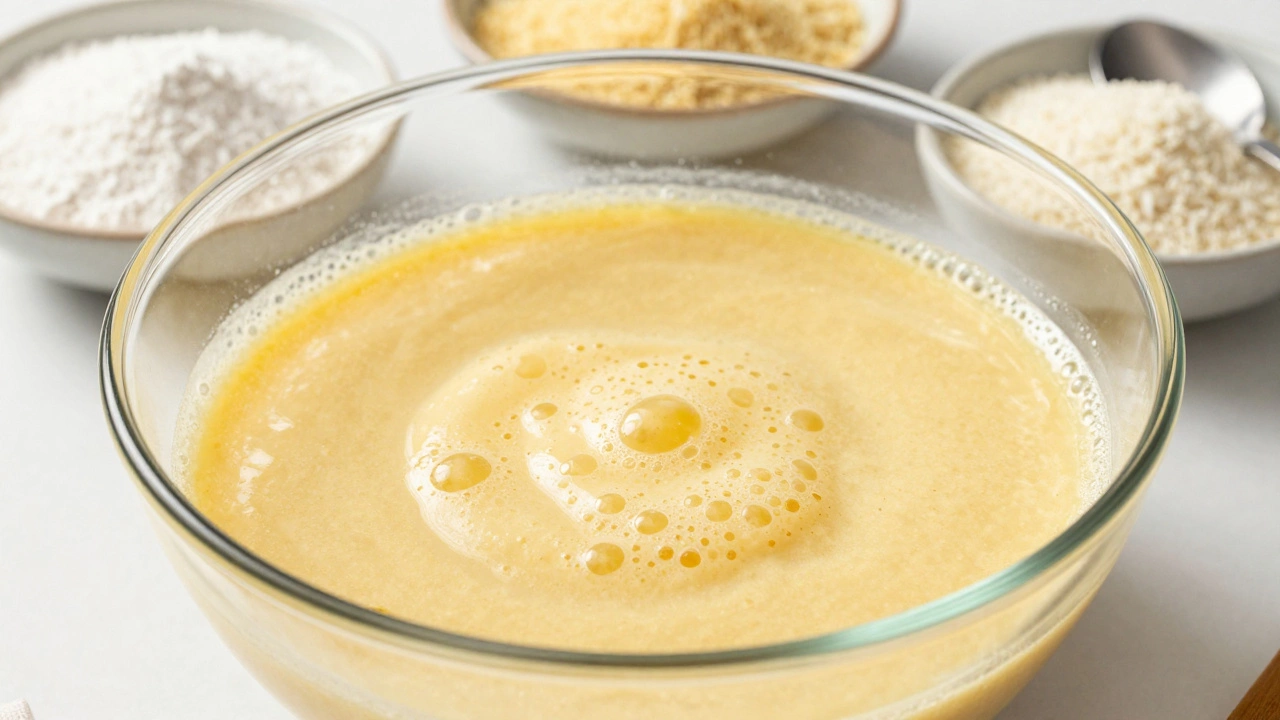
Instant Fermented Dosa Batter Calculator
Calculate the perfect ratio of ingredients for quick, crispy dosas when you don't have time for traditional fermentation.
You wake up craving crispy, golden dosas, but you realize you forgot to soak the rice and urad dal last night. It happens to the best of us. Maybe it’s a sudden guest visit, or perhaps you just had a late night and woke up too late for the traditional 8-hour fermentation window. Does this mean your dosa dreams are dead for the day? Absolutely not. While traditional South Indian cooking relies heavily on time and patience, modern kitchens have found ways to hack biology and chemistry to get that perfect rise in under an hour.
Fermentation is essentially what gives dosa its signature spongy texture and tangy flavor. It’s the process where natural bacteria break down starches into sugars and carbon dioxide. Normally, this takes hours at room temperature. However, by manipulating heat, acidity, and yeast, we can force this reaction to happen rapidly. This isn't about cutting corners to make bad food; it's about using science to achieve a very similar result when time is scarce. If you are looking for other quick solutions for urgent needs, sometimes checking this directory can help with immediate arrangements, much like how this recipe helps with immediate hunger.
The Science Behind the Speed
To ferment batter instantly, you need to understand what you are trying to accelerate. Traditional fermentation uses wild yeast and lactobacillus present on the grains and in the air. These microbes work slowly. To speed things up, we introduce two main accelerators: commercial yeast and acid. Yeast produces carbon dioxide bubbles quickly when warm, creating lift. Acid (like vinegar or lemon juice) tenderizes the gluten in the wheat flour often used in instant mixes and mimics the sour taste of long-fermented batter.
Heat is the third critical factor. Microbes love warmth. By placing the batter in a warm environment, such as an oven with just the light on or near a stove burner, you create a mini-incubator. This raises the metabolic rate of the yeast, causing them to multiply and produce gas at a frantic pace compared to sitting on a cool counter. The goal is to reach a volume increase of about 50% to 100% within 45 to 60 minutes.
Ingredients for Instant Fermentation
You don’t need special equipment, just a few pantry staples. Here is what you will need to create a reliable instant dosa batter:
- Instant Dosa Mix or Rice Flour: 1 cup. If using plain rice flour, ensure it is fine powder. Pre-mixed bags often contain roasted gram flour which adds flavor but less rising power, so yeast becomes even more important.
- Semolina (Suji/Rava): 1/4 cup. This adds structure and prevents the dosa from becoming too sticky. Fine semolina works best.
- Active Dry Yeast: 1 teaspoon. This is the engine of your instant fermentation. Make sure it is fresh; old yeast won’t bubble effectively.
- Sugar: 1 tablespoon. Yeast feeds on sugar. Without it, the yeast has nothing to eat and won’t produce enough carbon dioxide.
- Warm Water: Approximately 1 to 1.25 cups. The water should be lukewarm (around 105°F or 40°C). Too hot kills the yeast; too cold slows it down.
- Lemon Juice or White Vinegar: 1 tablespoon. This provides the acidic tang that usually develops over days.
- Salt: 1/2 teaspoon. For flavor balance.
- Cooking Oil: 1 teaspoon. Helps keep the batter loose and aids in crispiness.
Step-by-Step Guide to Instant Fermentation
Follow these steps carefully. Precision matters more here than in traditional recipes because you don’t have time to correct mistakes later.
- Activate the Yeast: In a small bowl, mix the warm water, sugar, and yeast. Stir gently and let it sit for 5 minutes. You should see a frothy, bubbly layer form on top. If it doesn’t foam, your yeast is dead or the water was too hot. Start over with new yeast and cooler water.
- Mix the Dry Ingredients: In a large mixing bowl, combine the instant dosa mix (or rice flour), semolina, and salt. Whisk them together to remove lumps.
- Combine Wet and Dry: Pour the activated yeast mixture into the dry ingredients. Add the lemon juice and oil. Mix well until you have a smooth, lump-free batter. The consistency should be slightly thinner than pancake batter. Adjust with a little more warm water if needed.
- Create a Warm Environment: Cover the bowl tightly with plastic wrap or a damp cloth. Now, you need heat. Turn on your oven’s light bulb only (do not turn on the heating element). The residual heat and the light bulb generate enough warmth (about 80-90°F) to boost fermentation without cooking the batter. Alternatively, place the bowl on top of the stove while a nearby burner is set to low heat, ensuring the bowl doesn’t touch the direct flame.
- Wait and Watch: Let the batter sit for 45 to 60 minutes. Do not stir it during this time. You want the bubbles to build up. After an hour, check the volume. It should have risen significantly and look airy. Small bubbles should be visible on the surface.
- Final Adjustment: Gently fold the batter once to release any large air pockets. Taste a tiny bit. If it lacks tang, add a squeeze more lemon juice. If it’s too thick, add a splash of water. It should flow easily off a ladle.
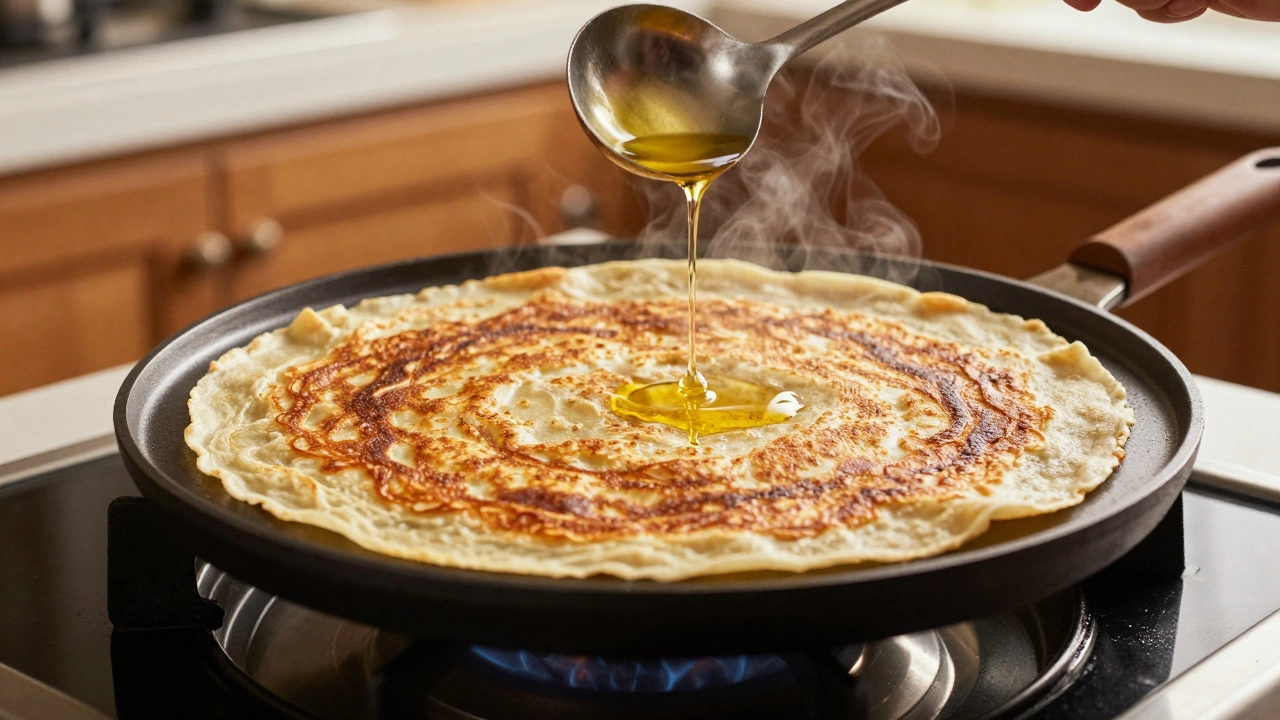
Cooking the Instant Dosa
Because instant batter lacks the complex protein breakdown of long-fermented batter, it can be slightly more fragile. Here is how to cook it perfectly:
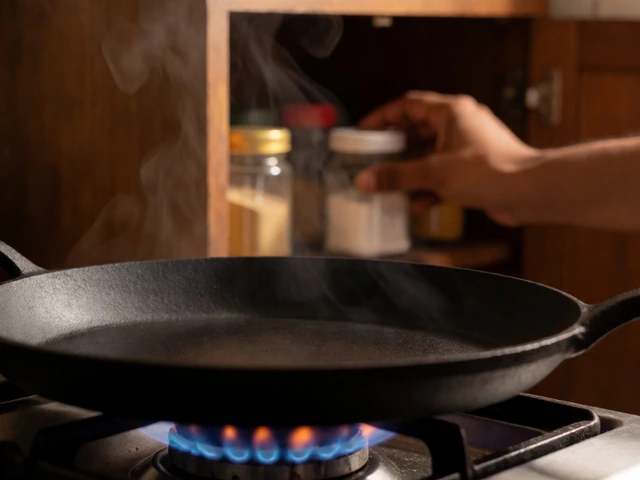
Use a non-stick tawa (griddle) or cast iron skillet. Heat it on medium-high. Once hot, wipe it with a paper towel dipped in oil. Pour a ladle of batter onto the center and immediately spread it outward in a circular motion using the bottom of the ladle. Keep the edges thin. Drizzle a teaspoon of oil around the edges and on top. Cook until the bottom is golden brown and crispy, and the top looks dry. Flip only if you prefer soft dosas; otherwise, serve directly. The key is high heat to crisp the exterior before the interior dries out.
Troubleshooting Common Issues
Even with a good plan, things can go wrong. Here is how to fix common pitfalls:
| Problem | Probable Cause | Solution |
|---|---|---|
| Batter didn't rise | Water was too hot or yeast was expired | Check water temp (lukewarm). Use fresh yeast. Ensure sugar was added to feed yeast. |
| Dosa is hard/crunchy like a cookie | Batter was too thick or cooked too long | Thin the batter with water. Cook on medium heat, not high. Remove as soon as edges lift. |
| Dosa breaks when spreading | Insufficient resting time or too much semolina | Ensure 45 min rest. Reduce semolina next time. Spread gently. |
| No sour taste | Yeast doesn't produce acid like bacteria | Add more lemon juice or vinegar after fermentation. Serve with spicy chutney to mask mildness. |
| Bitter taste | Too much yeast or burnt batter | Reduce yeast to 1 tsp. Check tawa temperature. |
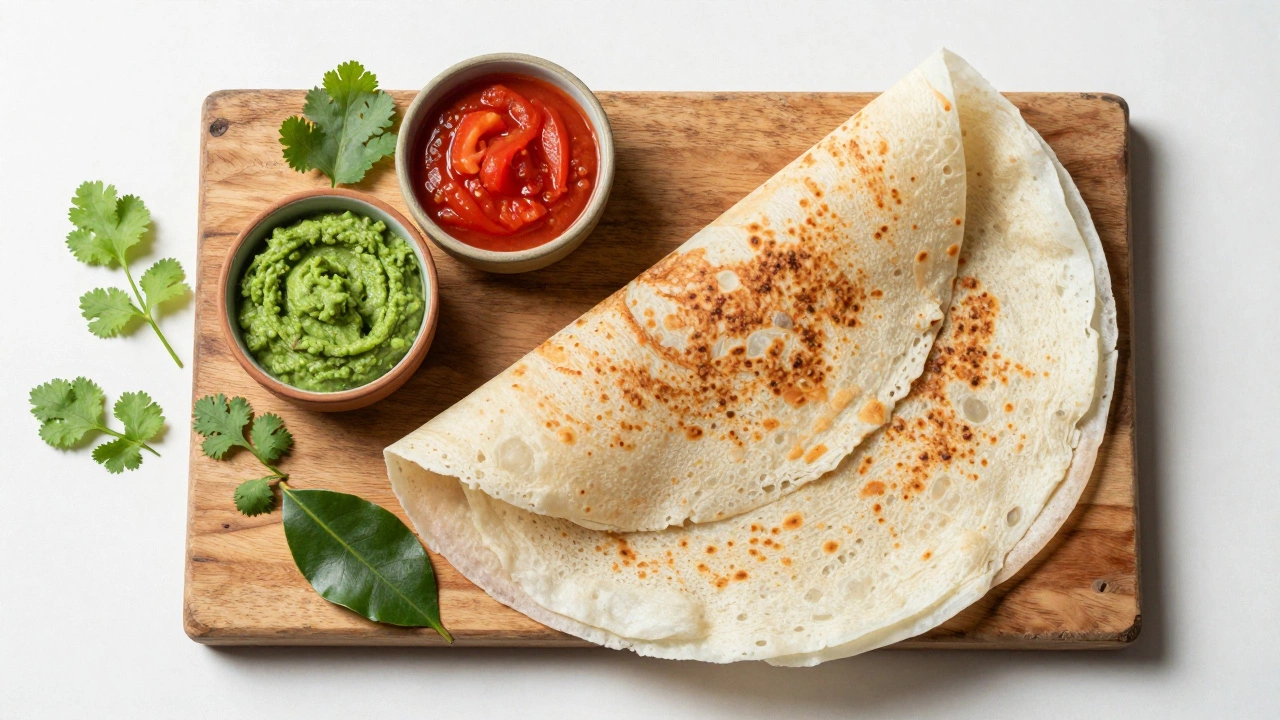
Comparison: Instant vs. Traditional
It is honest to admit that instant dosa is not exactly the same as the one made from scratch with soaked rice and lentils fermented for two days. The traditional method develops deeper umami flavors and a lighter, airier crumb due to extensive enzymatic activity. Instant dosa is denser and relies on yeast for lift rather than bacterial fermentation. However, for a weekday breakfast or an unexpected craving, the instant version is 90% there. It satisfies the craving for texture and taste without the multi-day planning.
If you have the luxury of time, stick to the traditional method. Soak 1 cup parboiled rice and 1/4 cup urad dal for 4-6 hours. Grind separately, mix, and ferment overnight in a warm place. The result is superior. But life isn’t always predictable. Knowing how to ferment instantly is a valuable skill for any home cook who loves South Indian cuisine but lives a busy lifestyle.
Pro Tips for Better Results
Here are some expert tricks to elevate your instant dosa:
- Add Curd (Yogurt): Adding 2 tablespoons of thick curd to the batter increases acidity and tenderness. It also contributes lactic acid bacteria, giving a hint of true fermentation flavor.
- Use Idli Rava: Instead of plain rice flour, use idli rava (coarse semolina meant for idlis). It ferments faster and yields a fluffier dosa.
- Don't Overmix: Once the yeast has done its work, gentle folding preserves the air bubbles. Vigorous stirring deflates the batter, leading to flat dosas.
- Keep the Tawa Hot: A cold pan will cause the batter to stick and become soggy. Always test the heat by sprinkling a drop of water; it should sizzle and evaporate instantly.
With these techniques, you can enjoy authentic-tasting dosas anytime, regardless of the clock. It’s all about understanding the ingredients and giving them the right conditions to perform their magic quickly.
Can I use baking soda instead of yeast for instant dosa?
Yes, you can use baking soda as a chemical leavening agent. Mix 1/2 teaspoon of baking soda into the batter just before cooking. However, baking soda reacts immediately upon contact with acid (like lemon juice or curd) and loses potency quickly. It does not provide the same airy texture as yeast fermentation and can leave a metallic aftertaste if used in excess. Yeast is preferred for better texture and flavor development.
How long can I store instant dosa batter in the fridge?
Instant dosa batter containing yeast should be used immediately after fermentation. If you refrigerate it, the cold temperature stops the yeast activity, and the batter may develop off-flavors. Unlike traditional fermented batter which lasts 2-3 days in the fridge, instant batter is best consumed within a few hours of preparation. If you must store it, keep it in an airtight container for up to 12 hours, but expect reduced rise and flavor.
Why is my instant dosa batter sour?
If your batter tastes overly sour, it might be due to adding too much lemon juice or vinegar. Since instant fermentation doesn't produce natural acids like traditional methods do, we add them manually. Start with 1 tablespoon and adjust to taste. Also, if the batter sits too long in a warm environment, wild bacteria might start growing, causing excessive sourness. Stick to the 45-60 minute window.
Can I make instant dosa batter in the microwave?
No, do not microwave the batter. Microwaves cook food by exciting water molecules, which would partially cook the batter and kill the yeast. You need ambient warmth, not direct cooking heat. The oven-light method or placing the bowl near a warm stove is safe and effective. Microwaving will result in a rubbery, unappetizing texture.
What is the best ratio of rice flour to semolina?
A good starting ratio is 4 parts rice flour (or instant dosa mix) to 1 part semolina. For example, 1 cup rice flour to 1/4 cup semolina. Semolina adds body and prevents the dosa from being too delicate. If you prefer thicker, heartier dosas, you can increase the semolina to 1/3 cup. If you want thinner, crisper crepes, reduce the semolina to 2 tablespoons.
Does instant dosa batter require soaking?
No, that is the main advantage of this method. You use pre-ground rice flour or instant dosa mix, which eliminates the need for soaking and grinding. This saves several hours of prep time. Just mix, ferment briefly with yeast, and cook. It is designed for convenience when you don't have raw grains available.
Can I add vegetables to instant dosa batter?
Yes, you can add finely chopped onions, green chilies, coriander leaves, or grated carrots. However, add these ingredients after the fermentation step, just before cooking. Adding them earlier can interfere with the yeast activity and cause the batter to become watery as vegetables release moisture over time. Fold them in gently to maintain the air bubbles.