Tandoori Chicken Safety Checker
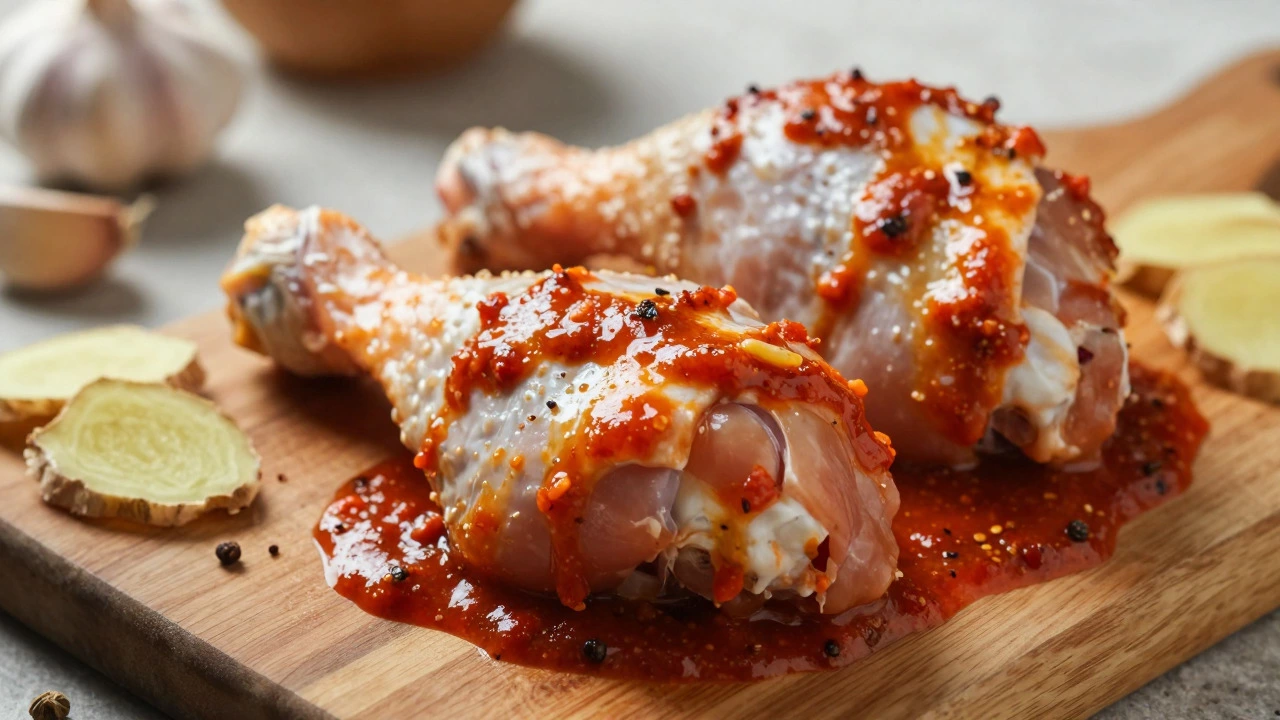
Imagine you’ve just spent the morning marinating chicken legs in yogurt, ginger-garlic paste, and a vibrant mix of spices. The kitchen smells incredible. You fire up the grill or preheat the oven for that perfect tandoori chicken. But then, a nagging thought creeps in: what if there are parasites hiding in those chicken legs? It’s a valid fear. We hear horror stories about tapeworms, roundworms, and other unwelcome guests in poultry. So, are they really lurking in your dinner? And more importantly, can you cook them away?
The short answer is yes, parasites can exist in raw chicken. However, the risk to you as a home cook is significantly lower than you might think, provided you follow basic food safety rules. Understanding what these parasites are, how they get there, and-crucially-how heat kills them will help you serve safe, delicious meals without anxiety.
Common Parasites Found in Poultry
When we talk about parasites in chicken, we aren’t usually talking about visible worms crawling around (though that can happen). Most parasitic threats are microscopic or reside deep within tissues. Here are the main culprits you need to know about:
- Coccidia (Microscopic protozoa that infect the intestinal tract of chickens): These are incredibly common in backyard flocks and commercial farms alike. They cause coccidiosis, a disease that affects the bird’s gut health. While they don’t typically survive long after the bird is slaughtered, their presence indicates poor farm hygiene.
- Toxoplasma gondii (A parasite primarily spread by cats but can be found in undercooked meat): This is one of the most significant risks for humans. Chickens can carry Toxoplasma cysts in their muscles. If you eat undercooked chicken infected with this parasite, it can lead to toxoplasmosis, which is particularly dangerous for pregnant women and people with weakened immune systems.
- Capillaria (Roundworms that can infect the crop, gizzard, or intestines of birds): These are nematodes (roundworms) that live in the digestive system of the chicken. They are rarely found in the muscle meat (the legs) unless the infestation was severe and untreated during the bird’s life.
- Histomonas meleagridis (A protozoan parasite causing blackhead disease in turkeys and chickens): This parasite targets the liver and ceca (blind pouches at the end of the intestine). It is generally not a direct threat to humans but signals a sick bird.
It’s important to distinguish between bacteria and parasites. Salmonella and Campylobacter are bacteria, not parasites, yet they are far more common causes of food poisoning from chicken than any worm or protozoan. When people worry about "bugs" in chicken, they are often conflating bacterial contamination with parasitic infection. Both require thorough cooking, but the mechanisms differ.
How Do Parasites Get Into Chicken Legs?
Chicken legs, like all parts of the bird, are muscle tissue. Parasites don’t just appear out of nowhere; they enter the bird through its environment. Here’s the lifecycle:
- Ingestion of Contaminated Feed or Water: Chickens scratch around in soil, pecking at insects, seeds, and sometimes feces from other animals (like cats or wild birds). If the soil contains oocysts (eggs) of Toxoplasma or Coccidia, the chicken ingests them.
- Intermediate Hosts: Some parasites, like certain roundworms, use earthworms or insects as intermediate hosts. A chicken eats an infected earthworm, and the larvae migrate through the bird’s body.
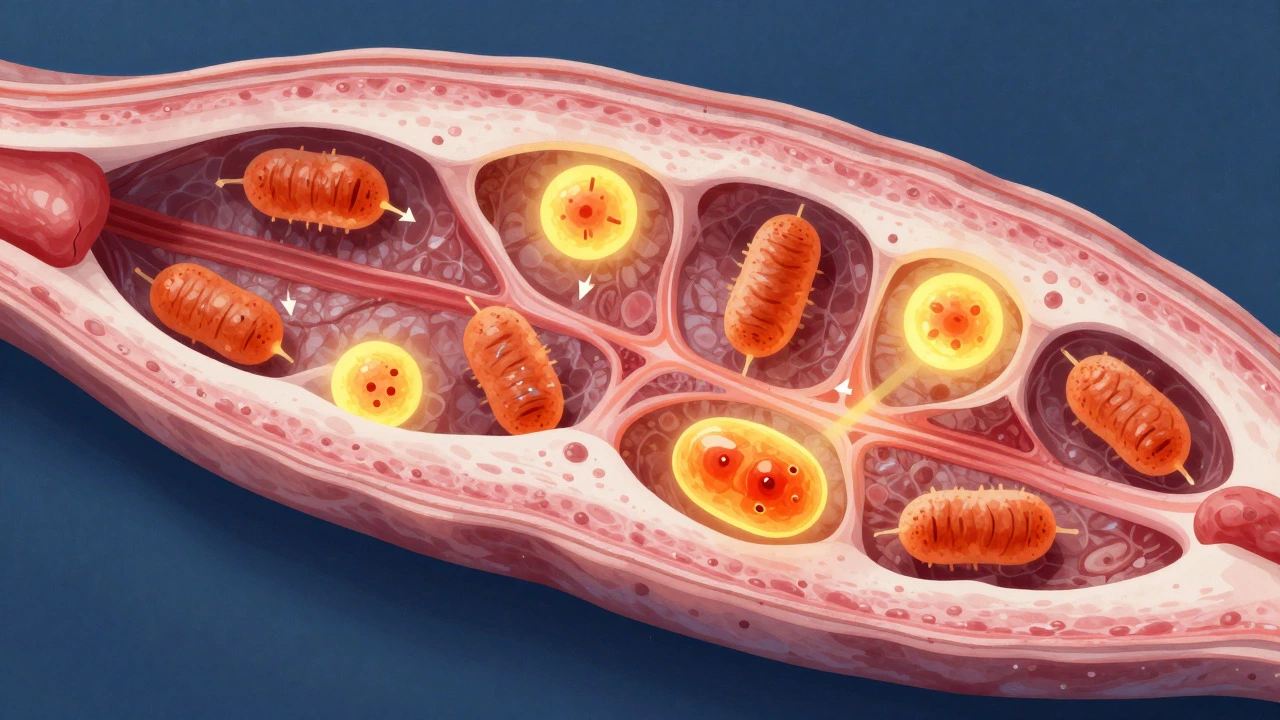
- Tissue Migration: Once inside, some parasites stay in the gut (like Capillaria), while others, like Toxoplasma, can form cysts in skeletal muscles, including the thighs and drumsticks.
Commercial farming practices have reduced the prevalence of many visible parasites due to controlled environments, regular deworming, and veterinary oversight. However, free-range or backyard chickens may have higher exposure to environmental contaminants. This doesn’t mean free-range chicken is unsafe-it just means you need to be diligent about cooking temperatures.
Signs of Parasite Infestation in Raw Chicken
Can you spot a parasite-infested chicken leg before you cook it? In most cases, no. Microscopic parasites like Coccidia and Toxoplasma are invisible to the naked eye. However, heavy infestations of larger worms might leave clues:
- Visible Worms: Occasionally, you might see small, white, thread-like structures in the fat or connective tissue. These could be larval stages of roundworms. If you see anything moving or distinctly worm-like, discard the meat immediately.
- Discoloration: Meat that looks unusually dark, bruised, or has yellowish patches in the fat might indicate liver issues or systemic infection, though this isn’t specific to parasites.
- Foul Odor: Fresh chicken should have a mild, neutral smell. A strong ammonia or sour odor suggests bacterial spoilage, which often accompanies poor hygiene where parasites might also thrive.
Don’t rely on sight alone. Even pristine-looking chicken can harbor microscopic threats. That’s why temperature control is your best defense.
Does Cooking Kill Parasites?
This is the critical question. The good news is that heat is highly effective against almost all known poultry parasites. Here’s what the science says:
| Parasite | Lethal Temperature (°C) | Time Required | Notes |
|---|---|---|---|
| Toxoplasma gondii | 67°C (153°F) | Instantaneous | Killed quickly at standard cooking temps |
| Coccidia Oocysts | 60°C (140°F) | 1-2 minutes | Most die off during processing/cooking |
| Capillaria Larvae | 70°C (158°F) | Less than 1 minute | Easily destroyed by thorough cooking |
| Salmonella/Bacteria | 74°C (165°F) | Instantaneous | USDA recommended safe internal temp |
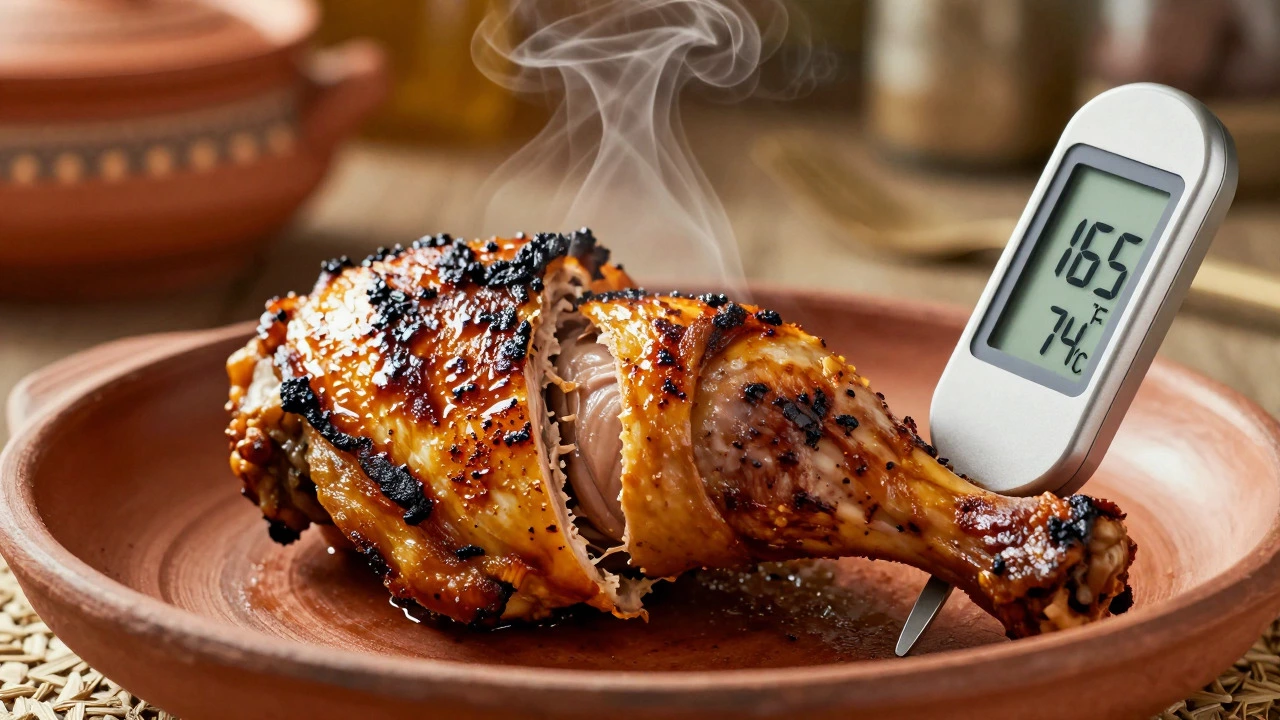
The USDA recommends cooking all poultry to an internal temperature of 74°C (165°F). At this temperature, not only are parasites killed instantly, but dangerous bacteria like Salmonella and Campylobacter are also eliminated. For tandoori chicken, which is often cooked at high heat in a clay oven or conventional oven, reaching this temperature is straightforward if you monitor it correctly.
Freezing can also reduce parasite load. Freezing chicken at -20°C (-4°F) for at least 7 days kills Toxoplasma cysts and many roundworm larvae. However, freezing does not kill Coccidia oocysts effectively, so cooking remains the gold standard.
Safety Tips for Preparing Tandoori Chicken
Making tandoori chicken involves handling raw meat, marinades, and high-heat cooking. Here’s how to keep parasites and pathogens out of your meal:
- Use a Meat Thermometer: Don’t guess. Insert a digital thermometer into the thickest part of the chicken leg, avoiding the bone. Ensure it reads 74°C (165°F). This is non-negotiable for safety.
- Avoid Cross-Contamination: Wash your hands, cutting boards, and utensils with hot, soapy water after touching raw chicken. Never place cooked chicken on a plate that held raw meat unless it has been washed first.
- Marinate Safely: Marinate chicken in the refrigerator, not on the counter. Yogurt-based marinades (common in tandoori recipes) are acidic and can inhibit some bacterial growth, but they don’t kill parasites. Discard used marinade unless you boil it first to make a sauce.
- Choose Reputable Sources: Buy chicken from trusted suppliers who follow hygiene standards. If you raise your own chickens, ensure they have clean water, feed, and living conditions to minimize parasite exposure.
- Cook Thoroughly: Tandoori chicken is often charred on the outside but juicy inside. Make sure the interior is fully cooked. If using a traditional tandoor, the intense radiant heat helps, but still verify with a thermometer.
What About Free-Range vs. Commercial Chicken?
Many people believe free-range chicken is healthier and therefore safer. While free-range birds often have better welfare outcomes and different nutritional profiles, they are not inherently free of parasites. In fact, because they roam outdoors, they may encounter more diverse environmental contaminants, including cat feces (a source of Toxoplasma) or wild bird droppings.
Commercial chicken is raised in controlled environments with regular veterinary checks and deworming protocols. This reduces the likelihood of heavy parasite loads. However, both types require the same cooking precautions. Whether your chicken came from a local farm stand or a supermarket, treat it as potentially contaminated until proven otherwise by heat.
When to Worry: Symptoms of Parasitic Infection
If you accidentally eat undercooked chicken containing parasites, symptoms may take days or weeks to appear. Common signs include:
- Gastrointestinal distress: diarrhea, abdominal cramps, nausea
- Fatigue and muscle aches
- Fever
- In rare cases (Toxoplasmosis): swollen lymph nodes, headache, confusion
If you suspect foodborne illness, especially if you are pregnant, elderly, or immunocompromised, seek medical attention promptly. Mention your consumption of undercooked poultry to your doctor.
Conclusion: Cook Smart, Eat Safe
Parasites in chicken legs are a real but manageable risk. By understanding the sources, recognizing the limitations of visual inspection, and relying on proper cooking temperatures, you can enjoy tandoori chicken and other poultry dishes with confidence. Remember: the key isn’t avoiding chicken-it’s cooking it right. With a thermometer in hand and a few simple hygiene habits, you’ll keep parasites at bay and flavor front and center.
Can you see parasites in raw chicken legs?
In most cases, no. Parasites like Toxoplasma and Coccidia are microscopic. Only heavy infestations of larger worms might be visible as white threads in the fat or tissue, but this is rare in commercially processed chicken.
Does marinating chicken kill parasites?
No. Acidic marinades like lemon juice or yogurt can tenderize meat and inhibit some bacterial growth, but they do not penetrate deeply enough or stay long enough to kill parasites or bacteria. Always cook chicken thoroughly.
Is frozen chicken free of parasites?
Freezing at -20°C (-4°F) for at least 7 days kills many parasites like Toxoplasma and roundworms, but it does not reliably kill Coccidia oocysts. Cooking remains the safest method to eliminate all parasites.
What temperature kills parasites in chicken?
An internal temperature of 74°C (165°F) kills all common poultry parasites and bacteria instantly. Use a meat thermometer to verify this temperature in the thickest part of the chicken leg.
Are free-range chickens more likely to have parasites?
Free-range chickens may have higher exposure to environmental parasites like Toxoplasma due to contact with soil and wildlife. However, commercial chickens are also monitored and treated. Both types require thorough cooking to ensure safety.