Tandoori Chicken Tenderizer Planner
Your Setup
Your Preparation Timeline
Have you ever taken a bite of restaurant-quality tandoori chicken is a popular North Indian dish where chicken is marinated in yogurt and spices then roasted in a clay oven called a tandoor and wondered how it stays so incredibly juicy while developing that signature smoky char? It’s not magic. It’s chemistry.
If you’ve tried making it at home and ended up with dry, tough meat, you’re not alone. Most home cooks miss the subtle tricks that professional chefs use to break down muscle fibers and lock in moisture. The secret isn’t just high heat; it’s what happens before the chicken even hits the fire.
The Power of Yogurt Marination
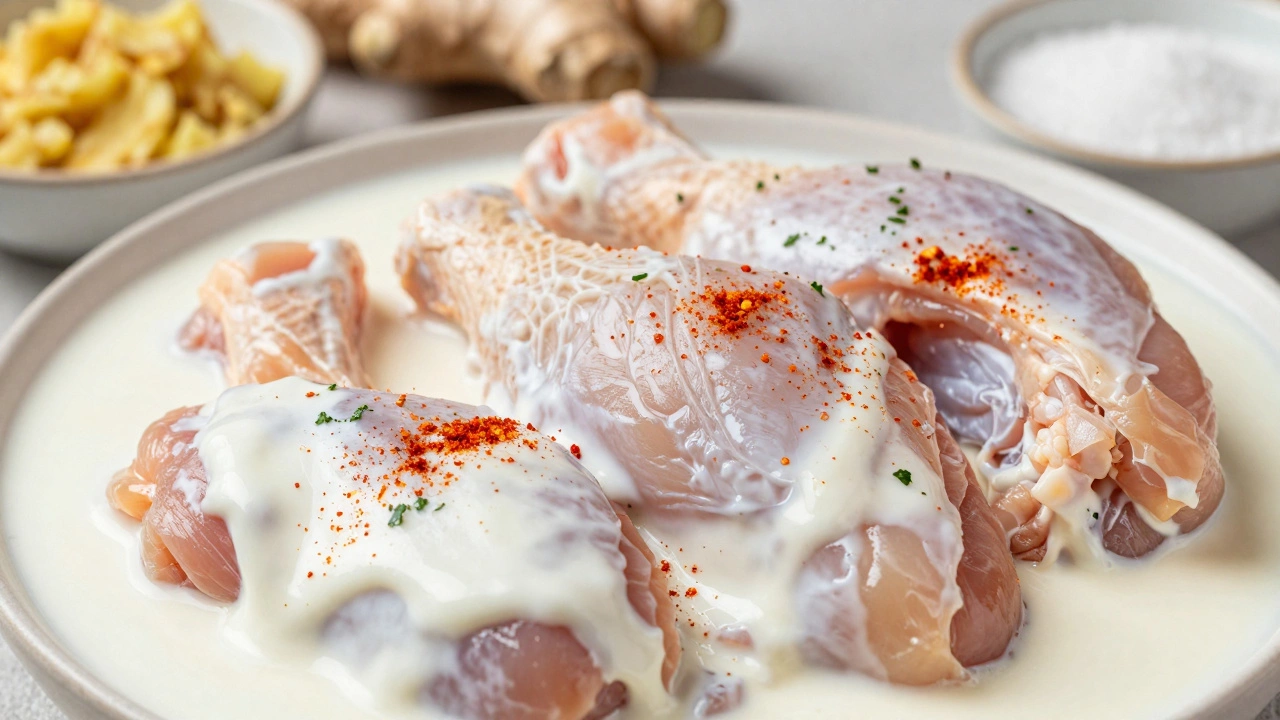
The foundation of tender tandoori chicken lies in the marinade, specifically the use of yogurt is a fermented dairy product rich in lactic acid and enzymes that act as a natural tenderizer for meat. Unlike oil-based marinades that simply coat the surface, yogurt penetrates deep into the muscle tissue.
Yogurt contains two key components that work together: lactic acid and calcium. The lactic acid slowly breaks down the collagen and connective tissues in the chicken without denaturing the proteins too quickly. This process, known as chemical tenderization, softens the meat structure over time. Meanwhile, the calcium in yogurt activates endogenous enzymes within the chicken itself, further breaking down tough fibers.
To get this right, you need full-fat, plain yogurt. Low-fat or Greek yogurt often lacks the necessary water content and fat balance, leading to a drier result. The fat in whole milk yogurt helps carry flavor compounds into the meat, while the liquid provides hydration. Aim for a thick but pourable consistency. If your yogurt is too runny, strain it slightly; if it’s too thick, whisk in a splash of water.
Acid Balance and Time Management
While acid is good, too much acid is bad. Many recipes call for lemon juice or vinegar alongside yogurt. While these add brightness, excessive acidity can turn the outer layer of the chicken mushy and mealy, similar to ceviche. The goal is a gentle breakdown, not a complete dissolution of the protein structure.
Time is also critical. You cannot rush the marination process. For bone-in chicken pieces, a minimum of four hours is recommended, but overnight (8-12 hours) is ideal. This extended period allows the acids and enzymes to work evenly throughout the thicker parts of the meat, such as the thighs and drumsticks. Boneless breasts require less time-about two to three hours-as they are more delicate and can become overly soft if left too long.
The Role of Spices and Salt
Spices do more than just flavor the dish. Ingredients like ginger-garlic paste, red chili powder, and garam masala contain essential oils that penetrate the meat when emulsified with the yogurt. However, salt plays a surprisingly important role in tenderness through a process called osmosis.
When you salt the chicken, it initially draws out moisture. But given enough time during marination, the salt dissolves into a brine that is reabsorbed by the meat. This brine alters the protein structure, allowing the muscle fibers to retain more water during cooking. This is why properly salted tandoori chicken remains juicy even after exposure to intense heat. Don’t skimp on the salt in the marinade; it’s a functional ingredient, not just a seasoning.
High Heat and the Maillard Reaction
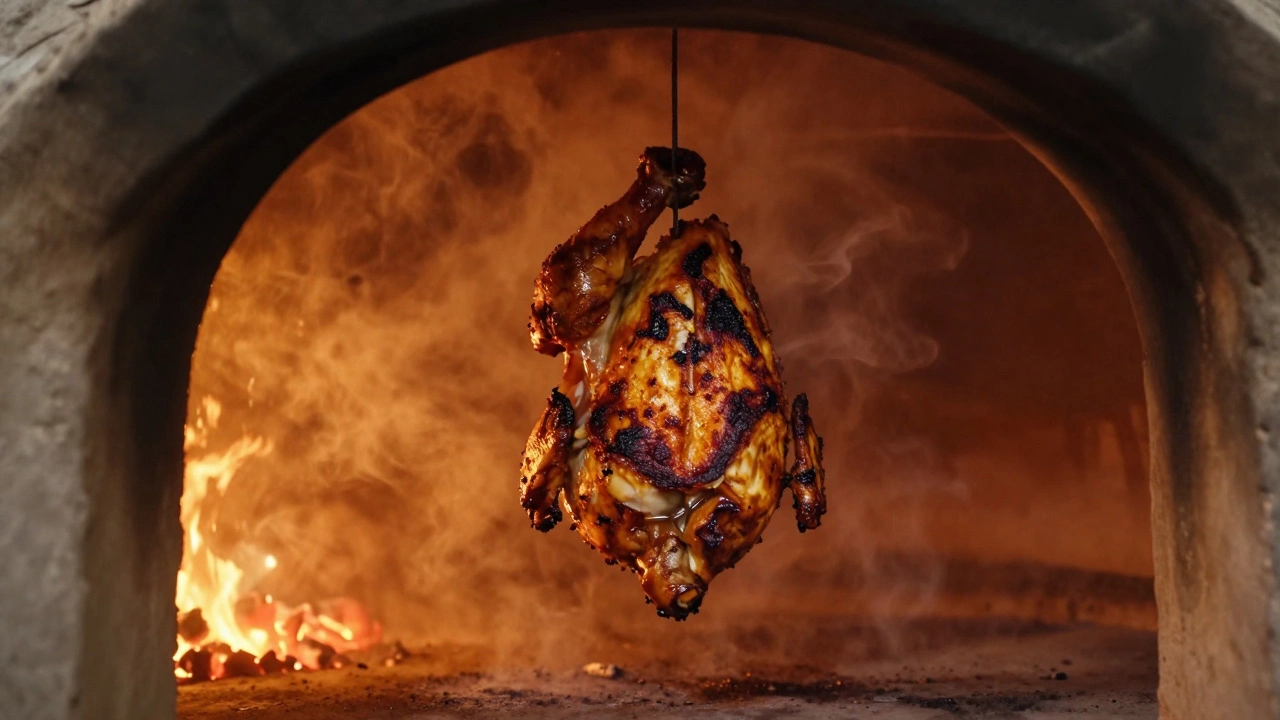
Once the chicken is marinated, the cooking method takes over. A traditional tandoor is a cylindrical clay or metal oven used in South Asian cuisine that reaches temperatures up to 900°F (480°C) operates at extremely high temperatures, often exceeding 900°F (480°C). This extreme heat is crucial for achieving the characteristic texture of tandoori chicken.
At these temperatures, the surface of the chicken undergoes rapid Maillard reaction is a chemical reaction between amino acids and reducing sugars that gives browned food its distinctive flavor and color. This creates a flavorful, caramelized crust that seals in juices. Because the cooking time is short due to the high heat, the interior doesn’t have time to dry out. The contrast between the charred exterior and the moist interior is the hallmark of great tandoori chicken.
In a home kitchen, replicating this requires getting your oven as hot as possible, usually around 500°F (260°C). Using a broiler or grill setting can help mimic the direct radiant heat of a tandoor. Placing the chicken on a wire rack above a baking sheet allows air to circulate, preventing steaming and promoting browning.
Cutting Techniques for Maximum Tenderness
Before marinating, how you cut the chicken matters. Making shallow slashes or scoring the skin and meat increases the surface area available for the marinade to penetrate. This ensures that the tenderizing agents reach deeper layers rather than just sitting on the surface.
For larger cuts like whole legs or breasts, pound them slightly to an even thickness. Uneven pieces cook unevenly, leading to some parts being overcooked and dry while others remain underdone. Uniform thickness ensures consistent tenderness throughout the piece.
Comparison: Traditional vs. Home Methods
| Factor | Traditional Tandoor | Home Oven Method |
|---|---|---|
| Temperature | Up to 900°F (480°C) | Max 500°F (260°C) |
| Heat Source | Charcoal/Wood fire | Electric/Gas elements |
| Cooking Time | 10-15 minutes | 20-30 minutes |
| Smoke Flavor | Natural from fuel | Requires charcoal trick |
| Tenderness Result | Extremely tender, charred crust | Juicy, lightly browned |
Achieving Smoke Flavor at Home
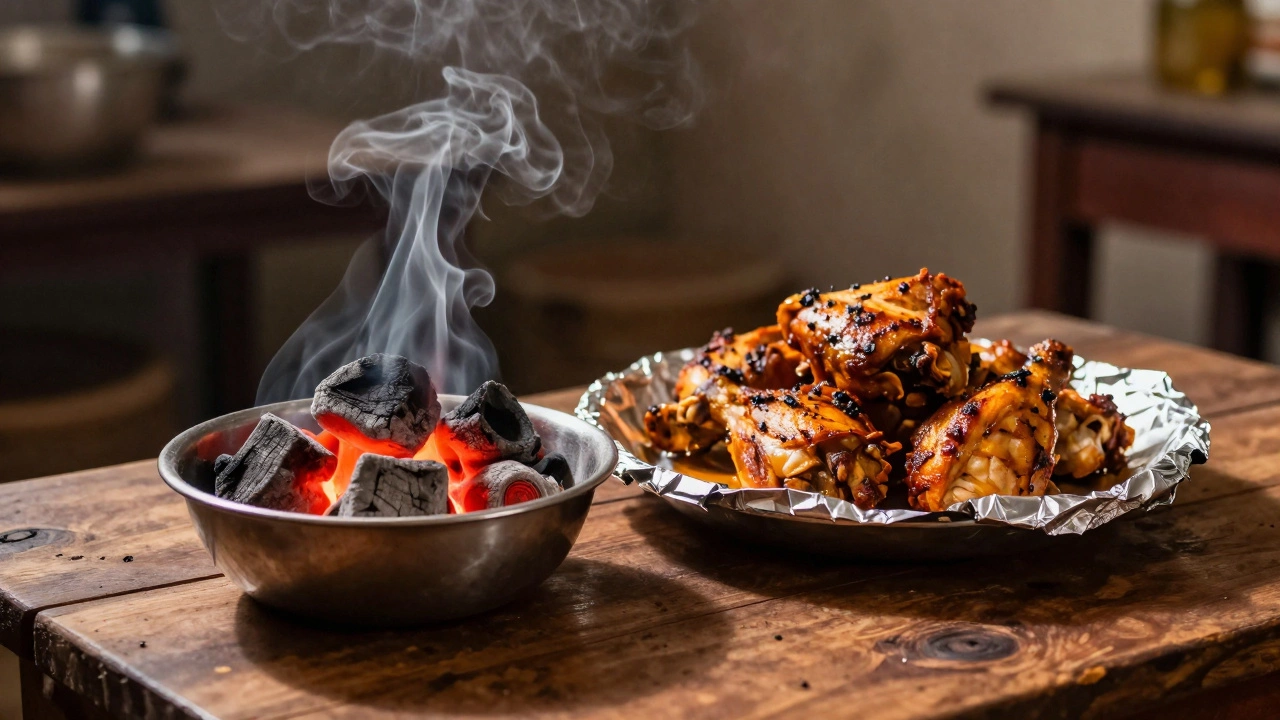
One element often missing in home versions is the smoky aroma. In restaurants, the chicken hangs vertically in the tandoor, dripping fats onto burning coals below, which creates smoke that infuses the meat. At home, you can replicate this using the "dhungar" method.
Place a small steel bowl or heat-proof container inside your hot oven. Add a handful of charcoal pieces and let them heat up until glowing. Remove the bowl, drizzle a teaspoon of ghee or oil over the coals to create smoke, and immediately place the cooked chicken over the smoke source. Cover the dish tightly with foil or a lid for 5-10 minutes. The smoke will be trapped and absorbed by the warm, porous chicken, imparting that authentic smoky flavor.
Common Mistakes That Ruin Tenderness
Even with the right ingredients, technique errors can lead to tough chicken. Here are the most common pitfalls:
- Overcooking: Chicken breast dries out quickly. Use a meat thermometer and remove the chicken at 165°F (74°C). Carryover cooking will raise the temperature slightly.
- Using Old Yogurt: Fresh yogurt has active enzymes. Expired or improperly stored yogurt may lack the tenderizing power needed.
- Skip the Rest: Letting the chicken rest for 5-10 minutes after cooking allows the juices to redistribute. Cutting immediately releases all the moisture onto the plate.
- Too Much Oil: While some oil helps prevent sticking, too much can create a barrier that prevents the marinade from penetrating. Stick to a light coating or rely on the fat in the yogurt.
Final Thoughts on Perfecting Texture
Achieving tender tandoori chicken is about balancing chemistry and physics. The yogurt breaks down the fibers, the salt retains moisture, and the high heat creates a protective crust. By understanding these mechanisms, you can move beyond following recipes blindly and start mastering the craft. Whether you use a clay oven or a standard home oven, paying attention to these details will transform your results from good to exceptional.
Why does yogurt make chicken tender?
Yogurt contains lactic acid and calcium. The lactic acid gently breaks down collagen and connective tissues in the meat, while calcium activates enzymes within the chicken that further soften the muscle fibers. This dual action results in a significantly more tender texture compared to non-acidic marinades.
Can I use buttermilk instead of yogurt for tandoori chicken?
Yes, buttermilk works well because it is also acidic and contains similar enzymes. However, it is thinner than yogurt, so you may need to reduce other liquids in the recipe to maintain the right consistency. Full-fat yogurt is generally preferred for its richer texture and higher fat content, which helps keep the meat moist.
How long should I marinate chicken for tandoori?
For best results, marinate bone-in chicken for at least 8 to 12 hours, preferably overnight. Boneless chicken pieces require less time, typically 2 to 4 hours. Longer marination allows the acids and salts to penetrate deeper, ensuring even tenderness throughout the meat.
What temperature should I cook tandoori chicken at home?
Set your oven to its highest setting, usually around 500°F (260°C). High heat is essential to quickly sear the outside and seal in juices, mimicking the effect of a traditional tandoor. Using the broil function for the last few minutes can help achieve a charred finish.
Why is my tandoori chicken dry?
Dryness usually results from overcooking or insufficient marination. Ensure you use a meat thermometer to avoid exceeding 165°F (74°C). Also, check that your yogurt marinade was thick enough and applied generously. Scoring the meat before marinating can also help ensure better penetration and moisture retention.