Dosa Fermentation Speed Calculator
Input your current conditions to see how close you are to achieving a ready-to-cook dosa batter.
Analysis
Waiting for input...
- Flavor -
- Texture -
- Lift/Rise -
- No tips yet.
It’s 7:00 AM. You’re hungry for a crispy dosa is a South Indian crepe made from fermented rice and black gram lentil batter, but the clock is ticking. You have only two hours before work or school. Can your batter actually ferment in that short window? The short answer is: not really, at least not the traditional way. But there are ways to get close.
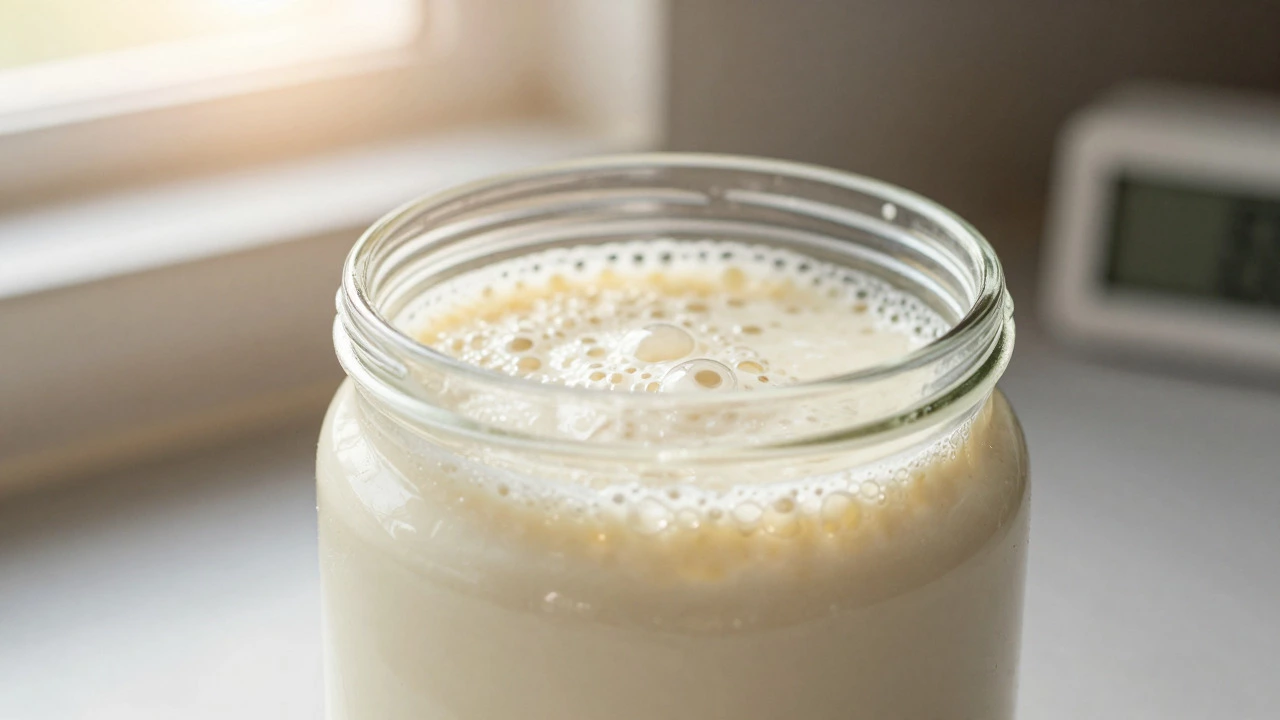
Fermentation isn't just about waiting; it's a biological process where yeast and bacteria break down starches into sugars and produce carbon dioxide. This gas creates the air pockets that make dosas fluffy and easy to digest. If you skip this step, you get a dense, rubbery pancake that sticks to the tawa (griddle) like glue. So, if you're asking "can dosa batter ferment in 2 hours?", you're really asking how to hack biology to save time without sacrificing taste.
The Biology of Fermentation: Why Time Matters
To understand why two hours feels too short, we need to look at what’s happening inside that jar. Traditional dosa batter consists of Parboiled Rice and Urad Dal (black gram lentils). When soaked and ground, these ingredients release enzymes. In a warm environment (around 30°C to 40°C), wild yeasts and lactic acid bacteria begin to multiply.
- Yeast Activity: Yeast consumes sugars and releases CO2. This takes time. At room temperature (25°C), significant rise usually takes 8-12 hours.
- Lactic Acid Production: Bacteria convert lactose and other sugars into lactic acid. This gives the batter its signature tangy flavor. This process is slower than gas production.
- Starch Breakdown: Enzymes break down complex starches into simpler sugars, making the batter easier to digest. This requires sustained enzymatic activity over several hours.
In just two hours, even in a very warm kitchen, you might see a slight increase in volume-maybe 10-20%. However, the flavor profile won't develop. The batter will lack the subtle sourness that defines a good masala dosa. It will be neutral, flat, and potentially hard to spread on the griddle.
Factors That Speed Up Fermentation
If you absolutely must cook within two hours, you can manipulate environmental factors to accelerate the process. Think of it as creating a mini-incubator for your batter.
- Temperature Control: Warmth is the biggest accelerator. Place the jar in a turned-off oven with the light on, next to a running water heater, or in a sunlit spot. Aim for 35°C-40°C. Above 45°C, you risk killing the beneficial bacteria.
- Batter Consistency: Thinner batter ferments faster because oxygen penetrates more easily. Add a little extra water during grinding to achieve a pourable consistency, similar to thin cream.
- Ratio Adjustments: Urad dal ferments faster than rice. Increasing the proportion of urad dal to rice (e.g., 1:1 instead of the standard 1:3 or 1:4) boosts the microbial activity.
- Additives: A pinch of baking soda can introduce immediate gas bubbles, mimicking the visual effect of fermentation. A teaspoon of sugar can feed the yeast initially, though this is less effective in short windows.
Even with these hacks, two hours is pushing the limit. You’ll likely end up with a batter that has some lift but lacks depth. It’s a compromise.
Alternative Strategies for Quick Dosa
If the goal is a ready-to-eat dosa in under two hours, consider bypassing the traditional overnight fermentation entirely. Here are three reliable methods used by home cooks and restaurants alike.
1. Instant Dosa Batter (Rice Flour Method)
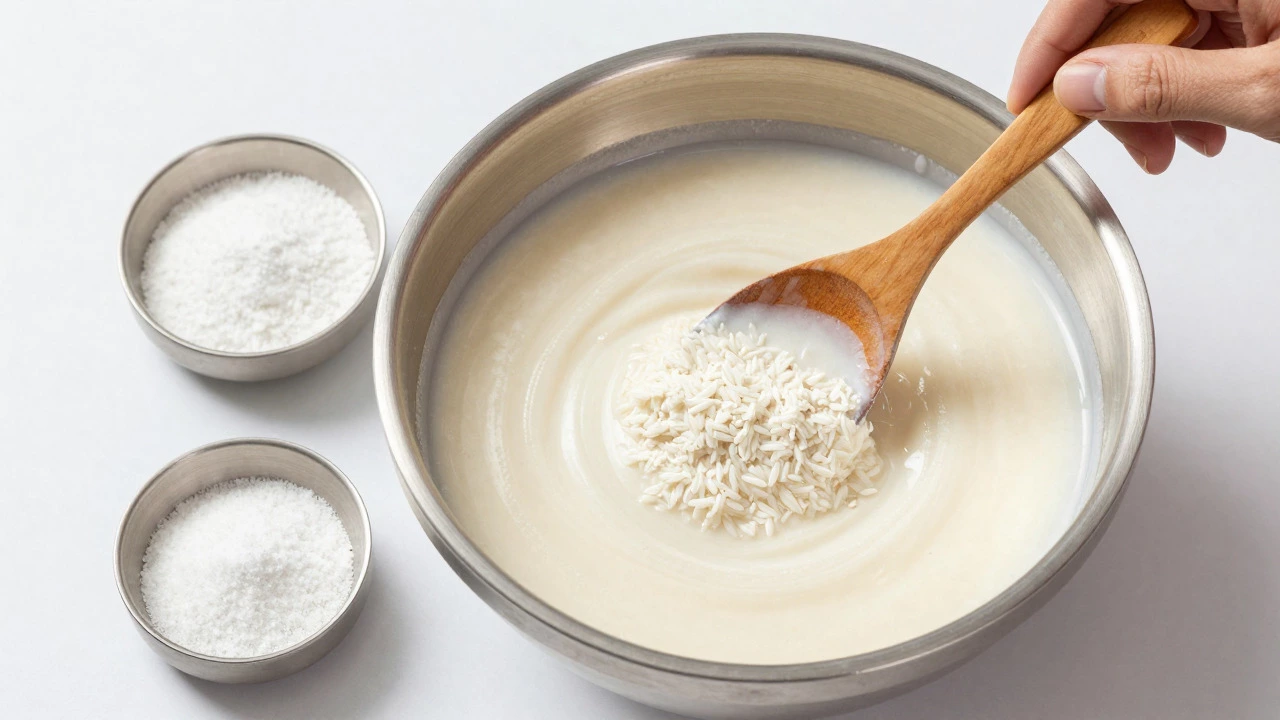
This is the most popular shortcut. Instead of soaking whole grains, you use pre-ground Rice Flour and Wheat Flour or Semolina. Since the starch is already exposed, no long soak is needed. Mix the flours with water, a pinch of salt, and sometimes a bit of curd (yogurt) for texture. Let it sit for 30 minutes to an hour. The result is thinner, crispier, and less fluffy than traditional dosa, but it’s delicious and fast. Many street vendors use this method to serve customers quickly.
2. Idli-Dosa Batter Hack
If you already have fermented idli batter sitting in the fridge, you can repurpose it. Idli batter typically has a higher ratio of urad dal, which makes it very fluffy. To turn it into dosa batter, add rice flour or semolina to thicken the consistency slightly. Because the base is already fermented, you only need to let it rest for 30 minutes to an hour to adjust the viscosity. This gives you the authentic fermented flavor without the wait.
3. The "Hot Start" Technique
Grind your soaked rice and dal into a fine batter. Then, mix in a small amount of previously fermented batter (if available) or a teaspoon of active dry yeast dissolved in warm water. Place the jar in a warm spot immediately. After 90 minutes, check the volume. If it has risen significantly, proceed. If not, add a pinch of baking soda right before cooking to ensure lift. This hybrid approach bridges the gap between speed and flavor.
| Method | Time Required | Flavor Profile | Texture | Best For |
|---|---|---|---|---|
| Traditional Overnight | 8-12 hours | Tangy, Complex | Fluffy, Soft | Weekends, Special Occasions |
| 2-Hour Accelerated | 2 hours | Mild, Slightly Sour | Semi-Fluffy | Emergency Breakfasts |
| Rice Flour Instant | 30-60 mins | Neutral, Crispy | Thin, Crisp | Quick Snacks, Street Style |
| Repurposed Idli Batter | 30 mins | Tangy, Authentic | Very Fluffy | Zero-Waste Cooking |
Common Pitfalls When Rushing Fermentation
Rushing the process often leads to specific mistakes that ruin the final product. Avoid these traps to maximize your success rate.
- Overheating: Placing the jar directly on top of a hot stove can kill the bacteria. Always use indirect heat. An oven light is safer than a burner.
- Ignoring Acidity: If the batter smells sharp or overly sour after two hours, it might be over-fermented for the short duration due to high heat. Balance with a pinch of baking soda or extra rice flour.
- Wrong Grind: If the batter is too coarse, fermentation is uneven. Ensure your grinder runs until the mixture is silky smooth. Coarse particles trap gas poorly.
- Container Choice: Use a wide-mouthed glass or steel container. Plastic can retain odors and may leach chemicals when heated. Glass allows you to monitor the rise visually.
Pro Tips for the Best Quick Dosa
Even if you don’t have full fermentation, you can elevate the quality of your quick dosa with these techniques.
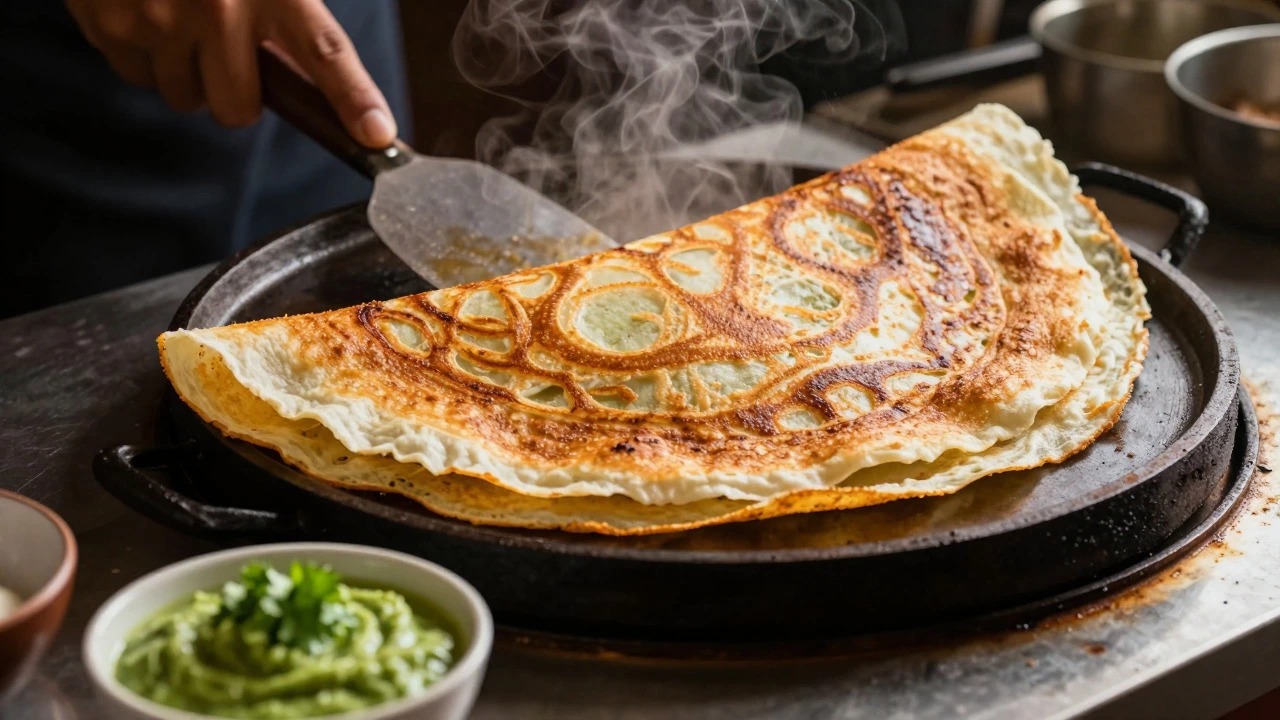
- Season the Tawa: A well-seasoned cast iron or non-stick tawa is crucial. Rub it with raw potato dipped in oil before heating. This creates a natural non-stick layer, preventing the thinner, less fermented batter from sticking.
- Oil Distribution: Use a paper towel dipped in oil to spread a thin, even layer. Too much oil makes the dosa greasy; too little causes tearing. Aim for a glossy sheen.
- Heat Management: Start on medium-high heat to set the bottom, then reduce to medium-low to cook through. For quick batters, avoid high heat throughout, as they burn faster than traditional fluffy batters.
- Fillings Matter: Since the batter itself might lack complexity, lean on your fillings. A spicy potato masala, fresh coriander, and green chilies add flavor that compensates for the milder batter.
- Chutney Pairing: Serve with a tangy coconut chutney or tomato onion chutney. The acidity in the chutney complements the mildness of the quick dosa, balancing the overall meal.
So, can dosa batter ferment in two hours? Technically, yes, but it’s a partial fermentation. You’ll get some lift and a hint of tang, but not the full experience. If you’re in a hurry, embrace the shortcuts. Use rice flour, repurpose old batter, or optimize your environment. The key is managing expectations. A quick dosa is still a delicious, satisfying meal, especially when paired with the right accompaniments.
Frequently Asked Questions
What happens if I cook dosa batter that hasn't fermented?
The dosa will be dense, chewy, and difficult to roll. It may stick to the pan and lack the characteristic airy holes. The flavor will be bland, resembling plain rice pancakes rather than traditional South Indian dosas.
Can I use baking powder instead of fermentation?
Yes, adding a pinch of baking powder or baking soda to unfermented batter can create immediate lift. This works well for instant dosa recipes using rice flour. However, it doesn't replicate the complex flavors developed during natural fermentation.
Is it safe to eat dosa batter after only 2 hours of fermentation?
Yes, it is safe. Fermentation is a controlled process. As long as the batter smells pleasant (slightly sour) and doesn't show signs of mold or off-putting odors, it is safe to consume. Two hours is simply insufficient for full flavor development, not a safety issue.
How do I know if my batter has fermented enough in a short time?
Look for a visible increase in volume (at least 20-30% rise). Smell it; it should have a mild, pleasant sour aroma. Stir it gently; if bubbles appear on the surface and the texture looks lighter, it’s ready for a quick cook. If it remains thick and odorless, it needs more time or a chemical leavener.
Does the type of rice affect fermentation speed?
Yes. Parboiled rice (idli rice) ferments faster and produces fluffier results than regular white rice because its outer bran layer is removed, exposing starches more readily. Brown rice ferments slower and yields denser dosas due to higher fiber content.