India Alcohol Laws & Dry Days Checker
Check if you can legally buy or consume alcohol in specific Indian states and identify potential "Dry Days."
- Legal Drinking Age 18+
- Public Consumption Illegal
- Where to Buy Licensed Shops
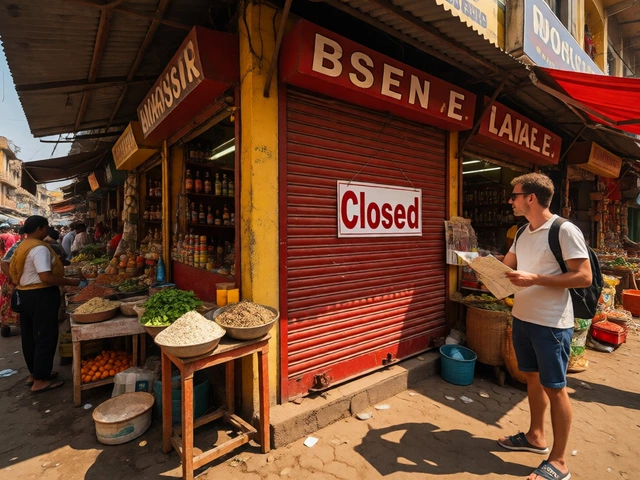
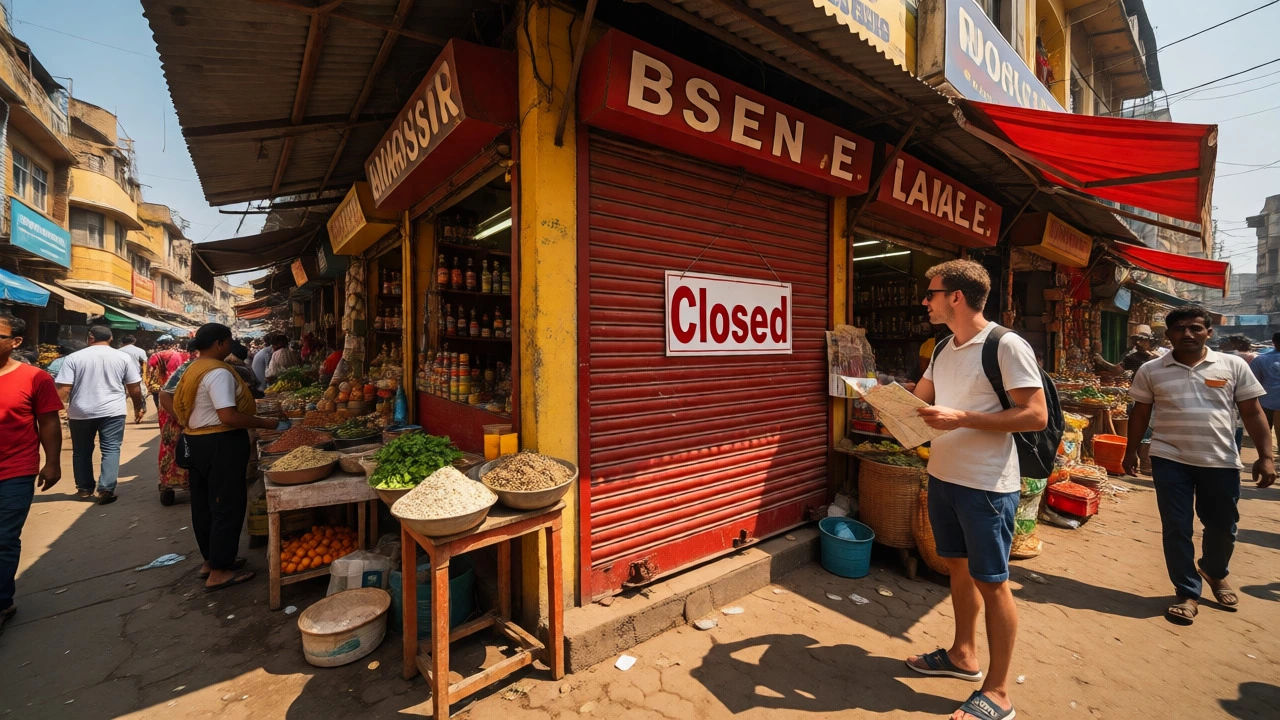
You’re standing on a bustling street in Mumbai or Delhi, the air thick with the scent of spices and exhaust. You spot a shiny bottle of beer in a shop window, but the sign above it says "Closed." Or maybe you’re in Goa, where the vibe is laid-back and open bars line the beach, wondering if what’s legal there applies to the rest of the country. This confusion is common. Alcohol consumption in India is not a simple yes-or-no question; it’s a patchwork of state laws, cultural norms, and specific rules for tourists.
The short answer? Yes, tourists can drink in most parts of India, but where and when you do it matters more than you might think. Unlike in many Western countries, there is no single national law governing alcohol. Each state sets its own rules regarding legal drinking ages, sales hours, and even complete bans. If you plan to enjoy a cold beer after a day of sightseeing, you need to know the local landscape to avoid awkward situations or fines.
The State-by-State Reality: No National Standard
India is a federal union, which means states have significant autonomy over liquor policy. This creates a confusing map for visitors. Some states are completely "dry," meaning the sale and consumption of alcohol are banned. Others are "wet," allowing sales but with strict regulations. Then there are places like Goa, where the rules are relaxed to accommodate tourism.
Gujarat is one of the few states that has maintained a total prohibition since 1960. If you land in Ahmedabad, you won’t find any licensed shops selling alcohol. However, foreigners and tourists can often obtain a permit to purchase limited quantities from designated outlets, though this process varies and changes frequently. Bihar, Nagaland, and Mizoram also enforce strict prohibitions. In these regions, drinking openly can lead to immediate police attention.
In contrast, Goa is famous for its liberal attitude. You can buy alcohol at supermarkets, roadside stalls, and beach shacks. The legal drinking age here is 18, lower than the 21 or 25 seen in other states. Kerala recently shifted from a gradual ban to allowing private liquor shops, making it easier for tourists to find drinks outside of government-run stores. Major cities like Delhi and Mumbai have vibrant nightlife scenes, but they operate under tight time restrictions.
| Location | Status | Legal Drinking Age | Where to Buy |
|---|---|---|---|
| Goa | Wet (Liberal) | 18 | Supermarkets, Beach Shacks, Bars |
| Delhi | Wet (Regulated) | 25 | Licensed Liquor Stores, Hotels |
| Mumbai | Wet (Regulated) | 25 | Licensed Shops, Pubs, Clubs |
| Kerala | Wet (Mixed) | 21 | Private Shops, Government Stores |
| Gujarat | Dry (Prohibition) | N/A | Permit-based Outlets only |
| Rajasthan | Wet (Variable) | 21-25 | Licensed Bars, Hotels |
Understanding Dry Days: When Shops Close
Even in wet states, you cannot buy alcohol every day of the year. India observes "Dry Days"-dates when the sale of alcohol is prohibited nationwide or within specific states. These days usually coincide with religious festivals, national holidays, or elections. For a tourist, this can be a shock. You might walk into your favorite pub in New Delhi on a Tuesday evening, only to find it serving coffee because Tuesday was a national holiday.
The list of dry days changes annually based on the calendar. Generally, major Hindu festivals like Diwali, Holi, and Raksha Bandhan often trigger dry days in many states. Islamic holidays such as Eid and Muharram also result in closures. Additionally, Gandhi Jayanti (October 2nd) and Republic Day (January 26th) are standard dry days across most of India. During election periods, entire states go dry for several days leading up to and including the voting day.
How do you check? Don’t rely on memory. Ask your hotel concierge or check local news apps before heading out. In some states, like Maharashtra, dry days are strictly enforced, and even hotels cannot serve alcohol unless guests are staying overnight (and sometimes not even then). In others, like Delhi, enforcement can be looser, but licenses are suspended, so legally, no alcohol should be sold.
Public Consumption vs. Licensed Premises
Just because you bought a beer doesn’t mean you can drink it anywhere. In most Indian cities, public consumption of alcohol is illegal. This means you cannot walk down the street holding an open bottle, nor can you sit on a park bench with a six-pack. Police officers actively look for people drinking in public spaces, and fines are common.
You must consume alcohol within licensed premises. This includes restaurants, pubs, clubs, and hotels that hold valid liquor licenses. If you buy wine from a supermarket, take it back to your hotel room. Trying to sneak a sip on a train or bus can also get you in trouble, although enforcement varies by state and transport authority. On long-distance trains, especially sleeper classes, drinking is often tolerated informally, but it’s technically against railway rules in many cases.
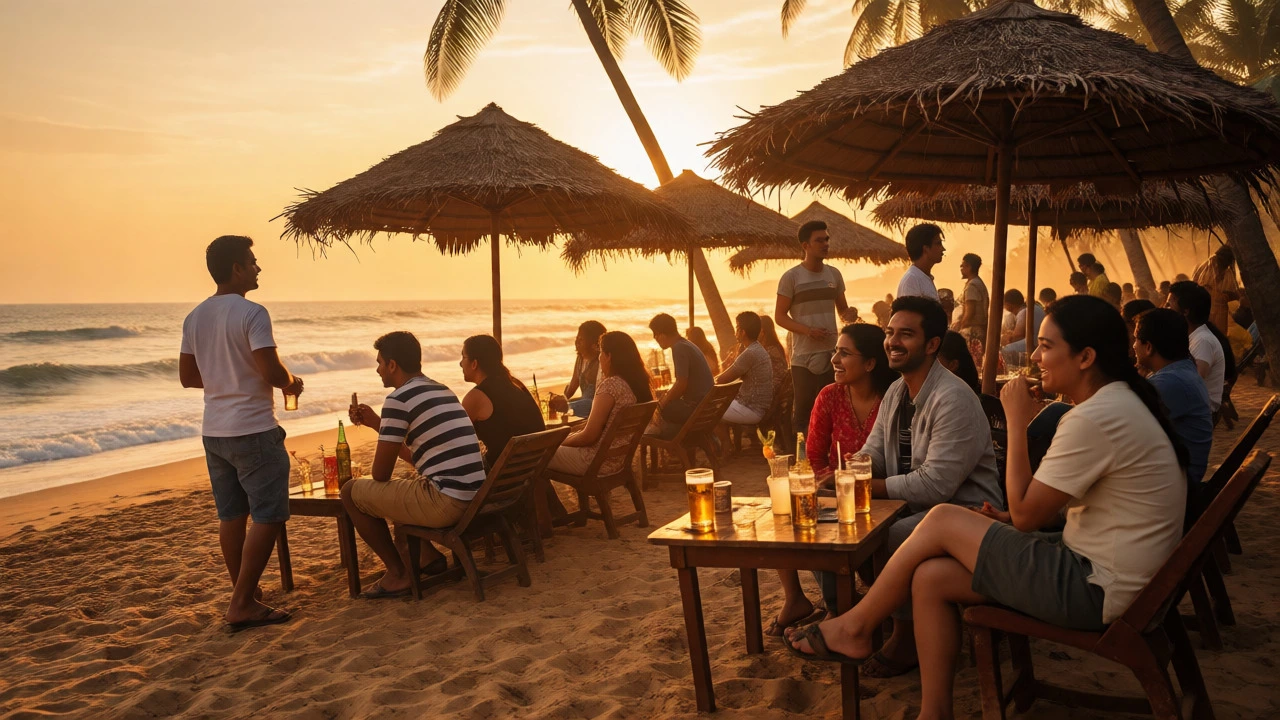
Beaches are a gray area. In Goa, you can drink on the sand at beach shacks. But in Mumbai’s Juhu Beach or Chennai’s Marina Beach, drinking openly will likely attract unwanted attention and potential fines. Always observe what locals and other tourists are doing. If everyone is sober on the beach, don’t be the outlier with a cocktail.
Legal Drinking Ages and ID Requirements
The legal drinking age in India varies significantly by state. It ranges from 18 to 25 years old. In Goa and Sikkim, it’s 18. In most northern and western states, including Delhi, Maharashtra, and Rajasthan, it’s 21 or 25. In Punjab, it’s 21. This inconsistency means you must carry valid identification everywhere you go if you plan to drink.
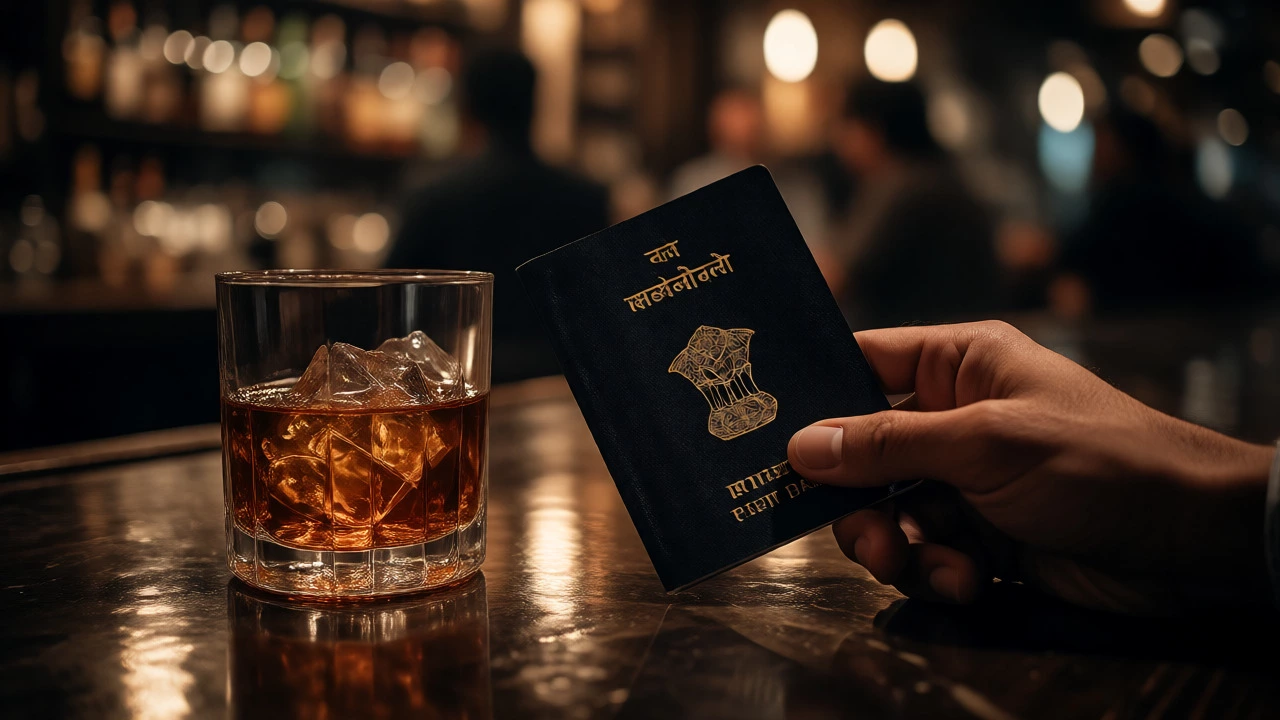
Your passport is the best form of ID for tourists. Many venues, especially upscale bars in metro cities, require you to show ID upon entry or when ordering alcohol. They may stamp your hand or keep a copy of your passport details. If you look young, expect to be asked for ID even if you’re well over the legal limit. Without proper documentation, bouncers have the right to refuse service.
Remember that these laws apply to all beverages containing alcohol, including beer, wine, spirits, and even some fermented traditional drinks. Non-alcoholic beers are generally safe, but double-check labels if you want to avoid accidental intoxication.
Cultural Etiquette: How to Drink Like a Local
Drinking in India isn’t just about legality; it’s about social context. In conservative areas, public displays of drunkenness are frowned upon. While college students in metros might party hard, older generations often view alcohol consumption with suspicion, associating it with moral laxity. As a tourist, you have leeway, but respect goes a long way.
When dining in a restaurant, note that not all establishments serve alcohol. Look for signs indicating a "Liquor License" or ask the staff. Tipping culture applies here too; if you order a drink, tipping 10% is customary. In smaller towns or rural areas, you might encounter local brews like Toddy (coconut sap wine) in Kerala or Mahua flower liquor in central India. Try them cautiously, as hygiene standards and potency vary widely.
Also, be aware of the "No Bar" rule in some hotels. Many business hotels in India do not serve alcohol due to corporate policies or local restrictions, even if they are located in a wet state. Always confirm this when booking accommodation if having a drink in your room is important to you.
Taxation and Pricing: Why Your Beer Costs More
Expect to pay a premium for alcohol in India. Taxes on liquor are among the highest in the world, designed to discourage consumption and generate revenue. A bottle of imported whiskey or vodka can cost two to three times more than in Europe or the US. Even domestic brands are heavily taxed.
This high cost leads to a thriving black market for smuggled liquor, especially in dry states like Gujarat. Buying from unofficial sources carries risks, including counterfeit products that can be dangerous. Stick to licensed retailers and reputable brands. In tourist hubs like Goa, competition keeps prices slightly lower, but you’ll still notice the difference compared to global averages.
If you’re planning a big night out, budget accordingly. A pint of craft beer in Bangalore might cost ₹400-₹600 ($5-$7), while a cocktail in a Delhi rooftop bar could run ₹800-₹1200 ($10-$15). Domestic beers like Kingfisher or Bira are cheaper options, typically ranging from ₹150-₹300 ($2-$4).
Safety Tips for Tourists Drinking in India
While India is generally safe for tourists, alcohol can make you vulnerable. Street crime, particularly theft, increases in nightlife districts. Avoid walking alone late at night in unfamiliar areas, especially if you’ve been drinking. Use trusted taxi services like Uber or Ola rather than hailing random autos, as drivers may overcharge intoxicated passengers.
Hydration is critical. India’s climate is hot and humid, and dehydration exacerbates the effects of alcohol. Pair every alcoholic drink with a glass of water. Also, be cautious with ice. In high-end hotels and established bars, ice is made from filtered water and is safe. In roadside stalls or questionable joints, ice might be made from tap water, increasing the risk of stomach issues. When in doubt, stick to bottled beverages without ice.
Finally, respect local sensibilities. In religious sites, temples, and mosques, alcohol consumption is strictly prohibited nearby. You might see signs prohibiting alcohol within certain radii of these places. Violating these rules can offend locals and lead to conflicts.
Is it legal for tourists to bring their own alcohol?
Yes, you can bring duty-free alcohol into India through customs, typically up to 2 liters per person. However, once you leave the airport, you must follow local state laws regarding consumption. You cannot drink your brought-in alcohol in public spaces; it must be consumed in private or licensed venues.
What happens if I get caught drinking in public?
Penalties vary by state but usually involve a fine. In strict jurisdictions, police may detain you briefly until you sober up or provide proof of residence. Repeat offenses or disorderly conduct can lead to higher fines or community service. It’s rarely a jail offense for first-time tourists, but it’s a hassle you don’t need.
Are there non-alcoholic alternatives that feel special?
Absolutely. India has a rich tradition of refreshing non-alcoholic drinks. Try Lassi (yogurt-based drink), Nimbu Soda (lemon soda), Jaljeera (cumin-mint cooler), or fresh coconut water. These are culturally significant, hydrating, and widely available at very low costs.
Do all hotels serve alcohol?
No. Many hotels, especially those catering to families or business travelers in conservative areas, do not serve alcohol. Some may allow you to bring your own (BYO) with a corkage fee, while others prohibit it entirely. Always check the hotel’s policy before booking if this is important to you.
Is tap water safe to mix with alcohol?
Generally, no. Tap water in most Indian cities is not potable for tourists. Mixing spirits with tap water can cause stomach upset. Always use sealed bottled water or ask for mineral water. Ice cubes in reputable establishments are usually made from purified water, but verify if you have a sensitive stomach.