Dosa Rice Soak Time Calculator
Recommended Soaking Window
Soak urad dal for .
There is a specific moment in the kitchen where everything changes. You pull out your dosa a thin, crispy crepe made from fermented rice and lentil batter, and you realize the batter looks flat. It hasn’t risen. The smell isn’t quite right. This usually comes down to one variable that most home cooks guess at: how long you soaked the rice the primary grain used in South Indian fermentation batters.
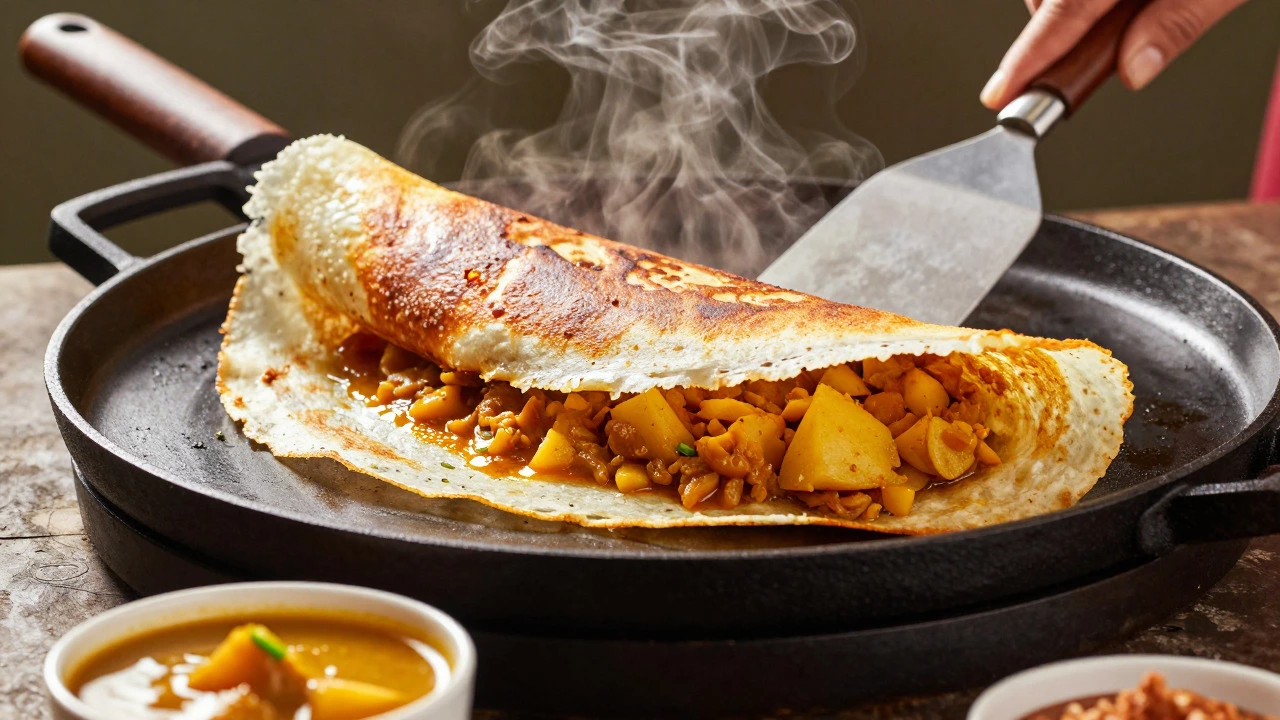
Soaking rice is not just about softening the grains; it is about unlocking the starches that allow natural yeast and bacteria to work their magic during fermentation. If you soak for too little time, the batter stays thick and dense. If you soak for too long, the flavor can turn sour before it even hits the pan. Getting this timing right is the difference between a crinkly, golden-brown masala dosa a popular variation of dosa filled with spiced potato mixture and a rubbery disappointment.
The Golden Rule: 6 to 8 Hours
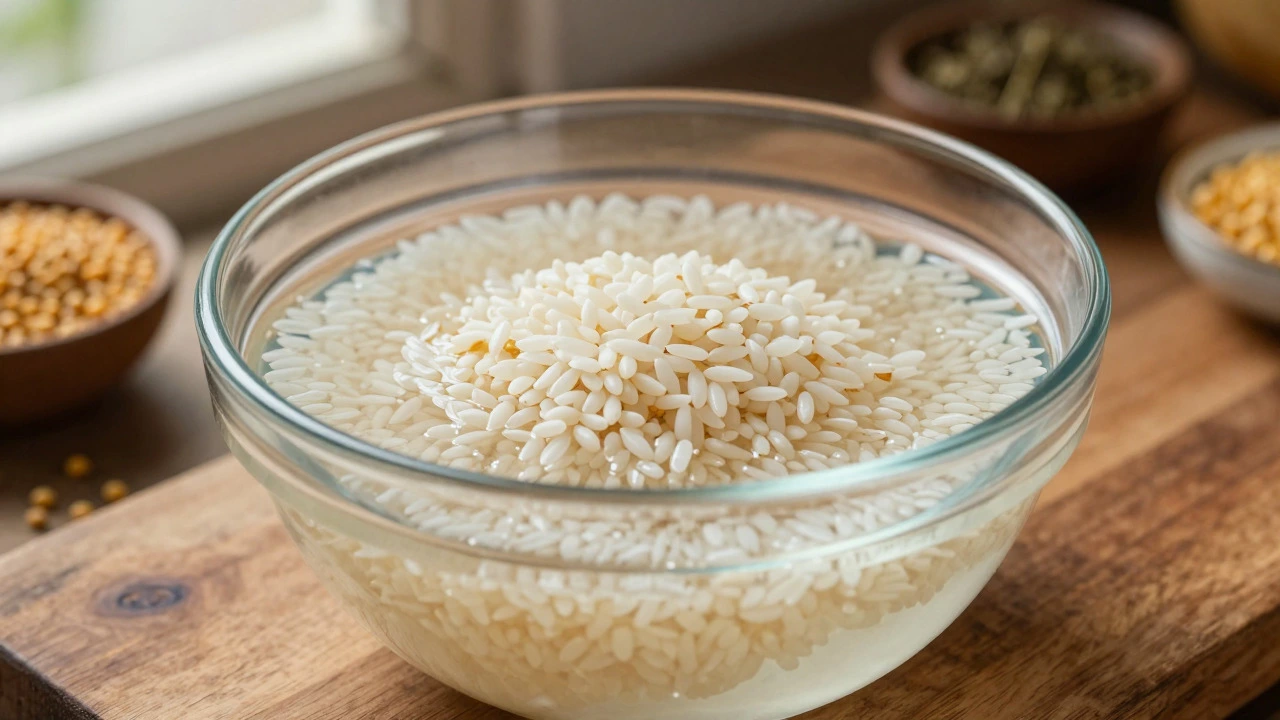
For most standard recipes using medium-grain parboiled rice (also known as idli rice a type of short, round rice variety specifically cultivated for making fermented foods like idli and dosa), the sweet spot is between 6 and 8 hours. This timeframe allows the water to penetrate the outer bran layer and reach the starchy core without breaking down the grain structure entirely.
Why does this window matter so much? When rice absorbs water, its internal moisture content increases, which lowers the activation energy needed for grinding. More importantly, it prepares the starch granules for gelatinization later on the hot tawa (griddle). If you only soak for 3 hours, the grains remain hard in the center. Your grinder will struggle, resulting in a coarse paste that ferments unevenly. Conversely, if you leave it for 12 hours or more, especially in warm weather, the rice begins to break down prematurely. The batter becomes overly watery and loses the structural integrity needed to hold air bubbles during fermentation.
Temperature Changes Everything
Time is relative when temperature enters the equation. Fermentation is a biological process driven by microorganisms, and these microbes are sensitive to heat. In a cool environment, like a UK winter or an air-conditioned kitchen in summer, the clock slows down. In a tropical climate or a warm oven, the clock speeds up dramatically.
- Cool Weather (Below 20°C / 68°F): Aim for the longer end of the spectrum. Soak for 8 to 10 hours. The cooler ambient temperature means the water absorption is slower, and subsequent fermentation will take longer to kick in.
- Moderate Weather (20°C - 25°C / 68°F - 77°F): Stick to the standard 6 to 8 hours. This is the ideal range for consistent results in most temperate climates.
- Hot Weather (Above 25°C / 77°F): Reduce soaking time to 4 to 6 hours. Heat accelerates enzymatic activity. If you over-soak in high heat, the rice may start to ferment on its own before you even grind it, leading to a sharp, unpleasant acidity.
A practical tip for home cooks: check the water level. If the rice has absorbed all the water and looks dry after 6 hours, add a little more and give it another hour. The goal is for the grains to be plump but still distinct, not mushy.
Rice Varieties and Their Specific Needs
Not all rice behaves the same way. The variety you choose dictates the soaking protocol. While idli rice is the gold standard for authentic texture, many people use alternatives due to availability.
| Rice Type | Recommended Soak Time | Texture Outcome | Notes |
|---|---|---|---|
| Idli Rice (Parboiled) | 6-8 hours | Crispy, airy, fine grind | Best for traditional dosas. Low starch, high digestibility. |
| Short Grain White Rice | 8-10 hours | Softer, less crispy | Higher starch content. May result in thicker batter. Add extra water during grinding. |
| Medium Grain Rice | 6-8 hours | Balanced texture | Good alternative if idli rice is unavailable. Monitor fermentation closely. |
| Basmati Rice | 4-6 hours | Very crisp, brittle | Long grains don't blend well. Use sparingly or mix with other rices. |
If you are using regular white rice instead of idli rice, expect to adjust your expectations. Regular rice contains more amylose, which makes the final dosa less pliable and more prone to cracking. To compensate, ensure your soaking time is on the higher end to soften the grains sufficiently for a smoother grind.
The Role of Urad Dal in the Equation
You might wonder why we focus so heavily on rice when dosa batter also includes urad dal a type of black gram lentil, typically split and hulled, used in Indian cuisine for its high protein content and ability to ferment quickly. Urad dal has a different soaking requirement. Because it is a legume with a softer skin, it generally needs less time than rice. For most recipes, 4 to 6 hours is sufficient for urad dal. However, since both ingredients are ground together, they should finish soaking at roughly the same time to maintain consistency in the batter’s hydration levels.
If you find yourself balancing two different timers, a common strategy is to soak the urad dal first for 2 hours, then add the rice. This ensures both components reach optimal hydration simultaneously. Alternatively, soak them separately and combine them just before grinding. This method gives you precise control over each ingredient's state.
Signs You Got the Soaking Time Right
How do you know if your rice was soaked correctly? There are physical cues you can observe before you even turn on the grinder.
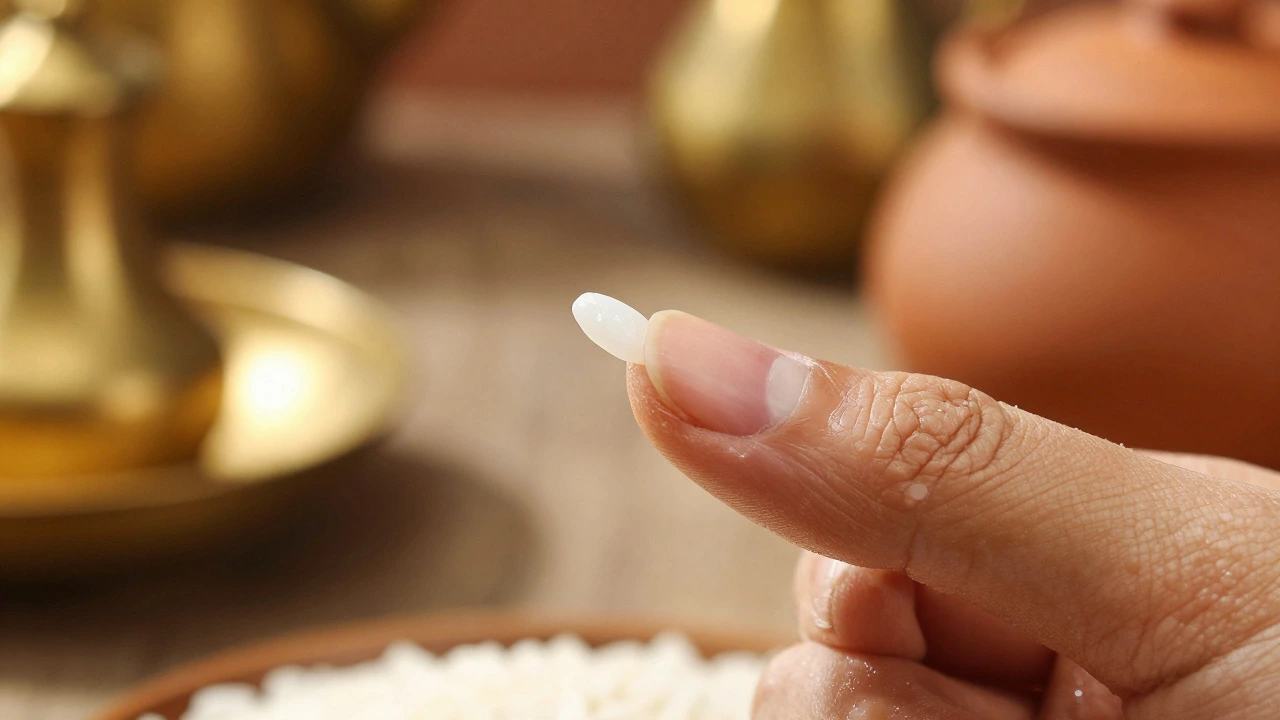
- The Pinch Test: Take a single grain of rice and pinch it between your thumb and forefinger. It should feel soft and yield easily without crumbling into powder. If it resists, it needs more time. If it turns to mush instantly, it was soaked too long.
- Visual Inspection: The grains should appear swollen and opaque. They should have lost their raw, translucent look. The water around them should be slightly cloudy due to released starches, but not milky white.
- Grind Consistency: When you grind the soaked rice, the motor should run smoothly without straining. The resulting paste should be fluid and pourable, not chunky or gritty. A properly soaked rice yields a batter that spreads evenly on the tawa with minimal effort.
If your grinder is struggling or the batter feels heavy, it is almost always a sign of insufficient soaking. Adding more water during grinding can mask the problem temporarily, but it will dilute the flavor and weaken the fermentation potential.
Troubleshooting Common Mistakes
Even experienced cooks make mistakes. Here is how to fix the most common issues related to soaking. Batter Too Thick After Grinding: This usually indicates under-soaked rice. The starches haven't fully hydrated. Add warm water gradually while mixing until the batter reaches a creamy, yogurt-like consistency. Avoid adding cold water, as it can shock the fermentation process. Batter Smells Sour Before Cooking: Over-soaking in warm conditions often leads to premature fermentation. If the smell is mild, proceed with cooking. If it is pungent, add a small amount of baking soda to neutralize the acid. Next time, reduce soaking time by 1-2 hours. Dosa Sticks to Tawa: While this is often a heat issue, it can also stem from poor batter quality caused by incorrect soaking. Under-hydrated batter doesn't release cleanly from the surface. Ensure your rice was soaked adequately to produce a smooth, non-sticky batter.
Frequently Asked Questions
Can I soak rice overnight for dosa?
Yes, but only if the room is cool. In temperatures below 20°C, soaking for 10-12 hours is safe and can even enhance flavor. In warmer rooms, overnight soaking risks over-hydration and early fermentation, leading to a sour taste. Always check the rice texture before grinding.
What happens if I don't soak rice enough?
Under-soaked rice results in a coarse, gritty batter that is difficult to grind. The final dosa will be dense, lack crispiness, and may not ferment properly because the starches were not fully activated. You may need to add excess water to achieve spreadability, which dilutes the flavor.
Does soaking time differ for idli vs. dosa?
The soaking time is similar for both, but the ratio of rice to urad dal differs. Idli batter uses a higher proportion of rice (often 1:1 or 1:2) and requires a very fine grind, so proper soaking is critical to avoid grittiness. Dosa batter uses less rice (typically 3:1 or 4:1) and tolerates a slightly coarser texture, but adequate soaking remains essential for crispness.
Should I rinse the rice after soaking?
No. Rinsing after soaking removes the valuable starches that help bind the batter and aid in fermentation. Drain the water thoroughly, but keep the rice moist. These residual starches contribute to the glossy finish and cohesive structure of the final dosa.
How does altitude affect soaking time?
At higher altitudes, water boils at a lower temperature, but soaking is a passive process dependent on ambient temperature rather than boiling. However, higher altitudes often correlate with cooler climates. Therefore, if you live in a mountainous region, lean towards the longer end of the soaking spectrum (8-10 hours) to ensure full hydration.