Find Your Perfect Mithai Match
What is the Occasion?
Wedding / Big Celebration
A major life event requiring grand gestures.
Gift Giving
Showing respect or visiting a friend's home.
Festival (Diwali/Holi)
Religious celebration with family and community.
Making Peace
Apologizing or resolving a dispute.
Daily Snack
Just craving something sweet after tea.
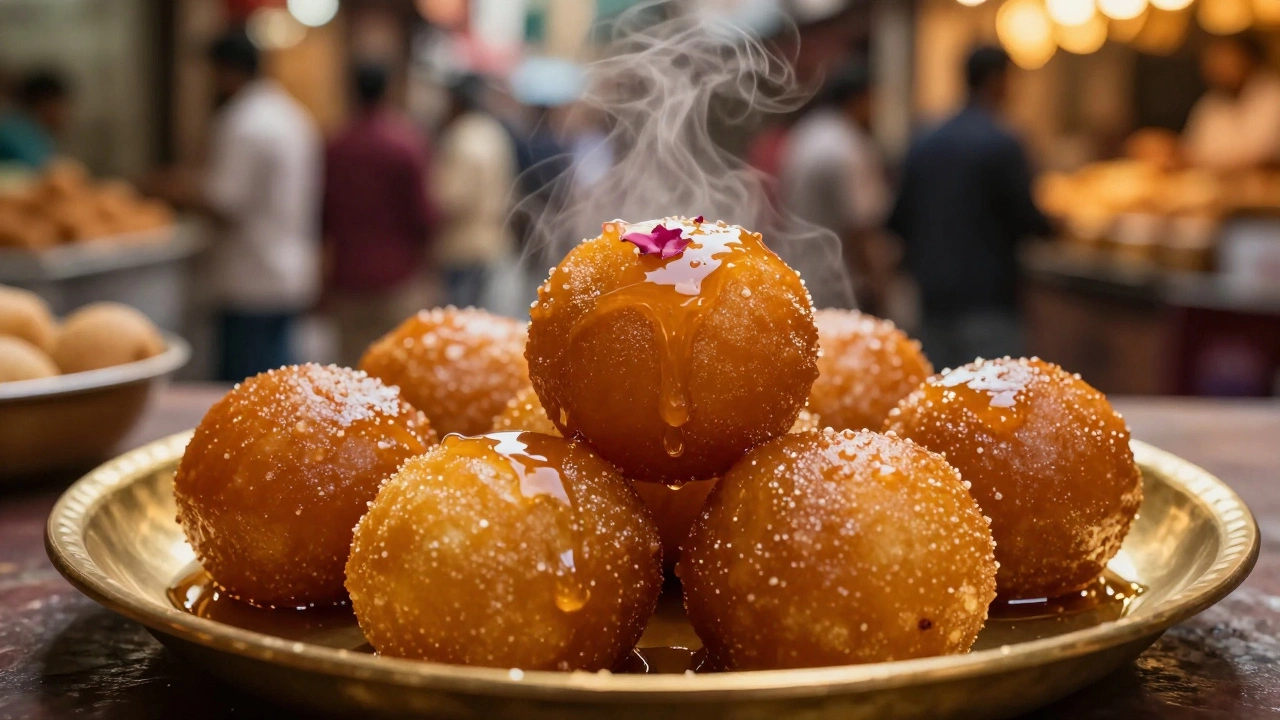
Picture this: it’s a Tuesday afternoon in Mumbai. A small shop on the corner smells like caramelized sugar and toasted almonds. People are lining up not for lunch, but for Gulab Jamun, deep-fried milk dumplings soaked in rose-flavored sugar syrup. This isn’t just a snack; it’s a ritual. If you’ve ever wondered why Indian sweets play such a massive role in daily life, you’re looking at more than just a sweet tooth. You’re looking at centuries of tradition, religion, and social bonding wrapped in sugar.
For many outsiders, the sheer volume of sugar in Indian cuisine can be surprising. But for Indians, these treats-collectively known as Mithai, the Hindi term for traditional Indian confections made from milk, flour, or nuts.-are essential. They aren’t just dessert; they are gifts, offerings, celebrations, and sometimes, even apologies. Let’s break down exactly why this love affair with sugar runs so deep.
The Religious Roots of Sweetness
To understand the obsession, you have to start with spirituality. In Hinduism, which influences much of North Indian culture, food is never just fuel. It’s sacred. The concept of Prasad, food that has been offered to deities and then distributed to devotees as a blessing. is central to worship. When you visit a temple, whether it’s the golden temples of Amritsar or the ancient shrines of Varanasi, you’ll see plates of sweets being presented to idols of gods like Lakshmi (goddess of wealth) or Ganesha (god of beginnings).
Why sweets specifically? Because sugar represents the sweetness of divine grace. Bitterness is associated with suffering or ignorance, while sweetness symbolizes joy, prosperity, and spiritual fulfillment. After the prayer, the community eats this blessed food. It creates a direct link between the divine and the physical act of eating. This practice dates back thousands of years, embedding the idea that "sweet things bring good luck" into the cultural DNA.
This religious framework means that no major event happens without a plate of Mithai. Births, weddings, housewarmings, and even the opening of a new business all require the exchange of sweets. It’s a tangible way of saying, "I wish you happiness." Without the sweet, the celebration feels incomplete.
Social Currency and Community Bonding
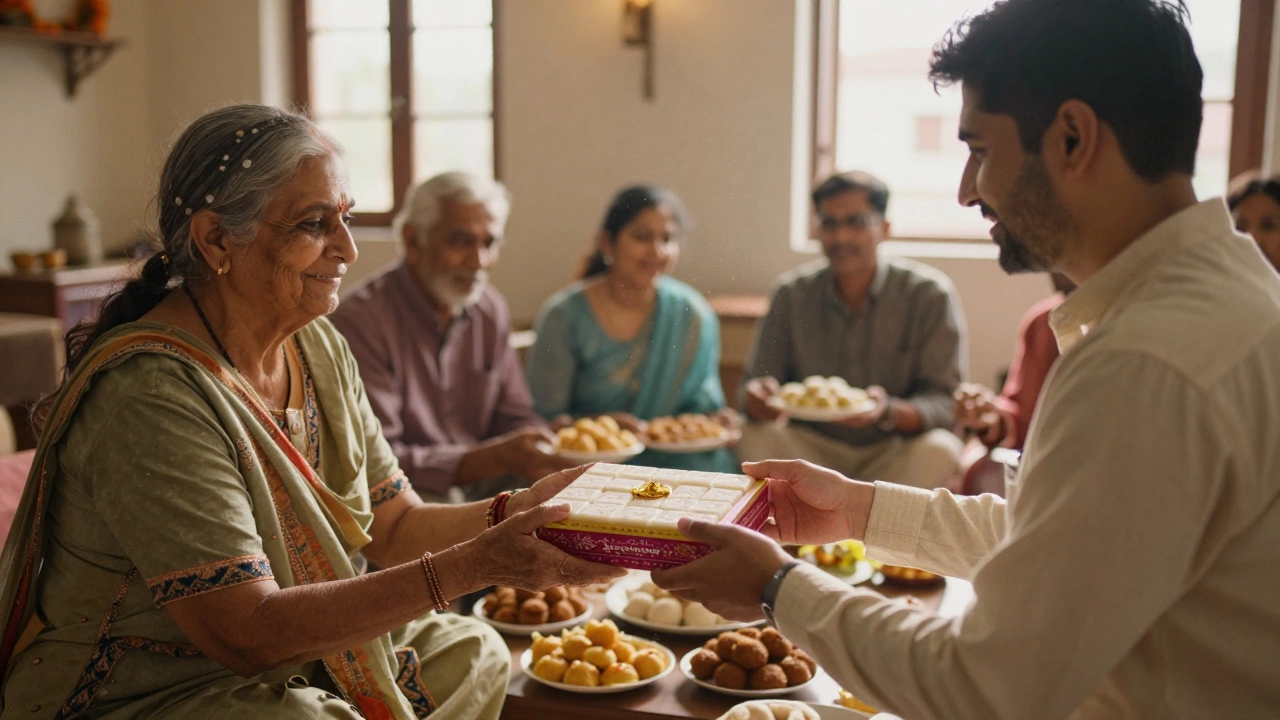
Beyond religion, Indian sweets function as social currency. Think about how you might bring donuts to an office meeting in the West. Now scale that up to every single interaction in Indian society. If you go to a friend’s house for dinner, you rarely arrive empty-handed. You bring a box of Kaju Katli, a popular diamond-shaped fudge made from cashew paste, sugar, and ghee. It’s polite. It’s expected. It shows respect.
This custom strengthens community ties. In a country with over 1.4 billion people, maintaining social harmony requires constant effort. Sharing food is one of the fastest ways to build trust. When you share a sweet, you are sharing your prosperity. It’s a subtle way of saying, "I am doing well, and I want you to do well too."
Consider the scenario of a dispute. Two neighbors have argued over a property line. How do they make peace? One doesn’t send a lawyer first; he sends a box of Peda, soft, fudge-like sweets made from chenna (cottage cheese), sugar, and cardamom. The recipient accepts the sweet, the tension breaks, and the conversation resumes. The sweet acts as a bridge. It’s a non-verbal apology that carries weight because of its cultural significance.
The Milk Connection: Geography and Ingredients
You might wonder why so many Indian sweets are based on milk rather than fruit or chocolate. The answer lies in geography and agriculture. India has some of the largest cattle populations in the world. Dairy farming is deeply integrated into rural life. For centuries, milk was abundant, relatively cheap, and highly nutritious.
Unlike Western desserts that rely heavily on wheat flour or eggs, traditional Indian sweets focus on Khoya, reduced milk solids obtained by simmering milk until almost all water evaporates. Making Khoya is labor-intensive. You have to boil milk for hours, stirring constantly to prevent burning. This process concentrates the nutrients and creates a rich, creamy base for sweets like Rasgulla, spongy white balls made from chenna, originating from Bengal and Odisha. or Gulab Jamun, fried dough balls soaked in syrup, often made with khoya.
This reliance on dairy also reflects historical preservation techniques. Before refrigeration, reducing milk into solid forms helped preserve it longer. Over time, these preserved milks were sweetened and flavored with spices like cardamom, saffron, and nutmeg, turning a survival strategy into a culinary art form.
Festivals and Seasonal Celebrations
If you think Christmas is big on cookies, wait until you experience Diwali. Known as the Festival of Lights, Diwali is the most important holiday in India. And what defines Diwali? Sweets. Families spend weeks preparing specific treats for this occasion. Each region has its own signature dish.
- North India: Focuses on milk-based sweets like Barfi and Ladoo.
- West India: Famous for Modak, a steamed dumpling filled with coconut and jaggery, dedicated to Lord Ganesha.
- South India: Offers Payasam, a pudding made with rice or semolina, milk, and ghee.
- East India: Celebrates with Rasgulla and Sandesh.
These festivals aren’t just about eating; they’re about identity. Preparing these sweets connects people to their ancestors. Recipes are passed down orally, from grandmother to mother to daughter. The specific taste of a homemade Peda during Holi (the festival of colors) triggers nostalgia that store-bought versions simply can’t replicate.
Even minor festivals have their sweets. Raksha Bandhan involves exchanging halwa; Eid features Sheer Khurma. The calendar is essentially a guide to what you should be cooking and eating next. This constant cycle keeps the tradition alive and relevant.
The Role of Spices and Flavor Profiles
Another reason Indians love their sweets is the complexity of flavor. Unlike American candy, which is often purely sugary, Indian sweets are aromatic. They use spices that balance the sweetness and aid digestion.
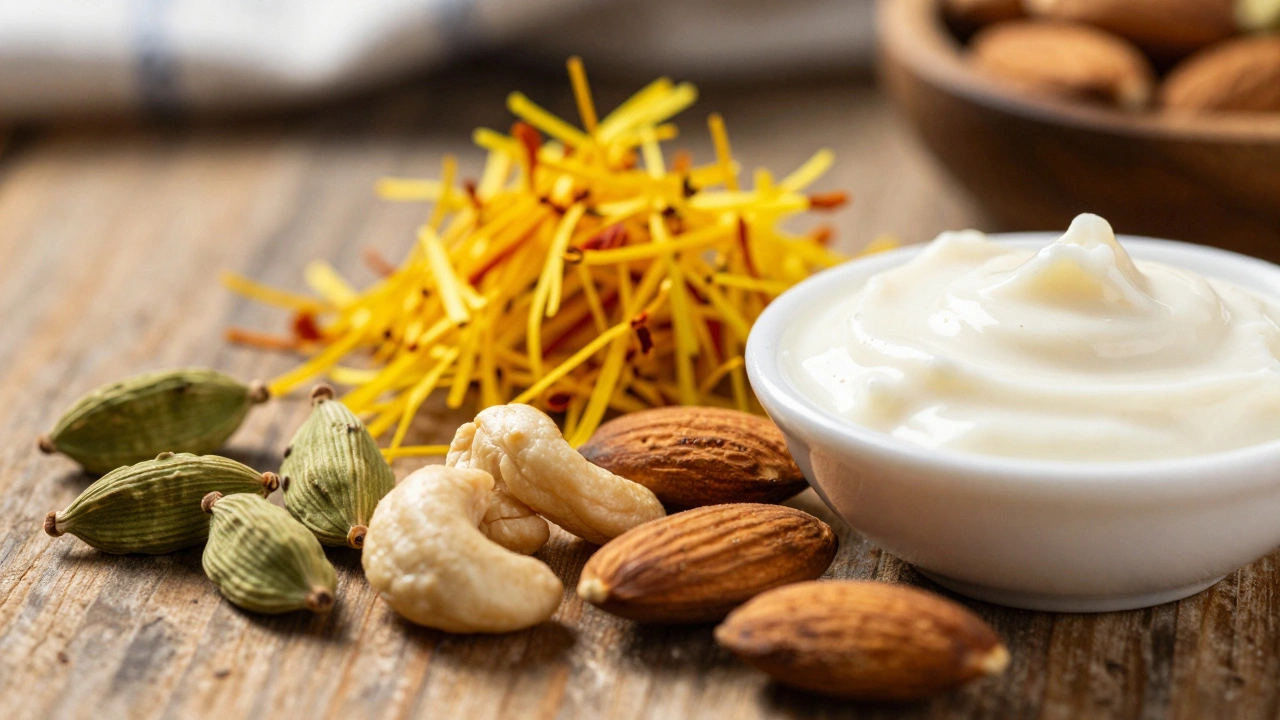
Cardamom is the star player here. Its floral, eucalyptus-like scent cuts through the heaviness of milk and fat. Saffron adds a luxurious aroma and a vibrant yellow color. Nutmeg and cloves provide warmth. Even dry fruits like almonds, pistachios, and raisins are fried in ghee and added for texture and nutrition.
This layering of flavors makes the eating experience sophisticated. It’s not just about getting a sugar rush; it’s about savoring the interplay of tastes. The slight bitterness of cardamom against the intense sweetness of sugar creates a balanced profile that appeals to the palate without overwhelming it (though the sugar content is still high!).
Modern Challenges and Evolving Tastes
It’s important to note that the landscape is changing. With rising rates of diabetes and heart disease in India, there is a growing awareness of the health risks associated with traditional Mithai. Younger generations are questioning the need for such high sugar intake.
In response, we’re seeing a shift. Many modern sweet shops now offer "healthy" alternatives. These include:
- Sweets made with jaggery instead of refined sugar.
- Low-fat versions using skimmed milk.
- Nut-based bars that skip the heavy frying.
- Dark chocolate-infused traditional recipes.
However, the core desire remains. Even when people choose healthier options, they still crave the ritual. They still want the gift-giving aspect. The format may change, but the function of Indian sweets in society remains unchanged. They are still the glue that holds families and communities together.
| Sweet Name | Main Ingredient | Texture | Common Occasion |
|---|---|---|---|
| Gulab Jamun | Milk Solids (Khoya) | Soft, Spongy | Weddings, Parties |
| Kaju Katli | Cashews | Smooth, Fudgy | Diwali, Gifts |
| Rasgulla | Chenna (Cottage Cheese) | Bouncy, Wet | Daily Snack, Festivals |
| Peda | Milk Solids | Crumbly, Soft | Holi, Religious Offerings |
| Ladoo | Semolina or Flour | Dense, Round | Baby Showers, Births |
Conclusion: More Than Just Sugar
So, why do Indians love sweets? It’s not just because they taste good. It’s because they carry meaning. Every bite tells a story of devotion, hospitality, and history. Whether it’s a simple piece of Jalebi dipped in chai or an elaborate box of assorted mithai for a wedding, these treats are indispensable to Indian life. They remind us that life, like sugar, is best when shared.
Are Indian sweets vegetarian?
Yes, the vast majority of traditional Indian sweets are strictly vegetarian. Most are made from milk, sugar, nuts, and flour. However, some regional variations might use ghee (clarified butter), which is vegetarian but not vegan. Always check if you have specific dietary restrictions.
What is the difference between Mithai and Dessert?
While both are sweet, Mithai refers specifically to traditional Indian confections that are often served as standalone items or gifts. Western desserts are typically part of a meal sequence. Mithai is also deeply tied to religious and cultural rituals, whereas desserts are more casual.
Can I make Indian sweets at home?
Absolutely! Many sweets like Gulab Jamun and Kaju Katli can be made at home. However, they require precision, especially when dealing with sugar syrups and milk reduction. Patience is key. Start with simpler recipes like Badam Barfi before attempting complex ones like Rasgulla.
Why are Indian sweets so high in sugar?
Historically, sugar was used for preservation and energy. In hot climates, dense, calorie-rich foods provided necessary sustenance. Additionally, the cultural belief that sweetness brings good fortune led to the liberal use of sugar in celebratory foods.
What is the most popular Indian sweet?
Gulab Jamun is widely considered the most popular Indian sweet globally due to its soft texture and sweet syrup. However, Kaju Katli is the top choice for gifting during Diwali, and Rasgulla is the favorite in Eastern India. Popularity varies by region.