Paneer Troubleshooter
Answer a few questions about your attempt to find out exactly why your paneer didn't set and how to fix it.
- TempMilk must be near boiling point.
- FatUse full-fat milk for best texture.
- AcidAdd slowly, stop when whey clears.
- StirGentle folds only, do not whisk.
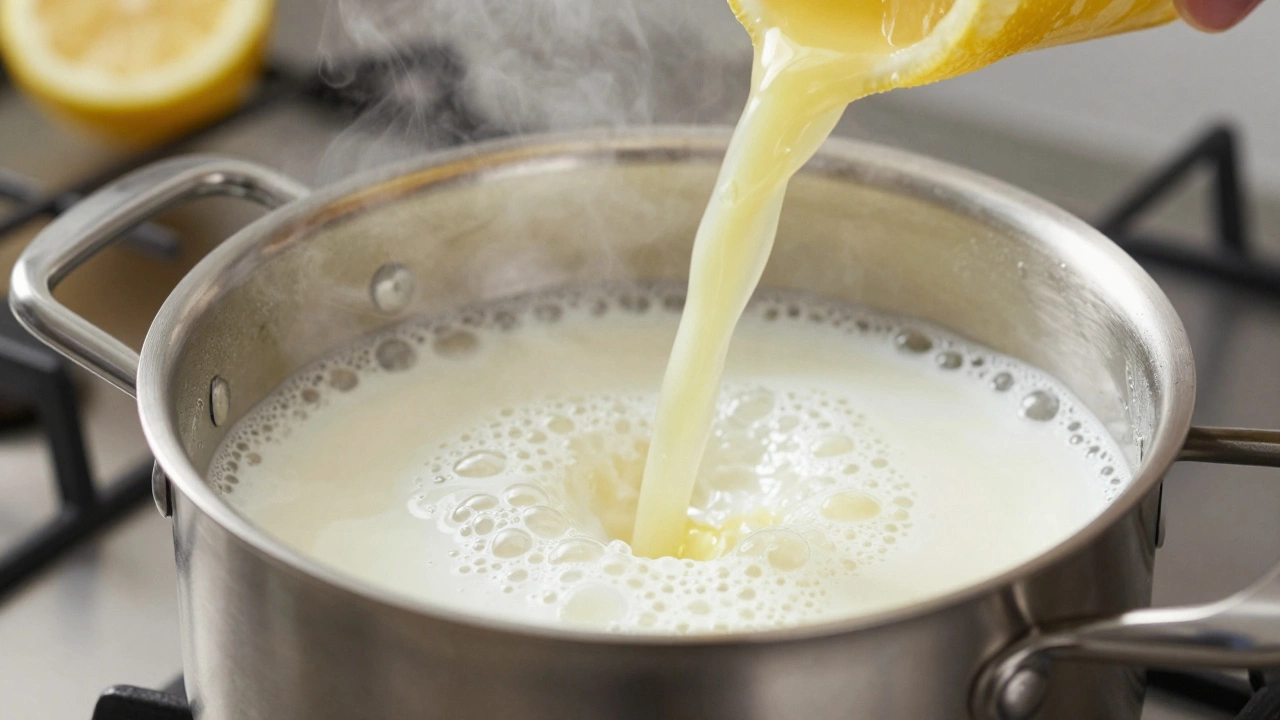
You pour the hot lemon juice into the boiling milk, stir gently, and wait. But instead of seeing those beautiful white curds separate from the greenish whey, you just get a pot of slightly sour-looking liquid. It’s frustrating. You’ve followed the recipe exactly, yet your homemade paneer refuses to form. This is one of the most common kitchen disasters for anyone trying to make fresh cheese at home, but it is almost always fixable.
The science behind paneer is surprisingly simple: heat and acid cause the proteins in milk to denature and clump together. When this process fails, it’s usually because one of these variables was off. Let’s break down exactly why your milk isn’t curdling and how to save your batch-or prevent it next time.
The Temperature Trap: Why Heat Matters More Than You Think
The single biggest reason paneer fails to curdle is temperature. Milk needs to be piping hot-close to boiling-to release its proteins effectively. If the milk is only warm or lukewarm, the acid won’t trigger the separation. You’ll end up with a soupy mess that looks like thin yogurt rather than distinct curds.
Here is the rule of thumb: bring your milk to a rolling boil first. Watch for bubbles forming around the edges of the pan and steam rising vigorously. Once it hits that point, reduce the heat to low so it simmers gently. This keeps the milk hot enough to react with the acid without scorching the bottom of the pan. If you add the acid while the milk is still cold or just warming up, the reaction will be too weak to form solid curds.
If you accidentally added acid to milk that wasn't hot enough, don't panic. Turn the heat back up to medium-high and let it simmer for another two to three minutes. Then, try adding a little more acid. The combination of renewed heat and additional acid often jumps-starts the curdling process.
The Acid Factor: Strength and Type
You need enough acid to lower the pH of the milk significantly. Most recipes call for lemon juice, vinegar, or citric acid. Each has a different strength, and using the wrong amount can lead to failure.
- Lemon Juice: Freshly squeezed is best. Bottled juice often contains preservatives or has a lower acidity level, which can weaken the curdling effect. You typically need about 1 to 2 tablespoons per liter of milk.
- Vinegar: White distilled vinegar is very acidic and works well, but it can leave a slight tang if you use too much. Start with 1 tablespoon per liter and add more slowly.
- Citric Acid: This is a powder that dissolves in water. It’s potent, so you only need about half a teaspoon per liter. It gives the cleanest taste but requires precise measurement.
A common mistake is adding all the acid at once. Instead, add it in small increments-about a teaspoon at a time-and stir gently. Stop as soon as you see the whey separating from the curds. Over-acidifying can make the paneer rubbery, but under-acidifying means it won’t set at all.
Milk Quality: The Hidden Variable
Not all milk is created equal when it comes to making paneer. The type of milk you choose plays a huge role in whether your cheese sets properly.
Full-fat milk is your best friend here. Skim or low-fat milk lacks the fat content needed to create soft, pliable curds. Without sufficient fat, the proteins might clump, but they’ll likely result in dry, crumbly bits that don’t hold together. In Brighton, I find that standard whole cow’s milk from local dairies works perfectly every time.
UHT (Ultra-High Temperature) milk is a major culprit for failed paneer. Because UHT milk is sterilized at extremely high temperatures, its protein structure changes. It often refuses to curdle properly with standard acids, resulting in a mushy texture. If you’re using UHT milk, you may need to use a stronger acid like citric acid and ensure the milk is boiled longer to encourage separation.
Soy milk or almond milk will not work for traditional paneer. These plant-based milks lack casein, the specific protein found in dairy milk that forms curds. They might thicken with acid, but they won’t create the solid blocks you need for cooking.
Stirring Techniques: Gentle vs. Aggressive
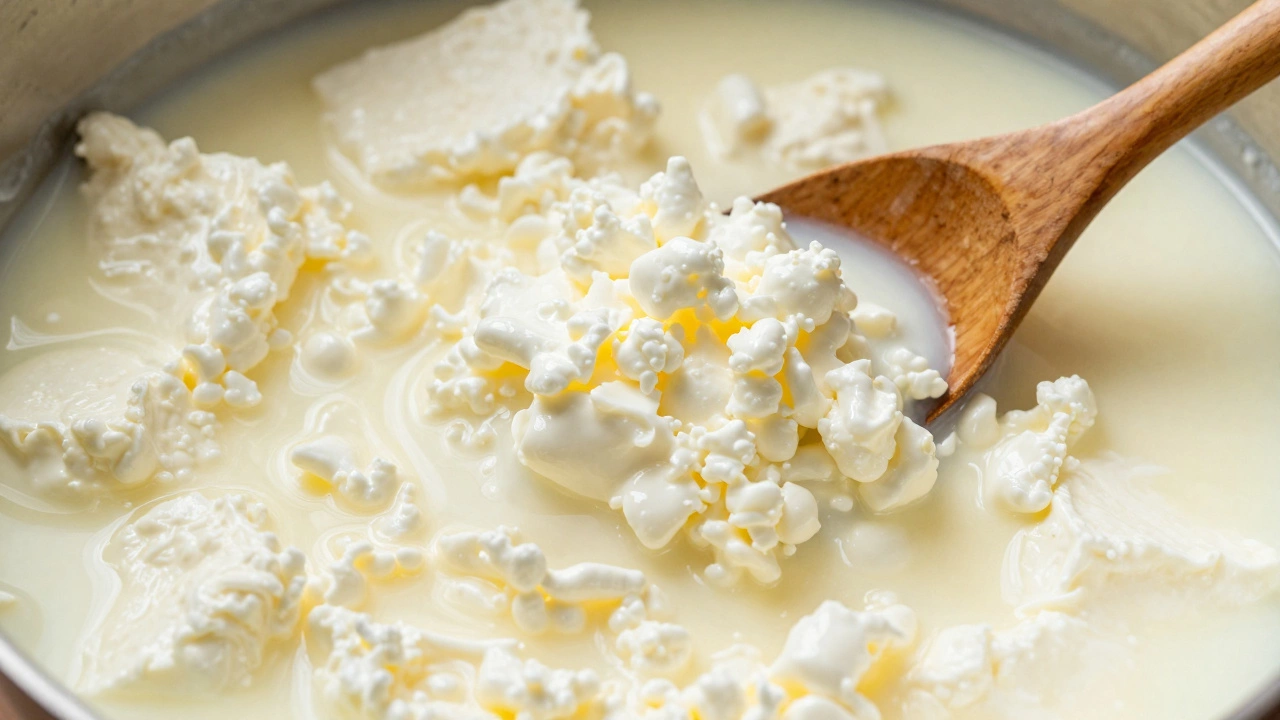
How you handle the milk after adding acid matters. Many people stir vigorously, thinking they need to mix everything thoroughly. This is a mistake. Aggressive stirring breaks up the forming curds before they have a chance to coalesce into larger masses.
Use a gentle folding motion. Imagine you’re mixing delicate eggs. Stir slowly and stop immediately once you see the clear, yellowish-green whey separating from the white solids. If you keep stirring, you’ll disperse the curds throughout the liquid, making them harder to strain and potentially causing them to dissolve back into the mixture.
Salinity and Additives
Did you salt the milk before boiling? Salt can interfere with the curdling process by altering the electrical charge of the proteins. Always add salt to the finished paneer, not the raw milk. Similarly, avoid using milk that has been pre-flavored or sweetened, as the added sugars and stabilizers can inhibit proper curd formation.
Rescuing a Failed Batch
If your paneer hasn’t set, there are a few rescue missions you can attempt:
- Reheat and Re-acidify: Bring the pot back to a simmer. Add another tablespoon of lemon juice or vinegar. Wait five minutes. If it still doesn’t separate, repeat.
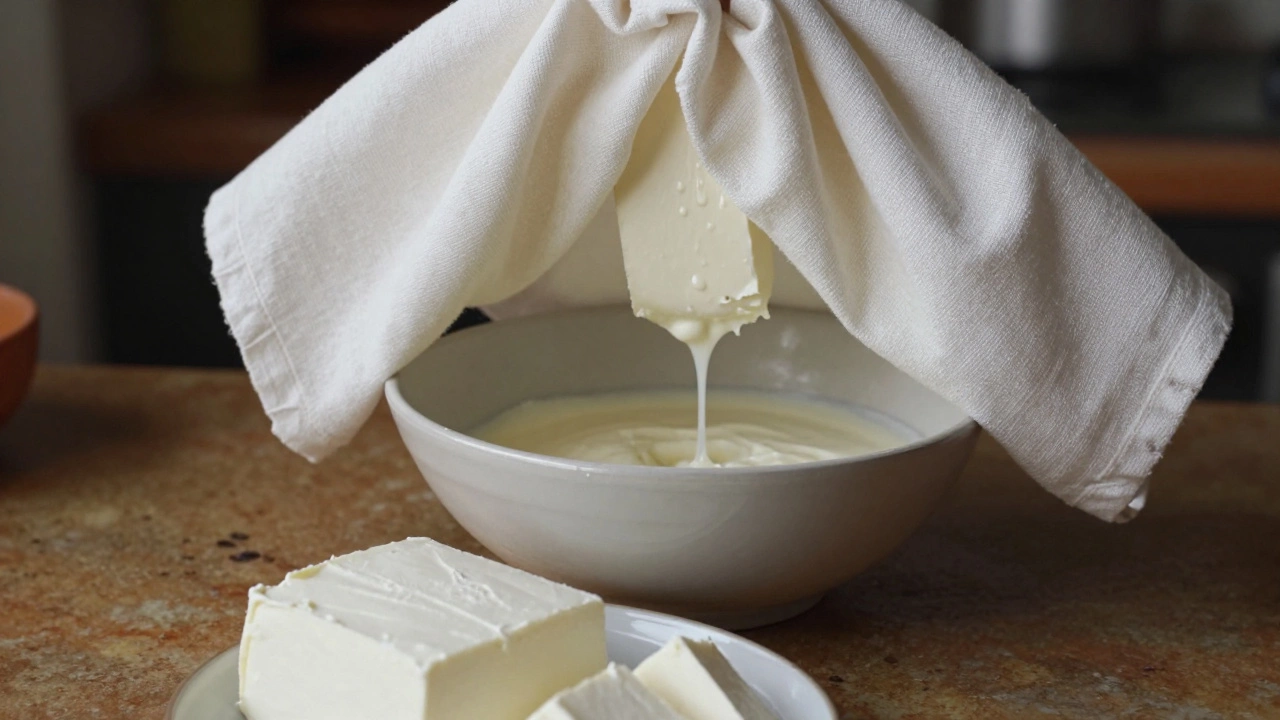
- Strain Anyway: Even if the curds look small and loose, strain the mixture through a cheesecloth or a fine-mesh sieve lined with muslin cloth. Gather the corners of the cloth and lift out the solids. Hang the bundle for 30 minutes to drain excess whey. Sometimes, the curds will firm up once drained, even if they looked weak in the pot.
- Blend and Press: If you end up with tiny crumbs instead of large curds, blend them in a food processor until smooth. Transfer the paste to a cheesecloth, wrap it tightly, and press it under a heavy weight for an hour. This creates a dense block of paneer that works great for frying or grilling.
Comparison of Acids for Paneer Making
| Acid Type | Strength | Taste Impact | Best For |
|---|---|---|---|
| Fresh Lemon Juice | Medium | Mild, fresh citrus note | Beginners, soft paneer |
| White Vinegar | High | Slight tang if overused | Quick setting, firm texture |
| Citric Acid Powder | Very High | Neutral, clean taste | Precise control, professional results |
| Bottled Lemon Juice | Variable/Low | Often metallic or preserved | Emergency use only |
Pro Tips for Consistent Results
To ensure your paneer curdles beautifully every time, keep these tips in mind:
- Use a wide pan: A wider surface area helps the whey evaporate slightly faster, aiding separation.
- Check freshness: Very old milk might already be slightly acidic, which can affect the balance. Use fresh milk within its expiration date.
- Don’t rush the cooling: After straining, let the paneer rest in the cloth for at least 30 minutes before unwrapping. This allows the curds to bind together firmly.
- Save the whey: Don’t throw away the leftover liquid. It’s packed with nutrients and can be used in dal, soups, or even baked goods.
Making paneer is less about strict measurements and more about observing the milk. Once you learn to recognize the visual cues-the sudden appearance of clear whey, the thickening of the liquid-you’ll never struggle with curdling again. It’s a skill that improves with practice, and the reward is a fresh, creamy cheese that tastes infinitely better than store-bought versions.
Can I use skim milk to make paneer?
You can, but the results will be poor. Skim milk lacks the fat necessary to create soft, cohesive curds. The resulting paneer will be dry, crumbly, and difficult to shape. For best results, always use full-fat whole milk.
Why did my paneer turn out rubbery?
Rubbery paneer is usually caused by over-acidifying the milk or boiling it for too long after curdling. Once the curds separate, remove the pan from heat immediately. Also, avoid using too much vinegar or lemon juice, as excess acid toughens the proteins.
What should I do if the whey is still cloudy?
Cloudy whey indicates that the curdling process isn’t complete. Return the pot to a gentle simmer and add a little more acid (lemon juice or vinegar). Stir gently and wait for the liquid to become clear and yellowish-green. If it remains cloudy after multiple additions, the milk quality may be the issue.
Can I make paneer with soy milk?
No, traditional paneer cannot be made with soy milk because it lacks casein, the protein that forms curds. Soy milk will thicken with acid but will not form solid blocks. Look for specific "tofu-style" recipes if you want a plant-based alternative.
Is it normal for paneer to smell sour?
Fresh paneer should have a mild, milky aroma. A strong sour smell suggests the milk was starting to spoil before you began, or you used too much vinegar. If the smell is unpleasant, discard the batch. Properly made paneer smells neutral and fresh.
How long can I store homemade paneer?
Homemade paneer lasts 3-5 days in the refrigerator if stored in an airtight container submerged in water. Change the water daily to keep it fresh. For longer storage, freeze it in blocks for up to two months, though the texture may become slightly crumblier upon thawing.