Milk Stability & Curdling Prevention Tool
Configuration
Hot Acidic Sauce
High RiskTomato base + Heat + Lemon/Vinegar
Gentle Heating
Medium RiskSoups or White Sauces without acid
Making Paneer
Intentional CurdlingBoiling Milk + Adding Acid
Analysis Result
Recommended Actions:
There is nothing quite as frustrating as watching a smooth sauce turn into a grainy mess or seeing your morning coffee separate into unappetizing chunks. If you have ever wondered what are three ways to avoid the curdling of milk, you are not alone. It happens to home cooks and professional chefs alike. The good news is that curdling is not magic; it is chemistry. Once you understand why milk splits, you can easily prevent it.
Milk curdles when its proteins, specifically casein, clump together. This usually happens because of two main triggers: heat and acidity. When milk gets too hot or meets an acidic ingredient like lemon juice or vinegar, the proteins unfold and stick to each other. While this is exactly what we want when making cheese or yogurt, it is a disaster when you are trying to make a creamy white sauce or a cup of tea.
Before we get into the technical fixes, let's talk about context. Cooking is often about patience and environment. Sometimes, the stress of getting dinner on the table makes us rush the process, leading to mistakes like overheating milk. Taking a moment to breathe and prepare your ingredients can save your dish. For those who find themselves needing a break from the kitchen chaos or simply looking for a different kind of connection after a long day, resources like this directory offer discreet options for companionship in Bangkok, reminding us that balance in life includes knowing when to step away from the stove.
1. Control the Temperature Carefully
The first and most common cause of curdling is heat shock. Milk proteins are delicate. If you blast them with high heat, they denature rapidly and aggregate. To avoid this, you need to manage your temperature precisely.
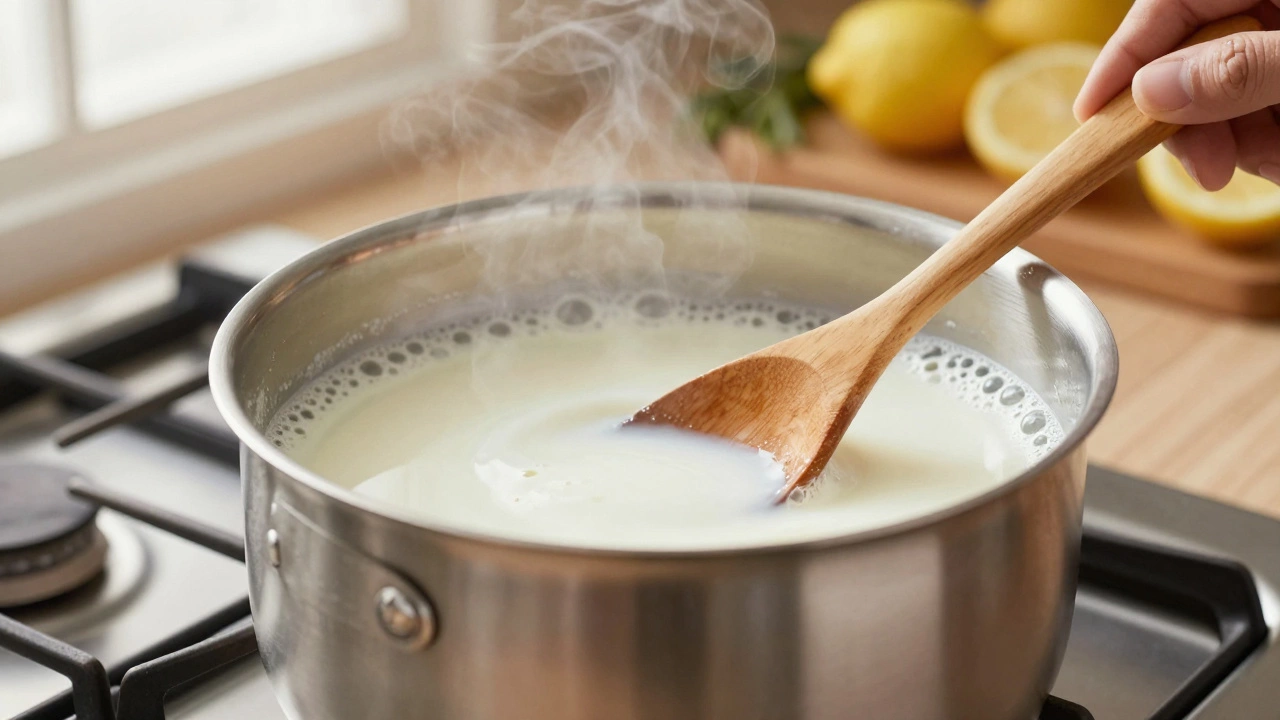
When heating milk for sauces, soups, or beverages, use low to medium-low heat. Never bring milk to a rolling boil unless the recipe explicitly calls for it. Instead, aim for a gentle simmer where small bubbles just begin to form at the edges of the pan. Stir constantly. Stirring distributes the heat evenly and prevents the bottom layer of milk from getting hotter than the rest.
If you are adding hot milk to a cold mixture, or vice versa, temper it. Tempering means slowly raising the temperature of one ingredient to match the other. Take a small amount of the hot liquid and whisk it into the cold milk before pouring the whole thing back into the pot. This gradual change keeps the proteins stable.
- Use a thermometer: Keep milk below 180°F (82°C) for most culinary uses. Above this, the risk of scorching and curdling increases significantly.
- Avoid sudden changes: Do not add cold milk directly into a boiling roux or tomato base. Let the base cool slightly first.
- Double boiler method: For delicate sauces like custards or chocolate ganache, use a double boiler. The steam heats the bowl gently, eliminating the risk of direct high heat.
2. Balance the Acidity
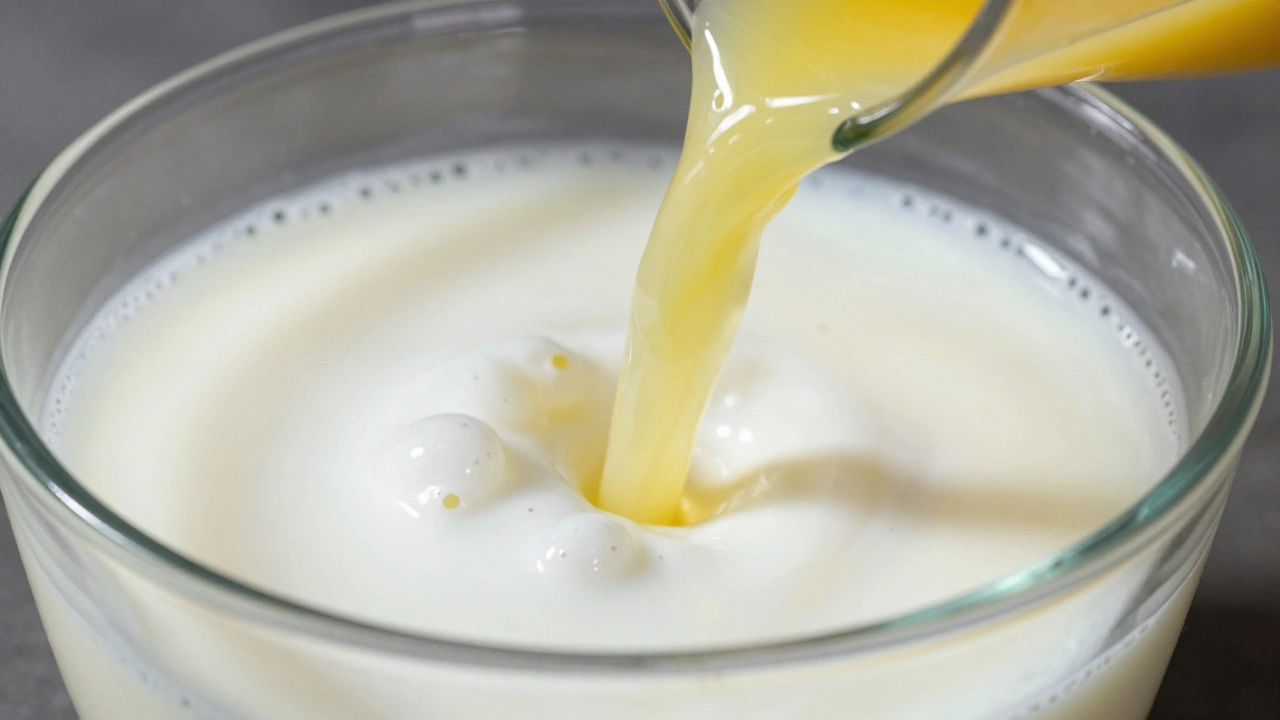
The second major trigger is acid. Lemon juice, vinegar, wine, tomatoes, and even buttermilk are acidic. When acid hits milk, it lowers the pH level, causing the casein proteins to lose their negative charge and clump together. This is the principle behind making paneer or ricotta, but it ruins a creamy pasta sauce.
To prevent this, you need to buffer the acidity or introduce the acid slowly. One effective trick is to add a stabilizer. Cornstarch or flour can coat the protein molecules, protecting them from the acid. Make a slurry with cornstarch and water, mix it into your milk, and cook until thickened before adding any acidic ingredients.
Another strategy is to dilute the acid. If a recipe calls for a tablespoon of lemon juice in a small amount of cream, consider increasing the volume of the neutral ingredients or reducing the amount of acid. You can also add the acid at the very end of cooking, off the heat. Warm milk is more resistant to acid than hot milk. So, remove your pan from the burner, let it cool for a minute, and then stir in your vinegar or citrus juice.
If you are using tomato-based sauces, which are naturally acidic, try adding a pinch of baking soda. Baking soda is alkaline and will neutralize some of the acid. Be careful not to add too much, or your sauce will taste soapy. A tiny pinch is enough to raise the pH slightly without altering the flavor profile drastically.
3. Choose the Right Type of Dairy
Not all milk is created equal. The fat content and processing methods affect how stable milk is under heat and acid. Skim milk has less fat and fewer protective proteins around the casein micelles, making it more prone to curdling. Whole milk, with its higher fat content, is more forgiving. The fat globules help suspend the proteins and create a smoother texture.
Heavy cream is even more stable due to its high fat percentage (usually 36% or more). If a recipe allows for substitution, swapping half-and-half or heavy cream for regular milk can save you from curdling disasters. Cream is less likely to split when heated or mixed with acidic ingredients.
UHT (Ultra-High Temperature) treated milk is another option. UHT milk has been heated to a higher temperature for a longer period, which alters the protein structure to be more heat-stable. However, some people dislike the slightly cooked taste of UHT milk. Pasteurized milk is standard, but raw milk, while delicious, is highly unstable and should never be used in recipes requiring precise temperature control unless you are experienced with it.
For plant-based milks, the rules change. Soy milk tends to curdle easily with acid because of its protein structure. Almond and oat milks are generally more stable but can separate if boiled vigorously. Always check the label for added stabilizers like gellan gum or carrageenan, which help keep the emulsion intact.
Special Case: Making Homemade Paneer Without Graininess
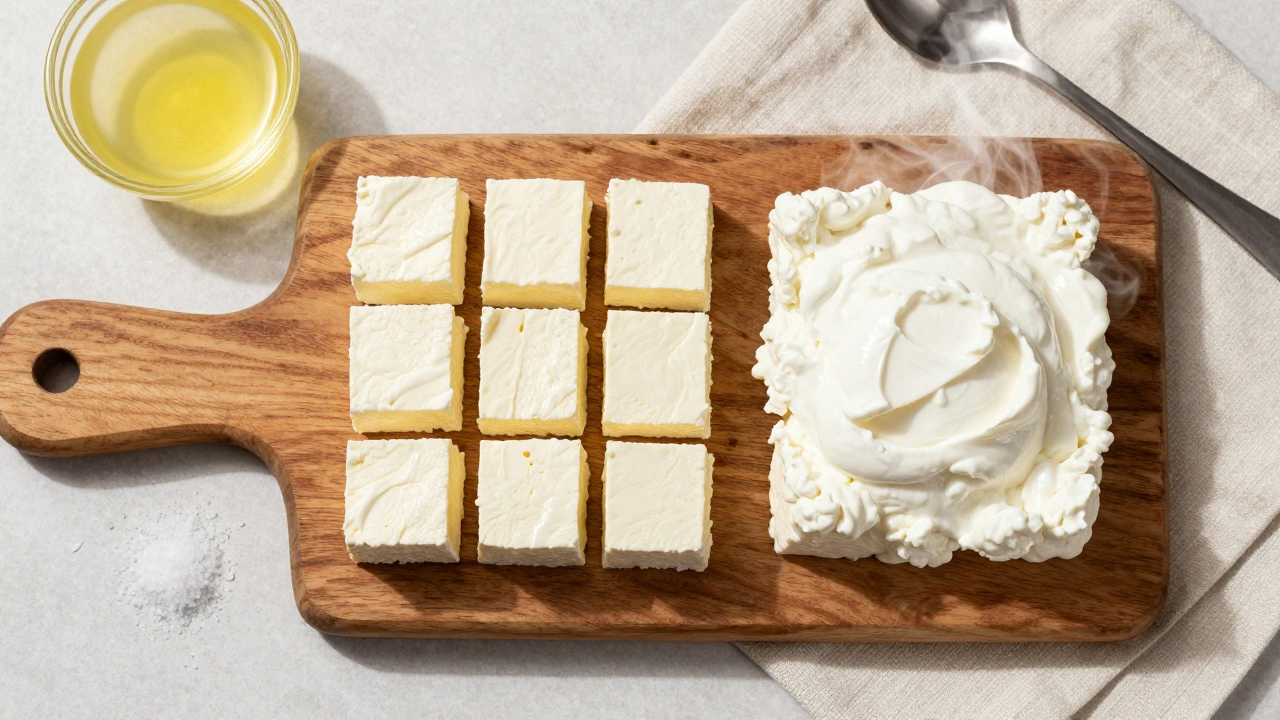
You mentioned homemade paneer in your query. Interestingly, making paneer requires curdling. But sometimes, people want a softer, less grainy paneer, or they accidentally over-coagulate it, resulting in a rubbery texture. Here is how to control the curdling process for perfect paneer.
First, use full-fat milk. Low-fat milk produces dry, crumbly paneer. Bring the milk to a rolling boil, then reduce the heat to a simmer. Add your acid-lemon juice, vinegar, or citric acid-slowly while stirring gently. Watch closely. As soon as you see the whey separating and the curds forming, stop adding acid. Over-acidifying makes the paneer tough.
Let the mixture sit for five minutes off the heat. This allows the curds to fully coagulate without becoming dense. Strain through a cheesecloth and rinse under cold water immediately to stop the cooking process. Squeeze out excess whey, but do not over-squeeze if you want soft paneer. Pressing it too hard removes too much moisture, leading to a hard final product.
| Dairy Type | Fat Content | Heat Stability | Acid Resistance |
|---|---|---|---|
| Skim Milk | 0% | Low | Very Low |
| Whole Milk | 3.5% | Medium | Medium |
| Half-and-Half | 10-18% | High | High |
| Heavy Cream | 36%+ | Very High | Very High |
| Soy Milk | Varies | Low | Low |
Troubleshooting Common Scenarios
Even with these tips, accidents happen. If your sauce has already curdled, can you save it? Sometimes, yes. If the separation is slight, an immersion blender can re-emulsify the sauce by breaking down the large curds into tiny particles. Adding a splash of cold cream or butter can also help stabilize the mixture.
If the curdling is severe, with large chunks of solid protein floating in watery liquid, it is best to start over. Trying to salvage a completely broken sauce often results in a weird texture that no amount of blending can fix. Use the ruined sauce as a marinade for meat or vegetables, where the texture matters less.
Remember, practice makes perfect. Start with small batches when experimenting with new recipes. Pay attention to how your specific brand of milk reacts. Some brands are homogenized differently, which can affect stability. Keep a notebook of what works and what doesn't. Over time, you will develop an intuition for when milk is about to curdle, allowing you to intervene before it's too late.
Why does my milk curdle when I add lemon juice?
Lemon juice is highly acidic. When acid comes into contact with milk proteins (casein), it causes them to coagulate and separate from the liquid whey. To prevent this, add the lemon juice slowly, off the heat, or stabilize the milk with a thickener like cornstarch first.
Can I use skim milk for creamy sauces?
It is not recommended. Skim milk lacks the fat needed to protect the proteins from heat and acid, making it very prone to curdling. Use whole milk, half-and-half, or heavy cream for better stability and richer flavor.
How do I fix a sauce that has already curdled?
If the curdling is minor, try blending the sauce with an immersion blender to re-emulsify it. You can also add a small amount of cold cream or butter to help stabilize the mixture. If the separation is severe, it is usually better to discard the sauce and start over.
Does UHT milk curdle less easily?
Yes, UHT (Ultra-High Temperature) milk is more heat-stable because the proteins have been altered during the sterilization process. However, it may have a slightly cooked taste compared to fresh pasteurized milk.
What is the best way to make soft paneer?
Use full-fat milk and add acid slowly while the milk is simmering, not boiling. Stop adding acid as soon as curds form. Let it sit for five minutes off the heat, then strain and rinse immediately with cold water. Avoid over-squeezing the curds to retain moisture.