Dal Nutrition & Macro Estimator
Nutritional Insight:
Since you are eating lentils, remember that they are an "incomplete" protein. Combine this serving with rice or whole-wheat roti to create a complete amino acid profile for optimal muscle recovery.
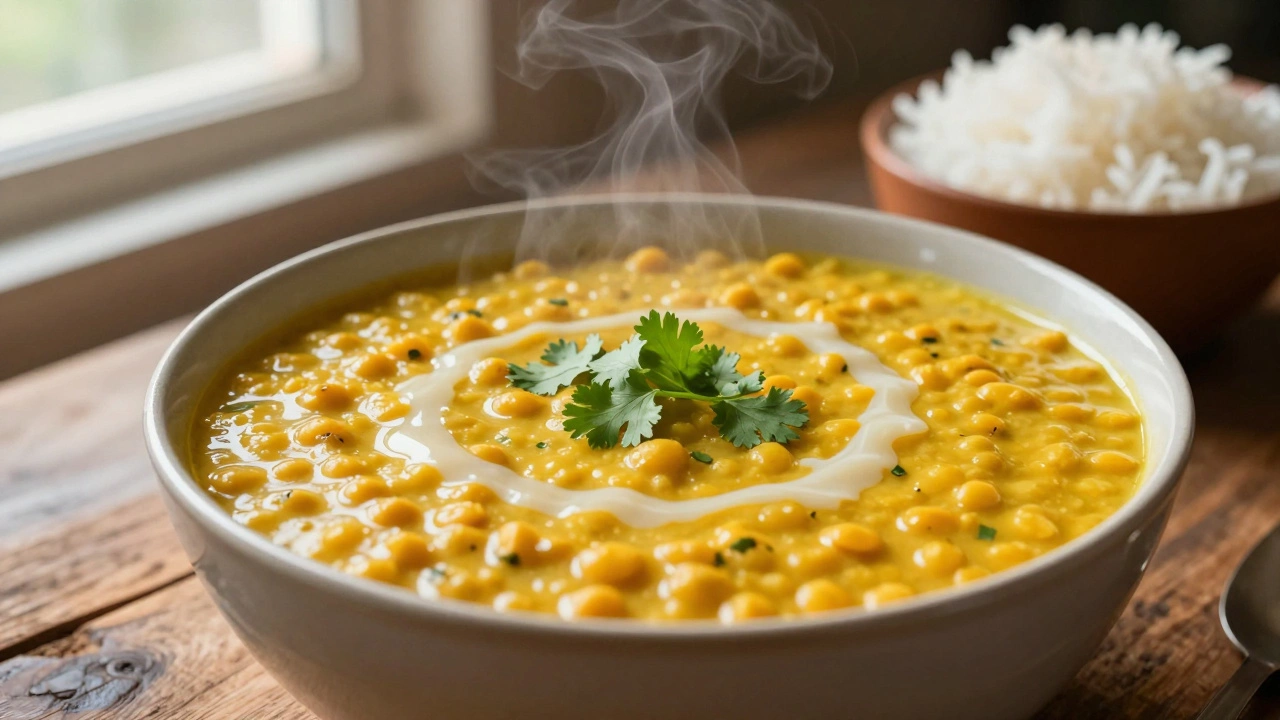
You've probably seen the debate on fitness forums: one person calls lentils a protein powerhouse, while another warns that they're basically just carbs. If you're looking at a bowl of steaming dal and wondering where it fits in your macros, you aren't alone. The short answer is that it's both, but the way it affects your body is what actually matters.
Quick Facts on Dal Nutrition
- Dual Nature: Dal contains significant amounts of both complex carbohydrates and plant-based proteins.
- Fiber Rich: Most dals are packed with soluble and insoluble fiber, which slows down sugar absorption.
- Amino Acid Profile: While high in protein, most lentils are "incomplete," meaning they need a grain partner (like rice) to be a full protein source.
- Low Glycemic Index: Because of the fiber, dal doesn't spike your blood sugar as fast as white bread or pasta.
The Protein Side of the Story
When we talk about Dal is a term used in South Asia to describe dried pulses (seeds of legumes) and the thick stew made from them , we are usually talking about protein. For someone following a vegetarian or vegan lifestyle, dal is often the primary source of muscle-building blocks. On average, a cooked cup of lentils provides about 18 grams of protein.
However, not all proteins are created equal. Animal proteins are "complete" because they contain all nine essential amino acids your body can't make on its own. Most lentils are low in an amino acid called methionine. This is why you'll almost always see dal served with rice or roti. When you combine a legume with a cereal grain, you create a complete protein profile, making it just as effective for muscle recovery as a piece of chicken.
The Carb Component: Not All Carbs Are Bad
Yes, dal has carbs. In fact, for every gram of protein, you'll find a few grams of carbohydrates. But here is where people get confused: they lump dal in with "simple carbs" like sugar or white flour. That's a mistake. The carbs in dal are complex carbohydrates, meaning they are long chains of sugar molecules that take longer for your body to break down.
A huge portion of these carbs comes from Fiber is a type of carbohydrate that the body cannot digest, helping to regulate the digestive system and control blood sugar levels . Fiber doesn't get absorbed into your bloodstream as glucose. Instead, it feeds your gut bacteria and keeps you feeling full for hours. This is why eating a bowl of dal prevents the "crash" you might feel after eating a bowl of plain white pasta.
Comparing Different Types of Dal
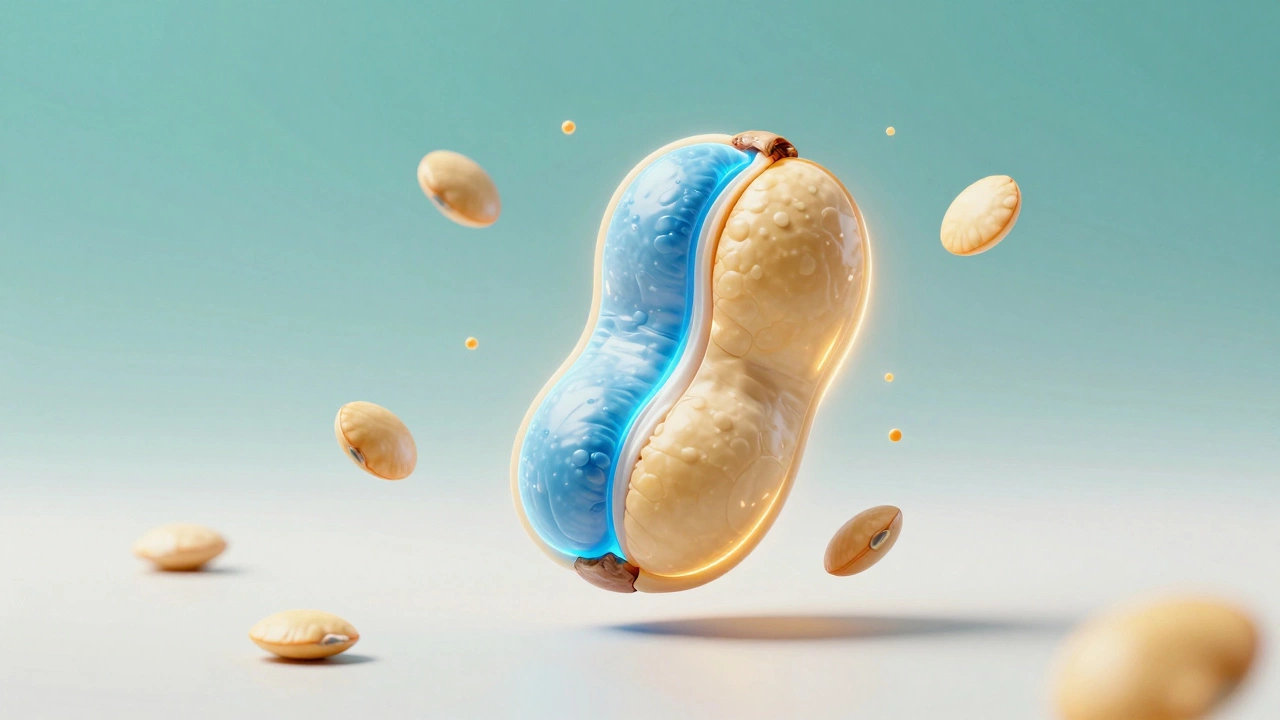
Not every lentil is the same. Depending on which one you pick, the ratio of protein to carbs shifts slightly. For example, red lentils break down quickly and are great for thick soups, while green lentils hold their shape and feel heartier.
| Dal Type | Protein (approx) | Carbs (approx) | Fiber (approx) | Best Use Case |
|---|---|---|---|---|
| Masoor Dal (Red Lentils) | 9g | 20g | 8g | Smooth, creamy stews |
| Moong Dal (Yellow Mung) | 7g | 19g | 7g | Easy digestion, detox |
| Urad Dal (Black Gram) | 8g | 21g | 9g | Hearty, fermented dishes |
| Chana Dal (Split Chickpeas) | 9g | 22g | 8g | Chewy texture, salads |
How to Optimize Your Dal for Health
If you are trying to maximize the protein and minimize the impact of the carbs, how you cook your dal matters. Many traditional recipes involve a "tadka" (tempering), where spices are fried in oil or ghee. While delicious, this adds fats that can change the overall caloric density of the meal.
To make your dal even healthier, try adding a handful of spinach or kale at the end. This increases the micronutrient density without adding significant carbs. Also, soak your lentils for at least 30 minutes before cooking. This process reduces Phytic Acid is an anti-nutrient found in grains and legumes that can interfere with the absorption of minerals like iron and zinc , making the nutrients more bioavailable for your body to use.
Common Myths About Dal and Weight Loss
One common myth is that the carbs in dal make it "unsuitable" for ketogenic or very low-carb diets. While a strict keto diet might limit dal, for 99% of people, the dal nutrition profile is an asset for weight loss. Because the protein and fiber content is so high, it suppresses the hunger hormone ghrelin. You're far more likely to stick to a calorie deficit if you're eating lentils than if you're eating refined grains.
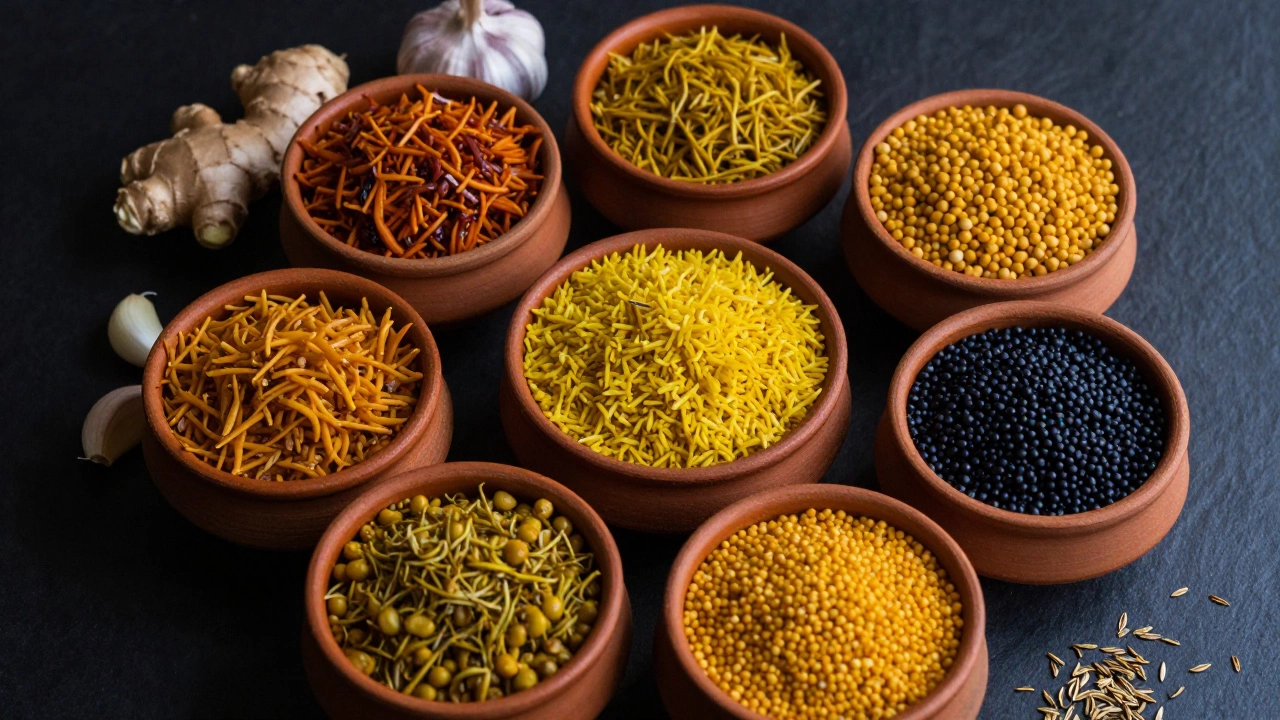
Another misconception is that dal causes bloating. While it's true that legumes contain oligosaccharides (sugars that can cause gas), this is usually a sign that your gut microbiome is adjusting to more fiber. Cooking them thoroughly with ginger and cumin-two natural carminatives-helps the stomach process the legumes more smoothly.
The Bottom Line: How to Track It
If you use a calorie tracking app, you'll see dal listed under both "legumes" and "vegetables." This is because it doesn't fit neatly into one box. If your goal is muscle gain, treat it as a protein source but remember to pair it with rice. If your goal is steady energy, treat it as a slow-burning carb source.
Think of dal as a "hybrid food." It provides the satiety of a carb and the repair capabilities of a protein. Instead of worrying about which category it falls into, focus on the fact that it provides a nutrient density that processed protein powders or white rice simply cannot match.
Can I eat dal on a low-carb diet?
Yes, but in moderation. While dal has more carbs than meat, they are high-fiber complex carbs. If you are on a moderate low-carb diet, dal is a great substitute for pasta or potatoes. If you are on a strict Keto diet, you may need to limit portions due to the net carb count.
Is dal a complete protein?
On its own, no. Most lentils lack enough methionine, an essential amino acid. However, when paired with grains like brown rice, quinoa, or whole wheat roti, the amino acids complement each other to create a complete protein similar to animal protein.
Which dal has the most protein?
Most dals are quite similar, but Chana Dal (split chickpeas) and Masoor Dal (red lentils) often edge out others slightly in protein content per serving. The difference is marginal, so choosing the one you enjoy most is usually the best bet.
Why does dal make me bloated?
Bloating is usually caused by complex sugars called oligosaccharides and a high amount of fiber. To fix this, soak your lentils for several hours and rinse them thoroughly. Adding ginger, garlic, and asafoetida (hing) to your cooking also helps significantly with digestion.
Is it better to eat dal for breakfast or dinner?
Both are great! For breakfast, the complex carbs provide steady energy throughout the morning without a sugar crash. For dinner, the protein helps with muscle repair while you sleep, and the fiber keeps you full so you don't reach for midnight snacks.