Pulse Nighttime Suitability Checker
Not all pulses are created equal for dinner. Use this tool to determine if your planned meal is suitable for nighttime consumption or if it might disrupt your sleep.
Your Digestive Score
You’ve heard the warning before. Maybe your grandmother said it, or perhaps a wellness influencer on social media posted it. "Don’t eat pulses at night." It’s a common piece of advice in many households, especially where dal is a daily staple. But does this rule hold up under scrutiny? Is there actual science behind avoiding beans, lentils, and chickpeas after sunset, or is it just an old wives' tale designed to keep us light before bed?
The short answer is complicated. For some people, eating heavy legumes late in the day causes bloating and disrupts sleep. For others, it’s perfectly fine. The truth isn't black and white; it depends on your body, the type of pulse, and how you prepare it. Let’s break down why this myth exists, what the biology says, and how you can still enjoy a comforting bowl of soup without ruining your rest.
The Science Behind the Bloating
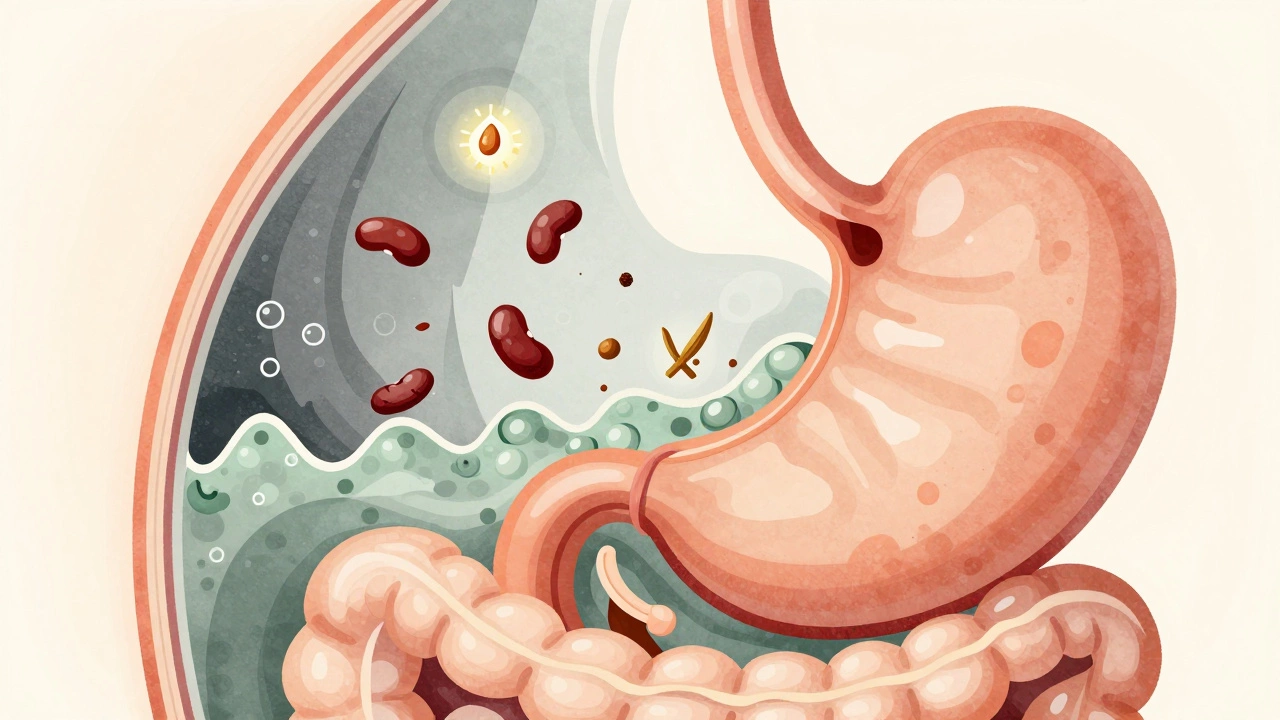
To understand why pulses get a bad reputation for dinner, we need to look at what happens inside your gut. Pulses are packed with fiber and complex carbohydrates. This is great for your health during the day, but digestion slows down significantly when you lie down to sleep.
The main culprit here is often oligosaccharides, a type of carbohydrate found in beans and lentils that humans struggle to break down completely in the small intestine. When these carbs reach the large intestine, bacteria ferment them. This fermentation process produces gas-hydrogen, methane, and carbon dioxide. If you’re lying flat while this process kicks into high gear, that gas has nowhere to go but up (heartburn) or out (bloating).
Additionally, pulses contain phytates and tannins. While these have antioxidant benefits, they can also bind to minerals like iron and zinc, making them harder to absorb if your digestive system is already sluggish from a long day. For someone with sensitive digestion, a heavy portion of kidney beans or chickpeas at 8 PM might feel like wearing a tight belt all night.
Sleep Quality and Blood Sugar Spikes
Another angle is blood sugar regulation. While pulses have a low glycemic index compared to white rice or potatoes, they still contain carbohydrates. If you eat a large serving right before bed, your body works to digest them. For most healthy individuals, this doesn’t cause a massive spike. However, for those who are insulin resistant or prone to acid reflux, the extra work can keep the body slightly alert rather than winding down.
There’s also the issue of temperature regulation. Digestion generates heat-a phenomenon called thermogenesis. Your core body temperature needs to drop slightly to initiate deep sleep. A heavy, protein-rich meal like a thick lentil stew can raise your internal temperature, potentially delaying the onset of REM sleep. You might find yourself tossing and turning, not because you’re hungry, but because your metabolism is running hot.
Not All Pulses Are Created Equal
Here is where the blanket statement "no pulses at night" falls apart. Not every legume behaves the same way in your stomach. Some are much gentler than others. If you want to avoid the midnight bloat, you need to choose wisely.
| Pulse Type | Fiber Content | Gas Potential | Nighttime Suitability |
|---|---|---|---|
| Mung Beans | Moderate | Low | High (Easy to digest) |
| Red Lentils | Low-Moderate | Low | High (Breaks down quickly) |
| Chickpeas | High | High | Low (Heavy and dense) |
| Kidney Beans | Very High | Very High | Very Low (Hard to digest) |
| Black Eyed Peas | High | Medium | Medium (Depends on preparation) |
As you can see, mung beans and red lentils are the champions of nighttime eating. They cook down into a soft consistency almost instantly, meaning your stomach doesn’t have to work overtime to break them down. Chickpeas and kidney beans, on the other hand, retain their structure and density, requiring more gastric acid and time to process.
Preparation Changes Everything
If you love a hearty bean dish for dinner, you don’t necessarily have to give it up. How you prepare the pulses matters just as much as which ones you pick. There are several traditional techniques that reduce the anti-nutrients and gas-producing compounds.
- Soaking: Soaking dry beans overnight and discarding the water removes a significant amount of oligosaccharides. This single step can cut gas production by up to 50%.
- Sprouting: Sprouting activates enzymes that begin breaking down starches and proteins before you even cook them. Sprouted moong is incredibly light and often recommended for evening meals in Ayurvedic diets.
- Spices Matter: Adding carminative spices like cumin, asafoetida (hing), ginger, and fennel seeds helps stimulate digestive enzymes and reduces gas formation. These aren't just for flavor; they are functional tools for digestion.
- Pressure Cooking: Thoroughly cooking pulses until they are mushy makes them easier to digest than al dente preparations. The softer the texture, the less work your stomach has to do.
A Simple Dal Recipe for Dinner
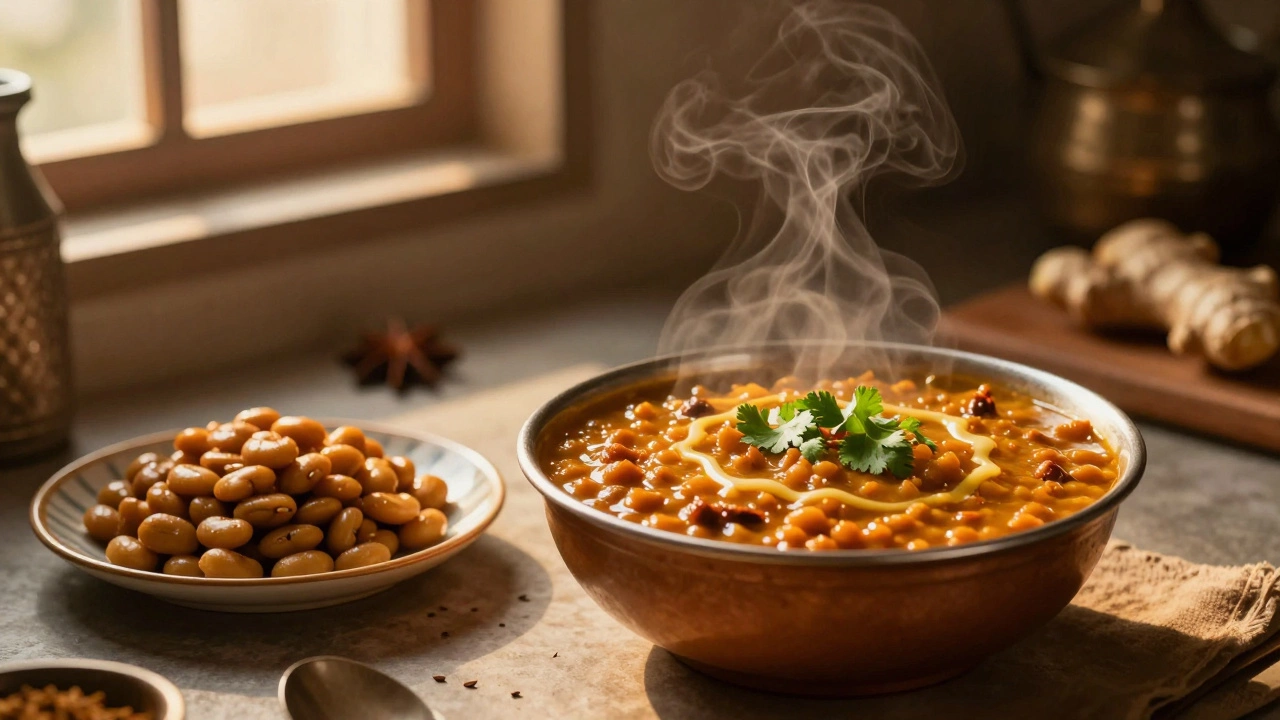
If you’re looking for a safe bet, try a simple red lentil dal. It’s quick, nutritious, and unlikely to cause distress. Here is a foolproof method that focuses on easy digestion.
- Rinse thoroughly: Take 1 cup of split red lentils and rinse them under cold water until the water runs clear. This removes surface dust and some soluble fibers.
- Temper the spices: Heat 1 tablespoon of ghee or oil in a pan. Add 1 teaspoon of cumin seeds and let them sizzle. Add a pinch of asafoetida (if you have it) and chopped garlic.
- Cook the base: Add finely chopped onions and tomatoes. Sauté until the onions turn translucent. This adds volume without heaviness.
- Simmer: Add the rinsed lentils and 3 cups of water. Bring to a boil, then lower the heat. Cook until the lentils disintegrate into a creamy soup. This usually takes 15-20 minutes.
- Finish with ginger: Stir in fresh grated ginger and turmeric. Ginger is a powerful pro-kinetic agent, meaning it helps move food through the digestive tract smoothly.
- Serve lightly: Garnish with fresh cilantro. Avoid adding heavy cream or excessive cheese, which can slow digestion further.
This version of dal is essentially a liquid meal. Liquids pass through the stomach faster than solids, reducing the burden on your digestive system before bedtime. Pair it with a small portion of steamed vegetables rather than a heavy serving of rice, and you’ll likely sleep soundly.

Who Should Actually Avoid Nighttime Pulses?
While many people can handle a moderate portion of well-prepared legumes, certain groups should be more cautious. If you suffer from Irritable Bowel Syndrome (IBS), particularly the subtype characterized by bloating and gas, pulses are often triggers due to their FODMAP content. FODMAPs are fermentable sugars that draw water into the intestine and ferment rapidly.
People with gastroesophageal reflux disease (GERD) should also watch their portions. Lying down shortly after eating any substantial meal increases the risk of acid backing up into the esophagus. Pulses, being protein-dense, can relax the lower esophageal sphincter slightly, exacerbating heartburn symptoms.
Kidney patients on restricted protein or potassium diets need to monitor their intake carefully, as pulses are high in both. In these cases, the timing matters less than the total quantity, but splitting the intake between lunch and dinner is usually safer than loading it all at night.
Listening to Your Body
Ultimately, nutrition is personal. What causes one person insomnia might leave another feeling satisfied and sleepy. The key is observation. Pay attention to how you feel two hours after your evening meal. Do you feel full and warm, or heavy and restless? Does your stomach gurgle loudly when you try to fall asleep?
If the answer is yes, shift your pulse consumption to lunch. Lunch is metabolically the strongest meal for many people, giving your body ample time to digest and utilize the nutrients before you wind down. Save the lighter, easily digestible foods for dinner. Think leafy greens, cooked zucchini, or that gentle red lentil soup mentioned earlier.
Don’t let fear dictate your diet, but do let evidence guide your choices. Pulses are nutritional powerhouses, offering sustained energy, plant-based protein, and essential micronutrients. Eliminating them entirely is unnecessary for most. Instead, optimize your timing and preparation. Choose the right bean, cook it well, spice it smartly, and listen to your body’s feedback. That’s the real secret to enjoying Indian cuisine without sacrificing your sleep.
Can I eat chickpeas at night?
It is generally better to avoid chickpeas at night if you are prone to bloating. Chickpeas are high in fiber and complex carbohydrates that take longer to digest. If you must eat them, ensure they are well-cooked, soaked beforehand, and paired with digestive spices like cumin and ginger. Keep the portion size small.
Which dal is best for dinner?
Red lentil dal (Masoor Dal) and Mung Bean dal are the best options for dinner. They have lower fiber content compared to other pulses and break down quickly during cooking, resulting in a soft, easy-to-digest consistency that won't weigh you down before sleep.
Does eating pulses affect sleep quality?
For some people, yes. The fermentation of undigested carbohydrates in the gut can produce gas, leading to discomfort and restlessness. Additionally, the thermogenic effect of digesting protein can raise body temperature, which may interfere with the natural cooling process required for deep sleep.
How can I reduce gas from eating beans?
Soak dry beans overnight and discard the water before cooking. Use pressure cookers to ensure they are fully softened. Add digestive aids like asafoetida (hing), cumin, fennel seeds, and fresh ginger to your recipes. Gradually increasing your fiber intake allows your gut bacteria to adapt over time.
Is it okay to eat rice with dal at night?
Rice is easier to digest than most pulses, but combining it with a heavy dal creates a larger caloric load. If you eat this combination at night, keep the portion sizes moderate. Brown rice takes longer to digest than white rice, so opt for white rice or millets like foxtail millet if you are eating close to bedtime.