Indian Food Health Swap Tool
Click on the food items below to see how you can swap "metabolic landmines" for healthier, whole-grain, or air-fried alternatives.
Bhatura
Deep-fried refined flour bread.
Gulab Jamun
Fried milk solids in sugar syrup.
Street Samosa
Refined flour crust fried in reused oil.
Butter Naan
Refined wheat with excessive butter.
Click a food item above to analyze the health swap!
-
-
The Reign of Deep-Fried Street Food
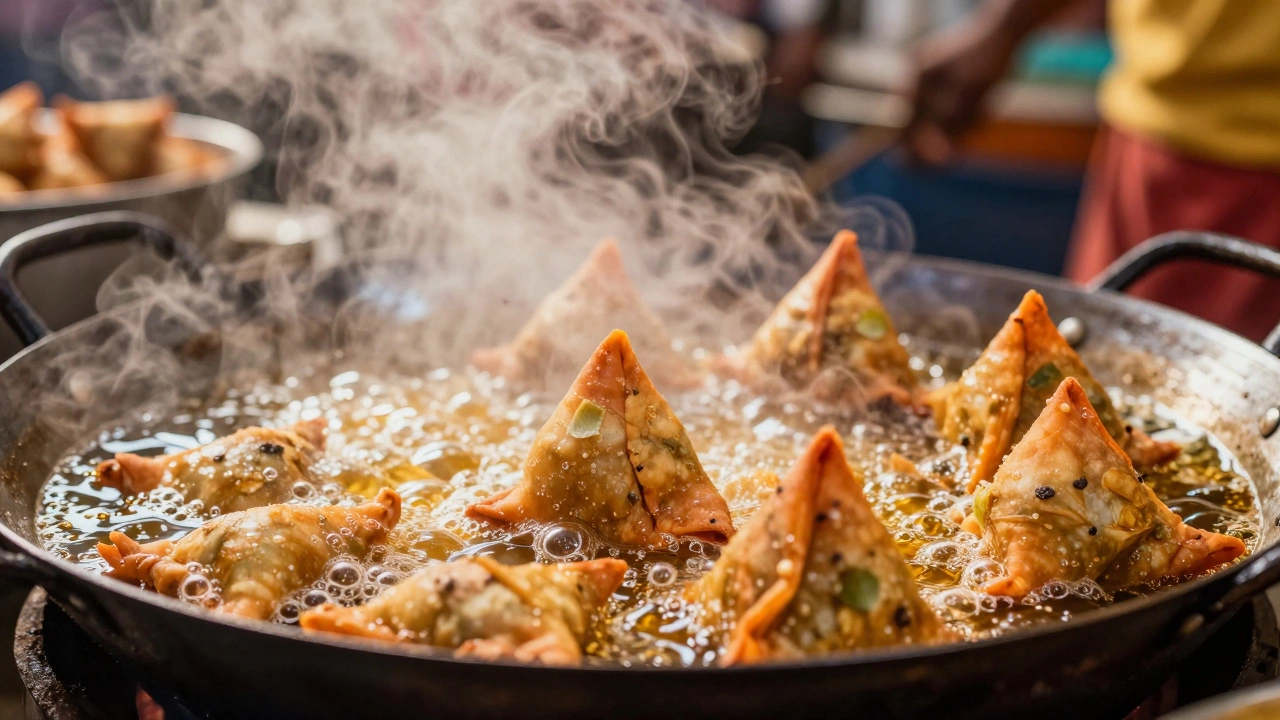
When we talk about the unhealthy Indian food landscape, we have to start with the deep fryers. Take Samosas is a fried or baked pastry with a savory filling, such as spiced potatoes, onions, or peas. While a homemade one is a treat, street-side versions are often fried in Palm Oil or reused vegetable oil that has been heated and cooled dozens of times. This process creates trans fats that clog arteries and spike inflammation. When you combine a refined flour crust with oil that's been oxidized, you're not just eating a snack; you're consuming a concentrated dose of caloric density with almost zero micronutrients.
Then there is the Pakora is a fried snack made from vegetables dipped in a chickpea flour batter. The issue here isn't the vegetable-it's the absorption. Because the batter is often thin and the oil temperature is inconsistent, the pakora acts like a sponge. A small bowl of these can easily exceed 600 calories, mostly from saturated fats, leaving you feeling sluggish an hour later.
The Refined Flour Trap
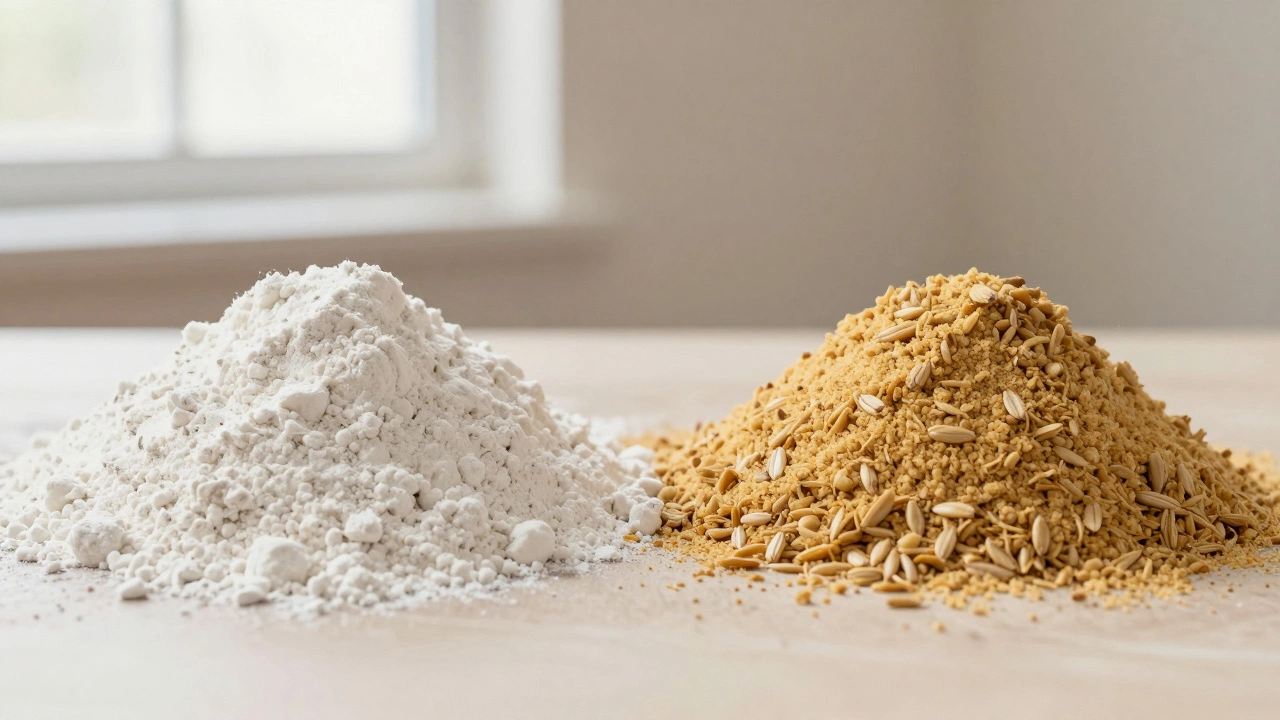
If oil is the first villain, Maida is a finely milled refined wheat flour used extensively in Indian baking and street food is the second. This bleached flour has had the bran and germ removed, meaning all the fiber and vitamins are gone. It has a glycemic index that rivals table sugar, causing your insulin to spike violently.
Think about the Bhatura is a deep-fried leavened bread made from refined flour, typically served with chole. It's a double-hit: refined flour that's been deep-fried. This combination slows down digestion and promotes belly fat. You'll see the same pattern in Naans sold at restaurants, which are often made with maida and brushed with excessive amounts of butter or ghee. While ghee is a traditional fat, the sheer volume used in commercial kitchens transforms a healthy fat into a caloric overload.
The Sugar Bombs in Indian Sweets
Indian desserts are legendary, but they are essentially sugar sculptures. Gulab Jamun is a sweet dessert made of milk solids and flour, fried and soaked in sugar syrup is perhaps one of the most calorie-dense items on the planet. You have milk solids (fat), deep-frying (trans fats), and a heavy sugar syrup (glucose/fructose). Eating just two of these can provide more than your daily recommended sugar intake.
Similarly, Jalebi is a spiral-shaped sweet made by deep-frying a fermented flour batter and soaking it in syrup combines the dangers of maida with an extreme sugar load. Because they are fermented, they might feel "lighter," but the nutritional reality is a spike in blood sugar followed by a massive crash, which often leads to overeating later in the day.
Comparison of Common Culprits
| Food Item | Primary Concern | Impact on Body | Healthier Alternative |
|---|---|---|---|
| Bhatura | Refined Flour + Deep Fried | Insulin spikes, weight gain | Missi Roti (Gram flour) |
| Gulab Jamun | Saturated Fat + High Sugar | Blood sugar surge, inflammation | Fresh fruit with nuts |
| Street Samosa | Oxidized Oil + Maida | Arterial plaque, bloating | Air-fried or Baked Samosa |
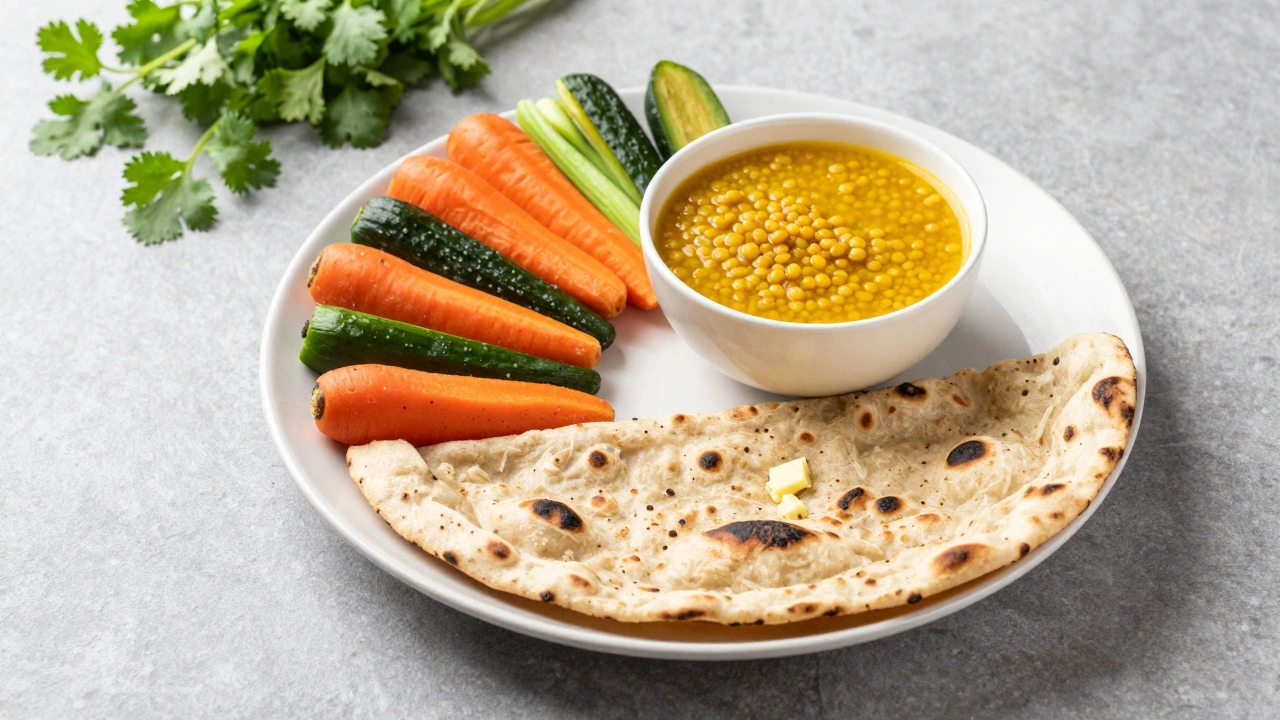
| Butter Naan | Refined Wheat + Excess Butter | High calorie, low fiber | Whole wheat Tandoori Roti |
Hidden Dangers in Commercial Gravies
It's not just the fried stuff. Many restaurant-style curries use a "base gravy" that is thickened with cornstarch or excessive amounts of cashew paste and cream. While cream is delicious, when combined with high sodium levels, it creates a recipe for hypertension. The salt levels in commercial Paneer Butter Masala are often high enough to meet a person's entire daily sodium requirement in a single meal. This leads to water retention and puts a strain on the kidneys.
Many places also add artificial food colorings to make the food look more vibrant. These synthetic dyes can cause allergic reactions in some people and are often indicators of low-quality ingredients being "masked" to look appetizing. When a curry looks neon orange, it's usually a sign that the natural spices have been replaced by chemical additives.
How to Enjoy Indian Flavors Without the Health Cost
You don't have to give up Indian food to stay healthy. The secret is shifting from "refined" to "whole." Instead of maida, use Atta is stone-ground whole wheat flour that retains the bran and germ. Whole wheat provides the fiber needed to slow down the absorption of sugar into your bloodstream.
If you crave that crunch, stop relying on the deep fryer. An air-fryer can get you 90% of the way to a samosa's texture with only 10% of the oil. Also, swap out heavy cream in your curries for Greek yogurt or blended steamed cauliflower. You get the same creamy consistency without the saturated fat bomb. Another pro tip is to increase the ratio of vegetables to grains. Instead of a giant pile of rice with a small side of sabzi, make the vegetables the star of the plate.

The Role of Modern Processing
We also need to talk about Processed Foods is any food that has been altered from its natural state through industrial means. The rise of packaged "instant" mixes-like ready-to-eat poha or instant noodles-has introduced preservatives and MSG into the daily diet. These products often contain hidden sugars to make them more palatable, contributing to the rising rates of Type 2 Diabetes across the Indian subcontinent.
When you eat a home-cooked meal, you control the oil. When you eat from a packet or a street stall, you are at the mercy of the vendor's profit margin. Most vendors use the cheapest oil possible, which is usually high in omega-6 fatty acids, leading to an imbalance that promotes chronic inflammation in the body.
Is all fried Indian food unhealthy?
Not necessarily. The danger lies in the type of oil and how many times it has been reused. Homemade snacks fried in fresh mustard oil or peanut oil are far better than street food fried in old, oxidized palm oil. The key is moderation and oil quality.
Why is maida considered so bad for you?
Maida is stripped of all its natural fiber. This means your body digests it almost instantly, causing a massive spike in blood glucose. Over time, this puts a huge strain on your pancreas and increases the risk of insulin resistance.
Are Indian sweets worse than Western desserts?
Both have issues, but Indian sweets often combine high sugar with saturated fats from deep-frying and full-fat milk solids. This combination is particularly potent in promoting weight gain and metabolic syndrome.
Can I make unhealthy Indian dishes healthy?
Yes! Replace maida with whole wheat or millet flour, use an air-fryer instead of deep-frying, and swap refined sugar for jaggery or dates in small amounts. Using fresh herbs and spices instead of store-bought pastes also reduces sodium intake.
What is the healthiest bread option in Indian cuisine?
Whole wheat rotis, Missi roti (made with chickpea flour), and bajra or jowar rotis are far healthier than naan or bhatura because they contain complex carbohydrates and essential minerals.
Next Steps for a Healthier Plate
If you're feeling overwhelmed, don't try to change everything overnight. Start by swapping your dinner bread from naan to tandoori roti. Then, try to limit street-fried snacks to once a week. The goal isn't to erase these foods from your life-they are part of a rich culture-but to ensure they are the exception, not the rule. Focus on adding more fiber-rich lentils and leafy greens to your diet to balance out the occasional indulgence.