Dal Prep Guide & Checklist
Select the type of dal you are preparing to get a custom cleaning and preparation checklist based on the article guidelines.
Selected Dal
Priority: HighCleaning Requirements:
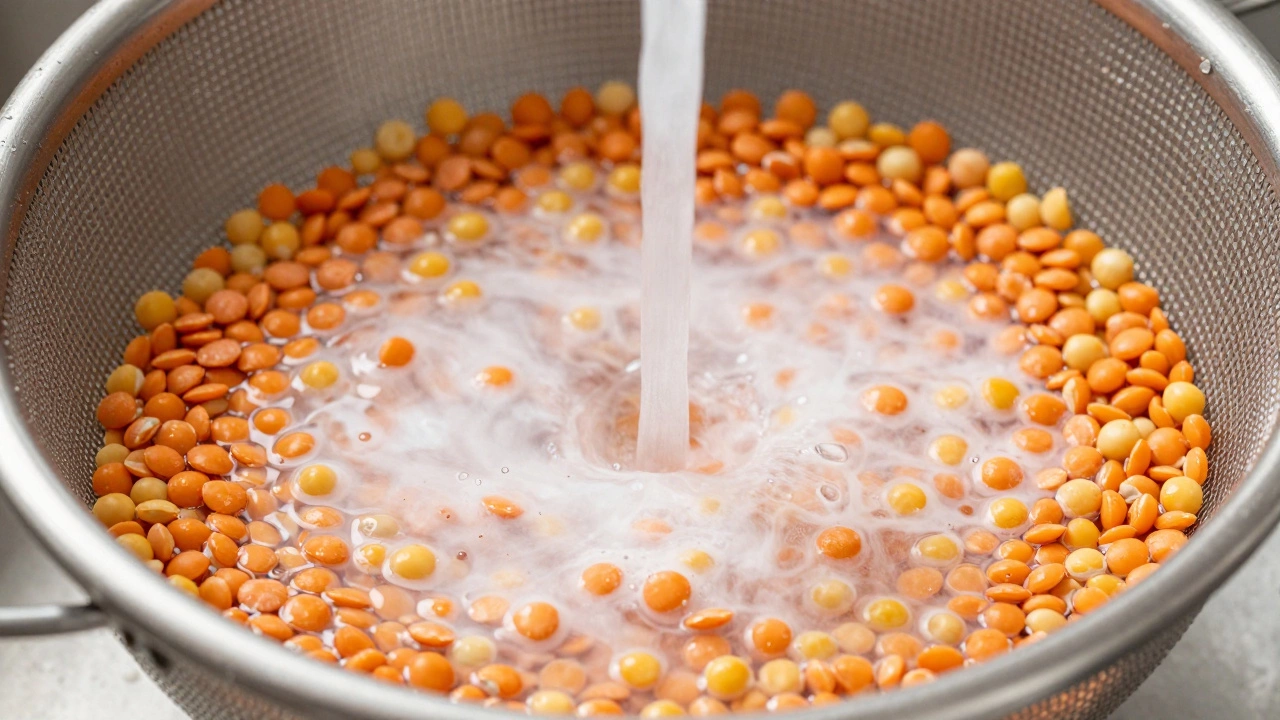
- 1 Rinse until water runs clear (30-60s)
- 2 Stir gently with hands to remove starch
- 3 Inspect on a light surface for pebbles
Preparation Tip:
You've just bought a bag of beautiful yellow split peas or red lentils, and you're ready to whip up a comforting bowl of dal. But then you stop. Do you just pour them into the pot, or do you need to spend five minutes at the sink scrubbing them? If you've ever noticed a weird, soapy foam rising to the top of your pot or found a random pebble hiding in your bowl, you already know there's a reason to be cautious.
The short answer is: yes, you absolutely should rinse your dal. Skipping this step isn't just about cleanliness; it actually changes the flavor and texture of your meal. When you skip the rinse, you're cooking the lentils with all the dust, leftover hull fragments, and surface starches that have accumulated since the crop left the field in India or Canada. This can lead to a thicker, sometimes gluey consistency and a taste that feels "dusty" rather than fresh.
What actually happens when you rinse dal?
When you put rinse dal the process of washing dried legumes under running water to remove impurities into a colander, you're doing more than just removing dirt. You're managing starch. Lentils are coated in a natural starch that, if left intact, turns into a thick, cloudy foam during the boiling process. While some people like a very thick dal, too much of this surface starch can make the dish feel heavy and less refined.
Beyond the starch, there's the issue of contaminants. Even in high-quality, store-bought brands, it's common to find small stones or debris. These "field stones" are tiny but hard enough to chip a tooth. By rinsing and picking through the lentils, you're performing a vital safety check. If you've ever used a Pressure Cooker, you know that anything trapped in there gets cooked into the mix-you don't want a pebble becoming part of your dinner.
The step-by-step way to wash your lentils
You don't need a complex system, but there is a "right" way to do it to ensure you get the cleanest results without wasting water. Follow these steps for any Legume a seed from the Fabaceae family, including lentils, chickpeas, and beans you're preparing:
- Place the measured amount of dry dal in a fine-mesh strainer or a deep bowl.
- Run cold water over the lentils while stirring them with your hand. You'll notice the water turns cloudy almost immediately-that's the excess starch and dust leaving the building.
- Continue rinsing until the water runs clear. This usually takes about 30 to 60 seconds.
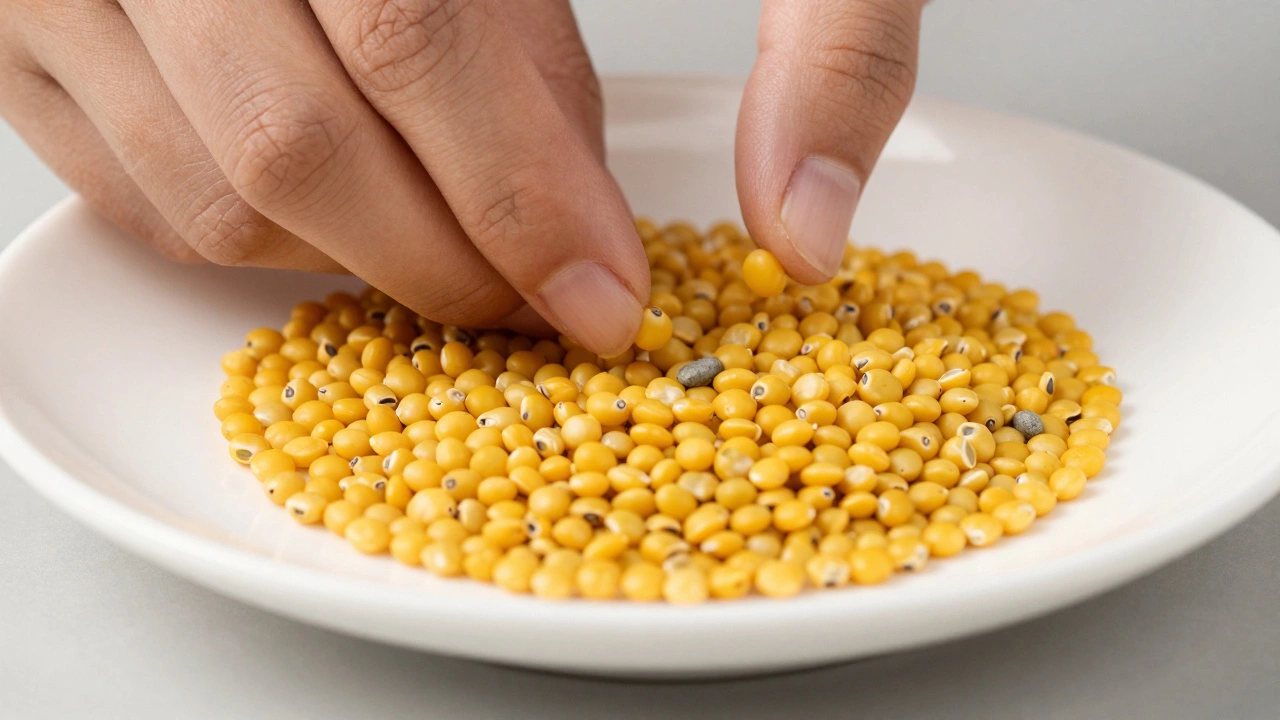
- Spread the rinsed dal on a flat surface or keep them in the bowl and slowly move your fingers through them. Look for any shriveled grains, dark discolored seeds, or small grey pebbles.
- Discard the debris and you're ready to cook.
Different types of dal and their rinsing needs
Not all dals are created equal. Some need more attention than others based on how they are processed. For example, Moong Dal a yellow split legume known for being easy to digest is very soft and can break easily; you want to be gentle during the rinse. On the other hand, Toor Dal also known as pigeon peas, commonly used in South Indian sambar is firmer and can handle a bit more scrubbing.
| Dal Type | Rinse Priority | Why? | Texture Impact |
|---|---|---|---|
| Red Lentils (Masoor) | High | High surface starch | Prevents gluey texture |
| Yellow Split Peas (Moong) | Medium | Dust and debris | Cleaner, brighter color |
| Black Gram (Urad) | Very High | Often contains hulls | Smoother consistency |
| Toor Dal | High | Field debris/stones | Safety and purity |
Does rinsing affect the nutrition?
A common worry is that washing away the starch means washing away the vitamins. Let's put that to rest. The nutritional powerhouse of a lentil-the protein, the fiber, and the minerals-is locked inside the seed. The starch and dust on the outside are not providing any significant health benefits. In fact, removing these impurities can actually make the dal easier to digest for some people, as it reduces the amount of raw surface debris entering your gut.
If you're really worried about losing nutrients, remember that most of the "good stuff" is preserved during the cooking process. The water you use to rinse is separate from the water you use to simmer. If you want to keep the nutrients, focus on not over-draining the pot *after* the dal is cooked, as the cooking liquid (the broth) contains a lot of the water-soluble vitamins.
The "Soaking" Debate: Do you need to soak after rinsing?
Rinsing and soaking are two different animals. Rinsing is for cleanliness; soaking is for texture and digestion. If you're making a Dal Recipe Simple a basic preparation of lentils with minimal spices and water, you might not need to soak red lentils because they cook so fast (about 15-20 minutes). However, for harder lentils like chickpeas or whole black lentils, soaking for 2-4 hours is a game changer.
Soaking helps break down the complex sugars (oligosaccharides) that cause gas and bloating. It also shortens the cooking time significantly. If you decide to soak, always rinse first. If you soak unwashed dal, you're essentially marinating your lentils in a bath of dust and starch for four hours. That's not the kind of flavor profile you want in your dinner.
Common pitfalls to avoid
Even a simple task like washing dal has a few traps. First, avoid using soap. It sounds obvious, but some people try to "deep clean" their legumes. Legumes are porous; they will absorb the soap, and your dal will taste like a dishwasher pod. Use only cold, filtered water.
Second, don't over-scrub. If you rub the lentils too hard against each other, you'll break the skins of the lentils. When the skins break prematurely, the dal releases starch much faster during cooking, which leads to that thick, porridge-like texture that can be overwhelming if you're aiming for a soupier consistency.
Lastly, don't ignore the "picking" phase. Rinsing removes the dust, but it doesn't always move a heavy pebble. The pebble will sink to the bottom of the bowl. Once you've rinsed, give the lentils a final look on a white plate or light-colored bowl so the dark stones stand out clearly.
How rinsing fits into the bigger picture of Indian cooking
In traditional Indian kitchens, the process of cleaning the grain is as important as the tempering (tadka). When you start with a clean base, the flavors of your spices-cumin, turmeric, and garlic-can actually penetrate the lentil rather than fighting through a layer of surface impurities. A clean lentil absorbs water more evenly, meaning you won't end up with some grains that are mushy while others are still hard in the center.
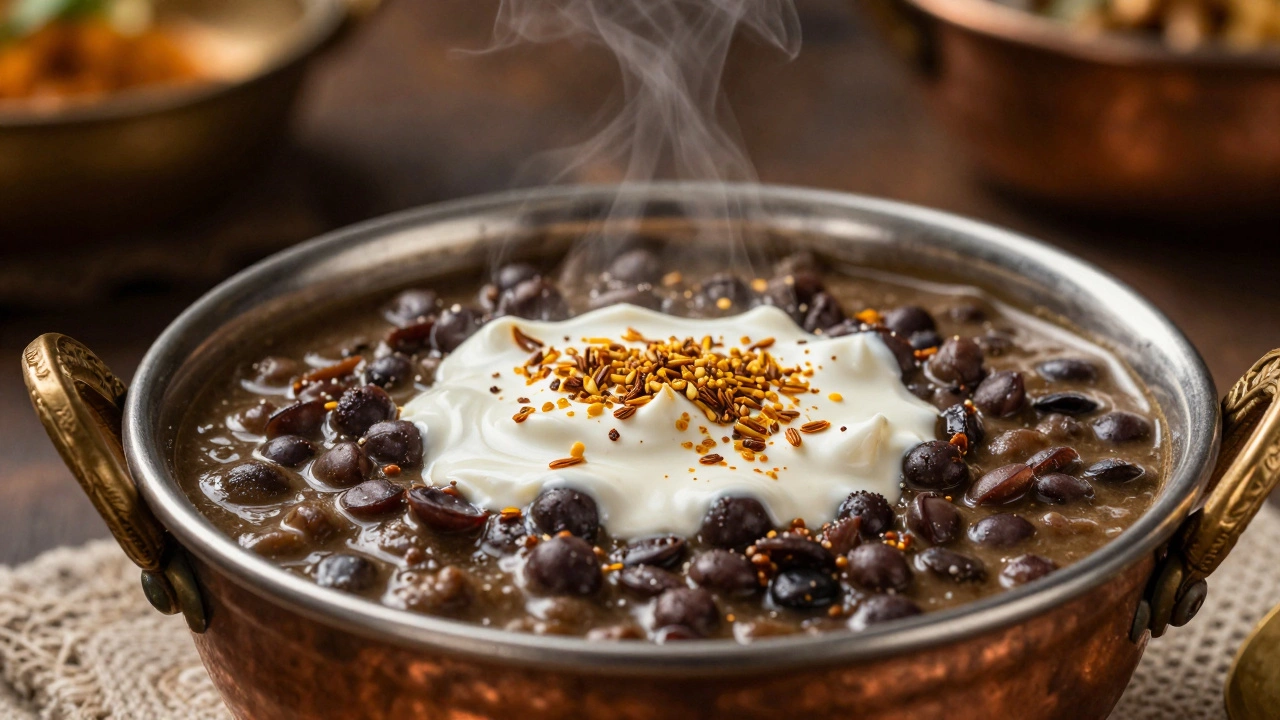
If you're experimenting with different styles, like a creamy Dal Makhani a rich, creamy lentil dish made with black gram and kidney beans, the rinsing process is even more critical. Because this dish is simmered for hours, any impurities left behind will be concentrated and can alter the creamy, buttery taste that makes the dish famous.
Can I just use a rice cooker to rinse my dal?
Yes, you can. Put the dal in the inner pot, fill it with water, swish it around, and carefully pour the water out. Repeat this 3-4 times until the water is clear. This is a great way to avoid making a mess with a colander.
What happens if I forget to rinse my dal?
Your dal will likely produce a lot of white foam during the first 10 minutes of boiling. The final texture may be slightly glueier, and there is a higher risk of finding a small stone or piece of grit in your food. It's safe to eat, but the quality is lower.
Do pre-washed or "organic" dals still need rinsing?
Yes. Even if the package says "cleaned" or "sorted," it's not a guarantee. Dust can settle during packaging and transport, and organic farms often have a higher likelihood of natural field debris remaining in the bag.
Does the water temperature for rinsing matter?
Cold water is best. Hot water can start to "cook" or soften the outside of the lentil prematurely, which can lead to the lentils breaking down too quickly once you actually start the cooking process.
How do I know when the dal is "clean enough"?
The gold standard is when the water running off the lentils looks clear, not milky or cloudy. Usually, three rounds of rinsing are sufficient for most household quantities.
Next steps for your dal prep
Now that your lentils are clean, the next move depends on your recipe. If you're going for a quick meal, go straight to the pot with a 3:1 water-to-dal ratio. If you have the time, try soaking your harder lentils for a few hours to make them even more tender. Once cooked, don't forget the tadka-heating oil or ghee and frying cumin seeds and garlic to pour over your clean, perfectly cooked dal. That's where the real magic happens.