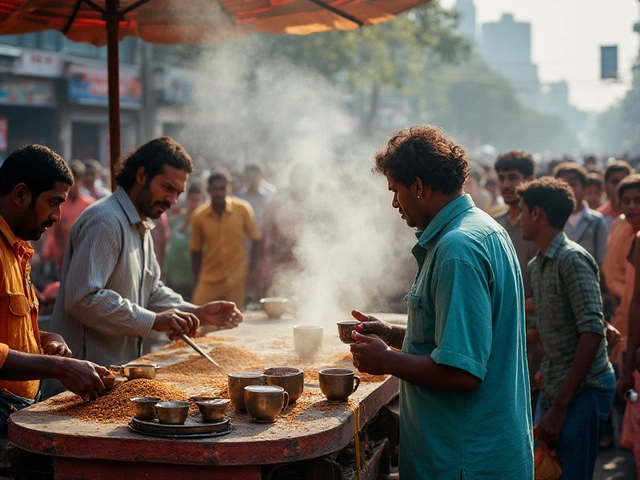
Indian Breakfasts and Street Food in October 2025: Healthy Recipes, Spice Secrets, and Regional Flavors
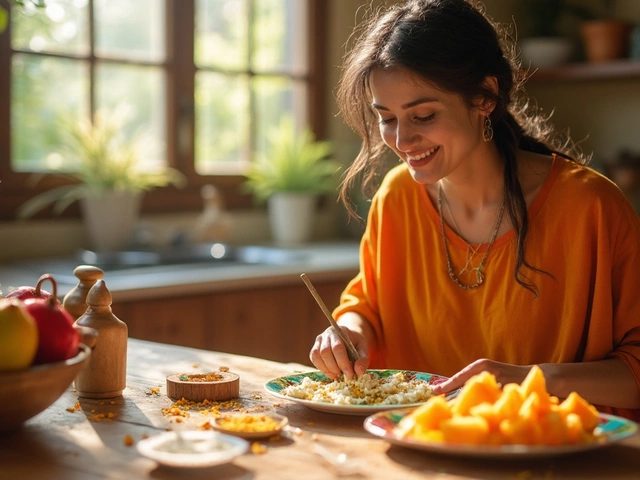
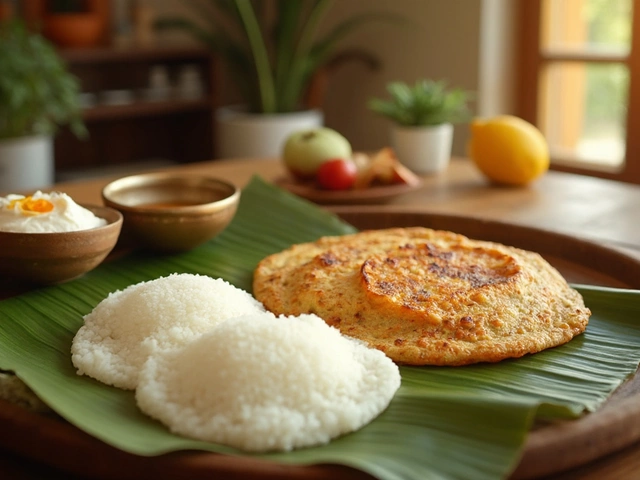
When it comes to Indian breakfast, a diverse range of region-specific, nutrient-dense morning meals that often include fermented grains, lentils, and fresh vegetables. Also known as morning Indian meals, it's not just about filling your stomach—it’s about starting your day with energy that lasts. Unlike sugary cereals or pastries, traditional Indian breakfasts like idli, poha, and upma are packed with fiber, probiotics, and slow-releasing carbs. They don’t spike your blood sugar. They keep you full. And they’ve been doing this for generations across villages and cities alike.
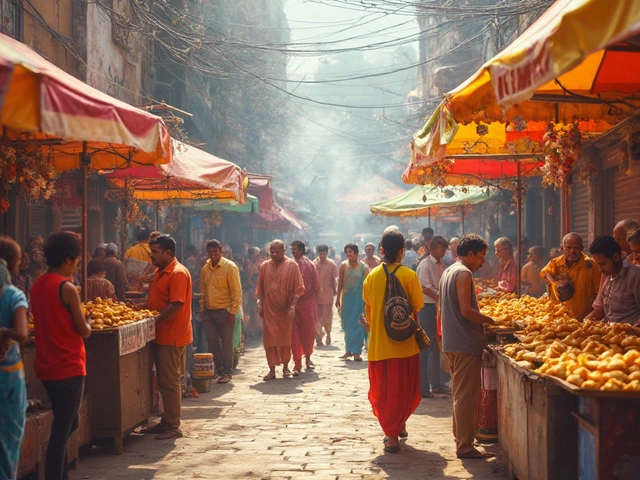
What makes these meals even more powerful is how they connect to Indian street food, vibrant, affordable, and deeply cultural snacks sold by vendors across India, often centered around crispy fried dough, spiced lentils, and tangy chutneys. Also known as chaat, it’s where breakfast meets lunch and dinner—all in one bite. Think vada pav in Mumbai, misal pav in Pune, or a warm plate of samosas in Delhi. These aren’t just snacks—they’re daily rituals. And if you’ve ever wondered why some Indian food makes your stomach happy while others leave you feeling awful, it’s often about preparation, freshness, and spice balance. That’s where Indian spices, a complex blend of aromatics like asafoetida (hing), turmeric, cumin, and coriander, used to enhance flavor and aid digestion. Also known as Indian masalas, they’re the secret behind dishes that taste bold but don’t wreck your gut. Hing, for example, smells strong but works like a probiotic booster when cooked right. And if you’ve ever ruined a curry by adding coconut milk too fast, you’re not alone. The trick? Low heat and a pinch of cornstarch.
Then there’s biryani, a layered rice dish with meat or vegetables, slow-cooked with aromatic spices, saffron, and fried onions, often served at celebrations and family gatherings. Also known as Indian rice dish, it’s not just about heat—it’s about balance. Why does it feel so spicy? It’s not just chili. It’s the roast of whole spices, the depth of garam masala, and the way the rice soaks it all in. And if you want to get it right, soaking basmati rice for exactly 30 minutes makes all the difference. No guesswork. No mushy grains.
This collection from October 2025 pulls together real, tested advice—not theory. You’ll find the healthiest dals, the safest street food tips for travelers, low-sugar sweets that still satisfy, and how to make paneer from scratch without a single store-bought packet. Whether you’re trying to eat cleaner, cook faster, or just understand why your mom’s dosa always tasted better, this is your guide. No fluff. No myths. Just what works.
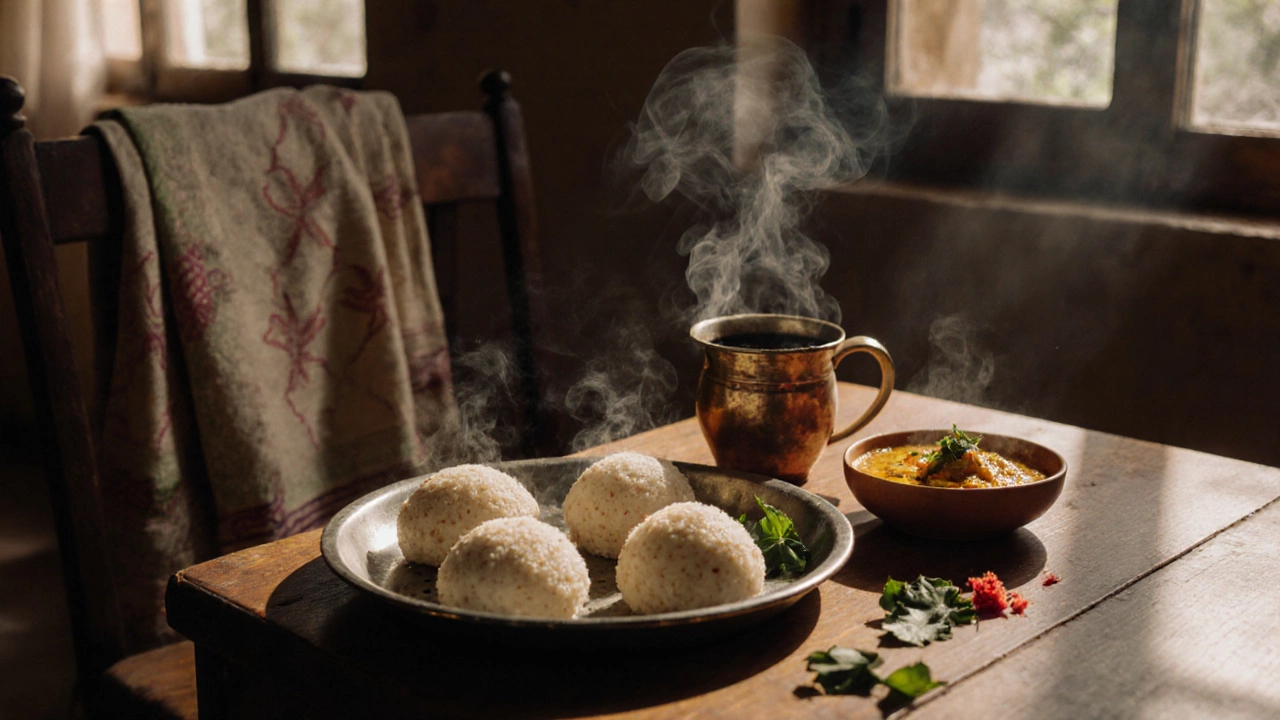
Which Country Has the Healthiest Breakfast? Real Foods, Real Results
Discover why traditional Indian breakfasts like idli, poha, and upma are among the healthiest in the world-packed with fermented grains, fiber, and no added sugar. Learn how to make them at home for steady energy all morning.
Read More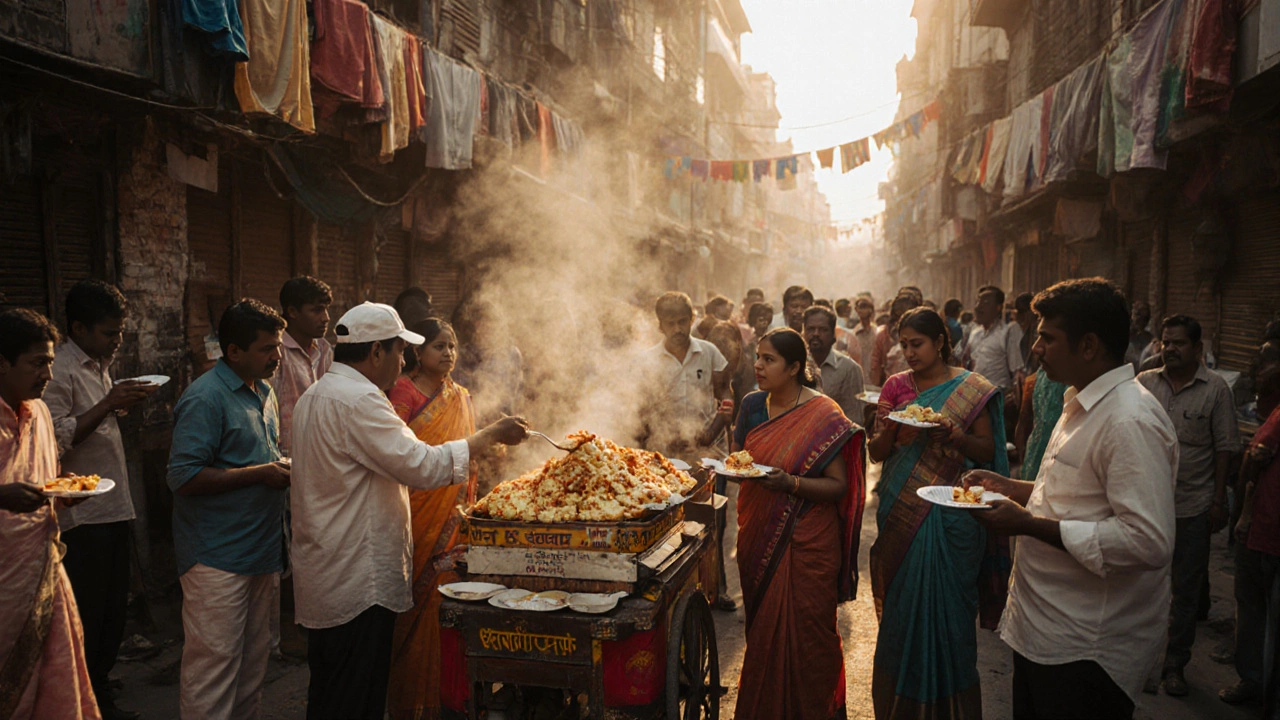
Which is the most foodie state in India? Top flavors, street eats, and breakfast gems
Maharashtra is India's most foodie state, with vibrant street breakfasts like vada pav and misal pav, bold regional flavors, and food that's deeply tied to daily life. Discover why it beats Tamil Nadu, Punjab, and Karnataka.
Read More
What is the smelly spice in Indian food? - Discovering Asafoetida (Hing)
Discover the mysterious, smelly Indian spice-asafoetida (hing). Learn its origins, flavor profile, how to use it in chicken curry, storage tips, and FAQs.
Read More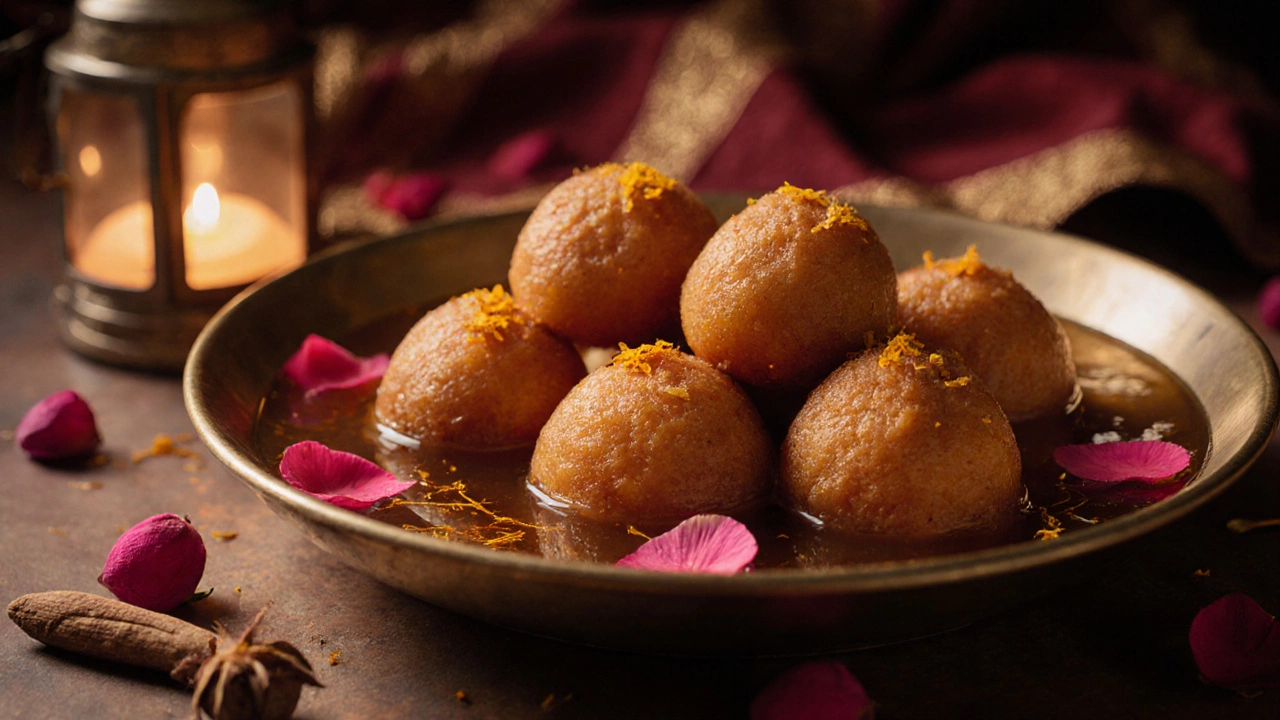
Discover India's Iconic Traditional Sweet: Gulab Jamun Explained
Explore the history, recipe, and regional twists of India's iconic traditional sweet, Gulab Jamun, and compare it with other classic Indian mithai.
Read More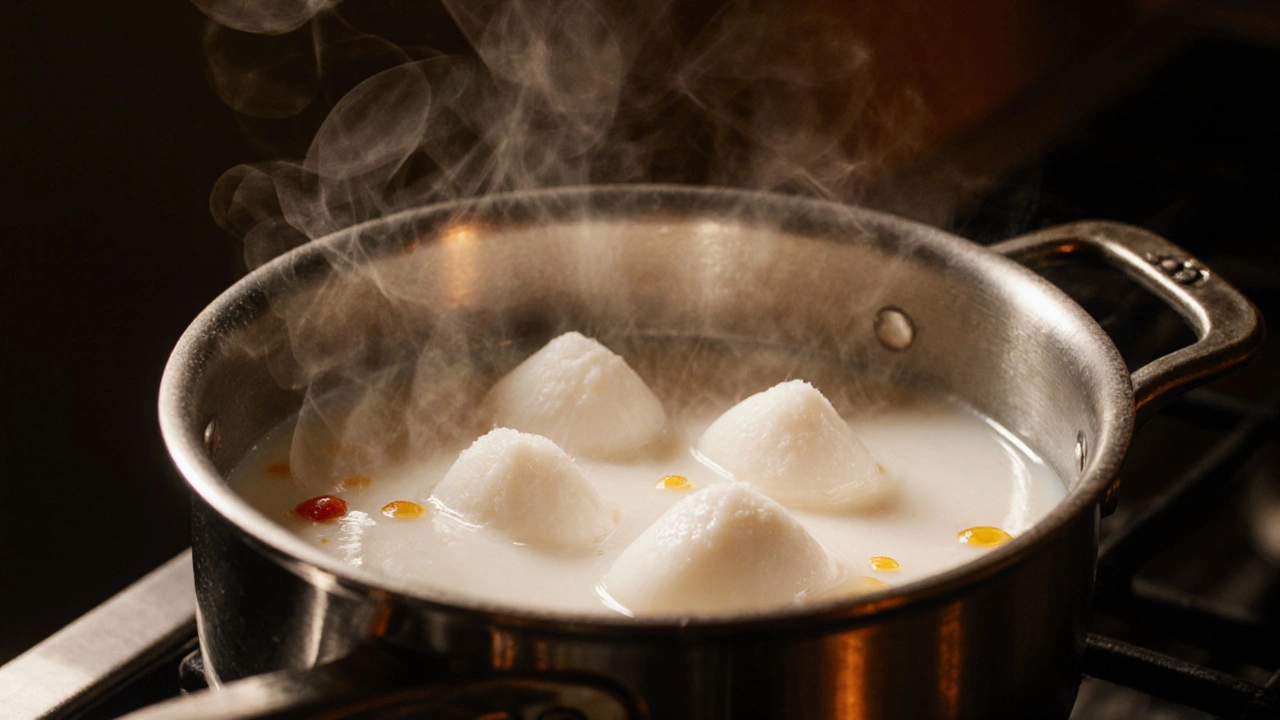
How to Add Coconut Milk to Curry Without Curdling - Foolproof Tips
Learn step‑by‑step how to add coconut milk to chicken curry without curdling, with heat, acid, and thickener tips for a silky sauce.
Read More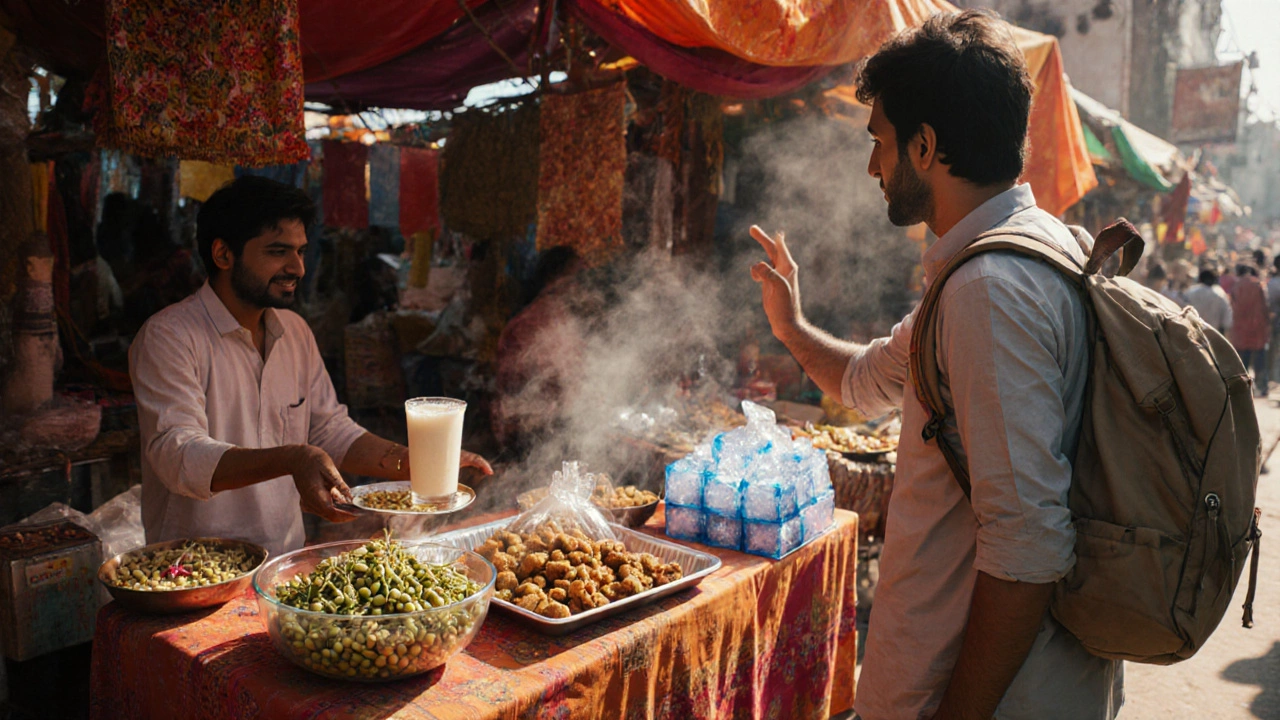
Foods to Avoid in India: Essential Safety Guide for Travelers
Learn which Indian foods pose health risks for travelers, how to spot safe street stalls, and practical tips to enjoy delicious meals without getting sick.
Read More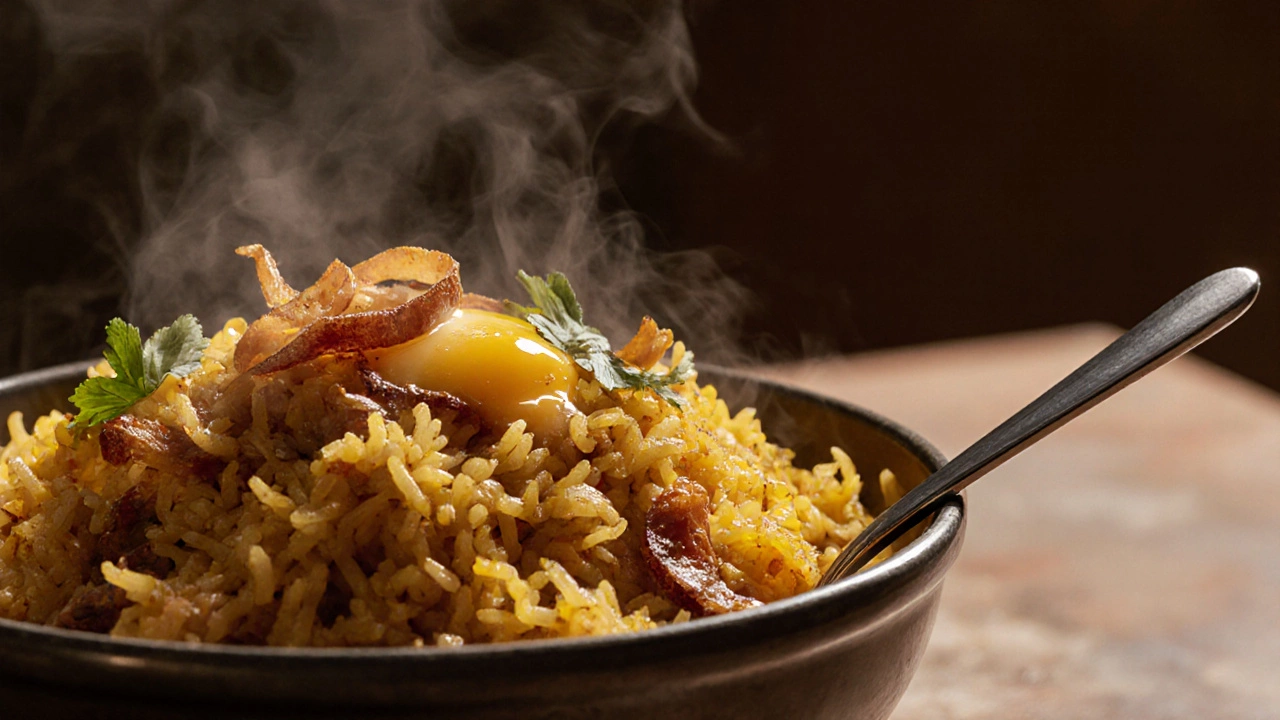
How to Eat Biryani Properly: Tips for the Best Flavor Experience
Learn the proper way to eat biryani with tips on utensils, layering, accompaniments, etiquette, and common mistakes for a flavor‑packed experience.
Read More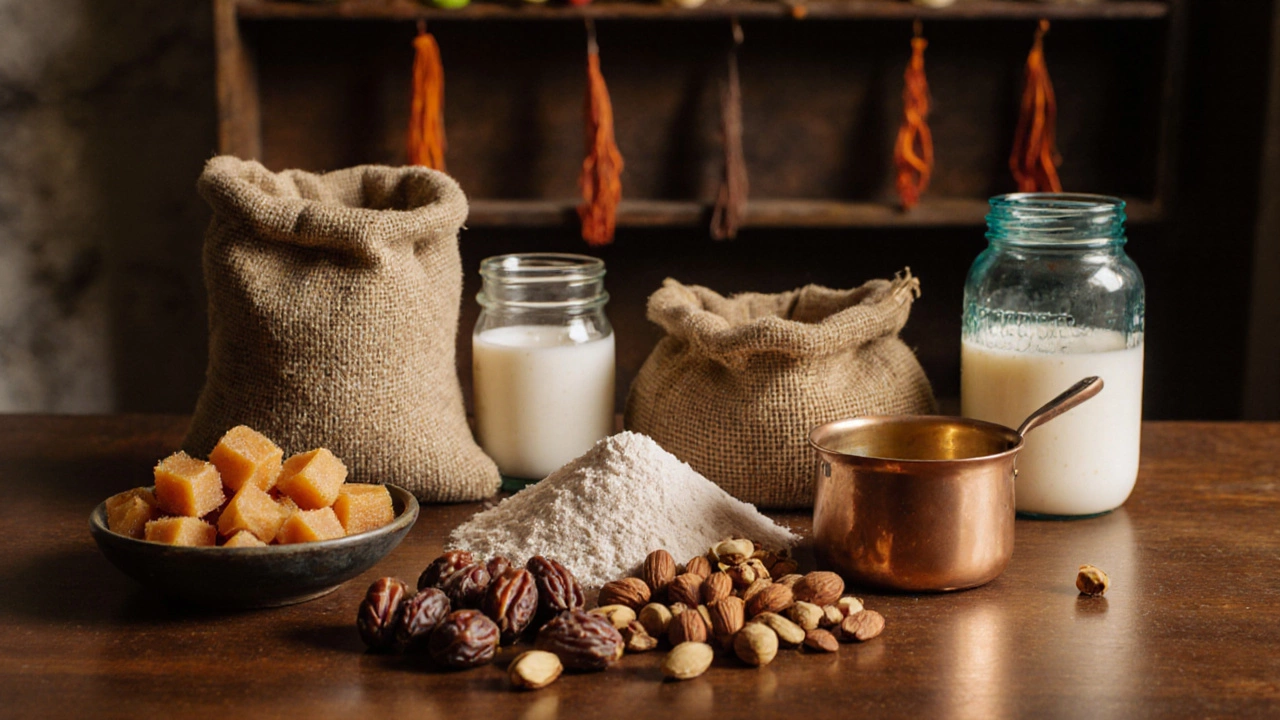
Healthiest Indian Sweets: Low‑Sugar Desserts You Can Enjoy
Discover the healthiest Indian sweets, from ragi laddus to date halwa, with nutrition facts, easy recipes, and smart swaps for low‑sugar, high‑protein desserts.
Read More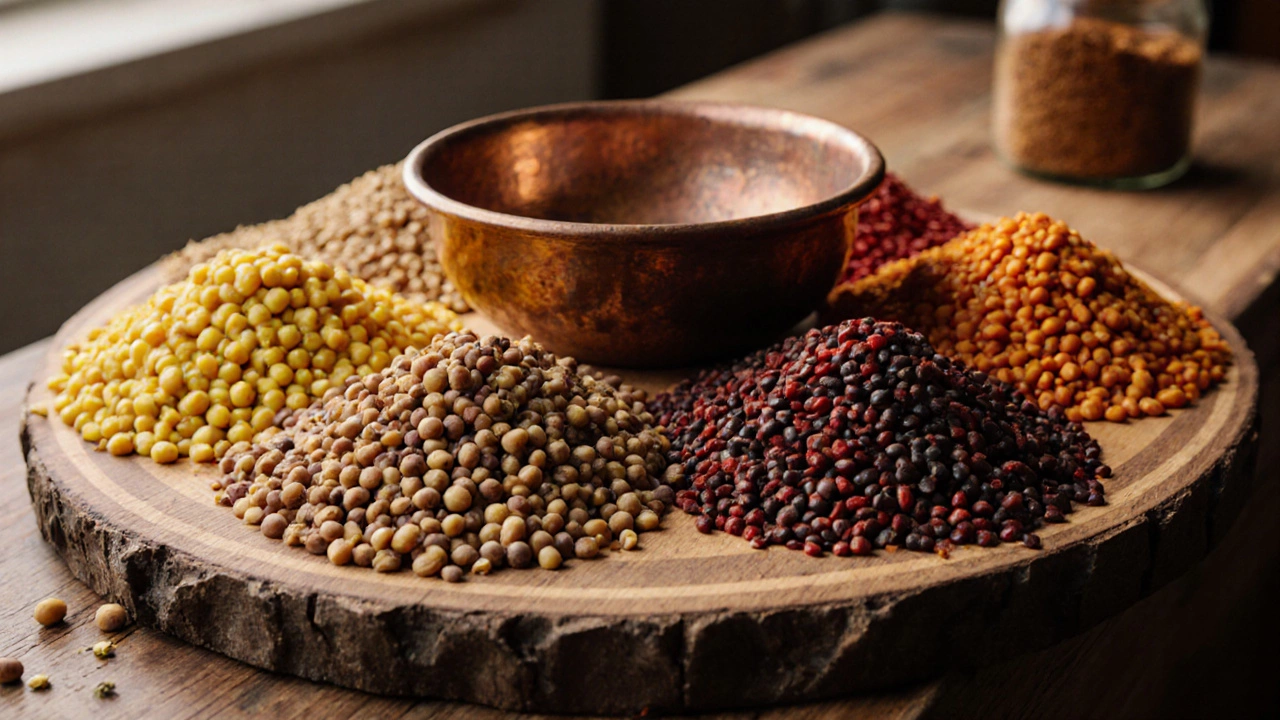
Which Dal Is Healthiest? Find the Most Nutritious Choices
Discover which dal offers the most protein, fiber, iron and lowest glycemic index. Compare five popular dals and get simple cooking tips for maximum nutrition.
Read More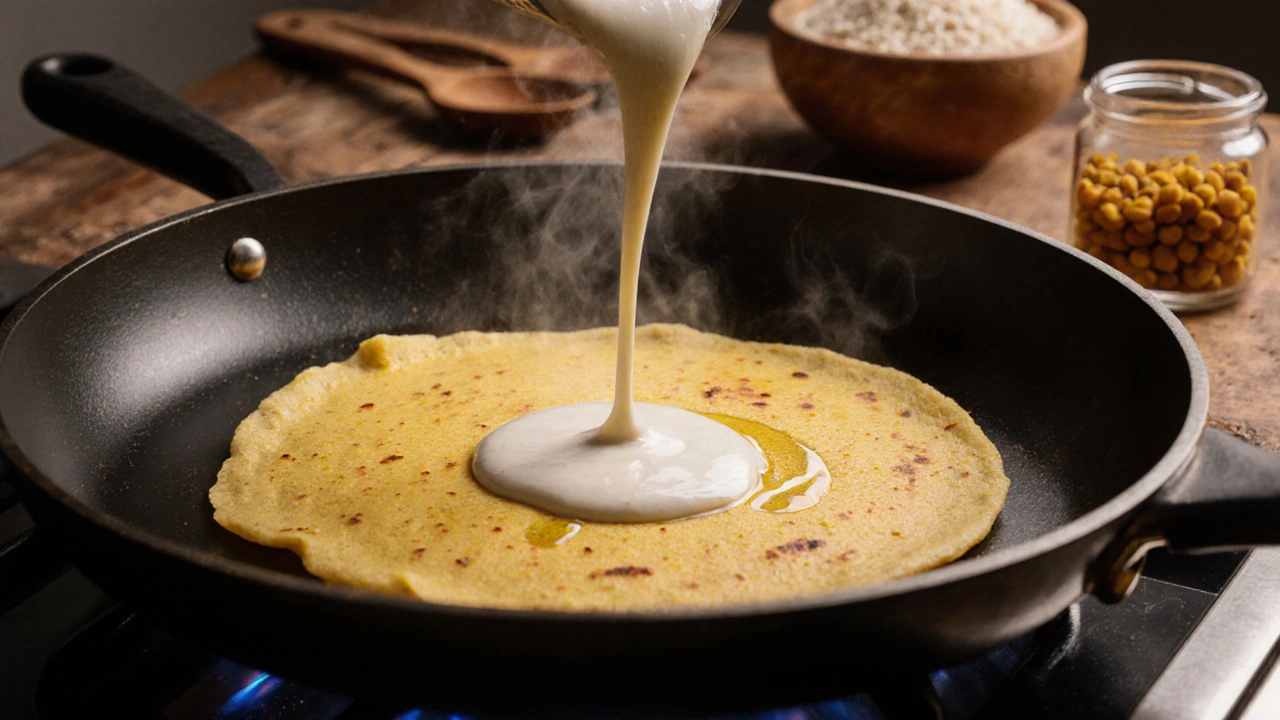
Is Dosa Healthy? Benefits, Nutrition Facts & Smart Eating Tips
Discover if dosa is a healthy snack by exploring its nutrition, probiotic benefits, glycemic impact, and smart cooking tips for a balanced diet.
Read More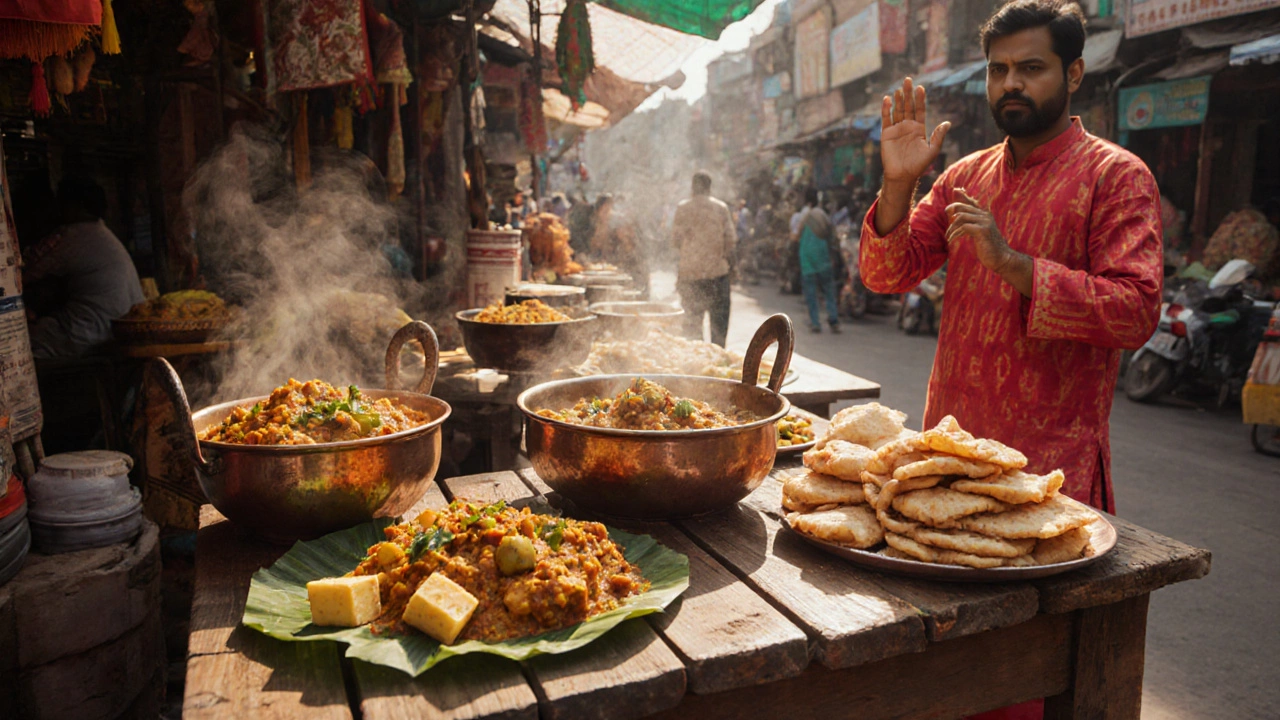
Best Vegetarian Indian Dish: Chole Bhature Revealed
Explore why Chole Bhature is crowned the best vegetarian Indian dish, with flavor scores, recipes, tips, and side pairings for an authentic experience.
Read More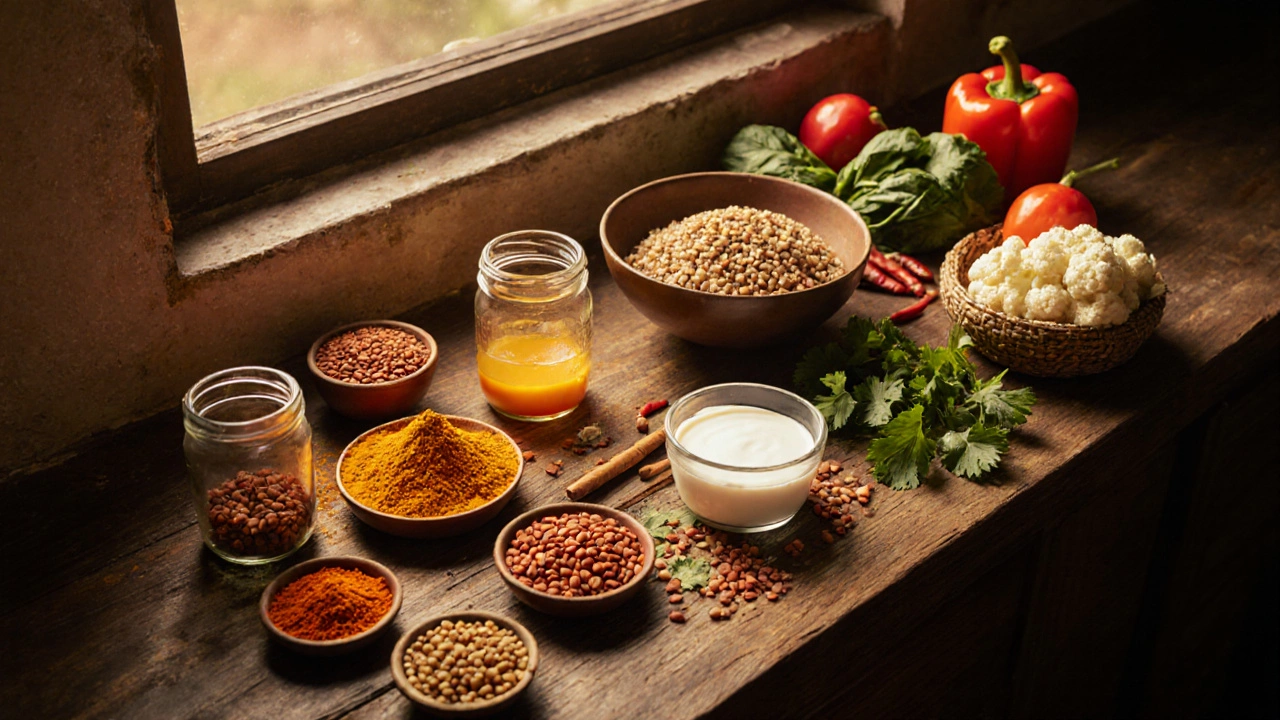
Is Indian Food Healthy? A Deep Dive into Nutrition and Easy Recipes
Explore the real health impact of Indian cuisine, learn nutrient‑rich ingredients, cooking hacks, and quick low‑calorie recipes to enjoy Indian flavors without the guilt.
Read More