Chutney Flavor Balance Calculator
Balance Your Chutney
Adjust the four key taste elements to create a perfectly balanced chutney like traditional Indian recipes
Ever bite into a spicy mango chutney and wonder why it’s called that? The word chutney doesn’t just sound exotic-it carries centuries of trade, conquest, and kitchen innovation. It’s not just a condiment. It’s a story written in vinegar, sugar, and chili.
Where the Word 'Chutney' Really Comes From
The word chutney didn’t appear in English cookbooks by accident. It came straight from India-specifically, from the Hindi word chatni (चटनी), which itself comes from the Sanskrit chatnī, meaning "to lick" or "to taste." That’s not just poetic. It’s literal. Ancient Indian cooks made these spreads so you could lick them off your fingers, not spoon them onto a plate.
Before the British arrived in the 1600s, chutneys were already everywhere in India. They weren’t fancy. They were practical: a way to preserve fruit, herbs, and spices through the long dry seasons. A handful of tamarind, some jaggery, crushed green chilies, and a splash of oil-mixed and left to sit-could last for months. No refrigeration needed. No preservatives. Just smart, simple food science.
How British Colonists Turned Chutney Into a Global Product
The British didn’t invent chutney. But they sure commercialized it. When East India Company traders tasted these spicy pastes, they took them home. And like any good colonists, they tried to make them fit their own tastes.
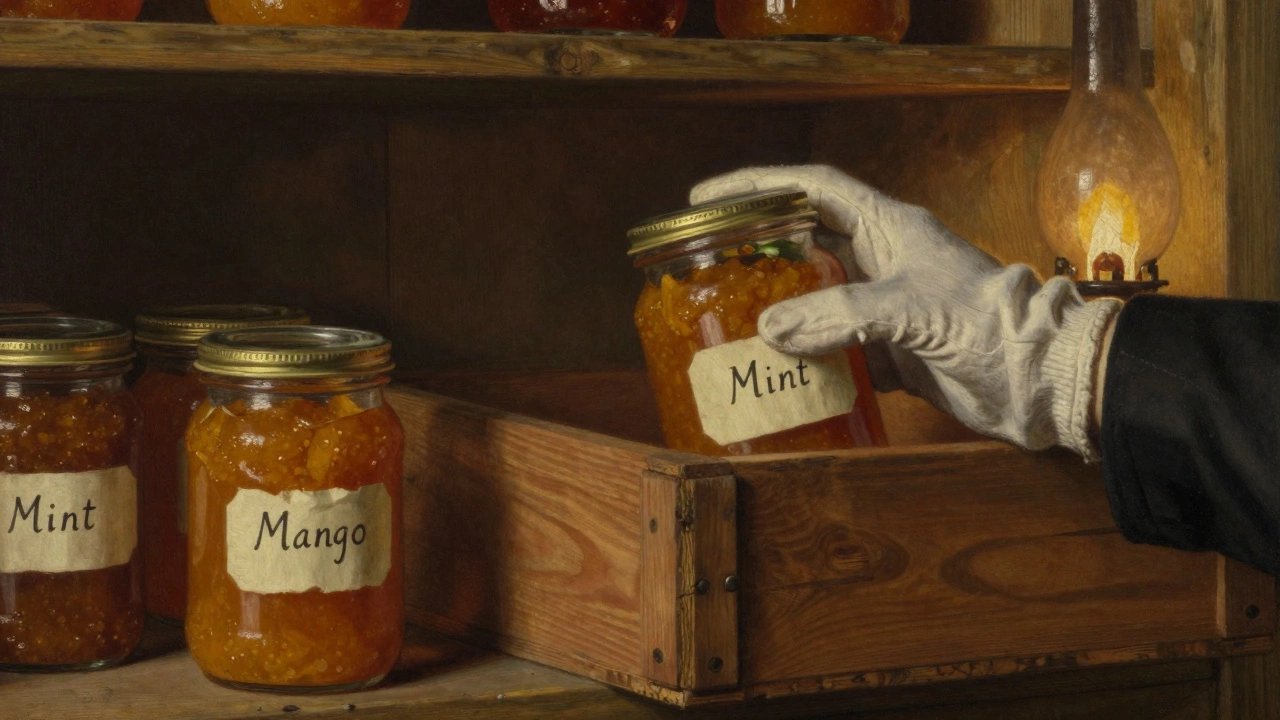
Indian chutneys were often fresh, sharp, and fermented. The British version? Sweeter, slower, and shelf-stable. They started adding tons of sugar and vinegar. They cooked them for hours until they turned into thick, jam-like spreads. Suddenly, chutney wasn’t just a side-it became a pantry staple. By the 1800s, British households had their own chutney jars: mint, mango, tomato, even apple.
Companies like Sharwood’s and Colman’s began mass-producing chutney in England. It was sold in glass jars with paper labels, shipped across the empire. By the time Queen Victoria was on the throne, chutney was as common as marmalade in London kitchens.
Why Chutney Isn’t Just One Thing
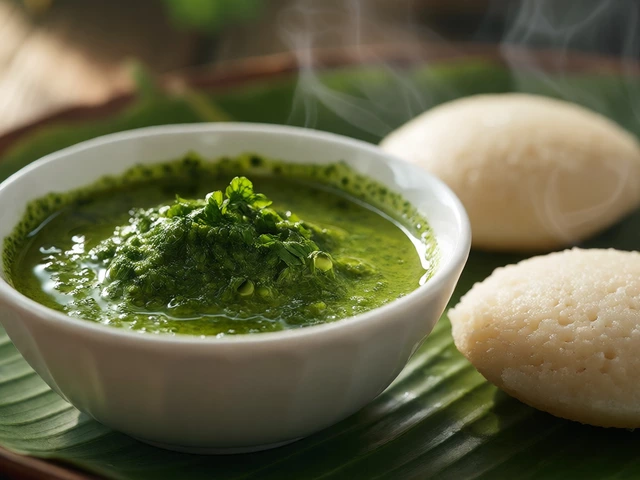
Today, if you ask someone in Mumbai what chutney is, they’ll show you five different kinds before breakfast. There’s coconut chutney with roasted lentils, mint chutney with cilantro and green chili, tamarind chutney sweetened with jaggery, garlic chutney with dried red chilies, and peanut chutney with roasted sesame.
Each one is made differently. Each one has a regional name. In Tamil Nadu, coconut chutney is called thengai chutney. In Karnataka, it’s huvina gojju. In Bengal, a spicy mustard chutney is called shorshe ilish when paired with hilsa fish.
And yet, they all share one thing: they’re meant to be eaten fresh or within a few days. Not stored for years. That’s the real Indian way. The British version was about preservation. The traditional version is about flavor, balance, and timing.
The Science Behind the Taste
Chutney works because it balances four key tastes: sweet, sour, salty, and spicy. That’s not an accident. It’s how Indian cooking thinks about flavor.
A classic tamarind chutney might have:
- 200g tamarind pulp (sour)
- 150g jaggery (sweet)
- 1 tsp salt (salty)
- 1 chopped green chili (spicy)
- 1 tsp cumin seeds (earthy)
When you cook these together, the acid in the tamarind softens, the jaggery caramelizes slightly, and the chili releases its heat slowly. The result? A sauce that wakes up your tongue without burning it. That’s the magic.
Even the texture matters. Some chutneys are coarse, like the ones made with roasted peanuts. Others are smooth, like the ones blended with yogurt. The texture tells you how it’s meant to be used-on a samosa, in a sandwich, or as a dip for pakoras.
Chutney Around the World Today
Modern kitchens use chutney in ways the British never imagined. In the U.S., you’ll find mango chutney on burgers. In Australia, it’s mixed into lamb sausages. In Japan, chefs make wasabi chutney with soy and mirin. In France, they serve it with goat cheese and baguettes.
But here’s the truth: none of these versions capture the soul of the original. Real Indian chutney isn’t just a flavor boost. It’s a ritual. It’s made fresh every morning. It’s served with meals not as an afterthought, but as an essential part of the plate.
Think about it: when you eat biryani, you don’t just have rice and meat. You have raita, you have salad, and you have chutney. Each one plays a role. The chutney cuts through the richness. It adds brightness. It wakes you up.

What You’re Missing If You Only Buy Jarred Chutney
Most supermarkets sell chutney in jars that last a year. But real chutney doesn’t need to last that long. It’s meant to be made in small batches. Fresh mint chutney? Best used within 24 hours. Coconut chutney? Use it the same day. The flavor fades fast-but so does the need for preservatives.
Try this: blend fresh coriander leaves, green chilies, garlic, a pinch of salt, and a splash of lemon juice. That’s it. No sugar. No vinegar. Just raw, bright, sharp flavor. That’s what your ancestors ate. That’s what the word chutney was meant to describe.
Buying jarred chutney isn’t wrong. But it’s like drinking canned orange juice when you’ve never tasted a fresh one. You’re missing the texture, the smell, the burst of flavor that happens right after you blend it.
Chutney Isn’t Just a Sauce-It’s a Tradition
So why is it called chutney? Because it’s not just a recipe. It’s a way of thinking about food.
It’s about using what’s local. It’s about balancing heat with sweetness. It’s about making something that doesn’t last long-but makes every bite better.
The word chutney survived because it described something real. Not a product. Not a brand. A living, changing, daily practice. That’s why, no matter where you are in the world, if you taste real chutney, you’ll understand why it was never meant to be bottled forever.