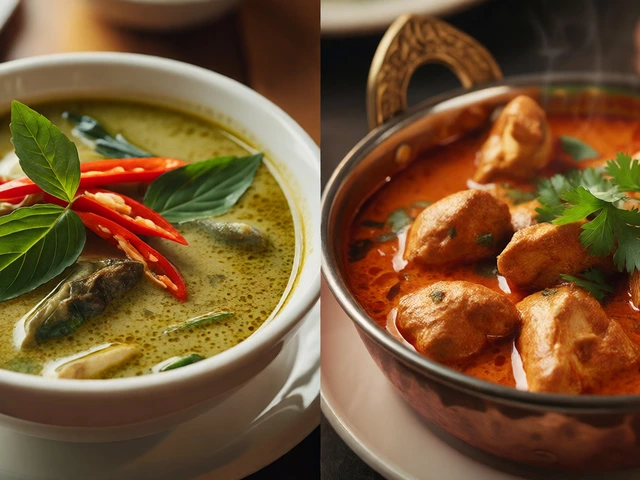
Curry Master: Step-by-Step Timer & Guide
Heat Your Fat
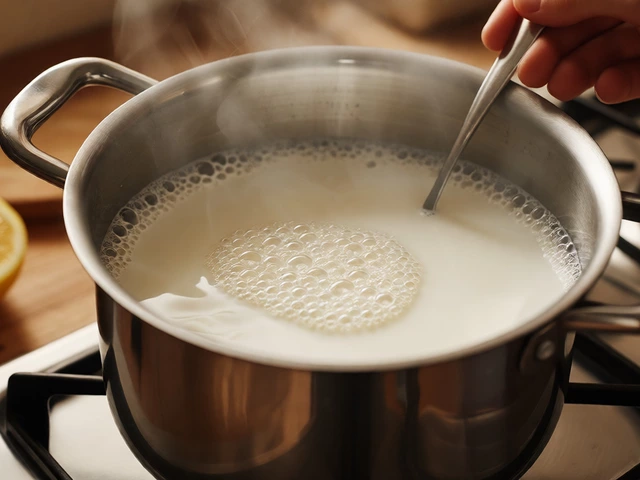
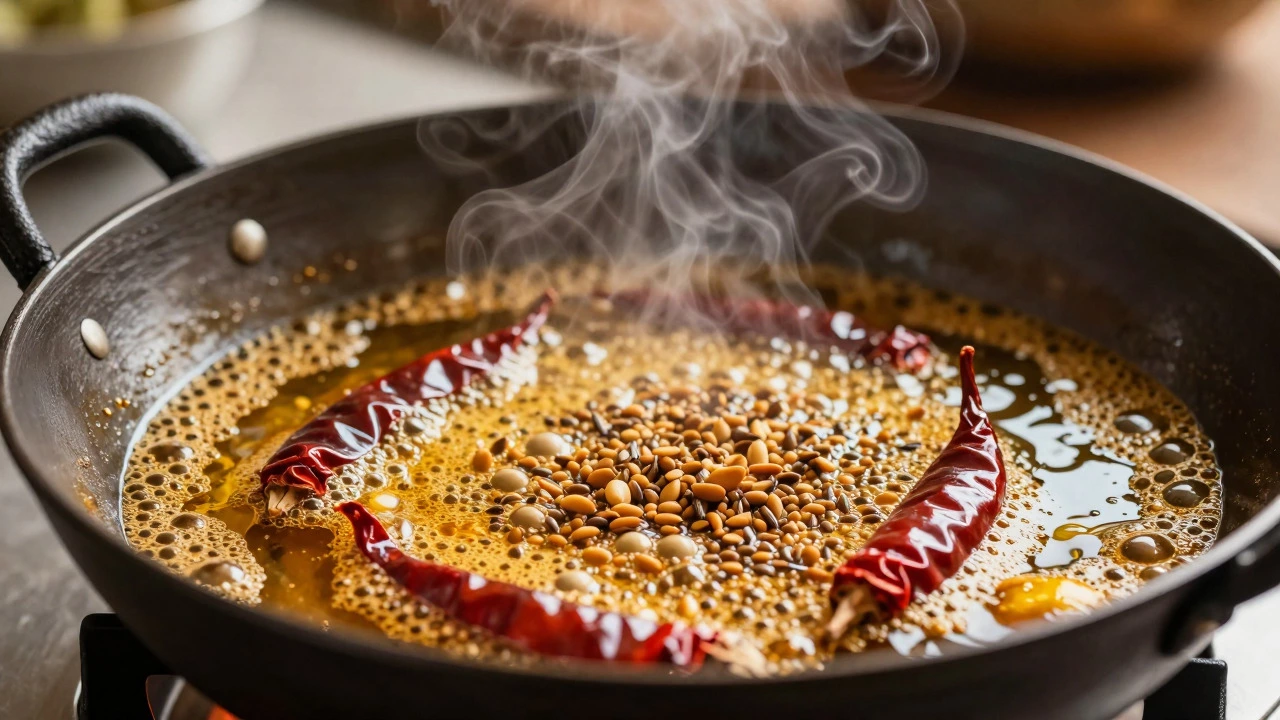
Add oil or ghee to your pan and heat it until it shimmers. Ghee is traditional and adds a nutty aroma that complements spices perfectly.
Recipe Progress
Quick Reference
- ✓ Bloom spices in hot fat
- ✓ Sear chicken until golden
- ✓ Add ginger-garlic paste
- ✓ Finish with garam masala
Ever tasted a curry that just hit different? You know the one. It’s not just spicy; it has depth, warmth, and a complexity that makes you close your eyes and take another bite. Meanwhile, your homemade version tastes flat, even if you followed the recipe exactly. What gives?
The truth is, most home cooks are missing one crucial element. It’s not about using more chili powder or dumping in extra garam masala. The "secret" isn’t actually a single magic spice hidden in a jar. It’s a technique-and sometimes a specific ingredient-that unlocks the full potential of your spices.
If you want to stop making bland curries and start creating dishes that rival your favorite restaurant, you need to understand how flavors build. Let’s break down what really makes curry taste like curry, and how you can fix your chicken curry recipe right now.
The Real Secret: Blooming Spices
Here is the biggest mistake people make when cooking curry is a flavorful dish originating from the Indian subcontinent, characterized by a blend of spices, herbs, and aromatics cooked in oil or ghee. They add dry spices directly to water-based liquids like yogurt, coconut milk, or tomato puree. This kills the flavor.
Spices are fat-soluble. That means their essential oils-the stuff that carries the aroma and taste-only release into fat, not water. If you toss cumin seeds or turmeric powder straight into a watery sauce, they sit there, dormant and dull.
The secret technique is called "blooming." Here is how it works:
- Heat the fat: Use oil, ghee, or butter. Ghee is traditional because it has a high smoke point and a nutty aroma that complements spices perfectly.
- Add whole spices first: Throw in cumin seeds, mustard seeds, or dried red chilies. Listen for the sizzle. Watch them dance. This releases their initial volatile oils.
- Add ground spices next: Now add your turmeric, coriander powder, and chili powder. Stir constantly for 30-60 seconds. The mixture will darken slightly and become incredibly fragrant.
This step transforms raw, dusty spices into a rich, aromatic base. Without blooming, your curry will lack that deep, savory backbone. With it, every spoonful bursts with flavor.
The Game-Changer Ingredient: Ginger-Garlic Paste
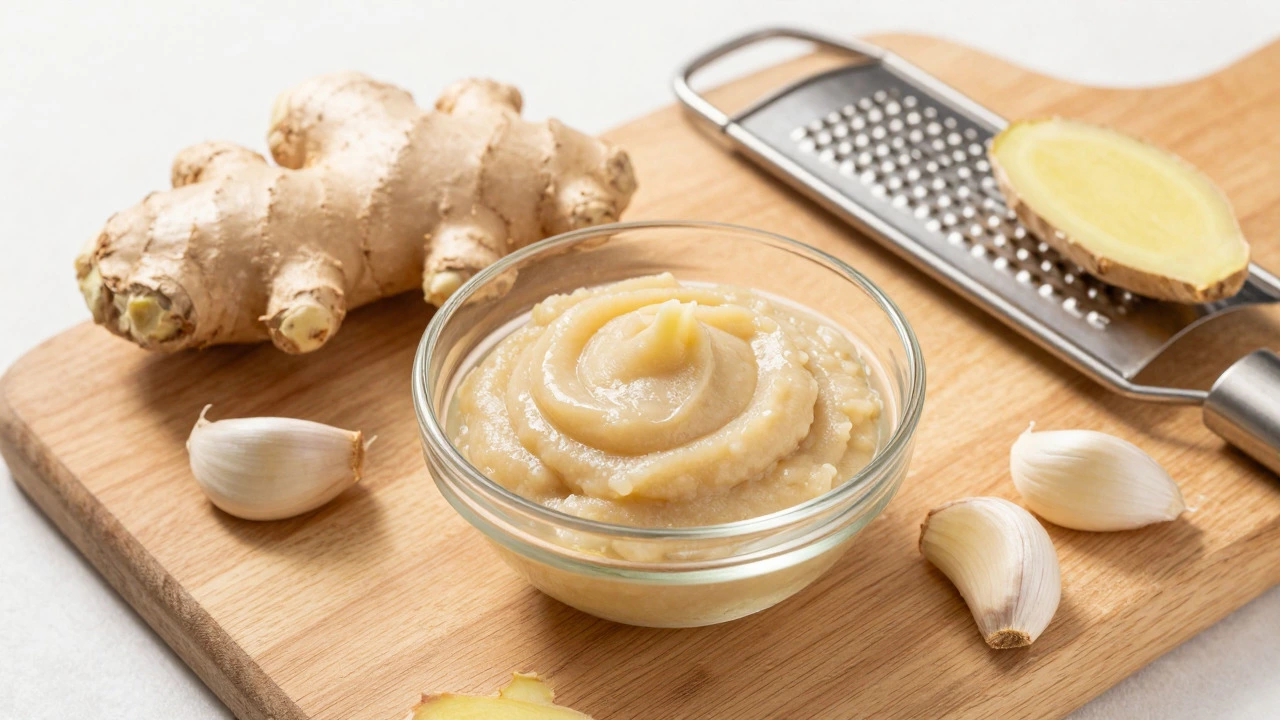
While blooming is the technique, there is one ingredient that acts as the glue holding all those spices together. It’s ginger-garlic paste is a fundamental base in Indian cooking made by grinding fresh ginger and garlic cloves into a smooth consistency.
You might think you’re adding enough garlic and ginger. But here is the thing: minced garlic burns quickly and loses its punch. Freshly grated ginger doesn’t always distribute evenly. A smooth paste ensures that every bite gets that pungent, zesty kick.
For a standard chicken curry serving four people, you typically need:
- 1 tablespoon of fresh ginger, peeled and chopped
- 4-5 cloves of garlic
Blend these with a splash of water until smooth. Add this paste to your hot oil after the whole spices have spluttered but before you add the powdered spices. Sauté it for 2-3 minutes until the raw smell disappears. This creates a savory foundation that balances the heat and earthiness of the other spices.
Why Your Curry Tastes Flat (And How to Fix It)
Even with bloomed spices and ginger-garlic paste, your curry might still feel incomplete. Why? Because curry needs contrast. It needs acid, sweetness, and umami to round out the heat.
Acid is non-negotiable. Lemon juice, vinegar, or tamarind pulp added at the very end of cooking brightens up the heavy spices. It cuts through the richness of the oil and meat. Try squeezing half a lemon into your finished curry and taste the difference. It wakes up the palate.
Sweetness balances heat. A teaspoon of sugar or a ripe tomato can tame aggressive chili heat. Tomatoes also provide natural acidity and body. Many classic recipes rely on pureed onions and tomatoes to create a thick, glossy gravy without needing cream.
Umami adds depth. This is where things get interesting. Ingredients like soy sauce (yes, in Indian food), fish sauce, or even a pinch of MSG can elevate the savoriness. However, the most accessible umami booster is caramelized onions. Slow-cooking onions until they are deep brown brings out natural sugars and complex compounds that mimic meatiness.
Building Your Spice Blend
Let’s talk about the actual spices. You don’t need twenty different jars. A solid chicken curry relies on a core group:
| Spice | Role | Quantity (for 4 servings) |
|---|---|---|
| Turmeric Powder | Color and anti-inflammatory properties | 1/2 teaspoon |
| Red Chili Powder | Heat and color | 1-2 teaspoons (adjust to taste) |
| Coriander Powder | Citrusy, earthy base note | 1 tablespoon |
| Garam Masala | Aromatic finisher (cinnamon, cardamom, cloves) | 1 teaspoon (added at the end) |
| Cumin Seeds | Nutty, warm aroma | 1 teaspoon |
Note how Garam Masala is a blend of warming spices including cinnamon, cardamom, cloves, and black pepper, used as a finishing spice in Indian cuisine. is listed last. This is critical. Garam masala contains delicate aromatics like cardamom and cloves that lose their potency if cooked too long. Adding it at the beginning turns it bitter. Adding it at the end preserves its floral, sweet notes.
The Maillard Reaction: Browning Your Chicken
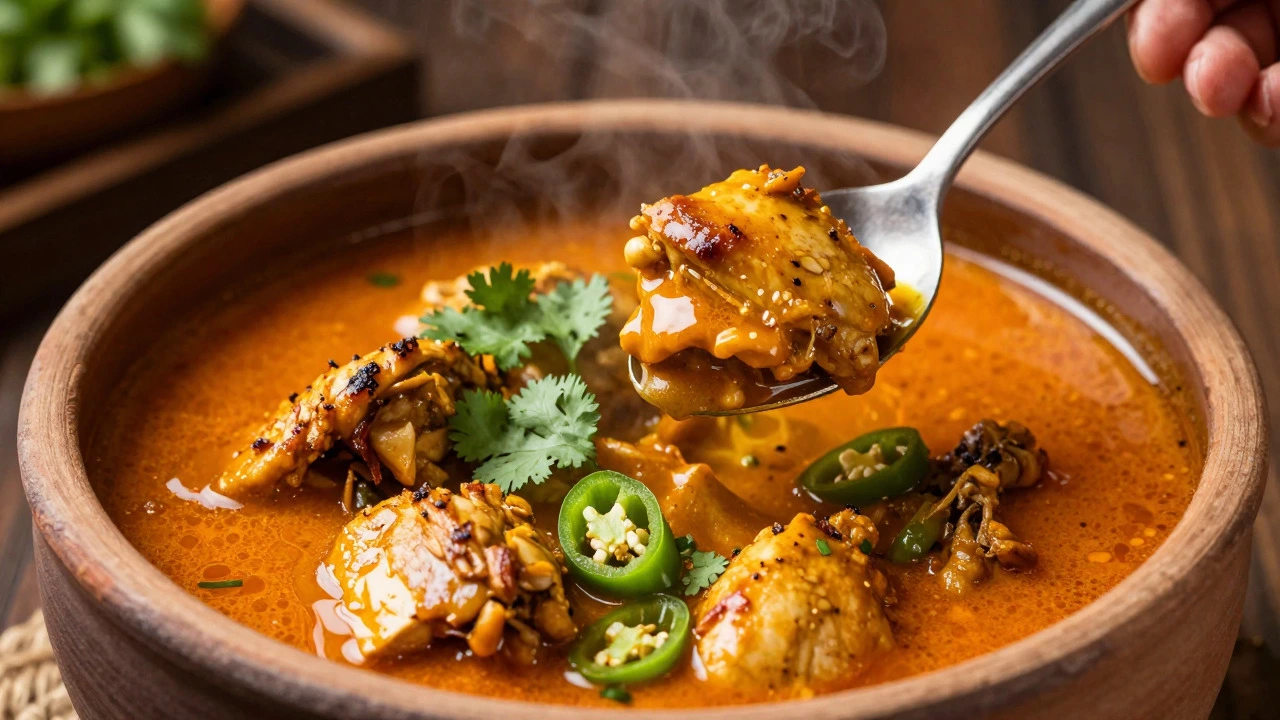
Before you even touch the spices, look at your chicken. Are you boiling it in the pot? Stop. To get restaurant-quality texture and flavor, you need to sear the chicken first.
Pat your chicken pieces dry. Heat oil in a pan until it shimmers. Add the chicken in a single layer. Do not crowd the pan. Let it sit undisturbed for 3-4 minutes until a golden-brown crust forms. This is the Maillard reaction in action-a chemical process between amino acids and reducing sugars that gives browned food its distinctive flavor.
Once browned, remove the chicken. Now build your curry base with the bloomed spices, ginger-garlic paste, onions, and tomatoes. Once the oil starts separating from the masala (a sign that the spices are fully cooked), return the chicken to the pot. Add water or stock, bring to a simmer, and cover.
Simmering gently allows the collagen in the chicken to break down into gelatin, making the meat tender and the sauce silky. Rushing this step with high heat results in tough, rubbery chicken.
Fresh Herbs: The Final Touch
Your curry is done. The chicken is tender. The sauce is rich. But it’s missing freshness. This is where cilantro (coriander leaves) comes in.
Chop a generous handful of fresh cilantro and stir it in right before serving. The grassy, citrusy notes cut through the heavy spices and oil. For an extra layer of complexity, try frying some slit green chilies and curry leaves in oil and drizzling that over the top. This tempering technique, known as tadka, adds a final burst of aroma.
So, what is the secret ingredient in curry? It’s not one thing. It’s the combination of bloomed spices, fresh ginger-garlic paste, proper browning, and a balance of acid and heat. Master these elements, and you’ll never buy takeout again.
What is the main secret ingredient in Indian curry?
There is no single secret ingredient, but the most impactful element is often ginger-garlic paste combined with the technique of blooming spices in hot oil or ghee. These steps unlock the essential oils in spices, creating a deep, aromatic base that defines authentic curry flavor.
Why does my homemade curry taste bland?
Bland curry usually results from adding spices to cold or watery ingredients instead of blooming them in fat. Spices are fat-soluble, so they need hot oil or ghee to release their flavor. Additionally, lacking acid (like lemon juice) or umami (from caramelized onions) can make the dish taste flat.
Can I use curry powder instead of individual spices?
You can, but it won't taste as authentic. Pre-mixed curry powders often contain fillers and lack the fresh potency of individually toasted and ground spices. For the best results, use whole spices like cumin and cardamom, plus fresh ground coriander and turmeric.
When should I add garam masala to my curry?
Add garam masala at the very end of cooking, just before serving. Its delicate spices like cardamom and cloves lose their aroma and turn bitter if cooked for too long. Adding it late preserves its floral and sweet notes.
How do I make my chicken curry thicker?
To thicken curry naturally, puree onions and tomatoes until smooth and cook them down until the oil separates. You can also blend a portion of the cooked chicken and vegetables, or add a tablespoon of cashew paste or coconut milk for richness and body.
Is ghee necessary for making curry?
Ghee is not strictly necessary, but it is highly recommended. Ghee has a higher smoke point than butter and a distinct nutty flavor that enhances spices. However, neutral oils like vegetable or sunflower oil work well for blooming spices if you prefer a lighter taste.