Paneer Curdling Troubleshooter
Enter your current cooking conditions below to identify the problem and receive immediate solutions.
Diagnosis
Recommended Fixes
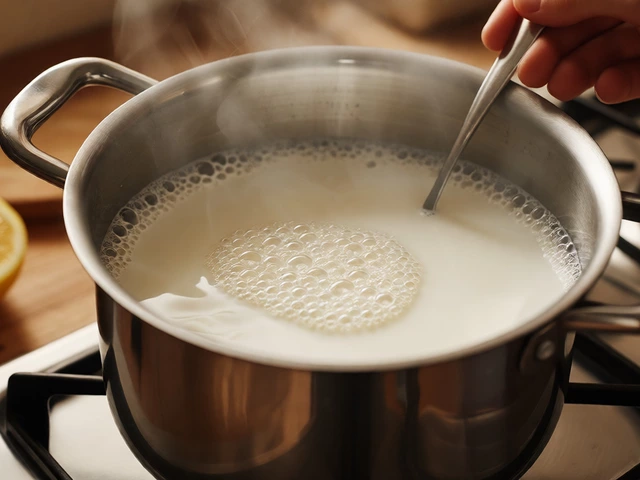
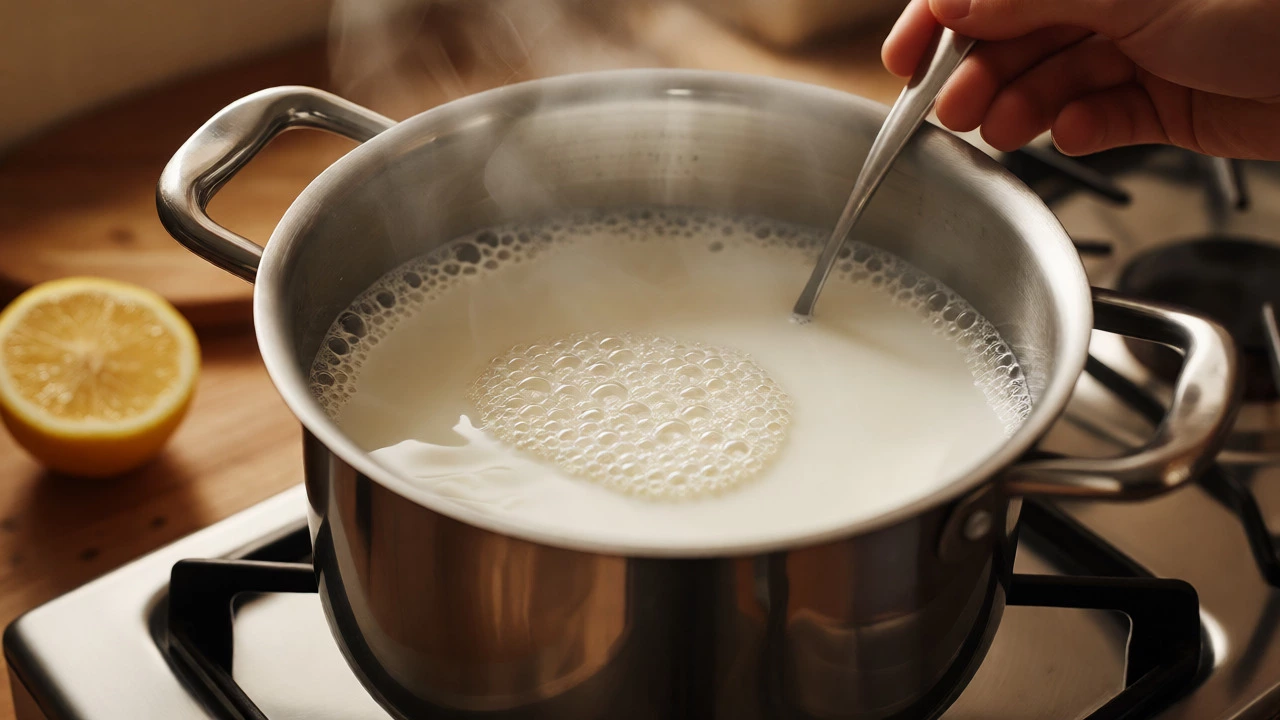
You’re standing over a pot of boiling milk, lemon juice in one hand and a spoon in the other, waiting for that satisfying clump of white solids to separate from the whey. But nothing happens. The milk stays stubbornly liquid, swirling away without forming paneer. It’s frustrating, especially when you have guests coming or a curry simmering on the back burner. Why won’t it curdle? Usually, it comes down to three things: the type of milk, the temperature, or the strength of your acid. Let’s figure out exactly what went wrong so you can get soft, fresh cheese next time.
The Science Behind the Split
To fix the problem, you need to understand what’s actually happening in the pot. Milk is mostly water and fat, but it also contains proteins called casein. Normally, these proteins float around happily because they repel each other due to their negative electrical charge. When you add an acid like lemon juice or vinegar, you neutralize that charge. The proteins lose their repulsion, stick together, and trap the fat and water. This process is called acid coagulation.
If this reaction doesn’t happen, it’s usually because the conditions weren’t right for the proteins to grab onto each other. Think of it like trying to make snowballs with dry powder instead of wet snow. You need the right moisture and pressure (or in this case, acidity and heat) to make them stick. If your milk isn’t curdling, you are likely missing one of these key ingredients for success.
Milk Type Matters More Than You Think
Not all milk is created equal when it comes to making cheese. If you used UHT (Ultra-High Temperature) milk, you might be fighting a losing battle. UHT milk is heated to extremely high temperatures (around 135°C or 275°F) for a short time to kill bacteria and extend shelf life. While this makes it safe to store at room temperature, it changes the structure of the whey proteins. These denatured proteins interfere with the formation of a solid curd network.
Fresh pasteurized milk is the gold standard for homemade paneer. It retains the natural protein structures needed for clean separation. Whole milk works best because the higher fat content creates a richer, softer texture. Skimmed or low-fat milk can still curdle, but the resulting paneer will be rubbery and dry. If you are using plant-based milks like almond or oat, you’ll need a much stronger acid or a different coagulant like calcium sulfate, as they lack the specific casein proteins found in cow’s milk.
| Milk Type | Curdling Ease | Paneer Texture | Best For |
|---|---|---|---|
| Fresh Whole Milk | High | Soft, Creamy | Traditional recipes |
| UHT Whole Milk | Low/Medium | Crumbly, Dry | Emergency use only |
| Skimmed Milk | Medium | Firm, Rubbery | Dietary restrictions |
| Buffalo Milk | Very High | Very Firm, Rich | Commercial style paneer |
Temperature Control Is Critical
Heat is the catalyst for curdling. If your milk isn’t hot enough, the proteins won’t unravel enough to bond. Conversely, if you boil it too vigorously for too long, you might scorch the bottom or evaporate too much water, changing the chemistry. The sweet spot is just below a rolling boil, around 90°C to 95°C (194°F to 203°F).
When you see steam rising and small bubbles forming at the edges, that’s your cue. Turn off the heat immediately before adding the acid. Adding acid to boiling milk can cause the curds to form too quickly and become tough. Letting the milk sit for a minute after turning off the heat allows the temperature to stabilize, giving you better control over the curd size.
Your Acid Might Be Too Weak
Lemon juice and vinegar are the go-to acids, but their potency varies. Bottled lemon juice often contains preservatives and has lower acidity than fresh lemons. Vinegar needs to be at least 5% acetic acid to work effectively. If you’re using diluted vinegar or old lemon juice, you might not be lowering the pH enough to trigger coagulation.
A good rule of thumb is to start with two tablespoons of acid per liter of milk. Add it slowly, stirring gently. If the milk doesn’t split within 30 seconds, add another tablespoon. Don’t dump it all in at once; you want to stop adding acid as soon as the whey turns clear and greenish-yellow. Over-acidifying can make the paneer sour and crumbly.
The Stirring Technique
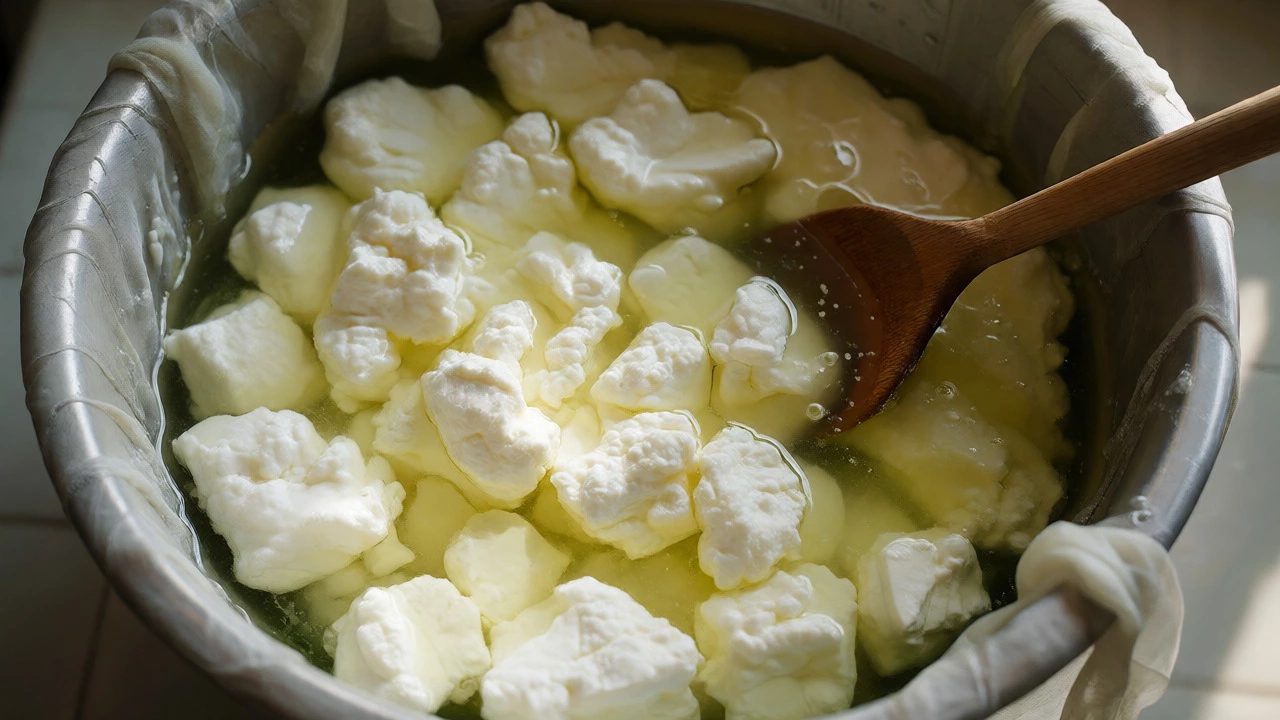
Stirring seems simple, but it plays a huge role. Once you add the acid, stir gently in one direction. Aggressive stirring breaks up the forming curds into tiny particles that pass through your strainer, leaving you with less cheese and more waste. You want large, cohesive clumps.
If the milk looks like it’s separating but the pieces are tiny, try letting it sit undisturbed for five minutes. Sometimes, the curds need time to knit together. Covering the pot with a lid can also help retain heat and encourage larger curd formation.
Troubleshooting Common Failures
Sometimes, despite doing everything right, the milk refuses to cooperate. Here are quick fixes for common scenarios:
- The milk is too cold: Reheat it gently until it steams again, then re-add a small amount of acid.
- The acid was added too fast: If you dumped it all in and got no curds, try heating the milk again. Sometimes the shock prevents proper bonding.
- Using powdered milk: Reconstituted powdered milk often lacks the fat structure for good paneer. Add a splash of cream to boost fat content before curdling.
- Hard water interference: In areas with very hard water, minerals can sometimes interfere with protein bonding. Using filtered water for any dilution steps can help.
What To Do With Failed Attempts
Don’t throw away that un-curdled milk! Even if you didn’t get perfect paneer blocks, you still have nutritious food. If it partially separated, drain it anyway. The resulting mixture can be used as a base for creamy soups, blended into smoothies, or used in baking pancakes. If it didn’t separate at all, simply drink it or use it in coffee. Nothing goes to waste in the kitchen.
Can I use yogurt instead of lemon juice?
Yes, yogurt works as a coagulant because it contains lactic acid. However, it adds moisture and a tangy flavor. Use about half a cup of thick, plain yogurt per liter of milk. Mix it well before adding to the hot milk. The resulting paneer may be slightly softer and have a distinct taste compared to lemon-set paneer.
Why did my paneer turn out hard?
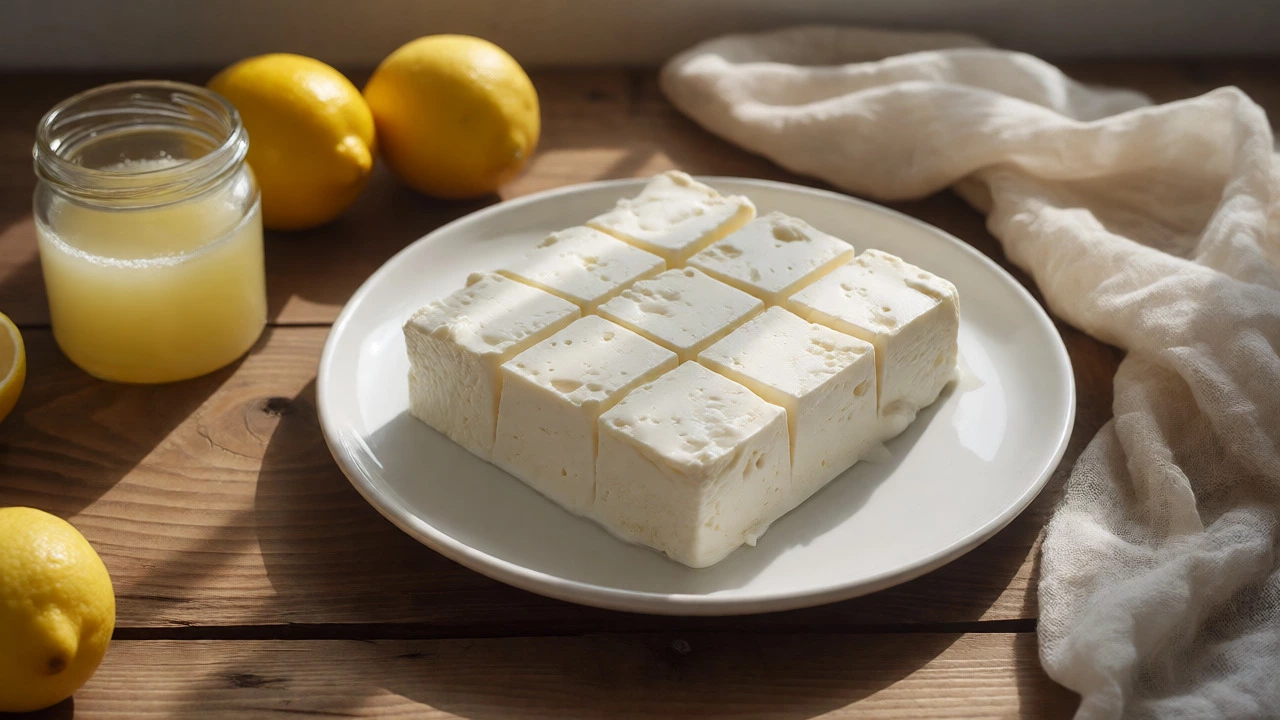
Hard paneer usually results from overheating the milk after adding the acid or pressing the curds for too long. Once the curds separate, remove them from heat immediately. When pressing, limit the weight and time. A few pounds of weight for 15-20 minutes is usually sufficient for soft paneer. Pressing overnight under heavy weights yields firm, slicing-style paneer.
Does the brand of milk affect curdling?
Yes, indirectly. Brands differ in fat content, processing methods (pasteurization vs. UHT), and whether they add stabilizers. Stabilizers like carrageenan can prevent proper curding. Check the label for "stabilizers" or "emulsifiers." Pure whole milk with no additives gives the most consistent results.
How do I know if the milk has gone bad?
Sour-smelling milk will naturally curdle when heated, but the taste will be unpleasant. If the milk smells sour before you even heat it, don’t use it for paneer unless you want a very tangy result. Fresh milk should smell mild and sweet. If it smells rancid or tastes bitter, discard it.
Can I save milk that didn't curdle?
You can try reheating it and adding more acid, but success isn’t guaranteed. Often, the proteins have already been altered by prolonged heating. It’s safer to use the liquid as a base for sauces, gravies, or desserts like kheer. Trying to force it to curdle multiple times often results in a grainy, unusable texture.