Chutney Authenticity Checker
Confused by the jar on your shelf? Answer these questions to discover whether you have a fresh, traditional Indian-style chutney or a sweet, preserved American-style chutney.
1. Check Your Ingredients
2. Observe Characteristics
Analysis Result
What This Means For You
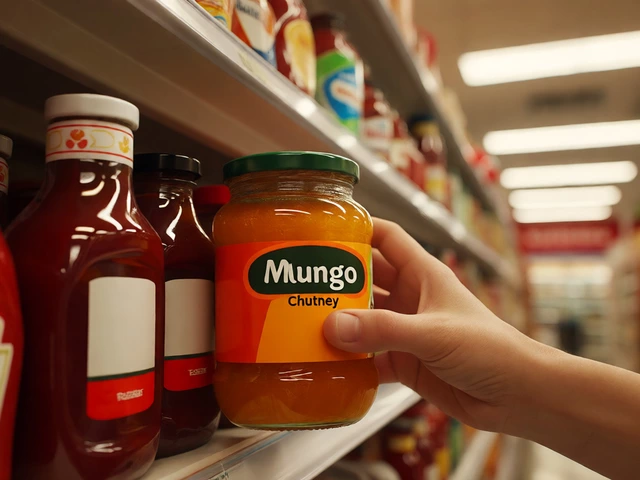
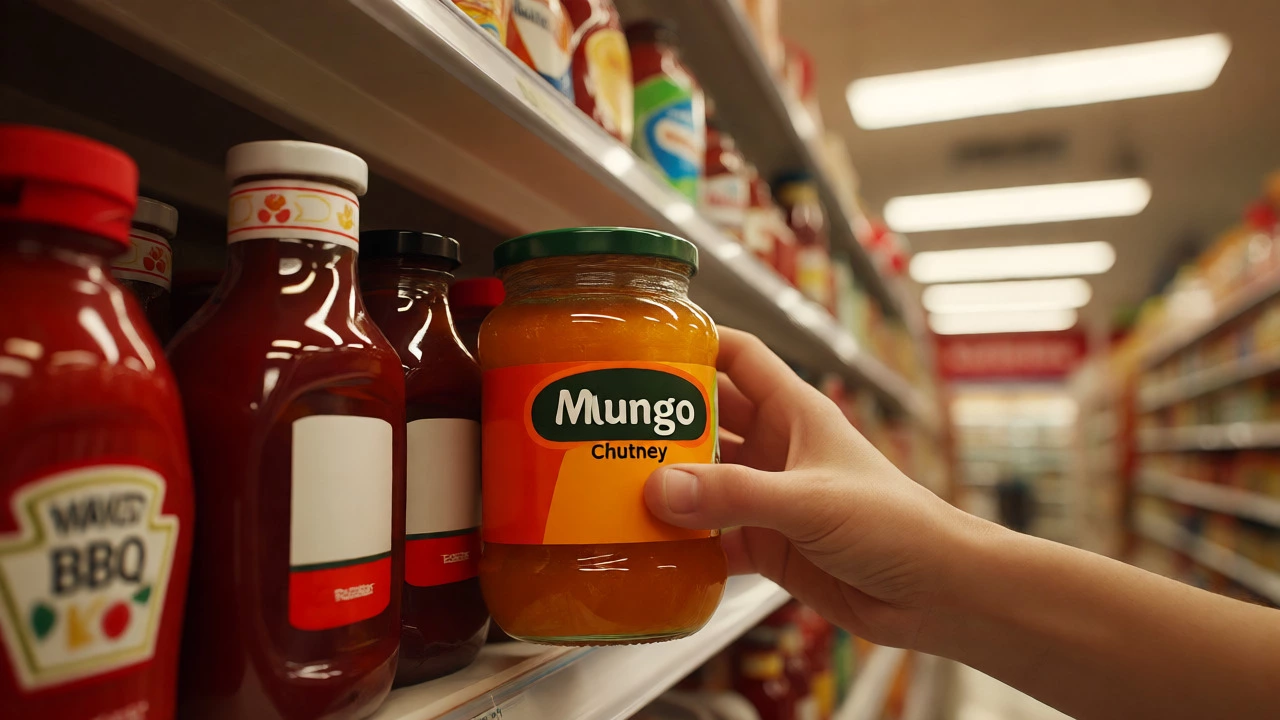
You walk into a mainstream grocery store in Ohio or California, looking for that tangy, spicy accompaniment you remember from your last curry night. You find it on the shelf next to ketchup and BBQ sauce, but when you flip the jar over, the ingredient list looks nothing like what your grandmother used to make. Is this still chutney? Why does it taste so sweet? And why are there preservatives listed before the fruit?
The truth is, chutney is a savory or sweet condiment originating from the Indian subcontinent, traditionally made by grinding fresh fruits, vegetables, herbs, and spices into a paste or relish. In America, however, the definition has shifted. What sits on your table at an American dinner party is often a preserved, cooked-down version of the original concept, heavily influenced by British colonial adaptations and modern food processing standards.
The Great Divide: Fresh vs. Preserved
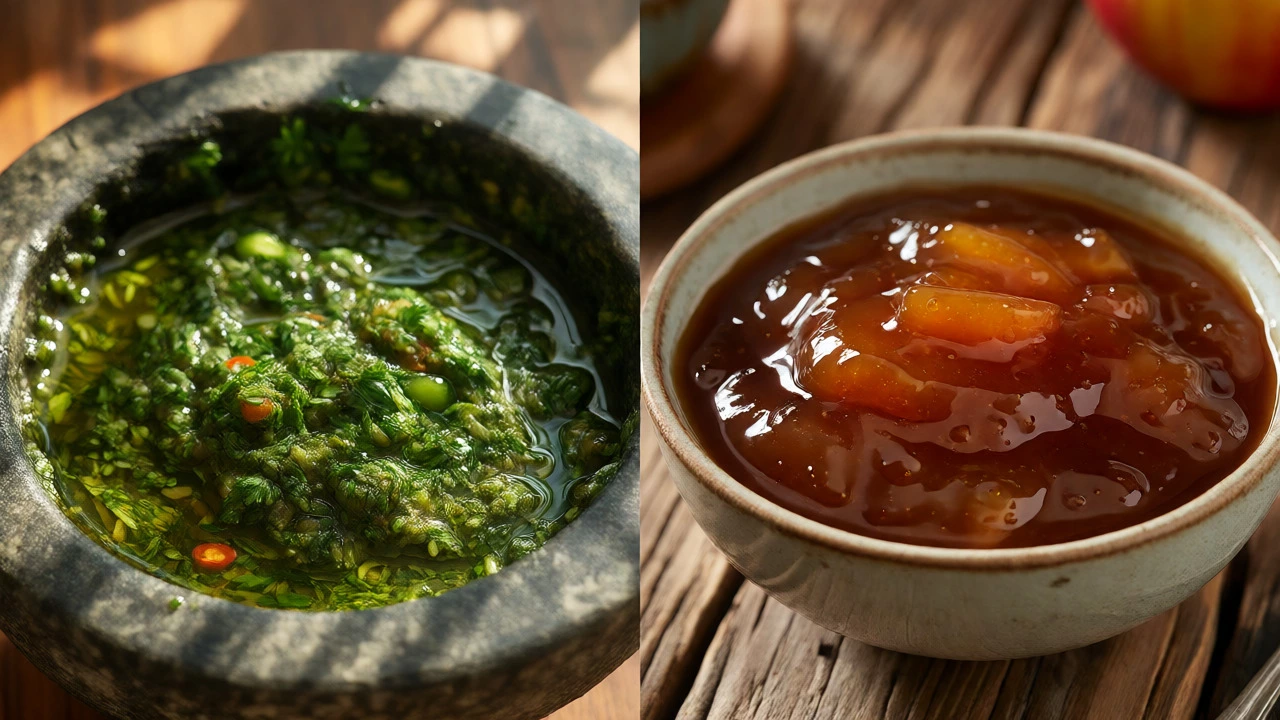
To understand what is in your jar, you first need to recognize that "chutney" in the US usually refers to two very different things. The first is the traditional Indian chutney, which is typically fresh, uncooked, and meant to be eaten within a day or two. Think of the bright green coriander-mint paste or the red tamarind date dip served with samosas. These rely on raw ingredients for their punch.
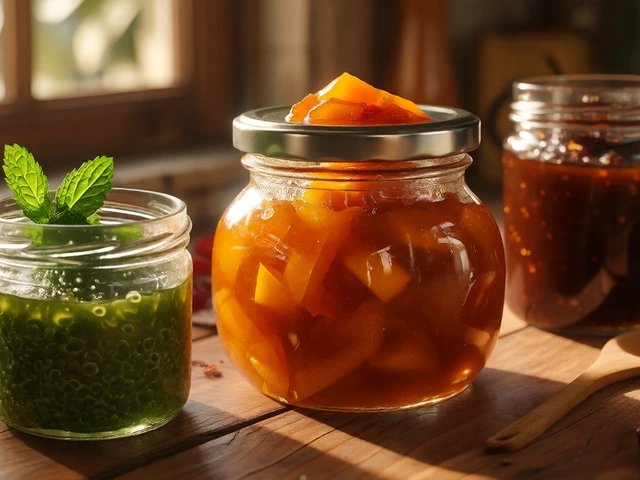
The second type, and the one most Americans encounter, is the British-style chutney. This is a cooked, vinegar-based preserve. It’s thicker, sweeter, and designed to sit in a pantry for months. When you buy "Mango Chutney" at Walmart, you are buying the British style, not the Indian style. This distinction is crucial because it dictates every single ingredient inside the bottle.
Base Ingredients: The Sweet and Sour Foundation
American commercial chutneys are built on a foundation of sugar and acid. Unlike traditional Indian versions that might use jaggery (unrefined cane sugar) or tamarind pulp for sourness, US brands lean hard on refined white sugar and distilled vinegar. This creates a uniform flavor profile that appeals to the average American palate, which tends to prefer consistent sweetness over the complex, fermented tang of authentic recipes.
- Fruit or Vegetable Base: Mango is king here, followed by apple, peach, tomato, and onion. In India, these bases might be mixed with lentils or seeds; in America, they stand alone.
- Sweeteners: High-fructose corn syrup appears in cheaper brands, while premium ones use cane sugar or brown sugar. The ratio is high-often equal parts fruit to sugar-to ensure preservation and texture.
- Acids: Distilled white vinegar or cider vinegar provides the sharp bite needed to cut through the sugar. Tamarind is sometimes added for depth, but it’s rarely the primary acid source in mass-market products.
Spices: Where Flavor Gets Lost
This is where many home cooks get frustrated. If you expect the fiery heat of a green chili chutney, you’ll be disappointed. American chutneys are generally mild. The spice blend is simplified to appeal to a broader audience who might find traditional levels of heat overwhelming.
Common spices you will actually find in an American jar include:
- Ginger: Usually dried ground ginger rather than fresh grated root, which offers less zing but longer shelf life.
- Cinnamon and Cloves: These warm spices are borrowed from British pickling traditions, giving the chutney a dessert-like aroma that clashes slightly with savory curries.
- Mustard Seeds: Often present but rarely popped or tempered in oil as they would be in India. They add texture more than flavor.
- Red Pepper Flakes: Used sparingly. You’re getting a hint of warmth, not a kick.
Notice what’s missing? No fresh cilantro, no raw garlic, no asafoetida, and definitely no fresh green chilies. The complexity of fresh aromatics doesn’t survive the long cooking process required for shelf-stable preserves.
Additives and Preservatives: The Shelf-Life Reality
If you’re making chutney at home, it lasts a week in the fridge. To sell it nationally, manufacturers need it to last two years. This necessity introduces ingredients that never touch a traditional kitchen counter.
| Feature | Traditional Indian Chutney | American Commercial Chutney |
|---|---|---|
| Preparation | Raw or lightly cooked | Slow-cooked down to jam consistency |
| Primary Acid | Tamarind, Lime, Yogurt | Vinegar (Distilled/Cider) |
| Sweetener | Jaggery, Dates, Minimal Sugar | Refined Sugar, HFCS |
| Preservatives | None (Fresh consumption) | Sodium Benzoate, Potassium Sorbate |
| Texture | Pasty, Chunky, or Liquid | Smooth, Jam-like, Gelatinous |
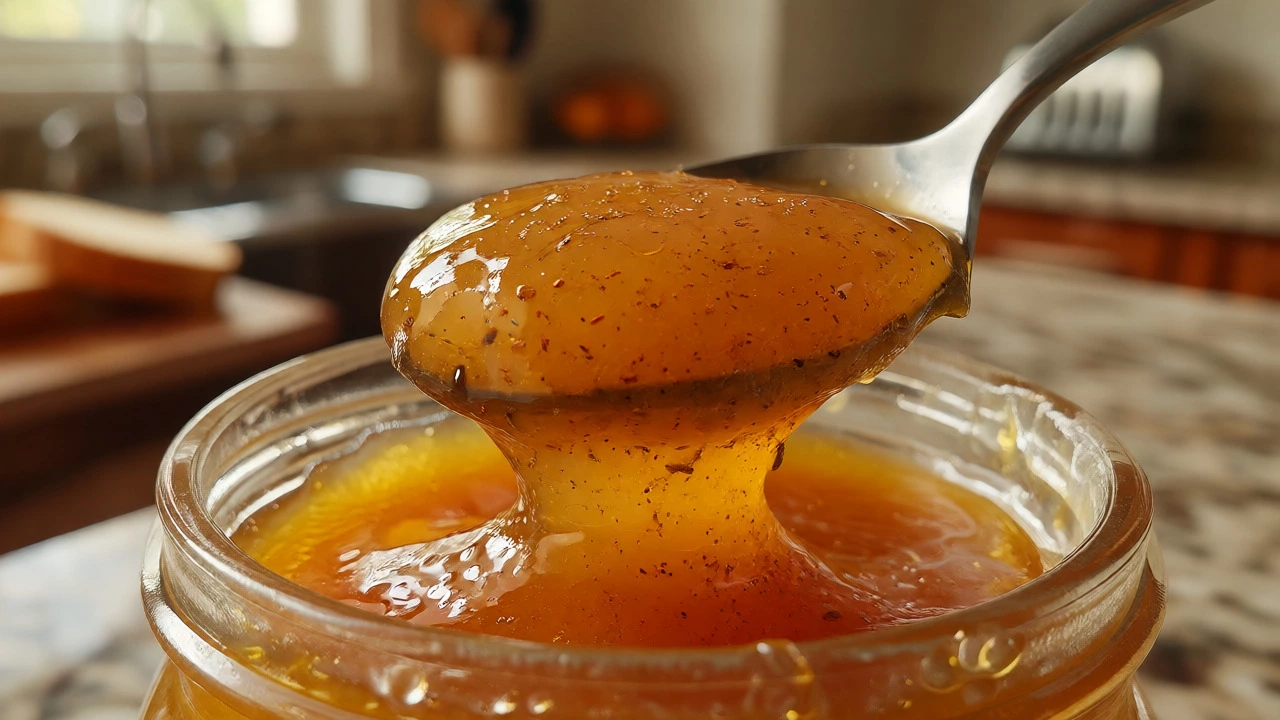
You’ll likely see Sodium Benzoate or Potassium Sorbate on the label. These prevent mold and yeast growth in the acidic environment. Some brands also add pectin-a thickening agent derived from fruit skins-to ensure the chutney spreads easily on toast without running off. While safe for consumption, these additives fundamentally change the mouthfeel compared to the rustic texture of homemade versions.
Regional Variations and Niche Markets
Not all American chutneys are created equal. As interest in global cuisines grows, the market is splitting. In cities with large South Asian populations like Jersey City, Edison, or Sunnyvale, you can find authentic, refrigerated chutneys. These are closer to the real deal: coconut-chili blends, mint-coriander pastes, and tamarind-date mixes that require no vinegar.
Conversely, in the Midwest or South, "Chutney" might refer to something entirely different. In some Southern contexts, people confuse chutney with salsa or even cranberry sauce. There’s also a growing trend of "fusion chutneys," such as Cranberry-Chipotle or Apple-Bacon. These are essentially American jams rebranded with an exotic name. They contain bacon bits, smoked paprika, and maple syrup-ingredients that have zero place in a traditional Indian kitchen.
How to Spot Quality Chutney
Next time you’re standing in the aisle, ignore the front of the jar. Turn it around. Here is your quick checklist for spotting a decent product versus a sugar bomb:
- First Ingredient: Should be the fruit (e.g., Mango), not water or sugar. If sugar is #1, it’s candy, not chutney.
- Vinegar Type: Cider vinegar suggests a milder, more nuanced flavor than harsh distilled vinegar.
- Spice List: Look for whole spices or specific mentions like "fresh ginger." If it just says "spices," it’s likely a generic powder mix.
- Color: Authentic mango chutney should be a dull yellow or orange-brown. Bright neon orange indicates artificial coloring (like Yellow 5).
Remember, if you want the true experience, skip the shelf. Head to the international aisle or a local Indian grocer. Look for jars labeled "Achar" or fresh chutneys sold in plastic tubs near the dairy section. Those are made by hand, often daily, and contain exactly what you’d expect: fruit, salt, spice, and love.
Is American chutney healthy?
Generally, no. Most commercial American chutneys are high in sugar and sodium. A typical serving can contain 10-15 grams of sugar. While they offer some vitamins from the fruit base, the high caloric density and added preservatives make them better suited as an occasional condiment rather than a health food. Homemade versions allow you to control sugar content significantly.
Can I substitute chutney for salsa?
You can, but the flavor profile is vastly different. Salsa is fresh, acidic, and herbaceous, relying on tomatoes, onions, and lime. Chutney is cooked, sweet-sour, and spiced with warming agents like cinnamon. Using chutney on tacos will result in a strange clash of flavors unless you are specifically aiming for a fusion experiment, such as pairing apple chutney with pork carnitas.
Why does my mango chutney taste like jam?
This is due to the British influence on Western chutney-making. Traditional Indian mango chutney is often a fresh pickle or a quick stir-fry. The American version follows the method of making fruit preserves: cooking fruit with high amounts of sugar and vinegar until it breaks down into a gel-like consistency. This process caramelizes the sugars, resulting in a jammy texture and taste.
What is the difference between chutney and relish?
Relish is typically chunkier and less cooked, retaining the distinct shape of the vegetables (like cucumbers in pickle relish). Chutney is usually smoother and cooked down further. However, the line blurs in the US. Generally, if it’s sweet and spreadable, it’s marketed as chutney; if it’s tangy and chunky, it’s relish. Both serve similar purposes but differ in texture and sugar content.
Does chutney contain gluten?
Most traditional fruit and vegetable chutneys are naturally gluten-free. However, always check the label for thickeners like modified food starch (which can be wheat-derived) or soy sauce additions in savory varieties. Brands catering to health-conscious consumers will explicitly state "Gluten-Free" on the packaging.