Tandoori Marinade Calculator
Enter the weight of your protein (chicken, paneer, etc.) to get a perfectly balanced marinade recipe. This tool scales traditional North Indian ratios for home cooking.
- Enter weight and click "Generate Recipe"
You’ve seen it on menus everywhere: that vibrant, glowing red chicken with charred edges and a smoky aroma that hits you before the plate even lands. It’s Tandoori Chicken, one of India’s most famous exports to the global palate. But if you try to replicate it at home and end up with pale, bland meat, you’re missing the magic. That magic isn’t in the oven or the skewer-it’s entirely in the tandoori marinade.
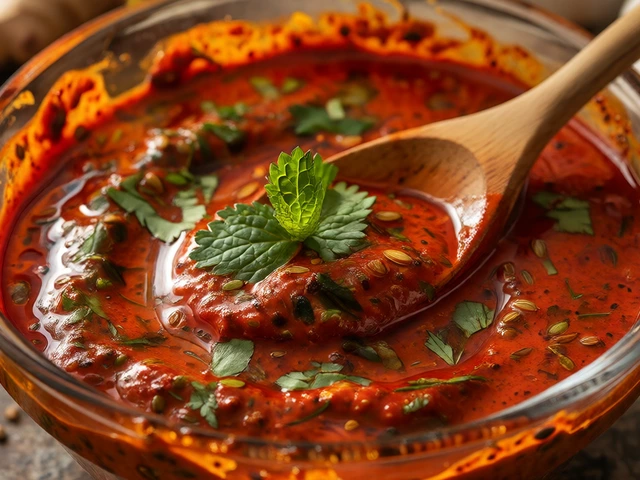
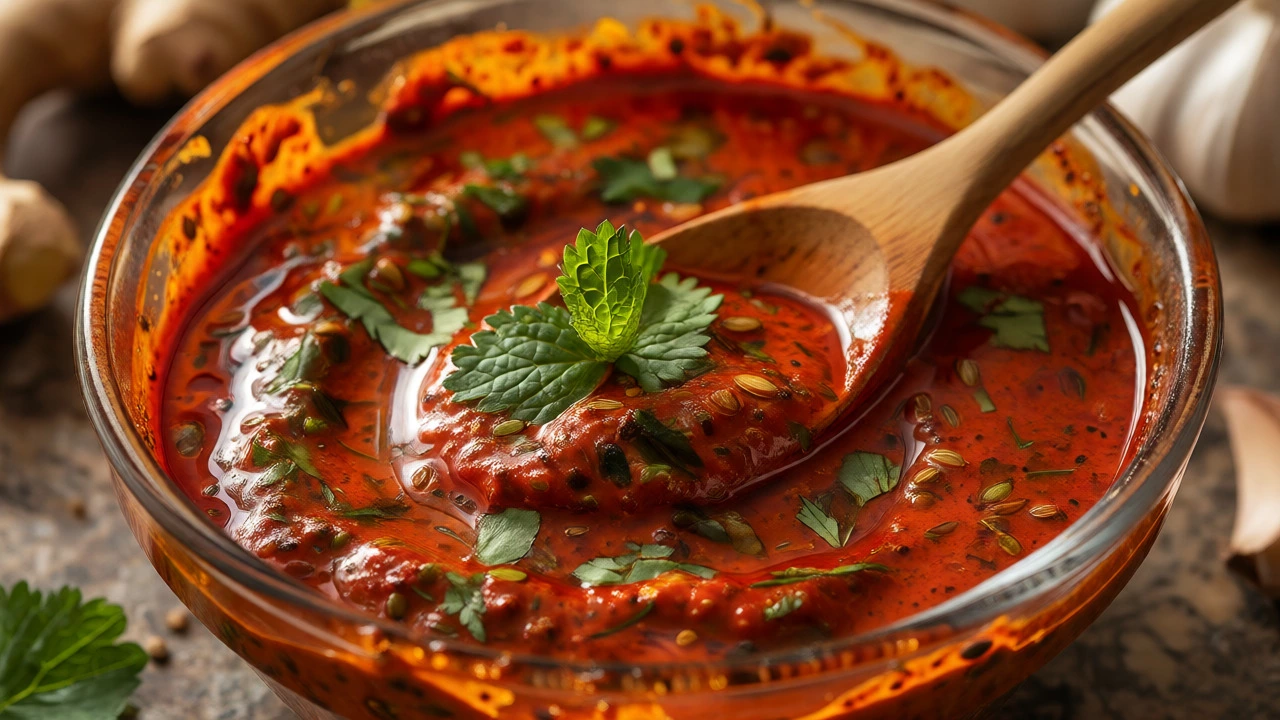
So, what is tandoori marinade made of? If you think it’s just a bag of orange powder from the supermarket, you’re about 80% wrong. A proper tandoori marinade is a complex chemical reaction between acid, fat, heat, and time. It’s not just coating the chicken; it’s tenderizing it, flavoring it deep into the fibers, and creating that signature crust. Let’s break down exactly what goes into this legendary sauce, why each ingredient matters, and how you can mix your own batch today.
The Foundation: Why Yogurt is Non-Negotiable
If there is one rule you cannot break, it’s this: use thick, full-fat yogurt. In culinary terms, we call this Dahi (curd) when using traditional Indian terminology. This isn’t just a carrier for spices; it’s a tenderizer.
Here’s the science, kept simple. Yogurt contains lactic acid and calcium. These two components work together to break down protein bonds in the meat without turning it mushy, which can happen with stronger acids like vinegar or lemon juice alone. Greek yogurt works well because it’s thick, meaning it clings to the chicken rather than sliding off. If you use watery low-fat yogurt, your marinade will drip away during cooking, leaving you with dry chicken and a messy grill.
Pro tip: Whisk the yogurt until it’s completely smooth before adding anything else. Lumps of curd will burn on the high heat of a tandoor or broiler, creating bitter spots on your otherwise perfect chicken.
The Flavor Core: Ginger-Garlic Paste
You cannot have authentic tandoori flavor without fresh ginger and garlic. While powders are convenient, they lack the pungency and aromatic oils found in the raw forms. The standard ratio I use in my kitchen in Brighton is equal parts fresh ginger and fresh garlic, crushed into a fine paste.
Why so much? Because the marinade needs to punch through the richness of the yogurt and the mildness of the chicken breast or thigh. Garlic provides the savory depth, while ginger adds a sharp, citrusy heat that cuts through the fat. If you’re sensitive to raw garlic bite, let the marinated chicken sit for at least four hours. Time mellows the harshness of the allicin compounds, leaving behind a rounded, savory background note.
The Spice Blend: What Makes it "Tandoori"?
This is where people get confused. Is tandoori masala different from garam masala? Yes. Tandoori Masala is a specific blend designed for high-heat cooking. It typically includes:
- Kashmiri Red Chili Powder: This is crucial. Unlike regular cayenne, Kashmiri chili gives intense color but mild heat. This is what turns your marinade that iconic red.
- Cumin and Coriander: The earthy backbone of almost all North Indian dishes.
- Garam Masala: Added toward the end of the spice mix for warmth.
- Fenugreek Leaves (Kasuri Methi): Dried and crushed, these add a maple-like sweetness and aroma.
- Mace and Mace (Javitri/Jaiphal): Subtle notes that elevate the complexity.
You can buy pre-mixed tandoori masala, but making your own ensures no fillers and lets you control the heat level. Start with 1 tablespoon of Kashmiri chili, 1 teaspoon of cumin, 1 teaspoon of coriander, and half a teaspoon of garam masala per pound of chicken. Adjust to taste.
The Acid Balance: Lemon Juice and Vinegar
While yogurt does the heavy lifting on tenderizing, you need a sharper acid to brighten the flavors. Most recipes call for lemon juice. Some traditional Punjabi recipes use a splash of white vinegar. Both work, but they do different things.
Lemon juice adds freshness and a fruity acidity that pairs beautifully with cilantro. Vinegar is more neutral and penetrates slightly faster. I prefer lemon juice for chicken because it complements the dairy notes in the yogurt. Add about 1 tablespoon of fresh lemon juice per cup of yogurt. Too much acid can start to "cook" the surface of the meat too aggressively, changing its texture to something chalky if left overnight.
The Color Secret: Food Coloring vs. Natural Ingredients
Let’s address the elephant in the room: the neon red color. Many commercial restaurants use artificial food coloring (often E129 or similar). Home cooks often skip this, resulting in an orange-brown bird. If you want that restaurant-style pop, you have two options.
| Method | Color Result | Flavor Impact | Authenticity Level |
|---|---|---|---|
| Kashmiri Chili Only | Deep Orange-Red | Mild Heat, Earthy | High (Traditional) |
| Paprika + Annatto | Bright Orange | Sweet, Peppery | Medium |
| Food Coloring | Neon Red | None | Low (Commercial) |
| Beetroot Juice | Natural Red-Purple | Slight Sweetness | Medium-High |
For a natural approach, I sometimes add a teaspoon of beetroot juice. It doesn’t stain as brightly as dye, but it avoids the artificial aftertaste some people dislike. However, don’t rely on turmeric for color here-turmeric turns yellow, not red, and can make the dish look muddy if overused.
Aromatics and Herbs: Cilantro and Mint
Fresh herbs aren’t just garnish; they go into the marinade. Finely chopped cilantro (coriander leaves) and mint are essential. They infuse the yogurt with green, herbaceous notes that lift the heavy spices.
Chop them very finely. Large chunks will burn under the broiler or in a hot oven. Mix them directly into the wet marinade base. The chlorophyll in the herbs also helps stabilize the color somewhat, preventing the red from looking too flat.
Oil: The Conductor of Heat
Finally, you need oil. Mustard oil is traditional in Punjab because it has a pungent kick that stands up to the strong spices. However, many Western palates find mustard oil too aggressive. Vegetable oil, sunflower oil, or even melted ghee work perfectly fine.
Add 1-2 tablespoons of oil to the marinade. Fat carries flavor. Without oil, the spices remain water-soluble and might wash off. With oil, they adhere to the skin and sear onto the meat, creating those delicious char marks. Ghee adds a nutty richness that mimics the butter basting used by street vendors.
How to Assemble Your Marinade
Now that you know the ingredients, here is the logical order to mix them. Getting the order right prevents clumping.
- Base: Whisk 1 cup of thick Greek yogurt until smooth.
- Acid & Aromatics: Stir in 1 tbsp lemon juice, 1 tbsp ginger-garlic paste, and salt.
- Spices: Add 1 tbsp Kashmiri chili, 1 tsp cumin, 1 tsp coriander, ½ tsp garam masala, and a pinch of black salt (kala namak) for sulfuric depth.
- Herbs: Fold in ¼ cup chopped cilantro and mint.
- Fat: Drizzle in 1 tbsp oil or ghee and mix thoroughly.
- Color (Optional): Add a few drops of red food coloring or beetroot juice if desired.
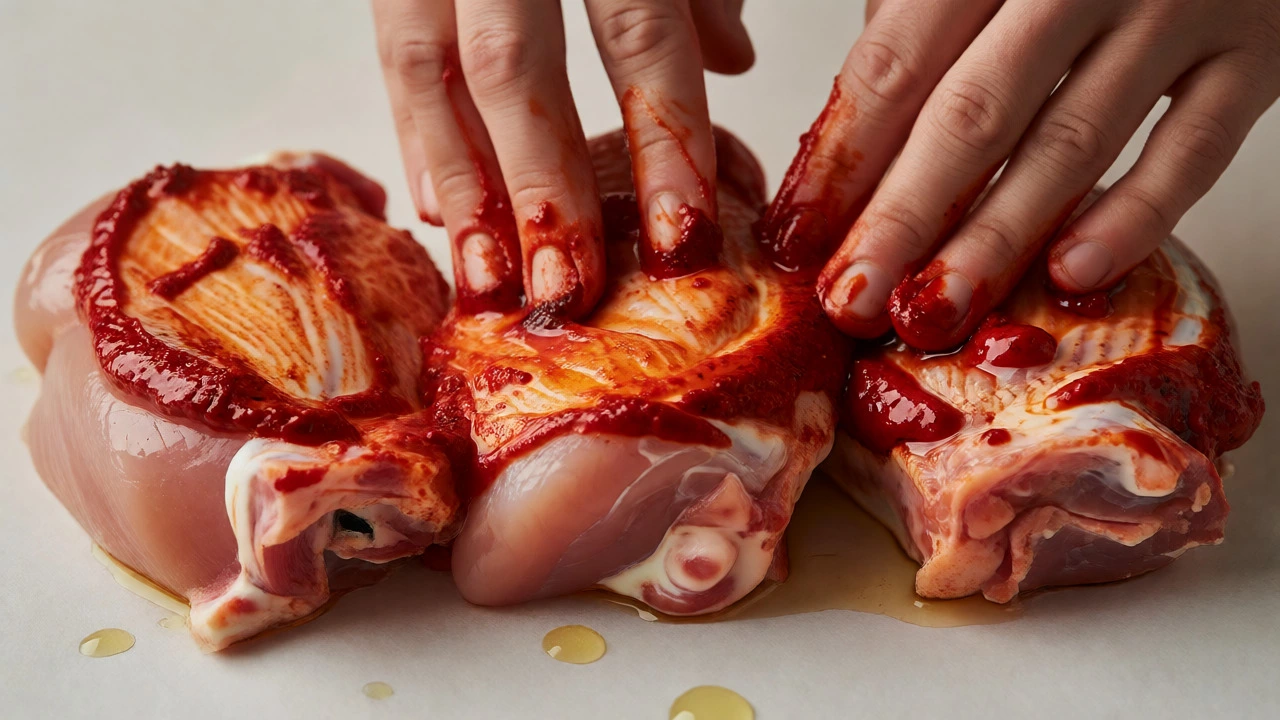
Coat your chicken pieces generously. Make sure every crevice is covered. Cover the bowl and refrigerate. For thighs and legs, marinate for 4-6 hours. For breasts, 2-3 hours is enough to avoid texture breakdown.
Common Mistakes to Avoid
Don’t use boneless breast only. Bone-in pieces hold moisture better and conduct heat differently, giving you juicier results. Don’t skip the resting period after marinating. Taking cold chicken straight from the fridge to a hot grill causes uneven cooking. Let it sit at room temperature for 30 minutes before cooking.
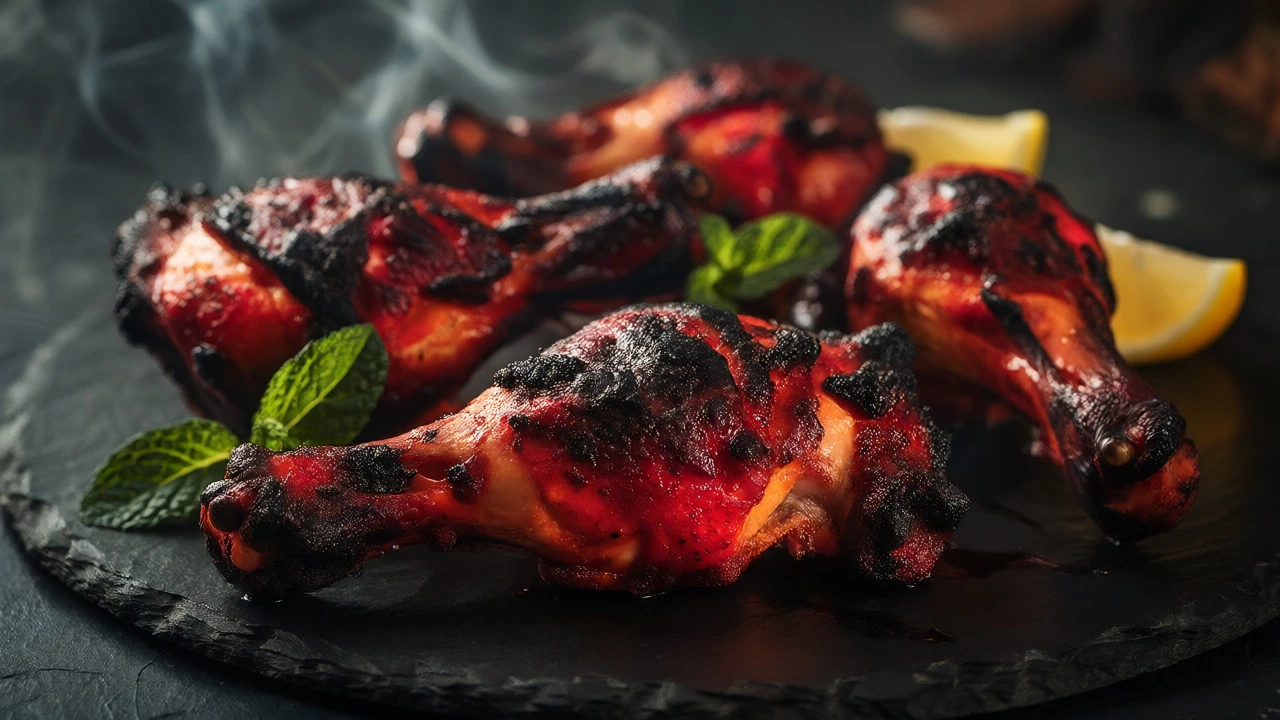
Also, beware of burning the marinade. Tandoori marinades are high in sugar (from lactose in yogurt) and proteins. They char quickly. If you’re using a home oven, keep an eye on the last few minutes of broiling. You want char, not carbon.
Frequently Asked Questions
Can I make tandoori marinade without yogurt?
You can, but it won't be traditional tandoori. Yogurt provides unique tenderizing properties via lactic acid and creates a creamy crust. Alternatives include buttermilk (thinner, less tangy) or coconut milk (different flavor profile, common in South Indian variations), but neither replicates the classic North Indian tandoori taste and texture.
Why is my tandoori chicken pale?
Pale chicken usually means you didn't use enough Kashmiri chili powder or paprika, which provide color without excessive heat. Regular cayenne pepper burns before it colors the meat effectively. Additionally, if your oven wasn't hot enough (aim for 450°F/230°C or higher), the Maillard reaction responsible for browning didn't occur sufficiently.
Is tandoori marinade spicy?
Not necessarily. Authentic tandoori masala focuses on aroma and color rather than intense heat. The Kashmiri chili used is mild. You can adjust the spiciness by adding cayenne pepper or green chilies to your personal preference. Most commercial versions are medium-hot, but homemade versions can be tailored to be quite mild.
Can I use tandoori marinade for vegetables?
Absolutely. Paneer, cauliflower, bell peppers, and mushrooms take to tandoori marinade exceptionally well. Since vegetables don't need tenderizing, reduce the marination time to 30-60 minutes. Ensure the vegetables are dry before coating to help the marinade stick.
What is the difference between tikka and tandoori?
Technically, "tikka" refers to boneless pieces of meat, while "tandoori" traditionally implies bone-in cuts cooked in a clay oven (tandoor). However, in modern usage, especially outside India, the terms are often used interchangeably. The marinade ingredients are virtually identical. The main difference lies in the cut of meat and sometimes the cooking vessel.