Find the Perfect Indian Sweet
Not sure which sweet to pick? Answer three simple questions to get a personalized recommendation.
Sweet Name
Description goes here.
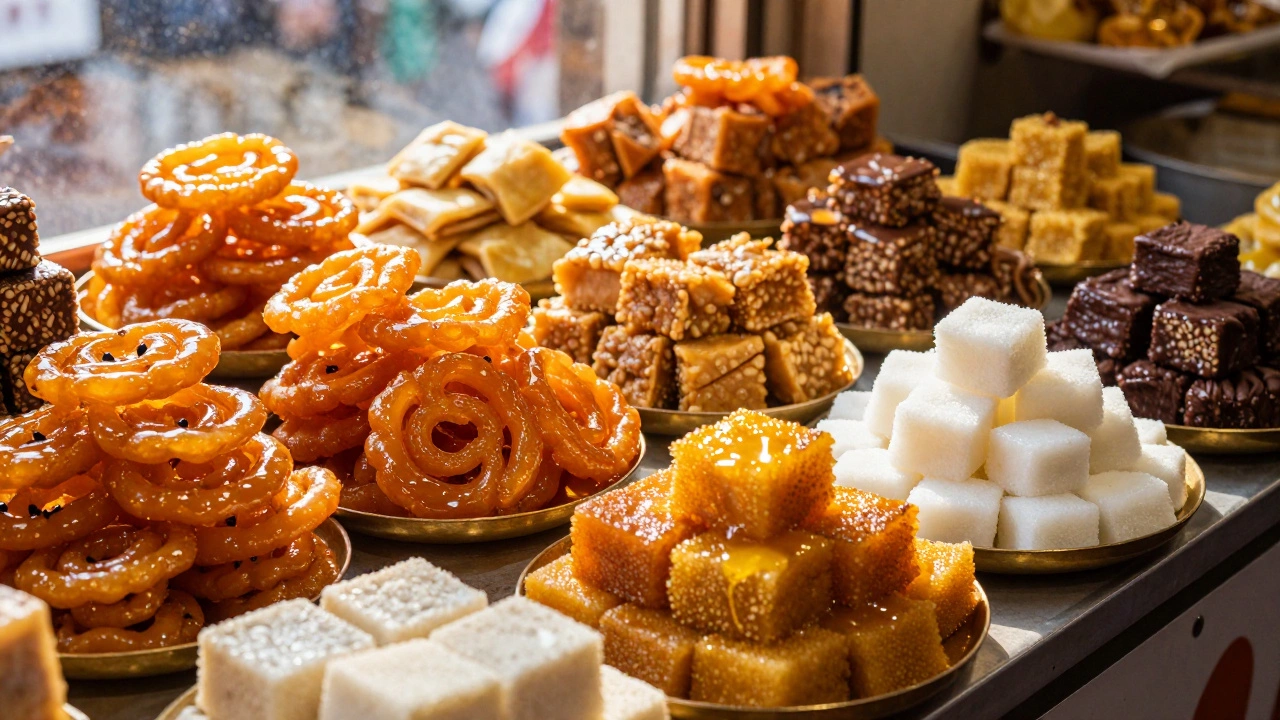
Walk into any sweet shop in Mumbai, Delhi, or Kolkata, and you’ll be hit by a wall of color. Bright orange discs, golden-brown squares, and white mounds of cream sit side by side with chocolate-dusted treats. For outsiders, it can look like chaos. For Indians, it’s comfort. It’s celebration. It’s family.
If you’ve ever wondered what sweets do Indian people like, the answer isn’t just one thing. It’s a whole universe of flavors that change depending on where you are, what festival is happening, and even who you’re visiting. But there are some undisputed kings and queens of the Indian sweets world that everyone knows and loves.
The Undisputed King: Gulab Jamun
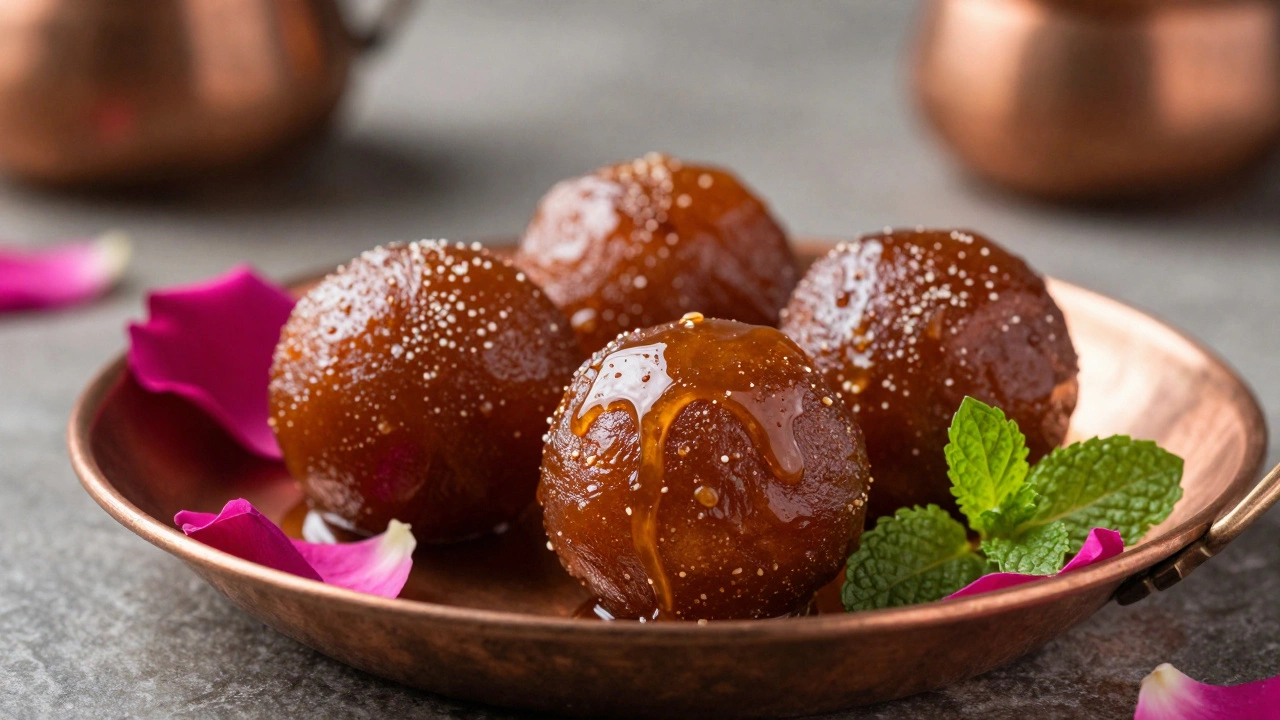
If there is one dessert that unites the entire country, it is Gulab Jamun. These deep-fried dough balls soaked in rose-scented sugar syrup are the default choice for almost every occasion. You eat them at weddings, you bring them as gifts when visiting relatives, and you order them when you want a quick fix of sugar after a heavy meal.
Why do they work so well? The texture is key. A good Gulab Jamun should be spongy inside, not hard, and soft enough to melt in your mouth. The syrup shouldn't be sticky; it should soak in evenly. In North India, they might be slightly larger and darker. In South India, you might find smaller versions called Kudumilu, but the love remains the same. They are affordable, universally liked, and impossible to refuse when offered with tea.
The Creamy Classics: Rasgulla and Rasmalai
Moving east to West Bengal and Odisha, the flavor profile shifts from fried dough to fresh cottage cheese, known locally as chenna. This is the home of Rasgulla, which looks deceptively simple. It’s a white, porous ball floating in light sugar syrup. But making it right is an art form. The chenna must be kneaded until smooth to create that signature sponge-like texture that absorbs the syrup.
Next door sits Rasmalai, which takes the chenna concept and flattens it into discs. These are then simmered in thickened, cardamom-infused milk. While Rasgulla is light and refreshing, Rasmalai is rich, creamy, and often served chilled. During summer, Rasmalai is a staple because the cold milk provides relief from the heat. Both sweets showcase how Indian cuisine transforms basic dairy ingredients into luxury items without needing complex techniques.
The Festive Heavyweight: Kheer and Payesh
You cannot talk about Indian preferences without mentioning rice pudding. Known as Kheer in Hindi-speaking regions and Payesh in Bengali, this dish is the backbone of celebrations. It’s made by slow-cooking rice in milk until it breaks down and thickens, flavored with cardamom, saffron, nuts, and dried fruits.
People love Kheer because it feels home-made. Unlike store-bought bars of candy, Kheer usually comes from the kitchen. It’s associated with Diwali (the Festival of Lights) and Eid. The variation here is endless. Some add mango pulp for a fruity twist, others use coconut milk for a tropical vibe. It’s comforting, easy to digest, and appeals to both children and elderly family members equally. It’s the ultimate crowd-pleaser because it’s familiar and mild.
South India’s Crispy Delights: Mysore Pak and Laddu
In the southern states, particularly Karnataka and Andhra Pradesh, the texture changes again. Here, ghee (clarified butter) is king. Mysore Pak is a legendary sweet made from gram flour, sugar, and massive amounts of ghee. When done correctly, it doesn’t just taste good; it dissolves instantly on your tongue. It’s dense, yellow, and incredibly rich.
Another favorite is the Besan Laddu or Pedalas. These are round balls made from roasted gram flour and jaggery or sugar. They are often prepared during festivals like Ugadi and Pongal. The appeal lies in their simplicity and rustic charm. They don’t require refrigeration and travel well, making them perfect for sending to distant relatives. The nutty flavor of the roasted gram flour distinguishes these from the milky sweets of the north.
The Modern Twist: Chocolate and Fusion Sweets
While tradition runs deep, tastes are evolving. Urban centers like Bangalore, Hyderabad, and Gurgaon have seen a surge in demand for fusion sweets. Younger generations often prefer something less sugary or more aligned with global trends. Enter the chocolate-covered Gulab Jamun, the tiramisu-flavored Rasmalai, or the matcha-infused Kheer.
Brands are experimenting with dark chocolate truffles shaped like traditional laddus or using almond flour instead of wheat to cater to gluten-sensitive diets. This shift shows that while Indians respect their heritage, they are open to innovation. However, the core expectation remains: the sweet must still feel authentically Indian in its spice profile, usually retaining notes of cardamom, saffron, or rose.
| Sweet Name | Main Ingredient | Texture | Best Season | Region Origin |
|---|---|---|---|---|
| Gulab Jamun | Milk solids/Dough | Spongy, Syrupy | All year | Pan-India |
| Rasgulla | Fresh Cottage Cheese | Spongy, Light | Summer | West Bengal/Odisha |
| Rasmalai | Cottage Cheese/Milk | Creamy, Soft | Summer | West Bengal |
| Mysore Pak | Gram Flour/Ghee | Dense, Melting | Winter | Karnataka |
| Kheer | Rice/Milk | Thick, Porridge-like | Winter/Festivals | Pan-India |
Regional Variations: It’s Not Just One Taste
India is vast, and so are its palates. In Gujarat, sweets tend to be sweeter and often include khoya (reduced milk). Mohanthal, a fudge-like sweet made from gram flour, is a Gujarati favorite. In Punjab, Gajar ka Halwa (carrot pudding) dominates the winter months, offering a healthy-ish alternative loaded with carrots, milk, and dry fruits.
In Kerala, coconut plays a starring role. Palada Payasam uses thin rice flakes cooked in coconut milk, giving it a distinct aroma different from the regular cow’s milk Kheer. Understanding these regional differences helps you choose the right sweet for the right person. If you’re visiting a friend from Kerala, bringing coconut-based sweets shows cultural awareness. If you’re going to a Punjabi wedding, expect halwa and barfi.
How to Choose the Right Sweet
Selecting Indian sweets can be overwhelming if you don’t know what to look for. Here is a quick guide based on common scenarios:
- For Weddings: Go for variety boxes containing Barfi, Laddu, and Gulab Jamun. These are traditional and expected.
- For Summer Visits: Choose chilled Rasmalai or Rasgulla. They are light and cooling.
- For Winter Gatherings: Opt for Gajar ka Halwa or warm Kheer. The richness complements the cold weather.
- For Diabetic Friends: Look for jaggery-based sweets like Jaggery Laddu or those labeled "sugar-free" using stevia, though moderation is still key.
- For Travel: Stick to dry sweets like Burfi or Laddus. Syrup-based sweets like Gulab Jamun can spoil quickly in hot climates.
The Cultural Significance of Sharing
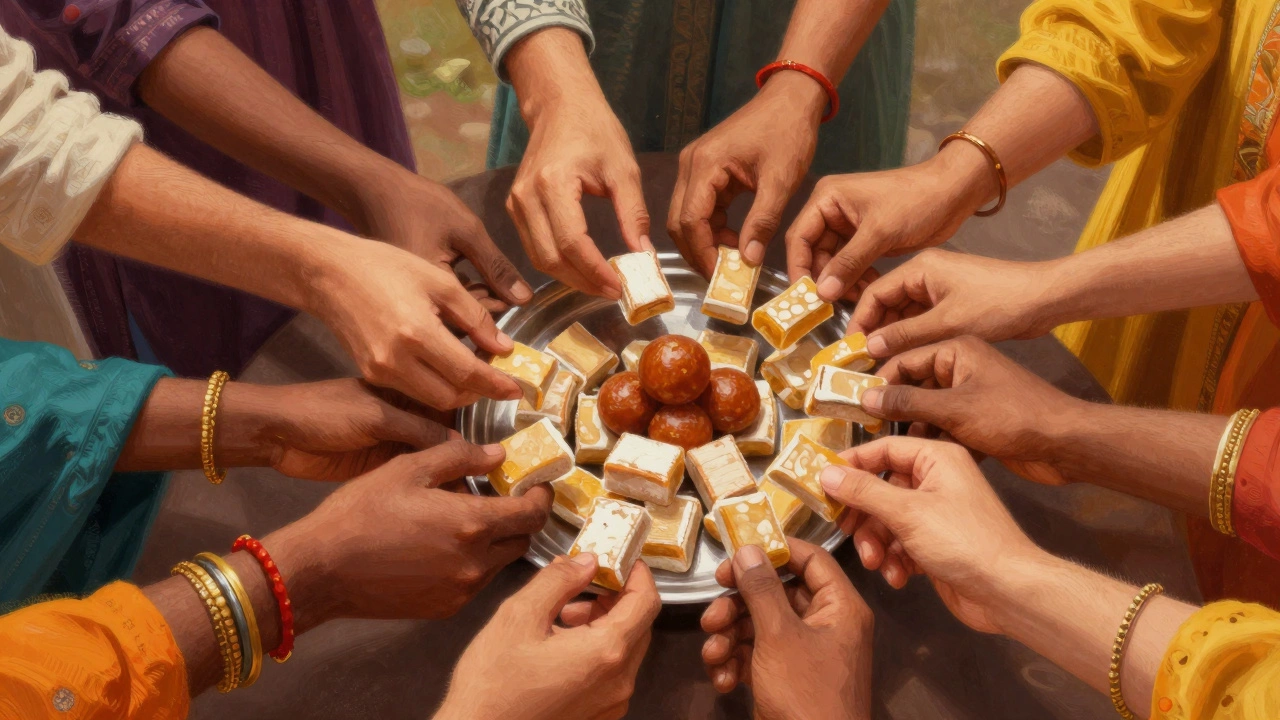
In India, sweets are rarely eaten alone. They are a social currency. Offering a sweet is a gesture of goodwill, apology, or celebration. When someone achieves a milestone-graduating, getting married, or having a baby-the community celebrates by sharing sweets. This practice reinforces bonds and ensures that joy is distributed rather than hoarded.
This communal aspect explains why certain sweets are preferred over others. Individual portions like cake slices are becoming popular, but the traditional method of breaking a large piece of Barfi or sharing a plate of Laddus fosters interaction. It forces you to pause, sit down, and connect with others. That emotional connection is often more valuable than the sugar content itself.
What is the most famous Indian sweet?
Gulab Jamun is widely considered the most famous Indian sweet globally. It is recognized across borders and is a staple in almost every Indian household and restaurant worldwide due to its universal appeal and simple yet delicious flavor profile.
Are Indian sweets suitable for vegetarians?
Yes, the vast majority of traditional Indian sweets are vegetarian. They primarily use milk, sugar, nuts, and flour. However, always check for gelatin in modern fusion sweets or ghee sources if you follow strict vegan or lacto-vegetarian diets.
Which Indian sweet is best for summer?
Rasgulla and Rasmalai are the best choices for summer. They are water-rich, often served chilled, and have a lighter texture compared to heavy, ghee-based sweets like Mysore Pak, which are better suited for winter.
Can I send Indian sweets as gifts?
Absolutely. Sending sweets is a traditional way to show affection in India. Dry sweets like Laddus, Burfis, and Kaju Katli travel well and have a longer shelf life, making them ideal for gifting across distances.
What is the difference between Jaggery and Sugar in sweets?
Jaggery (Gur) is an unrefined cane sugar that retains minerals and has a deeper, molasses-like flavor. Sweets made with jaggery are considered healthier and are often consumed during specific festivals. Sugar provides a cleaner, sharper sweetness and is used in most everyday sweets like Gulab Jamun.