Halloumi vs. Paneer: Which Cheese Should You Use?
Substitution Tip:
You’ve probably seen them both in your fridge or at the market. They look suspiciously similar: white blocks of cheese that hold their shape when you cook them. But if you’ve ever tried swapping one for the other in a recipe, you might have been confused by the result. So, are halloumi and paneer actually the same thing?
The short answer is no. While they share some visual similarities and can sometimes be used in similar ways, they come from completely different culinary traditions, use different milk sources, and have distinct flavors and textures. Understanding these differences will help you pick the right cheese for your next meal, whether you’re grilling kebabs or making a creamy curry.
What Exactly Is Paneer?
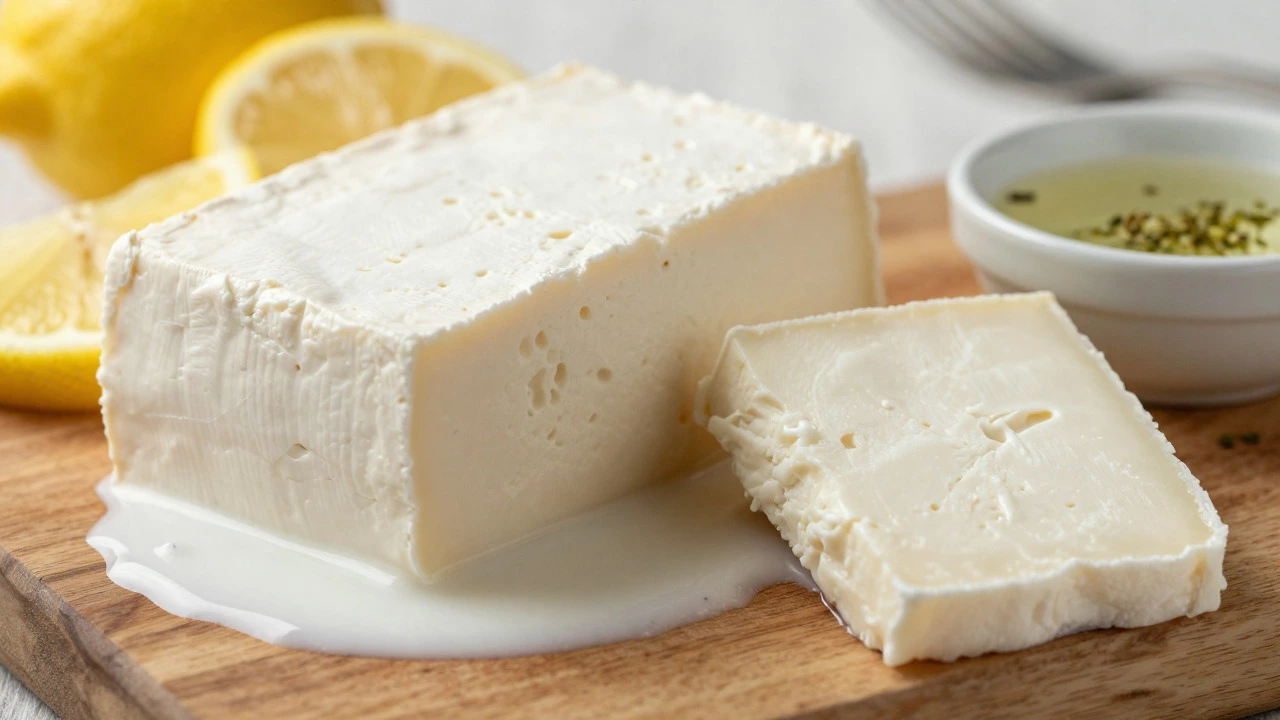
Paneer is a fresh, unaged acid-set cheese that originates from South Asia, particularly India, Pakistan, and Bangladesh. It’s made by curdling hot milk with an acidic agent like lemon juice, vinegar, or yogurt. The resulting curds are then strained through a cloth and pressed into a block to remove excess whey.
The beauty of paneer lies in its simplicity. Because it’s not aged, it has a very mild, slightly milky flavor that doesn’t overpower other ingredients. This makes it the perfect canvas for spices. In Indian cuisine, paneer absorbs the flavors of the masala it’s cooked in, which is why dishes like Palak Paneer (spinach and paneer) or Shahi Paneer taste so rich and complex.
Texture-wise, paneer is soft yet firm enough to hold its shape in stews. It doesn’t melt when heated; instead, it softens slightly but stays intact. This non-melting property is crucial for many Indian recipes where you want chunks of cheese to remain visible and substantial.
What Exactly Is Halloumi?
Halloumi is a semi-hard, unripened, brined cheese originating from Cyprus. Unlike paneer, halloumi is traditionally made from a mixture of goat’s and sheep’s milk, though cow’s milk is now commonly used as well. The key difference in its production process involves the addition of lamb’s stomach rennet, which gives it a distinctive savory, salty flavor and a unique elastic texture.
Halloumi is famous for its high melting point. You can grill, fry, or pan-sear it without it turning into a puddle. Instead, it develops a golden-brown crust on the outside while staying chewy and squeaky on the inside. That “squeak” you hear when you bite into it? That’s a hallmark of authentic halloumi, caused by the protein structure reacting with your teeth.
The flavor profile of halloumi is much stronger than paneer. It’s salty, tangy, and slightly gamey due to the sheep or goat milk content. This makes it excellent for standalone dishes, salads, or grilled appetizers where the cheese itself is the star.
Key Differences Between Halloumi and Paneer
To really understand why you can’t just swap them blindly, let’s break down the specific attributes that set them apart. These differences affect how they behave in cooking and how they taste on your palate.
| Attribute | Paneer | Halloumi |
|---|---|---|
| Milk Source | Cow’s milk (usually) | Sheep, goat, or cow milk |
| Coagulation Method | Acid (lemon/vinegar) | Rennet (enzymes) |
| Flavor Profile | Mild, neutral, milky | Salty, tangy, savory |
| Texture | Soft, crumbly, spongy | Firm, rubbery, squeaky |
| Melting Point | Does not melt | High melting point, does not melt easily |
| Storage | Fresh, keep submerged in water | Brined, vacuum-packed or in liquid |
| Primary Cuisine | Indian, Pakistani, Bangladeshi | Cypriot, Mediterranean, Middle Eastern |
Can You Substitute One for the Other?
This is the question most people ask after realizing they don’t have the right cheese on hand. The answer depends entirely on what you’re cooking. Because both cheeses don’t melt, they are often used in grilling applications, but their flavor profiles dictate where they shine.
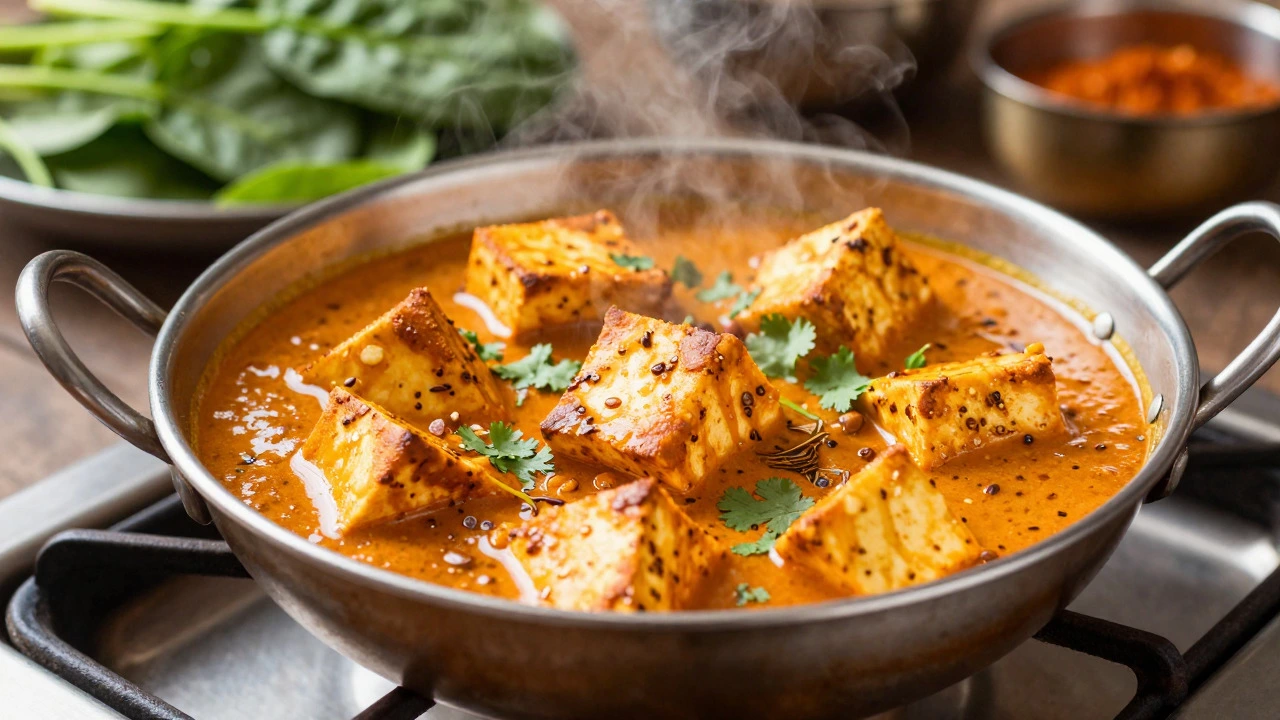
If you’re making a spicy Indian curry like Butter Chicken or Kadai Paneer, using halloumi would be a mistake. The strong saltiness and gaminess of halloumi would clash with the delicate balance of tomatoes, cream, and spices. Paneer’s neutrality allows the sauce to take center stage. However, if you’re in a pinch and only have halloumi, you can rinse it thoroughly under cold water to remove some of the surface salt, then soak it in warm milk for 30 minutes to mellow the flavor. It won’t be perfect, but it will work in a pinch.
Conversely, if you’re grilling cheese for a salad or a kebab, paneer can stand in for halloumi. Since paneer is bland, you’ll need to marinate it. Brush it with oil, sprinkle with salt, pepper, cumin, or paprika before grilling. It will brown nicely and provide a satisfying chew, though it won’t have that signature squeak or salty punch. For a Mediterranean-style dish, this substitution works surprisingly well if seasoned properly.
How to Make Homemade Paneer
One major advantage of paneer over halloumi is how easy it is to make at home. You don’t need special equipment or aging time. If you live in Brighton or anywhere else where fresh paneer isn’t readily available in supermarkets, making it yourself takes less than 30 minutes.
- Heat the Milk: Pour 1 liter of full-fat cow’s milk into a heavy-bottomed pot. Heat it over medium heat until it reaches a rolling boil. Full-fat milk is essential because low-fat milk yields less cheese and a drier texture.
- Add Acid: Remove the pot from heat. Slowly stir in 2-3 tablespoons of lemon juice or white vinegar. You’ll see the milk separate into white curds and greenish whey almost immediately.
- Strain the Curds: Line a colander with cheesecloth or a clean cotton kitchen towel. Pour the mixture into the cloth. Gather the edges and tie them securely to form a bundle.
- Press the Cheese: Hang the bundle under running cold water for a minute to wash away any residual acid taste. Then, place the bundle on a plate and put a heavy weight on top (like a brick wrapped in plastic or a large jar of water). Let it press for 1-2 hours for soft paneer, or 4+ hours for firm paneer.
- Store Properly: Cut the block into cubes and store it in an airtight container submerged in water in the refrigerator. Change the water daily to keep it fresh for up to a week.
Culinary Uses: Where Each Cheese Shines
Knowing the differences helps you choose the right cheese for the job. Here’s how each cheese performs in various cooking scenarios.
Grilling and Frying
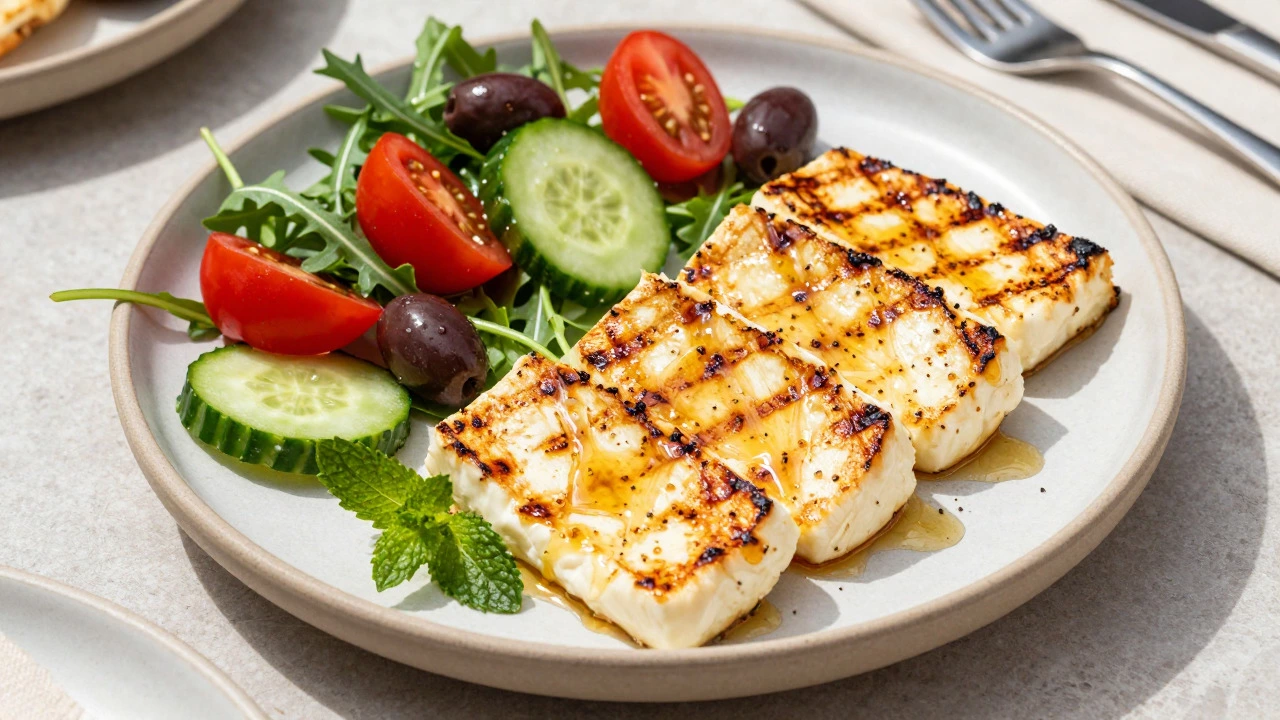
Halloumi is the king of the grill. Its high fat content and elastic texture allow it to develop a crispy exterior without drying out. Slice it thick, brush with olive oil, and sear until golden. Serve with honey, figs, or in a Greek salad. Paneer can also be fried, but it’s best cubed and added to curries or stir-fries rather than eaten alone. When fried, paneer becomes tender on the inside and slightly crisp on the outside, absorbing marinades beautifully.
Salads and Cold Dishes
Halloumi adds a salty, savory crunch to salads. Cube it cold or serve it warm alongside leafy greens, tomatoes, and olives. Paneer is less common in Western salads but is a staple in Indian chaats. Try adding cubed paneer to a salad with chickpeas, onions, cilantro, and a squeeze of lime for a refreshing, protein-rich meal.
Baking and Casseroles
Neither cheese melts like mozzarella, so neither is ideal for lasagna or pizza toppings if you want that stretchy pull. However, paneer holds up well in baked dishes like Paneer Makhani casseroles, where you want distinct pieces of cheese. Halloumi can be baked, but it tends to become rubbery if overcooked, so it’s better suited to quick roasting with vegetables.
Nutritional Comparison
If you’re watching your diet, understanding the nutritional profile of these cheeses is important. Both are good sources of protein and calcium, but they differ in fat and sodium content.
Halloumi is generally higher in fat and calories because it’s often made from sheep or goat milk, which are naturally richer. A 100g serving of halloumi can contain around 350-400 calories and 20-25g of fat. It’s also significantly higher in sodium due to the brining process, which can be a concern for those monitoring blood pressure.
Paneer, especially when made from cow’s milk, tends to be lower in sodium since it’s not brined. A 100g serving of homemade paneer has about 260-300 calories and 18-20g of fat. It’s also lower in saturated fat compared to halloumi. If you’re looking for a lighter option, paneer is usually the better choice, provided you don’t drown it in heavy creams or oils during cooking.
Where to Buy and Store
In the UK, halloumi is widely available in most supermarkets, including Tesco, Sainsbury’s, and Waitrose. Look for it in the refrigerated dairy section, usually vacuum-sealed or in a tub of brine. Paneer is more niche. You’ll find it in larger supermarkets with international sections, Asian grocery stores, or farmers' markets. Fresh paneer has a short shelf life, so buying from a deli counter or making it yourself ensures freshness.
Storage is critical for both. Halloumi should be kept in its brine or wrapped tightly in cling film in the fridge. Once opened, consume within a few days. Paneer must be stored submerged in water in the fridge to prevent it from drying out and becoming rubbery. Change the water every day to maintain freshness.
Final Thoughts on Choosing Your Cheese
So, are halloumi and paneer the same? No. They are cousins in the world of non-melting cheeses, but they speak different languages. Paneer whispers, asking to be seasoned and cooked in sauces. Halloumi shouts, demanding attention with its bold, salty flavor and chewy texture.
Next time you’re at the store, think about what you’re making. If you’re craving a comforting, spiced curry, reach for paneer. If you want a grilled snack or a vibrant salad topping, grab halloumi. And if you’re feeling adventurous, try making paneer at home-it’s cheaper, fresher, and deeply satisfying.
Is halloumi healthier than paneer?
It depends on your dietary goals. Paneer is generally lower in sodium and calories, making it a better choice for heart health and weight management. Halloumi is higher in fat and salt due to brining and sheep/goat milk content, but it provides a denser protein source. If you're watching sodium intake, paneer is the safer bet.
Why does halloumi squeak when you eat it?
The squeak is caused by the high protein content and the specific way the proteins are structured in halloumi. When you chew, the proteins rub against your teeth, creating friction that produces the sound. This is a sign of fresh, high-quality halloumi.
Can I freeze paneer?
Yes, but the texture changes. Freezing makes paneer more porous and crumbly. It’s still safe to eat and works well in curries where it gets soaked in sauce, but it won’t be suitable for grilling or frying where you want a firm slice.
Does paneer melt in the oven?
No, paneer does not melt. It will soften and may release some moisture, but it will retain its shape. This is why it’s used in dishes like Palak Paneer, where you want distinct cubes of cheese rather than a melted layer.
What is the best substitute for halloumi if I’m vegan?
There are several vegan halloumi alternatives made from coconut oil, tofu, or starches. Brands like Violife and Follow Your Heart offer versions that grill well. Alternatively, you can make your own using firm tofu pressed and marinated in nutritional yeast and salt to mimic the savory flavor.