Dosa Health Impact Calculator
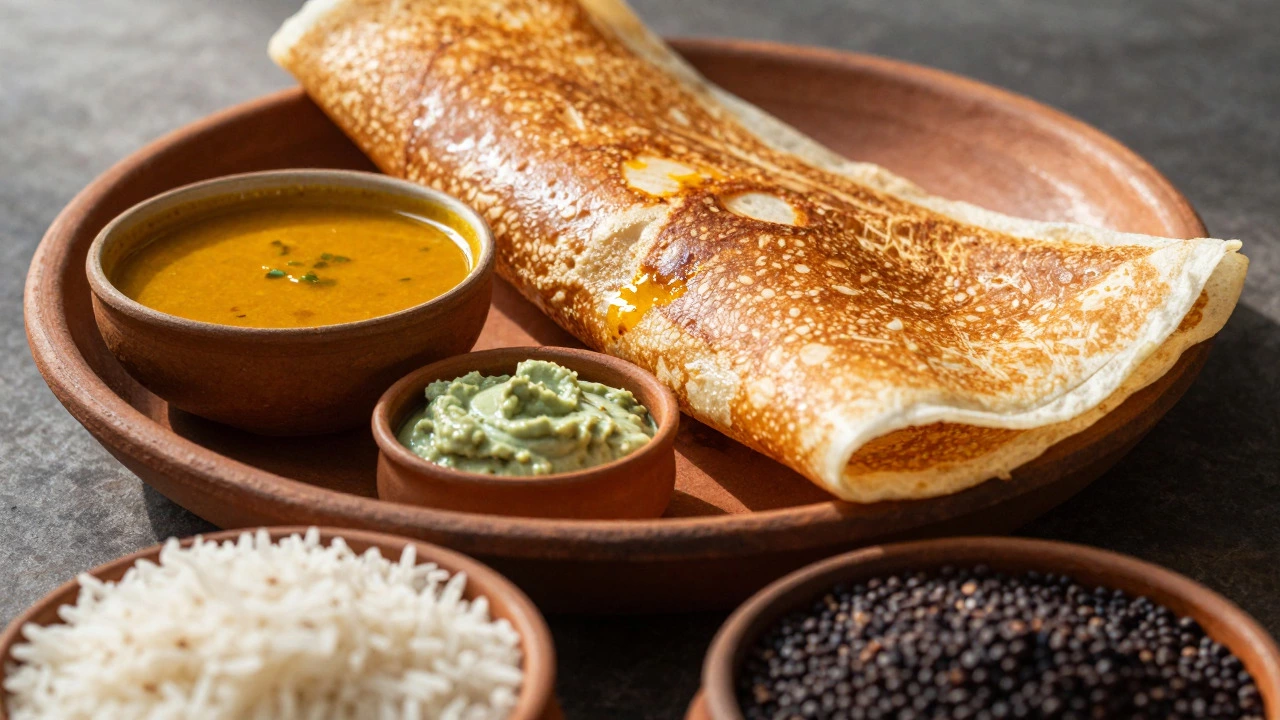
You probably love dosa is a popular South Indian crepe made from a fermented batter of rice and lentils. It’s crispy, savory, and often hailed as a superfood because of its fermentation process. But like any food, eating it in excess or preparing it incorrectly can lead to some unpleasant side effects. If you’ve ever felt bloated, experienced heartburn, or noticed a spike in your blood sugar after a heavy dosa meal, you’re not alone.
The truth is, dosa isn’t inherently bad for you. In fact, traditional homemade dosa is quite nutritious. However, modern variations, portion sizes, and individual digestive sensitivities play a huge role in how your body reacts. Understanding these nuances helps you enjoy this staple without the discomfort. Let’s break down the real side effects of dosa, why they happen, and how to eat it safely.
Bloating and Digestive Discomfort
The most common complaint among dosa lovers is bloating. You might feel gassy or heavy shortly after eating. This usually comes down to two factors: the ingredients and the fermentation process.
Dosa batter contains urad dal (black gram) and rice. While fermentation breaks down some complex carbohydrates, making them easier to digest, it also produces gas as a byproduct. If your gut microbiome isn’t used to high amounts of fermented foods, or if the fermentation was incomplete, you might experience significant bloating.
Additionally, many people eat dosa with sambar and coconut chutney. Sambar contains vegetables like drumstick and okra, which are known to cause gas in sensitive individuals. Coconut chutney is rich in fat, which slows down digestion. When you combine a large portion of carb-heavy dosa with fatty chutney and gas-producing sambar, your stomach has to work overtime. The result? That uncomfortable, swollen feeling.
To minimize this, try smaller portions and ensure your batter ferments fully. A well-fermented batter is lighter on the stomach. Also, avoid drinking cold water immediately after eating, as it can solidify fats and slow digestion further.
Acidity and Heartburn
If you suffer from acid reflux or GERD, dosa might be triggering your symptoms. Why? Because traditional dosa is cooked with oil or ghee. While healthy fats are good, excessive oil increases the caloric density and can relax the lower esophageal sphincter, allowing stomach acid to creep up into the esophagus.
Moreover, the spice level of the accompaniments matters. Many store-bought chutneys are packed with chili peppers and vinegar, both of which are major triggers for acidity. Even the tempering (tadka) added to sambar often includes mustard seeds, curry leaves, and dried red chilies, which can irritate an already sensitive stomach lining.
If you notice heartburn after eating dosa, switch to minimal oil when cooking. Use a non-stick pan so you need less grease. Opt for mild chutneys like tomato-onion or coriander-mint instead of spicy coconut blends. And don’t lie down right after your meal; give your body at least two hours to digest before resting.
Blood Sugar Spikes
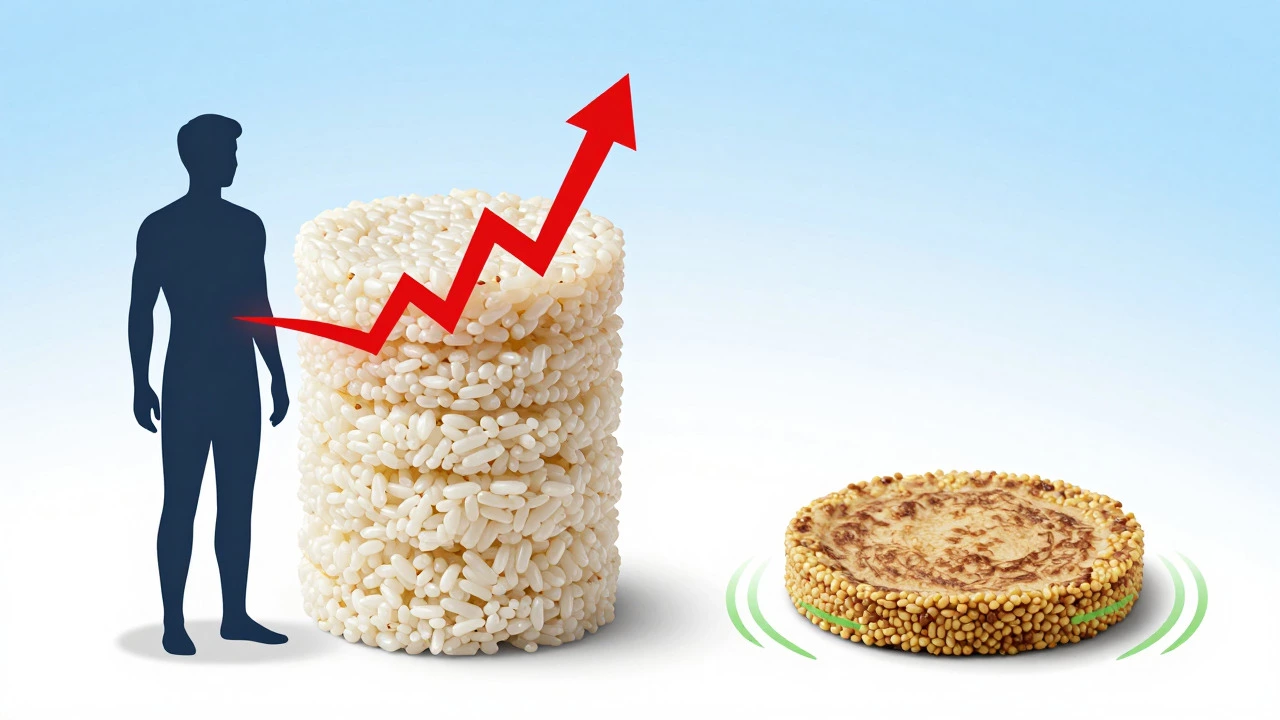
Here’s a hard truth: regular white rice dosa is high in glycemic index. White rice is a refined carbohydrate that breaks down quickly into glucose. When you eat a large, fluffy dosa, your blood sugar levels can skyrocket within minutes. For diabetics or pre-diabetics, this rapid spike can be problematic, leading to energy crashes later and long-term insulin resistance if consumed daily without balance.
The problem worsens when dosa is eaten with sweet chutneys or fried accompaniments like vada. The combination of simple carbs and fats creates a metabolic burden. Studies show that replacing 50% of white rice in the batter with millets like ragi (finger millet) or jowar (sorghum) can significantly lower the glycemic load. These whole grains provide fiber, which slows down sugar absorption.
If you’re watching your blood sugar, don’t ditch dosa entirely. Just change the recipe. Try multi-grain dosa or add grated vegetables like carrots and beans to the batter. This adds volume and fiber without adding empty calories, keeping your glucose levels more stable.
Weight Gain Concerns
Dosa itself isn’t fattening, but the way we eat it often is. A single medium-sized plain dosa has around 100-150 calories. Sounds harmless, right? But consider the context. Most people eat three or four dosas in one sitting. Add a ladle of oily sambar, a generous scoop of coconut chutney, and maybe a cup of sugary tea, and you’re easily looking at 600-800 calories for breakfast.
Calorie density becomes even higher with restaurant-style dosas. Places famous for "butter dosa" or "cheese masala dosa" pump these crepes with massive amounts of butter, cheese, and cream. A single cheese masala dosa can exceed 500 calories just from the toppings, not counting the batter. Regularly consuming these calorie-dense versions without adjusting your activity level will inevitably lead to weight gain.
To keep dosa part of a weight-loss plan, stick to one or two small dosas. Use spray oil instead of pouring. Choose vegetable-heavy fillings like paneer bhurji or spinach-mushroom mix rather than processed meats or heavy cheeses. Balance the meal with a side of cucumber salad to add crunch and hydration without extra calories.
Allergic Reactions and Intolerances
While rare, some people have specific intolerances to ingredients in dosa batter. Rice allergy is uncommon but possible. More frequently, people react to the lentils. Urad dal contains proteins that can trigger mild allergic responses in sensitive individuals, ranging from skin rashes to digestive upset.
Lactose intolerance is another factor. Many recipes call for a pinch of baking soda or yogurt to make the dosa softer. If you’re lactose intolerant, even small amounts of dairy in the batter or in the chutney can cause diarrhea and cramping. Always check if your chutney contains yogurt or cream.
Gluten-free claims are often made about dosa, and rightly so-traditional dosa is naturally gluten-free. However, cross-contamination can occur in restaurants that also serve wheat-based items like parathas or naan. If you have celiac disease, ensure the kitchen uses separate pans and utensils to avoid accidental exposure.
Nutritional Deficiencies from Overconsumption
Eating dosa every day for months on end might seem convenient, but it can lead to nutritional imbalances. Dosa is primarily carbohydrates and fats, with moderate protein from the lentils. It lacks significant amounts of certain vitamins and minerals unless paired with nutrient-dense sides.
For instance, dosa batter is low in iron and vitamin C compared to other Indian staples like leafy green curries. If your diet revolves heavily around rice-lentil combinations without enough variety, you might miss out on essential micronutrients. Additionally, the high sodium content in store-bought chutneys and sambar powders can contribute to hypertension over time.
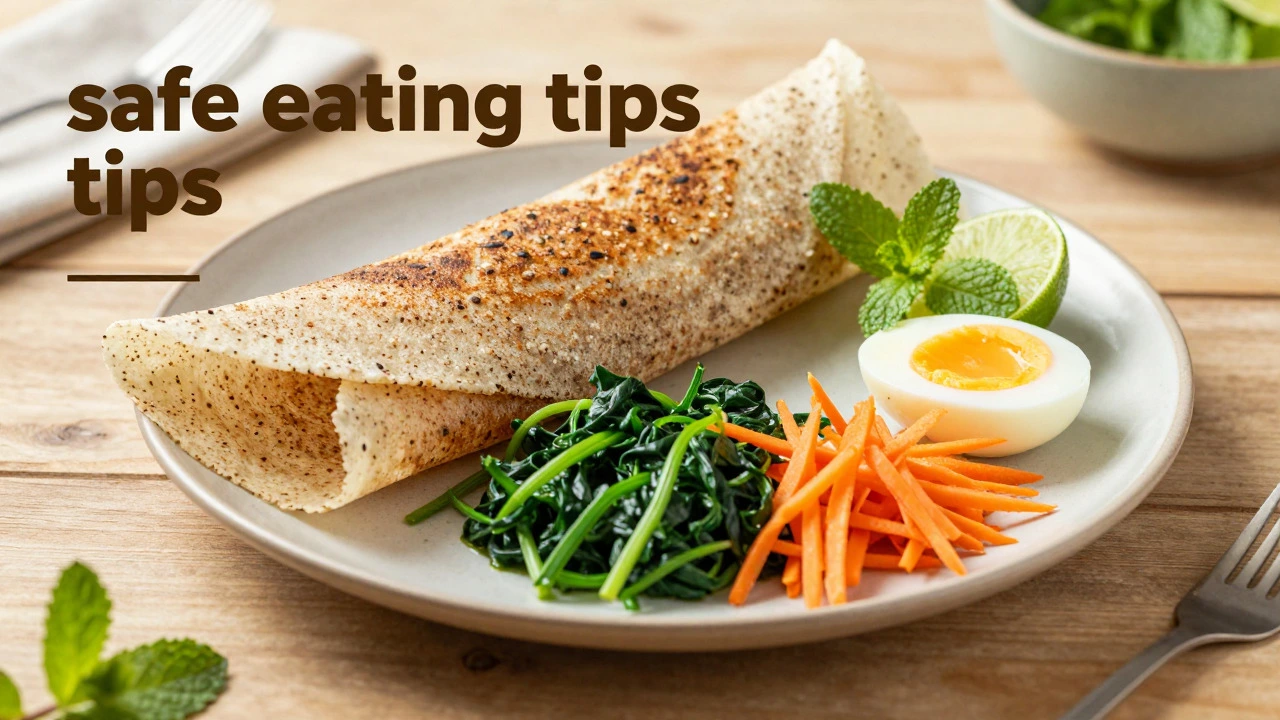
To counter this, treat dosa as part of a balanced plate, not the entire meal. Include a side of sautéed greens, a boiled egg, or a bowl of dal to boost protein and iron intake. Rotate your breakfast options weekly to include oats, quinoa, or smoothies, ensuring your body gets a diverse range of nutrients.
| Type of Dosa | Primary Ingredients | Glycemic Index | Potential Side Effects |
|---|---|---|---|
| Plain Rice Dosa | White rice, urad dal | High (~70) | Blood sugar spikes, bloating |
| Millet Dosa (Ragi/Jowar) | Finger millet, sorghum, lentils | Low-Medium (~55) | Minimal; better digestion |
| Cheese Masala Dosa | Rice batter, processed cheese, butter | High | Weight gain, high saturated fat |
| Vegetable Dosa | Rice batter, grated veggies | Medium | Lower risk; higher fiber |
How to Eat Dosa Safely
You don’t need to give up dosa to stay healthy. Small adjustments can make a big difference. First, focus on portion control. One or two dosas are sufficient for most adults. Second, prioritize fermentation. Let your batter ferment for 8-12 hours in warm weather. Proper fermentation reduces anti-nutrients like phytic acid, improving mineral absorption.
Third, choose your accompaniments wisely. Swap coconut chutney for mint-coriander or tomato-onion chutney. Reduce the oil in sambar by skimming the top layer before serving. Finally, listen to your body. If you feel sluggish or bloated after eating dosa, adjust the quantity or frequency. Your body knows best.
Is dosa good for weight loss?
Yes, if eaten in moderation. Plain dosa is relatively low in calories, but toppings like butter and cheese can double the count. Stick to one or two small dosas with minimal oil and pair them with protein-rich sides like egg or dal to stay full longer.
Why does dosa cause bloating?
Bloating occurs due to the fermentation process producing gas, combined with high-carb rice and gas-producing vegetables in sambar. Ensuring proper fermentation and reducing portion sizes can help alleviate this issue.
Can diabetics eat dosa?
Diabetics can eat dosa, but should opt for millet-based varieties like ragi or jowar dosa. These have a lower glycemic index. Avoid white rice dosa and always pair it with fiber-rich vegetables or protein to slow sugar absorption.
Is restaurant dosa healthier than homemade?
Generally, no. Restaurant dosas often use more oil, butter, and preservatives in chutneys. Homemade dosa allows you to control ingredient quality, fermentation time, and oil usage, making it a healthier option.
Does dosa cause acidity?
It can, especially if cooked with excessive oil or served with spicy chutneys. To prevent acidity, use less oil, avoid very spicy sides, and do not lie down immediately after eating.