Tandoori Marinade Substitution Calculator
Enter the amount of lemon juice called for in your recipe.
Marinade Adjustment Guide
Lime JuiceQuantity Needed
Use slightly less than the original amount due to higher acidity.
Marination Time
Safe for long marination periods.
You’ve gathered the spices. You’ve got the yogurt ready. But when you reach for the lemon, your hand comes up empty. Panic sets in? It shouldn’t. In fact, skipping the lemon might just lead to a better batch of tandoori chicken than you expected.
Lemon juice does two things in this classic North Indian dish: it tenderizes the meat by breaking down proteins and adds a bright, sharp acidity that cuts through the richness of the yogurt and oil. If you don’t have lemons, you don’t need to cancel dinner. You just need to swap in an ingredient that performs those same chemical tasks without ruining the flavor profile.
Why Acid Matters in the Marinade
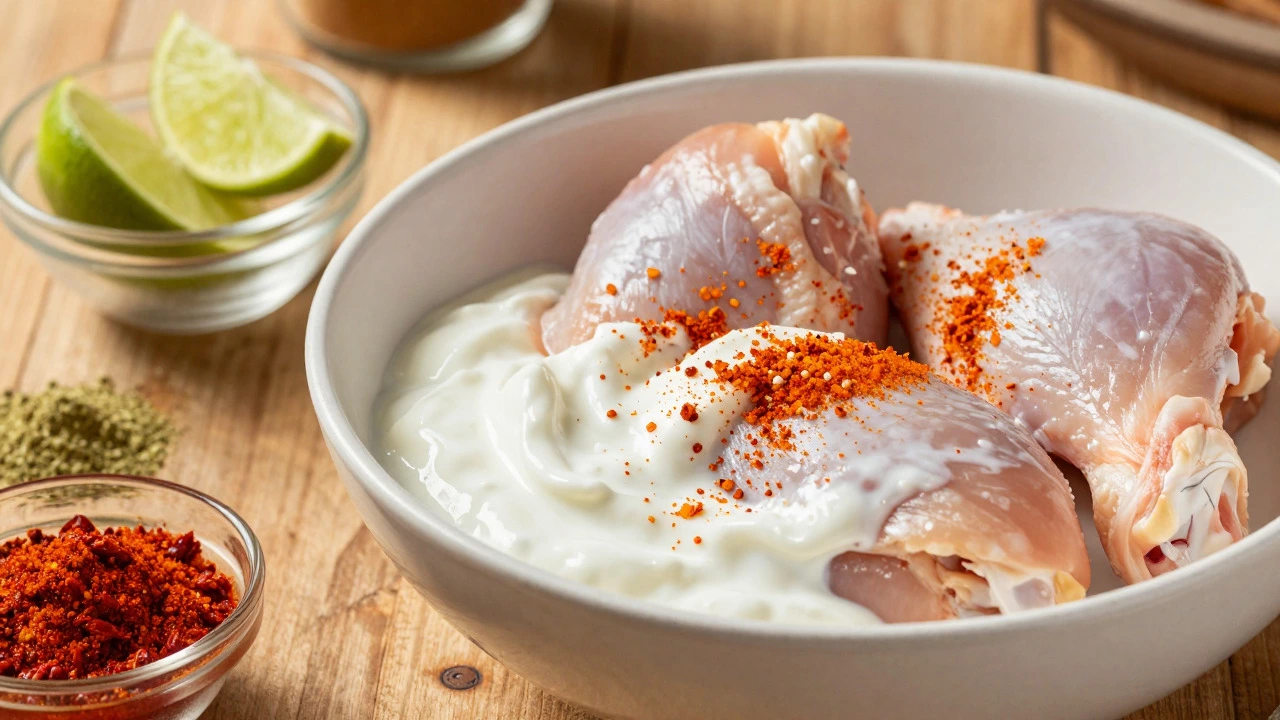
Before picking a substitute, it helps to understand what you’re replacing. The acid in lemon juice denatures the proteins in the chicken breast or thigh. This process keeps the meat moist during the intense heat of the oven or grill. Without any acid, the yogurt can sometimes curdle unevenly, or the meat might turn out tough and dry.
However, too much acid is also bad. If you marinate chicken in pure lemon juice for more than four hours, the texture becomes mushy, almost like ceviche. The goal is balance. Your substitute needs to provide enough pH reduction to tenderize, but not so much that it overwhelms the delicate notes of cumin, coriander, and garam masala.
The Best Direct Substitutes for Lemon Juice
Not all acids are created equal. Some bring sweetness, others bring heat, and some are neutral. Here are the top alternatives, ranked by how well they mimic the specific role of lemon in this recipe.
1. Lime Juice (The Closest Match)
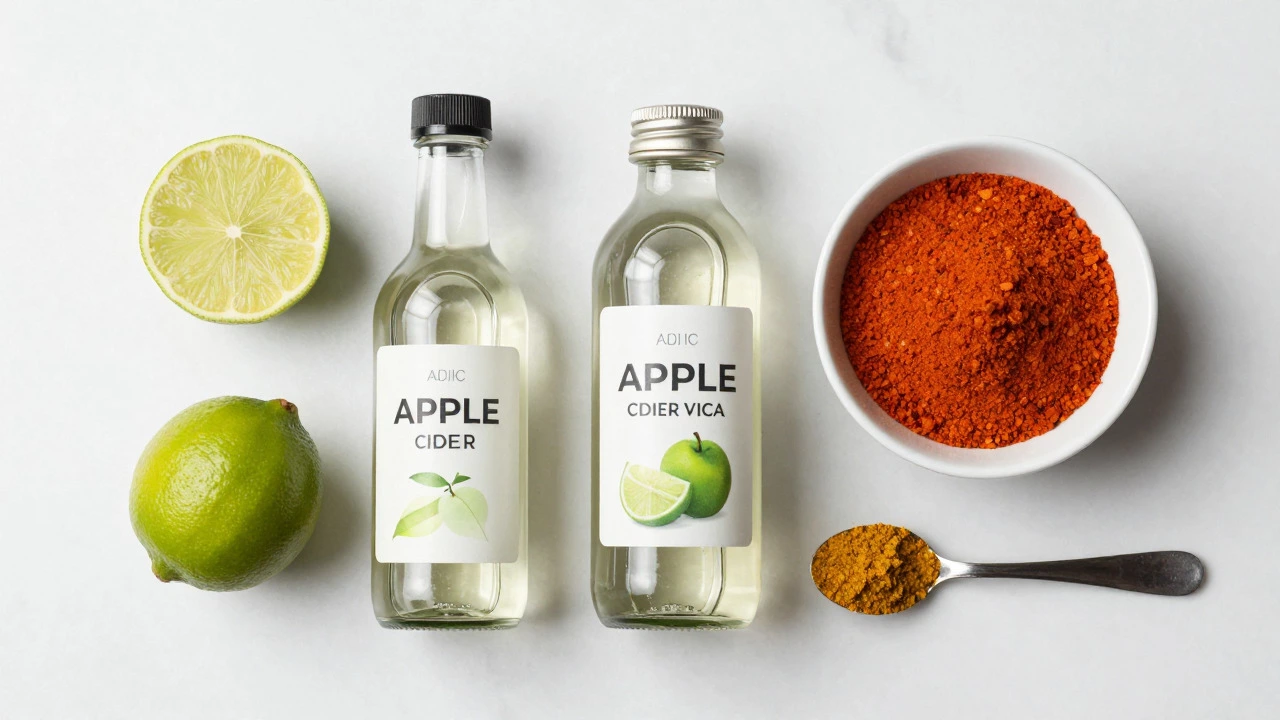
If you have limes, use them. Lime juice is chemically very similar to lemon juice. It has a slightly higher acidity level, so you should use about 75% of the amount called for in the original recipe. For example, if the recipe asks for two tablespoons of lemon juice, use one and a half tablespoons of lime juice. The flavor profile shifts slightly toward a more floral, tropical note, which pairs beautifully with the cilantro often used in tandoori garnishes.
2. White Vinegar or Apple Cider Vinegar
Vinegar is pure acetic acid. It’s effective at tenderizing, but it lacks the fruity brightness of citrus. Because it’s sharper, you must be conservative with the quantity. Use white distilled vinegar for a neutral taste that won’t compete with the spices. If you use apple cider vinegar, it will add a subtle fruitiness that works well, but avoid balsamic or red wine vinegar, as their strong colors and distinct flavors will clash with the vibrant orange-red hue of the tandoori paste.
3. Amchur (Dried Mango Powder)
This is a secret weapon in Indian kitchens. Amchur is made from unripe green mangoes dried into a powder. It provides a sour, tart punch without adding liquid to your marinade. This is crucial because adding extra liquid can dilute the spice paste. Sprinkle one teaspoon of amchur directly into the yogurt mixture. It integrates seamlessly and enhances the savory depth of the dish.
4. Rice Wine Vinegar
Milder than distilled white vinegar and less sweet than apple cider vinegar, rice wine vinegar offers a gentle acidity. It’s particularly good if you are making a lighter version of tandoori chicken or using chicken breasts, which are prone to drying out. Its subtle flavor allows the ginger-garlic paste to shine through.
| Substitute | Flavor Profile | Ratio (vs Lemon) | Best For |
|---|---|---|---|
| Lime Juice | Citrusy, Floral | 3:4 (Use less) | Direct replacement, fresh taste |
| White Vinegar | Sharp, Neutral | 1:2 (Use half) | Tenderizing without flavor change |
| Amchur Powder | Tart, Dry, Fruity | 1 tsp per cup of yogurt | Keeping marinade thick |
| Apple Cider Vinegar | Fruity, Tangy | 1:2 (Use half) | Adding depth and complexity |
Ingredients to Avoid
It’s tempting to grab whatever acidic condiment is in your fridge, but some choices will ruin the authentic character of the dish.
- Balsamic Vinegar: Too dark and too sweet. It will turn your chicken brown instead of red-orange and introduce a heavy, syrupy note that doesn’t belong in Indian cuisine.
- Orange Juice: While citrus, orange juice is too sweet and watery. It will make the marinade runny and create a candy-like glaze rather than a savory crust.
- Tomato Paste: Although tomatoes are acidic, tomato paste is dense and introduces a completely different flavor profile (more Italian or Mexican). It will overpower the delicate spice blend.
How to Adjust the Recipe When Swapping Acids
Swapping ingredients isn’t just about volume; it’s about balancing the entire sensory experience. When you remove lemon, you lose a bit of freshness. Here is how to compensate.
Boost the Aromatics
If you use vinegar, which has a flat aroma compared to fresh citrus, increase the amount of ginger and garlic in your paste. These aromatics provide the "zing" that lemon usually contributes. Add an extra tablespoon of grated ginger to wake up the palate.
Adjust the Salt
Acidity balances saltiness. If you switch to a milder acid like rice wine vinegar or amchur, you may need to add a pinch more salt to keep the flavors popping. Taste the marinade before applying it to the chicken. It should taste slightly stronger than you want the final dish to be, as the cooking process mellows the spices.
Watch the Cooking Time
Stronger acids like vinegar break down protein faster than lemon juice. If you use a significant amount of vinegar, reduce the marination time. Instead of overnight, marinate for 2-4 hours. This prevents the chicken from becoming stringy or falling apart on the grill.
The Role of Yogurt in Tenderizing
It’s worth noting that yogurt itself is acidic. Traditional Indian yogurt (dahi) has a natural tang that contributes to the tenderization process. If you are using plain Greek yogurt, which is thicker and less tangy, you might rely more heavily on your acid substitute. If you are using thinner, traditional South Asian yogurt, you may need less additional acid altogether.
To maximize tenderness without over-acidifying, let the chicken sit at room temperature for 30 minutes before grilling. This ensures even cooking and allows the marinade to penetrate deeper without needing aggressive chemical breakdown.
Pro Tip: Adding Smokiness Without a Tandoor
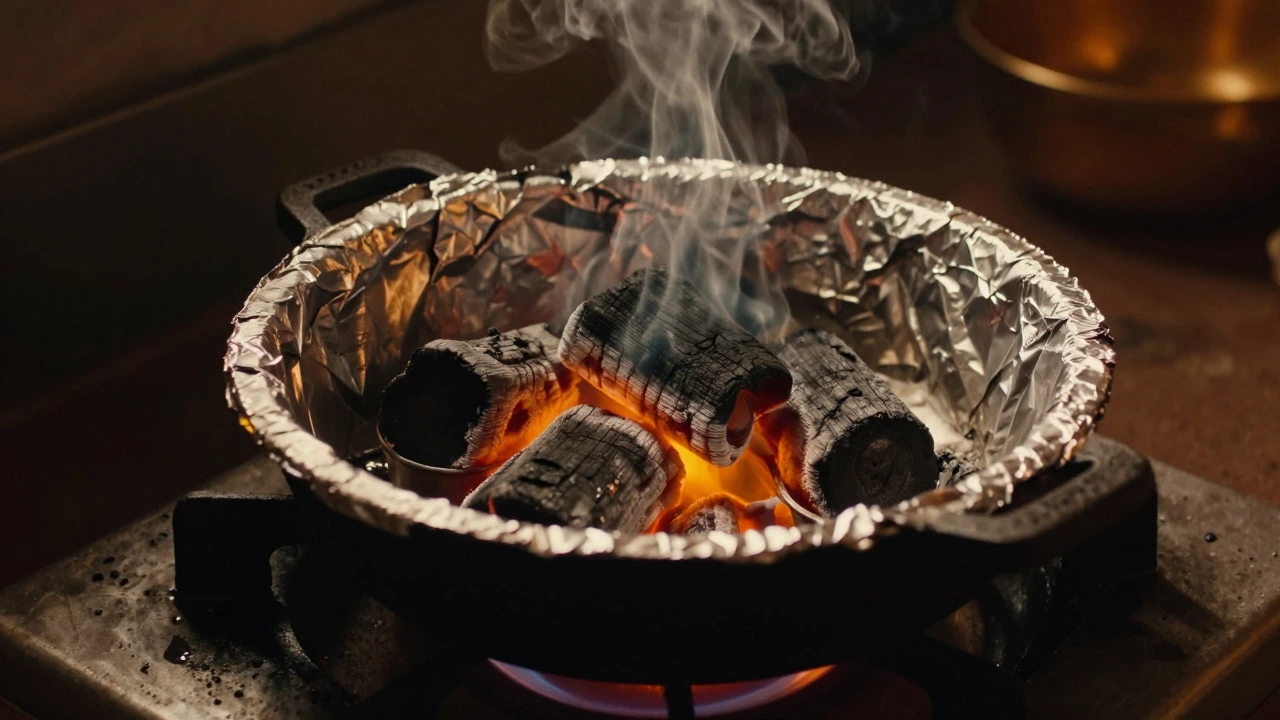
Since you are likely cooking this at home in an oven or on a standard grill, you miss the signature smoky flavor of a clay tandoor oven. To compensate, try the "dhungar" method. Heat a piece of charcoal until it glows, place it in a small heat-proof bowl inside your pan, drizzle a teaspoon of ghee or oil over the coal, and cover the pan tightly with foil or a lid for 5 minutes. The smoke infuses the chicken with that authentic restaurant-style aroma, regardless of what acid substitute you used.
Can I use water instead of lemon juice in tandoori chicken?
You can, but it is not recommended. Water adds no acidity, so the meat will not tenderize properly, and the marinade will lack the necessary tang to balance the spices. If you must dilute the marinade, use a splash of vinegar or lime juice mixed with water, not plain water alone.
Does tandoori chicken need lemon juice to be authentic?
While lemon juice is common in many home recipes, traditional tandoori preparations often rely solely on the acidity of yogurt and sometimes amchur (mango powder). Authenticity comes from the spice blend and the cooking method, not strictly from the presence of lemon.
How long should I marinate chicken if I use vinegar?
Vinegar is more aggressive than lemon juice. Marinate for 2 to 4 hours maximum. Leaving chicken in a vinegar-heavy marinade overnight can result in a mushy, unpleasant texture where the meat fibers break down too much.
What gives tandoori chicken its red color?
The red color comes primarily from Kashmiri chili powder, which is mild in heat but high in pigment. Food coloring is sometimes used in restaurants, but at home, a combination of Kashmiri chili and a touch of paprika achieves the vibrant look without overwhelming spiciness.
Can I make tandoori chicken without yogurt?
Yogurt is essential for the texture and tang of tandoori chicken. If you are dairy-free, you can use coconut yogurt or a cashew-based cream, but you must add an acid like lime juice or vinegar to replicate the tenderizing effect that dairy yogurt naturally provides.