Tandoori Marinade Builder
Adjust settings and click "Generate Recipe" to see exact measurements.
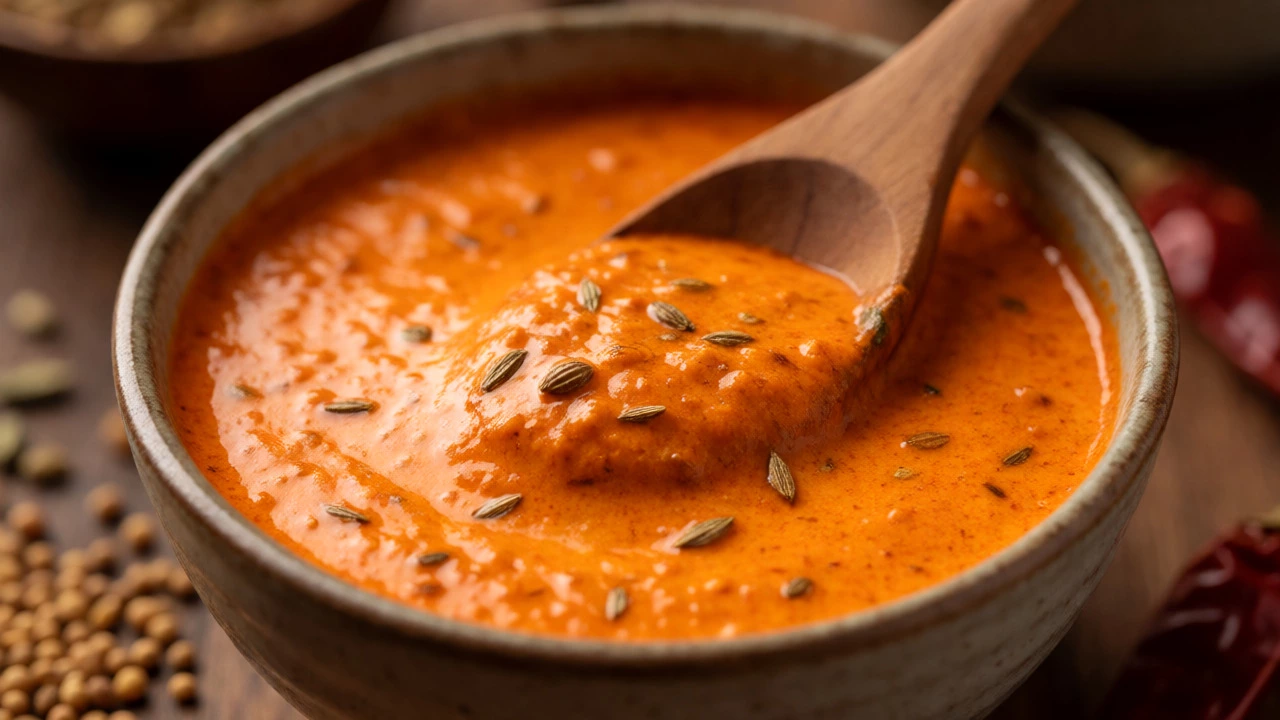
You’ve probably stared at a plate of vibrant red tandoori chicken and wondered what gives it that iconic color and tang. It’s not just food coloring, and it’s definitely not ketchup. The magic lies in the marinade, often called tandoori sauce, which is actually a thick yogurt-based paste rather than a liquid sauce you pour over cooked meat. If you’re trying to recreate that smoky, spicy flavor at home, understanding exactly what goes into this mixture is your first step to success.
Most people mistake the final glaze for the marinade. In authentic Punjabi cooking, the "sauce" is the marinade itself. It clings to the chicken during the high-heat cooking process in a tandoor oven or a regular grill. Let’s break down the actual components so you can stop guessing and start cooking with confidence.
The Base: Why Yogurt Does All The Heavy Lifting
If you remove one ingredient from the mix, the dish falls apart. That ingredient is yogurt. Specifically, you need full-fat, thick Greek-style yogurt or hung curd. Regular runny yogurt won’t stick to the chicken properly, leading to a soggy result instead of a charred, flavorful crust.
Yogurt serves three critical functions here. First, the lactic acid tenderizes the meat by breaking down protein structures, ensuring the chicken stays juicy even when grilled at high temperatures. Second, it acts as an adhesive, holding the dry spices onto the surface of the chicken. Third, it provides a mild tang that cuts through the richness of the fat. Without this base, you’d just have dry, spiced chicken breast with no cohesion.
| Base Ingredient | Texture Result | Flavor Profile | Best For |
|---|---|---|---|
| Greek Yogurt (Full Fat) | Thick, creamy coating | Tangy, rich | Authentic texture and taste |
| Regular Plain Yogurt | Runny, less adhesion | Milder tang | Quick weeknight meals |
| Cream Cheese Mix | Very rich, heavy | Less acidic | Restaurant-style richness |
| Lemon Juice Only | No coating | Bright acidity | Not recommended alone |
The Spice Blend: Beyond Just Curry Powder
Here is where many home cooks get tripped up. They reach for generic curry powder, but tandoori spice is distinct. The core flavor profile comes from a specific combination of warm, earthy, and slightly bitter notes. You aren't looking for heat; you're looking for depth.
The non-negotiable spices include ground cumin, coriander, and garam masala. Cumin provides the nutty backbone, while coriander adds a citrusy floral note. Garam masala brings the warming finish. But there are two secret weapons that define the authentic taste: kasuri methi (dried fenugreek leaves) and amchur (dry mango powder). Kasuri methi adds a maple-like sweetness that balances the savory elements, while amchur provides a fruity sourness that complements the yogurt.
Don't forget the ginger-garlic paste. This isn't optional. Freshly crushed ginger and garlic release oils that penetrate the meat deeper than dried powders can. A ratio of 1:1 ginger to garlic is standard. If you use pre-jarred paste, check the label for preservatives like sodium benzoate, which can leave a metallic aftertaste when heated.
The Color Debate: Paprika vs. Food Coloring
That striking orange-red hue is the most recognizable feature of tandoori chicken. Traditionally, this color came from Kashmiri chili powder. Unlike regular cayenne, Kashmiri chilies offer intense color with minimal heat. They give a deep, rusty red tone that looks appetizing without burning your tongue.
In modern restaurants, especially outside India, chefs often add red food coloring or turmeric mixed with paprika to achieve a brighter, more uniform orange. If you want a natural approach, skip the artificial dyes. Use smoked paprika for a subtle smokiness and color, or rely on the natural caramelization of the sugars in the yogurt and honey during grilling. Remember, if your chicken looks neon pink, it likely has too much dye and might lack complex flavor.
Aromatics and Acids: Balancing the Bowl
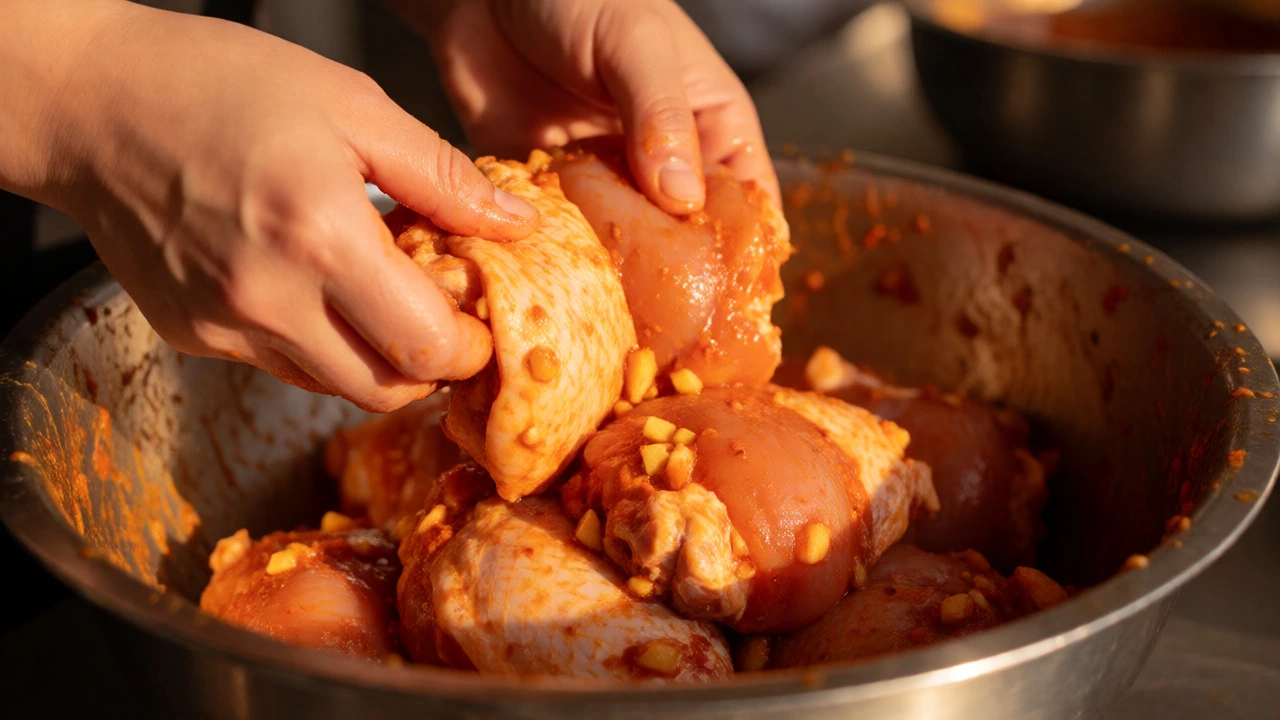
A good marinade needs balance. Too much yogurt makes it bland; too much spice makes it harsh. Enter lemon juice and mustard oil. Lemon juice brightens the heavy dairy base and helps activate the enzymes in the ginger. Mustard oil, traditional in North Indian cooking, adds a pungent kick that mellows out during cooking. If you can’t find mustard oil, olive oil works, but it changes the flavor profile significantly.
Salt is crucial, not just for taste but for chemistry. It draws moisture out of the chicken cells, allowing the marinade to penetrate further. Some recipes also call for a teaspoon of sugar or honey. This doesn't make the dish sweet; it aids in browning via the Maillard reaction, giving those delicious charred edges we all love.
How To Make The Perfect Tandoori Paste At Home
Now that you know the ingredients, let’s put them together. Don’t just dump everything in a bowl. Order matters for texture.
- Prepare the Yogurt: Whisk 1 cup of full-fat Greek yogurt until smooth. If it’s too thick, add a tablespoon of water to help it spread.
- Add Wet Aromatics: Stir in 2 tablespoons of ginger-garlic paste, 1 tablespoon of lemon juice, and 1 tablespoon of mustard oil.
- Incorporate Dry Spices: Add 1 teaspoon each of cumin, coriander, and garam masala. Add 1/2 teaspoon of turmeric and 1 teaspoon of Kashmiri chili powder (or paprika).
- Finish with Herbs: Crush 1 tablespoon of dried fenugreek leaves between your palms and stir them in. Add salt to taste.
- Rest the Paste: Let the mixture sit for 10 minutes before adding chicken. This allows the dried herbs to rehydrate and flavors to meld.
This paste should coat the back of a spoon thickly. If it runs off, add more yogurt. If it’s too stiff, add a splash of lemon juice. Consistency is key for even cooking.
Common Mistakes That Ruin The Sauce
Even with the right ingredients, small errors can lead to disappointing results. One major issue is marinating time. While yogurt tenderizes quickly, leaving chicken in the marinade for more than 24 hours can turn the texture mushy. Aim for 4 to 12 hours in the fridge. Overnight is perfect.
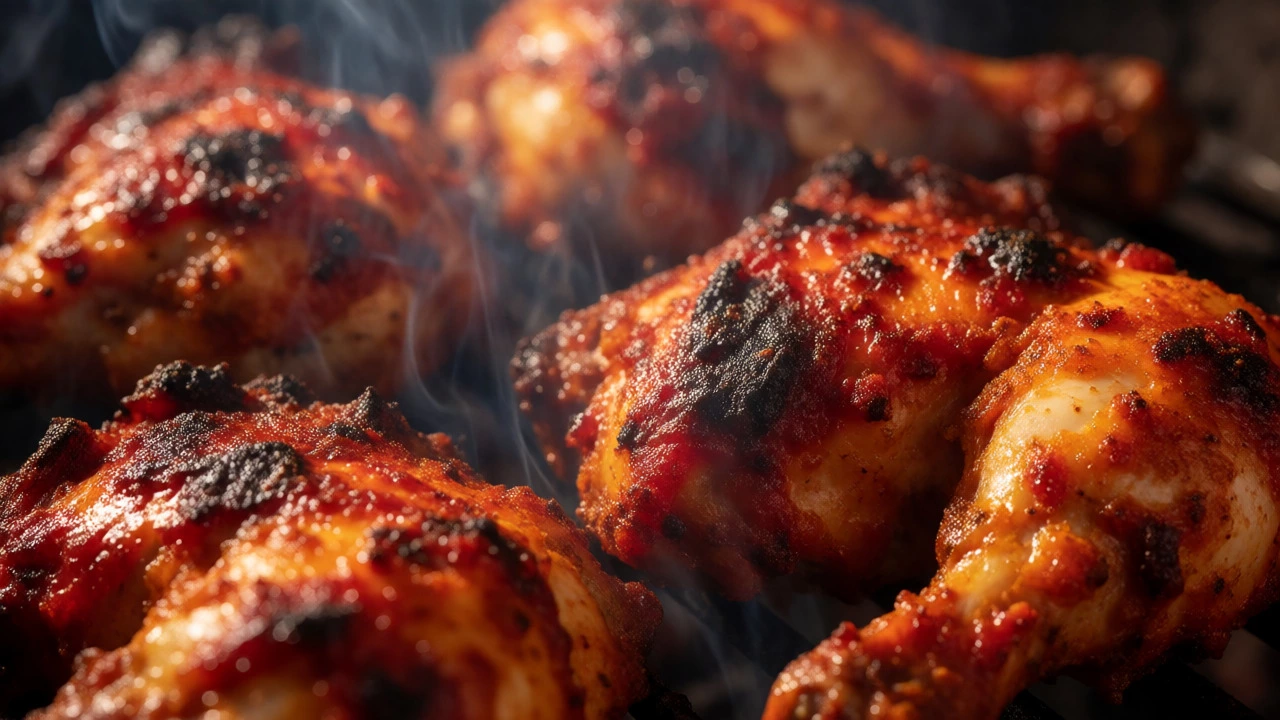
Another pitfall is overcrowding the pan. If you pile the chicken pieces together, they steam instead of roast. You’ll end up with pale, soft chicken instead of charred, crispy bits. Leave space between pieces. Also, don’t wipe off the marinade before cooking. That crust is where the flavor lives.
Finally, watch your heat. Tandoori chicken thrives on high heat. If you cook it low and slow, the yogurt burns before the inside cooks through. Preheat your oven to its highest setting (usually 500°F/260°C) or get your grill screaming hot.
Variations: Green Tandoori and Other Twists
While the classic red version uses Kashmiri chilies, you might see green tandoori chicken on menus. This variation swaps the red chili for fresh cilantro, mint, and green chilies. The base remains yogurt, but the color comes from chlorophyll rather than carotenoids. It tastes fresher and herbaceous, appealing to those who prefer milder heat.
Some regional variations add cashew paste for extra creaminess or use coconut milk instead of yogurt for a South Indian twist. However, these deviate from the traditional Punjabi style. Stick to the yogurt base for the authentic experience, then experiment with greens or nuts once you’ve mastered the basics.
Is tandoori chicken sauce spicy?
It depends on the chili used. Traditional Kashmiri chili powder provides color with very little heat, making the dish mildly spiced. If you substitute it with cayenne pepper or add fresh green chilies, the heat level increases significantly. Most commercial pastes are medium-hot, but you can control the spice by adjusting the amount of chili powder in your homemade marinade.
Can I use store-bought tandoori paste?
Yes, but check the ingredients list carefully. Many commercial pastes contain thickeners, artificial colors, and excessive vinegar. To improve them, mix the store-bought paste with fresh yogurt and a squeeze of lemon juice. This restores the tangy, creamy texture that packaged products often lack due to shelf-stabilization processes.
Why does my tandoori chicken look pale?
Pale chicken usually indicates insufficient heat or lack of colorant. Ensure your oven or grill is at maximum temperature. Additionally, if you skipped turmeric or paprika, the natural yellow/orange hues will be missing. Adding a pinch of saffron soaked in milk or using Kashmiri chili powder will enhance the visual appeal.
What is the difference between tandoori marinade and tikka marinade?
They are nearly identical in ingredients. The main difference is presentation and cut. Tandoori chicken typically uses bone-in pieces (legs, thighs), while chicken tikka uses boneless cubes threaded onto skewers. The marinade composition-yogurt, spices, ginger, garlic-remains the same for both dishes.
Can I make the sauce vegan?
Absolutely. Substitute dairy yogurt with plain coconut yogurt or cashew yogurt. These plant-based alternatives provide similar thickness and tang. Note that coconut yogurt may impart a slight coconut flavor, which pairs well with the spices. Avoid almond yogurt as it tends to be too thin and lacks the necessary fat content for proper adhesion.