Indian Weight Loss Calorie & Plan Checker
Enter your details below to estimate your daily calorie needs and get personalized advice based on the "2-Week Indian Food Guide" principles.
Enter your details to see results.
Select a common Indian dish to see if it fits the "Hidden Calories" warning or is a safe choice.
Two weeks is a tight window for serious weight loss, but it’s long enough to see real changes if you know exactly what to do. You aren’t trying to transform your body forever in fourteen days; you’re aiming to drop water weight, reduce bloating, and kickstart fat loss by fixing your Indian diet. The good news? Traditional Indian cuisine is actually one of the best tools for this because it relies heavily on spices, legumes, and vegetables rather than heavy creams or processed sugars.
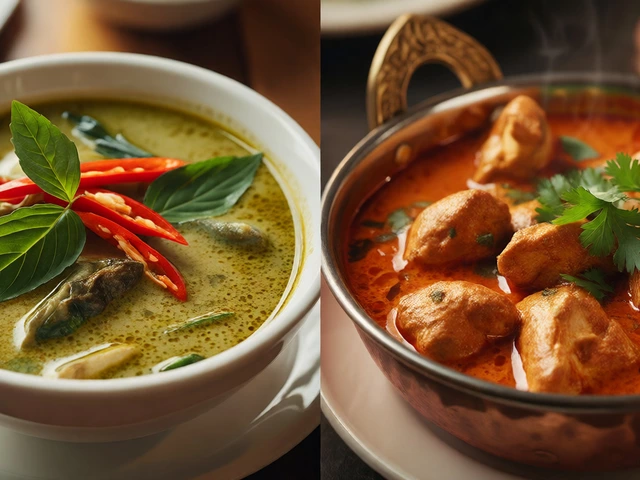
But here is the catch: most people fail because they eat "healthy" Indian food that is secretly calorie-dense. A plate of paneer butter masala can have more calories than a burger. To lose weight fast, you need to shift from "tasting good" to "fueling right." This guide breaks down exactly how to use your kitchen to shed pounds quickly without starving yourself.
The Reality of Two-Week Results
Let’s set realistic expectations. If you cut 500-750 calories a day and exercise moderately, you might lose 1-3 kg (2-6 lbs) in two weeks. Some of this is water weight, especially if you cut carbs, but some is genuine fat loss. The goal isn't just the number on the scale; it's about resetting your metabolism so you don't regain everything the moment you eat a samosa again.
Why does this work? Your body adapts quickly. When you consistently eat high-protein, high-fiber meals with minimal refined sugar, insulin levels drop. Lower insulin means your body stops storing fat and starts burning stored energy. Indian spices like turmeric, cumin, and ginger also help reduce inflammation, which often causes stubborn belly bloat.
What to Eat: The Core Principles
You don’t need a fancy diet plan. You need structure. Here are the three rules for eating Indian food while losing weight:
- Protein at Every Meal: Indian diets are often carb-heavy (rice, roti). Counter this by adding dal, chickpeas, paneer, chicken, fish, or eggs to every plate. Protein keeps you full longer and preserves muscle mass.
- Fiber Over Flour: Swap white rice for brown rice, quinoa, or cauliflower rice. Replace maida (refined flour) rotis with whole wheat, jowar, or bajra. Fiber slows digestion and prevents blood sugar spikes.
- Cooking Method Matters: Steaming, grilling, sautéing, and pressure cooking are your friends. Deep frying is not. A tandoori chicken breast has half the calories of a fried pakora.
Your 2-Week Meal Plan Structure
Consistency beats perfection. You don’t need to cook five different recipes daily. Rotate these simple, effective meals. They are designed to be low-calorie but high-satiety.
| Meal Type | Option A (Vegetarian) | Option B (Non-Veg) | Key Benefit |
|---|---|---|---|
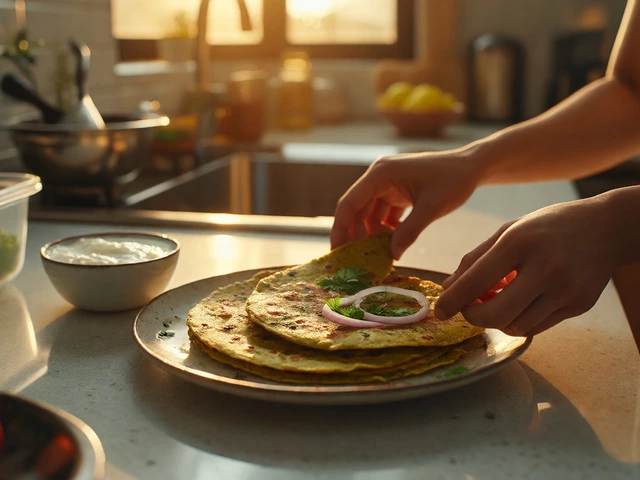
| Breakfast | Moong Dal Chilla (2 pcs) + Mint Chutney | Egg Bhurji (2 eggs) + 1 Multigrain Toast | High protein start, stabilizes morning hunger. |
| Lunch | Brown Rice (1/2 cup) + Rajma Curry (1 bowl) + Salad | Grilled Chicken Tikka + Jeera Rice (small portion) | Complex carbs provide sustained energy without crashes. |
| Snack | Roasted Makhana (Fox Nuts) or Green Tea | Boiled Chickpeas Chaat with Lemon & Cucumber | Crunchy satisfaction without oil or sugar. |
| Dinner | Palak Paneer (light cream) + 1 Jowar Roti | Tandoori Fish + Sautéed Vegetables | Light, easy-to-digest meal before sleep. |
Best Healthy Indian Snacks for Cravings
Cravings will hit around 4 PM. If you ignore them, you’ll binge at dinner. Instead, snack smart. These options are culturally relevant, easy to make, and under 150 calories per serving.
Makhana is a roasted seed from the lotus plant, widely used in Indian cuisine as a low-calorie, high-fiber snack. It is rich in magnesium and antioxidants, making it perfect for curbing sweet cravings when dusted with chaat masala.
Other top contenders include:
- Steamed Idlis: Fermented rice and lentil cakes. They are gut-friendly and light. Stick to 2-3 idlis with sambar, not coconut chutney (which is calorie-dense).
- Sprouts Salad: Moong sprouts mixed with onion, tomato, lemon juice, and black salt. High volume, low calorie.
- Cucumber Raita: Low-fat yogurt mixed with grated cucumber and roasted cumin powder. Hydrating and cooling.
Hidden Calories in Indian Cooking
You might be doing everything right but still not losing weight. Check these hidden traps:
- Ghee and Oil: One tablespoon of ghee has ~120 calories. Measure your oil with a spoon, don’t pour. Use non-stick pans to reduce oil needs.
- Chutneys: Coconut chutney is delicious but fatty. Opt for mint-coriander or tamarind chutneys instead.
- Portion Sizes: We often serve huge plates of rice. Use a smaller plate. Half your plate should be salad or sabzi, one-quarter protein, and one-quarter carbs.
- Sugar in Drinks: Sweet lassi or chai with two spoons of sugar adds up. Switch to unsweetened green tea, black coffee, or plain buttermilk (chaas).

Hydration and Spice Boosters
Water is critical. Dehydration often masks itself as hunger. Aim for 3 liters daily. Add lemon or mint for flavor without calories.
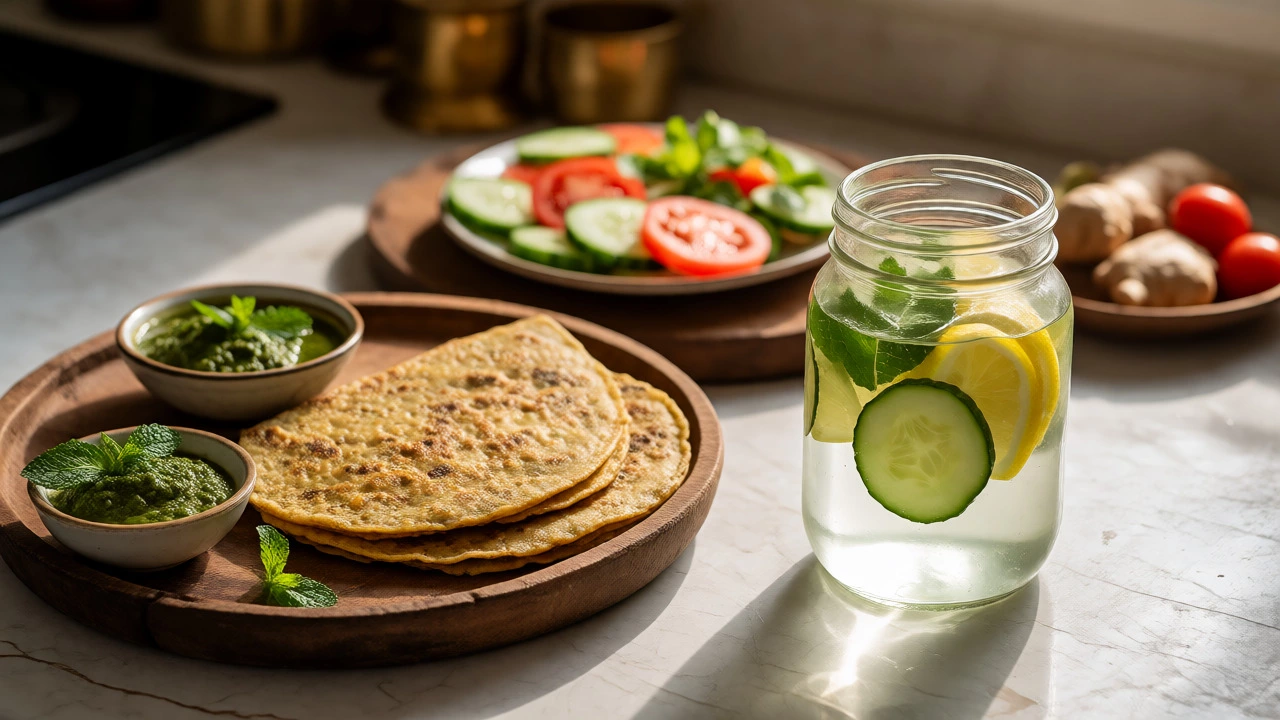
Use spices to boost metabolism. Ginger aids digestion. Turmeric reduces inflammation. Black pepper helps absorb nutrients. Make a "detox water" by soaking cucumber slices, lemon wedges, and mint leaves overnight. Drink this throughout the day to stay hydrated and curb appetite.
Common Mistakes to Avoid
Don’t skip meals. In Indian households, skipping breakfast or lunch often leads to overeating at dinner. Keep your metabolic rate up by eating every 3-4 hours.
Avoid "diet" packaged foods. Many store-bought health mixes contain preservatives and hidden sugars. Cook fresh whenever possible. Fresh ingredients have higher nutrient density and lower sodium, which helps reduce water retention.
Finally, don’t rely solely on cardio. Strength training twice a week helps maintain muscle while you lose fat. Muscle burns more calories at rest. Simple bodyweight exercises like squats, lunges, and push-ups work well.
Can I eat rice while trying to lose weight?
Yes, but control the portion. White rice has a high glycemic index, which can spike blood sugar. Limit it to half a cup per meal and pair it with plenty of fiber-rich vegetables and protein. Brown rice or red rice are better alternatives due to their higher fiber content.
Is milk tea okay during this diet?
Traditional Indian chai with full-fat milk and sugar is high in calories. If you must drink it, limit it to one small cup a day. Better options include green tea, black coffee, or herbal infusions. If you prefer milky tea, use skimmed milk and no sugar or a natural sweetener like stevia.
What are the best low-calorie Indian snacks?
Roasted makhana (fox nuts), steamed momos, boiled corn, sprouts chaat, and cucumber sticks with hummus or yogurt dip are excellent choices. They are high in volume and fiber, keeping you full without consuming excessive calories.
How much water should I drink daily?
Aim for at least 3 liters of water daily. Drinking a glass of warm water with lemon first thing in the morning can aid digestion. Staying hydrated helps distinguish true hunger from thirst and supports metabolic processes.
Can I eat fruit while losing weight?
Yes, but choose low-glycemic fruits like apples, pears, berries, guava, and papaya. Avoid high-sugar fruits like mangoes, grapes, and bananas in large quantities. Always eat whole fruits rather than drinking fruit juices to get the fiber benefits.