Traditional Cooking in India
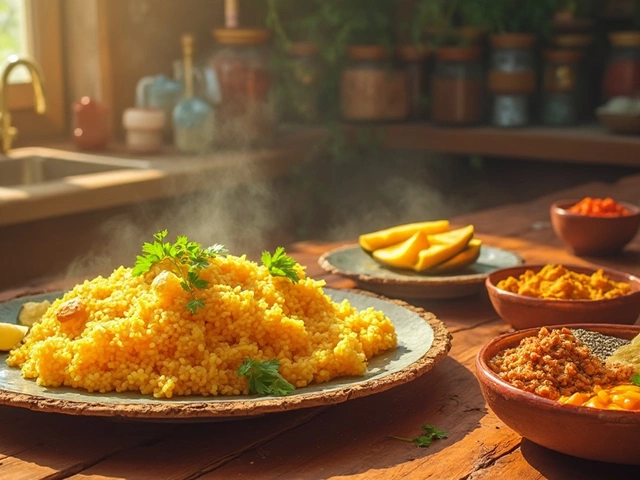
When you think of traditional cooking, the slow, intentional way food is made using time-honored techniques passed down through generations. Also known as old-school Indian cooking, it’s not about fancy gadgets or exotic imports—it’s about dal, a simple, spiced lentil stew that’s eaten daily across India, paneer, fresh cheese made by curdling milk with lemon or vinegar, and Indian sweets, desserts made with jaggery, khoya, and milk boiled down for hours. These aren’t just dishes—they’re rituals. No pressure cookers, no shortcuts. Just heat, patience, and hands that know exactly when to stir, when to stop, and when to let the spice bloom.
Traditional cooking in India doesn’t follow recipes from a book—it follows memory. Your grandmother didn’t measure spices; she smelled them. She didn’t check the oven temperature; she watched the oil shimmer. That’s how you know it’s ready. This style of cooking is tied to seasons, festivals, and even the time of day. You don’t make paneer in summer the same way you do in winter. You don’t sweeten a dessert with sugar if jaggery is sitting in the cupboard. And you never skip soaking basmati rice before biryani—it’s not optional, it’s physics. The way dal is cooked in Punjab is different from how it’s done in Tamil Nadu, not because one is better, but because each place has its own rhythm. Even the smelly spice, asafoetida, a pungent resin used to add depth and aid digestion, isn’t just a flavor—it’s a healer. This is cooking that remembers why food matters beyond taste: it’s comfort, it’s identity, it’s survival.
What you’ll find below isn’t a list of recipes. It’s a window into how real Indian kitchens work. You’ll learn why 7-day-old paneer isn’t just stale—it’s dangerous. Why the oldest sweet in India, peda, a milk-based sweet from Mathura, hasn’t changed in 500 years. Why eating eggs isn’t a sin in Hinduism, but many still avoid them. And how a simple dosa or upma can be one of the healthiest breakfasts on the planet. These aren’t random posts. They’re pieces of a larger story—about how tradition survives in modern kitchens, how safety meets flavor, and how the simplest ingredients, when treated with care, become unforgettable. You’re not just reading about food. You’re learning how to cook like someone who’s been doing it since they were old enough to hold a spoon.
Exploring the Drawbacks of Tandoori Cooking and Its Impact on Tandoori Chicken
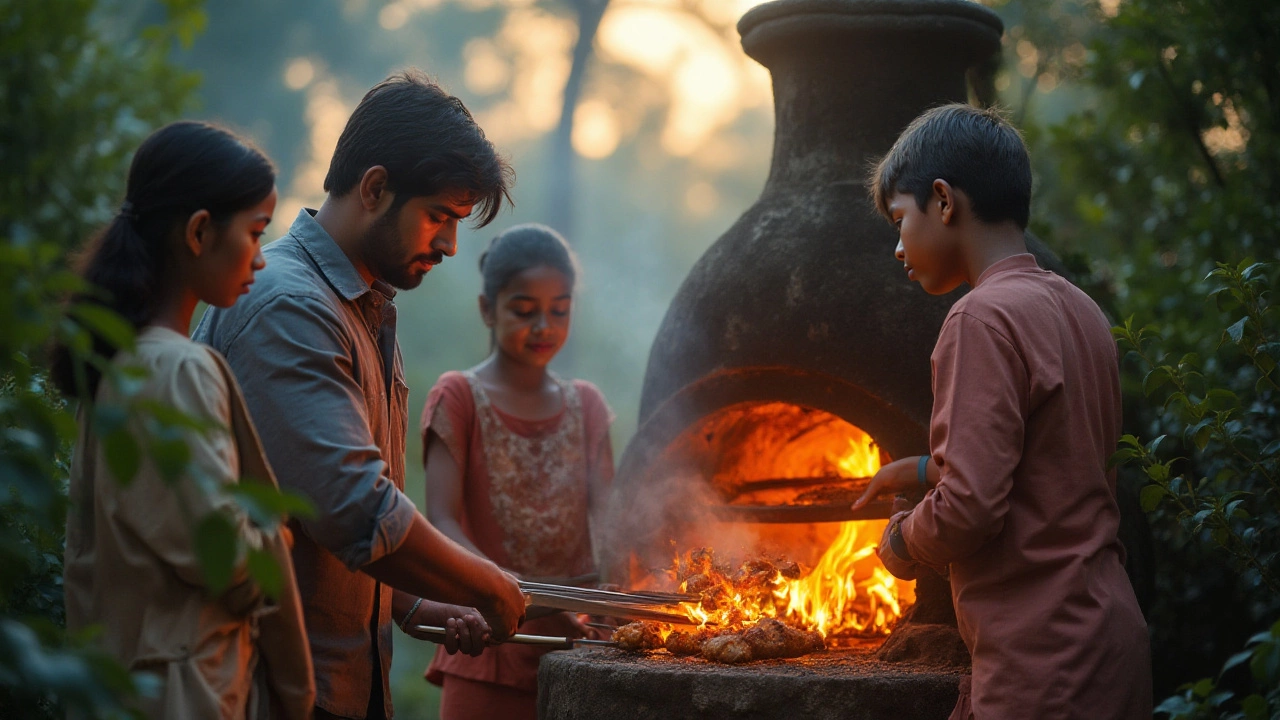
Tandoori cooking, celebrated for its smoky flavors and vibrant spices, is not without its challenges. This article delves into the disadvantages associated with this traditional method, including health concerns and environmental impacts. It also addresses the practical difficulties of implementing tandoori techniques at home. Readers will gain insights into balancing tradition with modern dietary needs and the importance of sustainable cooking practices.
Read More