Street Food Safety Checker
Assess street food safety using the 5 key factors from our guide. Select 'Yes' if the vendor meets this safety criterion.
Freshness Check
Is the food cooked fresh and served hot? Oil should be smoking hot. Avoid items sitting under heat lamps.
Utensil Safety
Does the vendor use clean utensils (tongs, gloves, cloth wraps) rather than bare hands?
Water Source
Is water for drinks and washing from bottled sources? Tap water for washing is risky.
Local Crowd
Does the stall have a crowd of locals (not tourists) eating there daily?
Stall Cleanliness
Is the stall clean with no standing water, flies, or accumulated trash?
Safety Assessment
Every year, millions of travelers head to India drawn by the smell of sizzling spices, the sizzle of hot oil, and the vibrant chaos of street food stalls. But right after that first bite of a crispy pani puri or a warm chhole bhature, a question pops up: is this safe? The answer isn’t yes or no-it’s more like, how you eat it.
Most street food in India is safe if you know what to look for
Let’s clear up a myth first: street food in India isn’t inherently dangerous. In fact, millions of Indians eat it daily without issue. The real risk isn’t the food itself-it’s the conditions around it. Dirty water, poor hand hygiene, and food left sitting out too long are the real culprits. But these aren’t universal. Many vendors follow habits passed down for generations: boiling water for drinks, frying food fresh to order, using clean cloths to cover hot items.
A 2023 study by India’s Food Safety and Standards Authority (FSSAI) found that over 70% of licensed street food vendors in major cities like Delhi, Mumbai, and Bangalore met basic hygiene standards. That’s not perfect, but it’s far better than most travelers assume. The key? Choosing wisely.
What to look for at a street food stall
Don’t just walk up to the first stall with the longest line. Look closer. Here’s what actually matters:
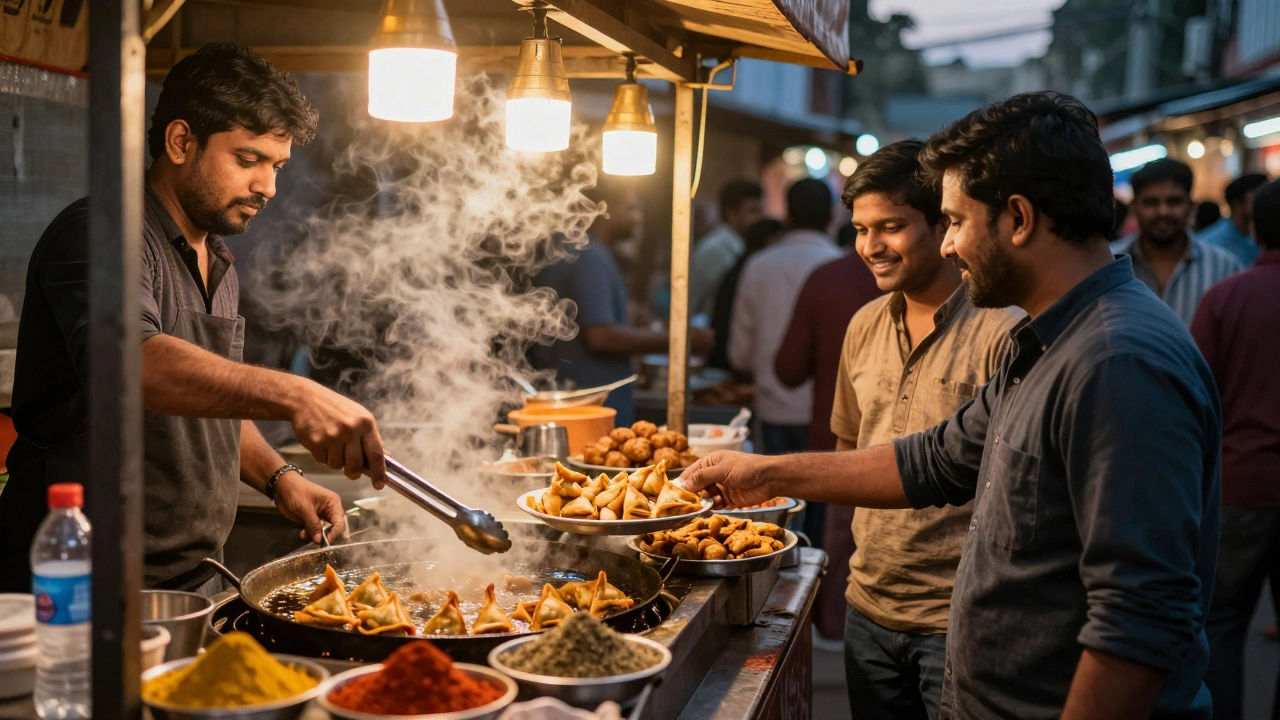
- Is the food cooked fresh and served hot? Oil should be smoking hot when food hits it. If fries or samosas are sitting under a heat lamp, walk away. Heat kills bacteria.
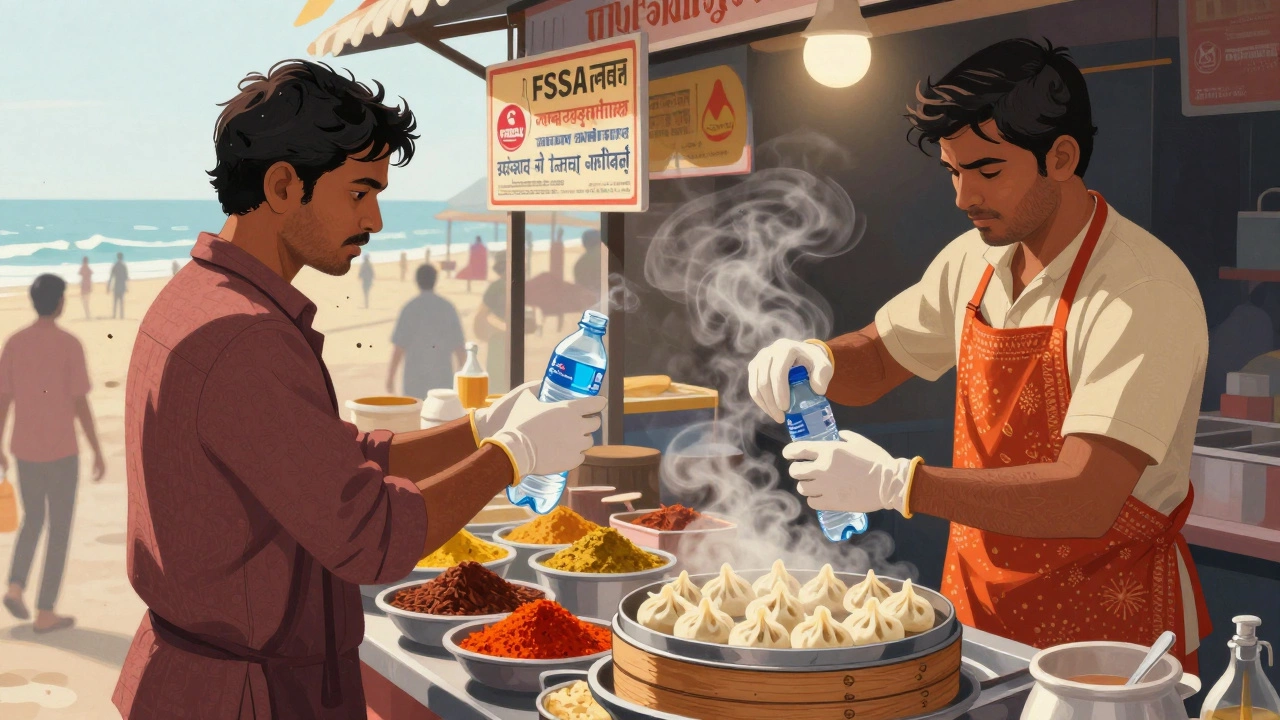
- Is the vendor using clean utensils? Look for tongs, gloves, or even clean cloth wraps. If they’re using the same spoon for raw onions and finished chaat, that’s a red flag.
- Is the water source visible? Bottled water should be opened in front of you. If they’re washing fruits with tap water or using it for drinks, avoid it. Even locals won’t drink tap water unless it’s boiled.
- Is there a crowd of locals? Not tourists-locals. If you see auto drivers, shop workers, or students lining up, that’s a strong signal. They eat here every day.
- Is the stall clean and organized? No standing water, no flies swarming, no trash piled up nearby. A tidy space doesn’t guarantee safety, but a messy one almost always means trouble.
Which street foods are safest to try
Not all street foods carry the same risk. Some are naturally low-risk because of how they’re made:
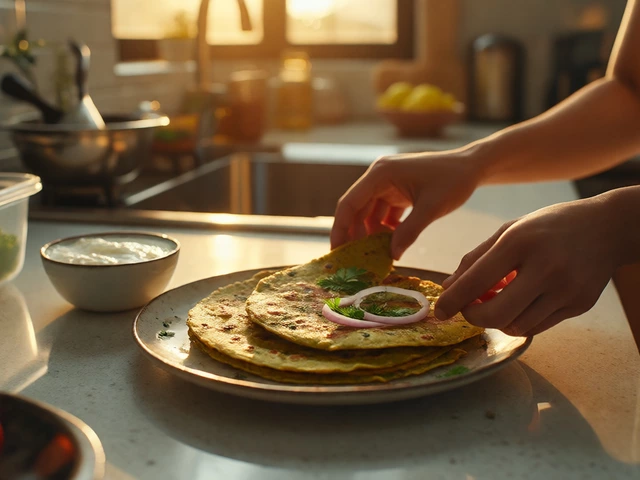
- Hot, fried snacks: Samosas, pakoras, vada pav, and bhajjis are deep-fried at high temperatures. The oil kills most pathogens. Just make sure they’re fried fresh, not reheated.
- Boiled or steamed items: Aloo tikki, steamed momos, and boiled corn are safe if cooked properly. Look for steam rising when they’re served.
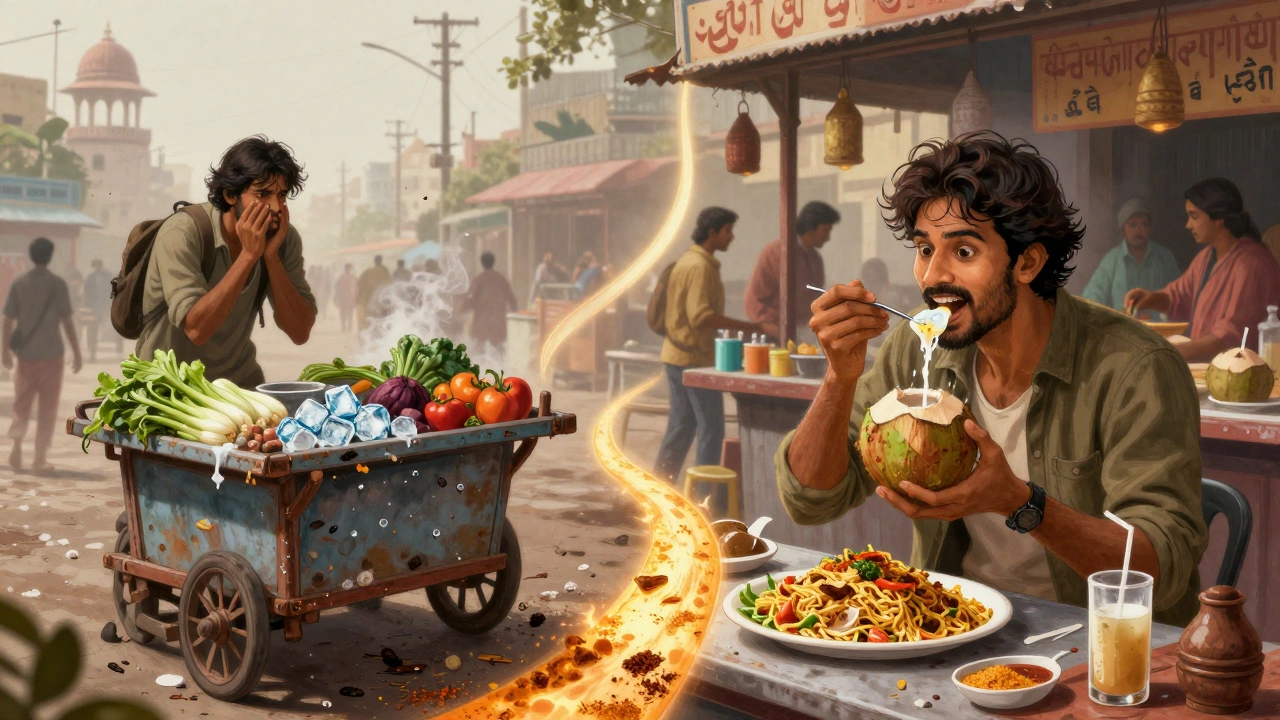
- Coconut water: Fresh coconut water served straight from the shell is one of the safest drinks. No water involved at all.
- Buttermilk (chaas): Fermented dairy is naturally acidic, which inhibits harmful bacteria. Look for it served chilled.
Avoid these unless you’re certain of the source:
- Raw fruits and vegetables: Even if they look clean, they may have been washed in contaminated water. Stick to peeled fruits like bananas or oranges.
- Ice in drinks: Unless you see it made from bottled water, skip it. Ice cubes are a silent risk.
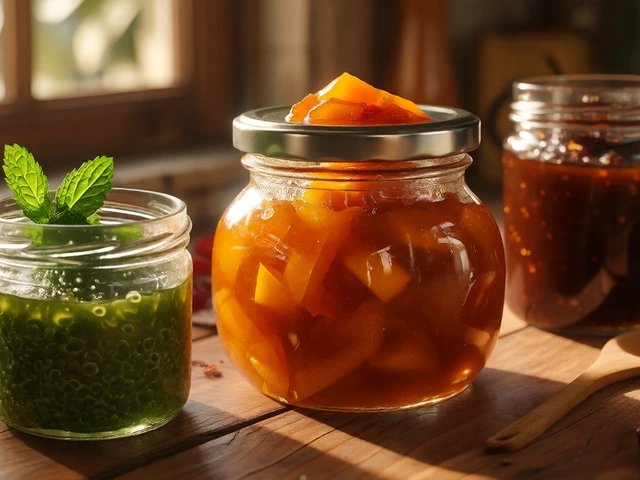
- Raw chutneys: Mint or tamarind chutney can sit out for hours. Ask if it’s freshly made. If they hesitate, skip it.
- Milk-based sweets: Rabri, kheer, or gulab jamun made with unrefrigerated milk can spoil quickly. Stick to packaged brands if you’re unsure.
How to protect yourself without avoiding street food
You don’t need to give up street food to stay safe. Here’s what works:
- Carry hand sanitizer. Use it before eating, even if you’re using utensils. Many vendors don’t wash hands between handling money and food.
- Stick to bottled water. Always check the seal. Avoid ice, even in cocktails or sodas.
- Start slow. If you’ve never eaten street food before, begin with one item. Don’t try five new things in one day.
- Listen to your body. If something tastes off-sour, strange, too sweet-it probably is. Trust your gut.
- Bring oral rehydration salts. In case of mild stomach upset, these are lighter and more effective than pills.
Many travelers think they need to avoid street food entirely. That’s not true. You just need to be smart about it. I’ve seen tourists who avoided street food for weeks and still got sick from hotel buffet food. Meanwhile, locals and seasoned travelers eat street food daily without issue.
What happens if you get sick?
Stomach upset from street food is common, but rarely serious. Most cases last 24-48 hours. Here’s what to do:
- Don’t panic. It’s not food poisoning unless you’re vomiting blood or have a high fever.
- Stay hydrated. Drink bottled water, coconut water, or oral rehydration solutions. Avoid coffee and alcohol.
- Stick to bland foods. Toast, rice, bananas, and boiled potatoes help settle your stomach.
- Use loperamide sparingly. It stops diarrhea but can trap toxins. Only use it if you need to travel or can’t access a bathroom.
- See a doctor if: Fever lasts more than 24 hours, you’re dehydrated (dry mouth, no urine for 8 hours), or you see blood in stool.
Most cases clear up on their own. The biggest mistake? Taking antibiotics without a prescription. They often make things worse.
Why locals aren’t worried
Indians don’t avoid street food-they’ve built immunity over time. Their gut bacteria are adapted to the local microbes. That’s why a traveler might get sick from the same dish that a local eats without blinking.
This doesn’t mean you should try to build immunity by eating everything. But it does mean you shouldn’t fear street food. Think of it like hiking: you don’t avoid trails because there’s a risk of falling. You wear good shoes, stay on marked paths, and know what to do if you slip.
Street food in India is part of the culture. It’s not a risk to avoid-it’s an experience to enjoy, wisely.
Best places to try street food safely
Some cities and markets have better reputations for hygiene:
- Delhi’s Chandni Chowk: Look for stalls with FSSAI licenses displayed. Try the jalebi from a vendor who makes it fresh in front of you.
- Mumbai’s Juhu Beach: The area has a dedicated food court with regulated stalls. Many use bottled water and gloves. Hyderabad’s Charminar: Famous for haleem and biryani. Vendors here often serve hot food in disposable plates.
- Jaipur’s Johari Bazaar: Many stalls serve only vegetarian food, reducing risk. Look for those with a steady flow of local customers.
These places aren’t perfect, but they’re better than random alleyway carts. Stick to busy, well-known spots.
Final advice: Eat, but don’t gamble
Street food in India is one of the most delicious parts of the trip. You don’t need to skip it. But don’t treat it like a game of chance. Be observant. Be cautious. Be smart.
Follow the rules above, and you’ll eat like a local-without the stomachache. The food is safe. You just need to know how to choose it.