Indian Breakfast Comparison Tool
Compare Your Perfect Morning Meal
Select 1-3 breakfast options to see how they compare across key attributes. Based on regional traditions from across India.
Choose Your Breakfast Options
Breakfast Comparison
| Idli & Sambar | Poha | Aloo Paratha | Upma | Mishti Doi | |
|---|---|---|---|---|---|
| Region | South India | Maharashtra | North India | South India | West Bengal |
| Prep Time | 15 min | 10 min | 20 min | 10 min | 15 min |
| Key Ingredients | Rice, lentils, coconut chutney | Flattened rice, peanuts, mustard seeds | Wheat, potatoes, yogurt | Semolina, veggies, curry leaves | Yogurt, jaggery, banana |
| Health Benefits | Fermented (improved digestion), high in protein | High fiber, low glycemic index | Medium protein, but fried | Medium protein, high fiber | Probiotic yogurt, natural sweetness |
| Cost (per serving) | Under $0.50 | Under $0.50 | $0.75-$1.00 | Under $0.50 | $0.75 |
Why These Choices Matter
Traditional Indian breakfasts are designed for function, not just taste. Most are made from whole grains, legumes, and fermented ingredients that provide slow-release energy. As noted in the article, fermented foods like idli and dosa improve nutrient absorption and digestion.
There’s no single Indian breakfast-it changes completely depending on where you are. In the south, it’s steamed rice cakes and spicy coconut chutney. In the north, it’s crispy fried bread with potato curry. Walk into any home in Mumbai, Chennai, or Delhi at 7 a.m., and you’ll see three totally different meals on the table. That’s because India doesn’t have one breakfast-it has dozens, shaped by climate, crops, and centuries of tradition.
South India: Rice, Lentils, and Steam
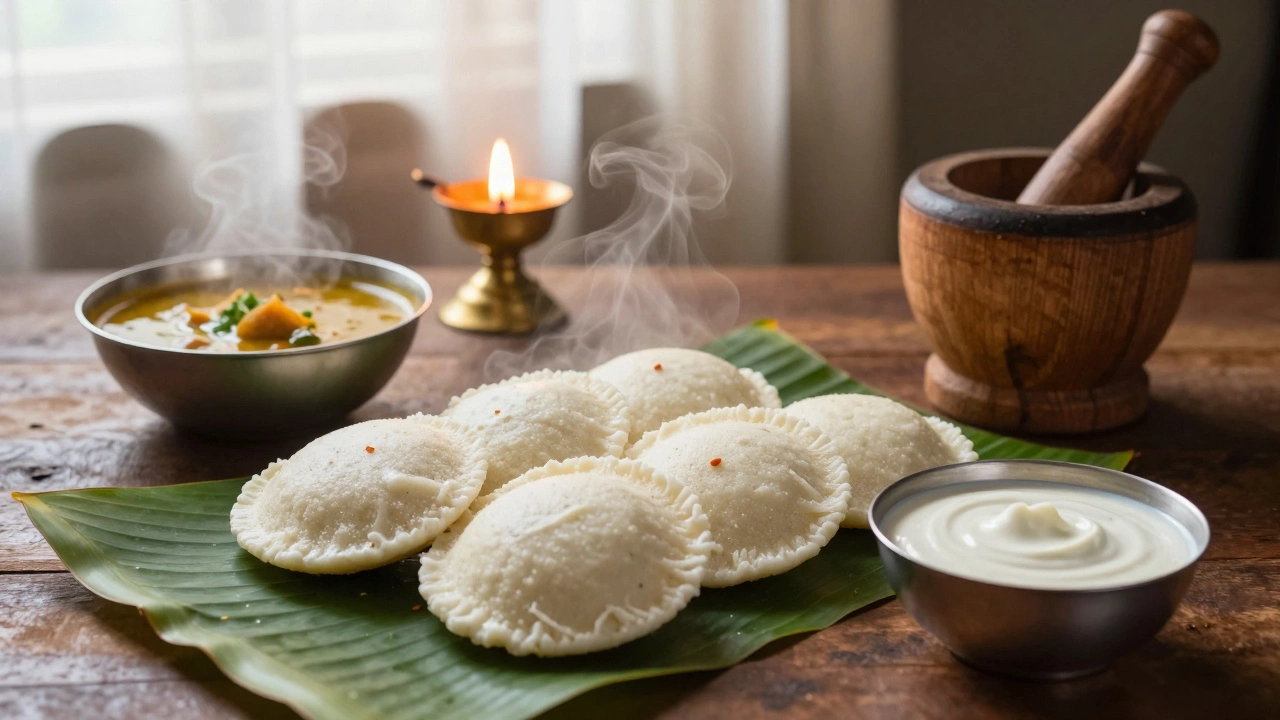
In Tamil Nadu, Karnataka, Kerala, and Andhra Pradesh, breakfast is built on rice and lentils. The most common dish is idli-soft, fluffy steamed cakes made from fermented rice and black lentil batter. They’re served with sambar, a tangy lentil stew with tamarind and vegetables, and coconut chutney that’s cool and creamy. People eat these daily, often before work. Many households make the batter the night before and steam the idlis fresh in the morning. It takes less than 15 minutes to cook once the batter’s ready.
Another favorite is dosa, a thin, crispy fermented crepe made from the same batter as idli. It’s folded around a spiced potato filling (masala dosa) or eaten plain with chutney. Street vendors sell them for under 30 rupees-about 35 cents. In Kerala, you’ll find pongal, a savory rice and lentil porridge cooked with mustard seeds, curry leaves, and ginger. It’s warm, comforting, and eaten with sambar or coconut chutney.
North India: Bread, Butter, and Heat
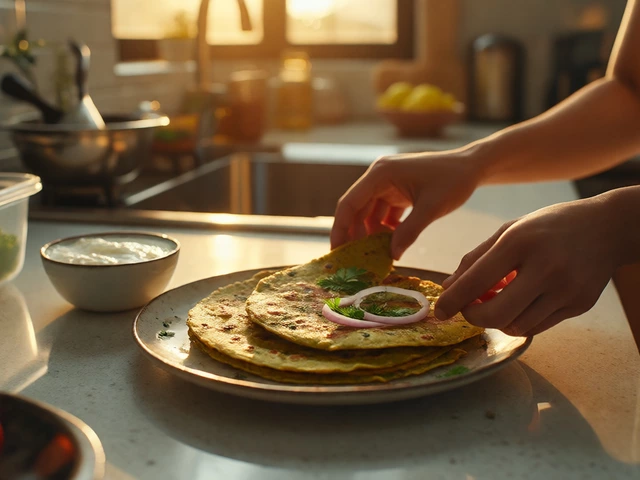
Up north, breakfast leans into wheat, dairy, and spices. In Punjab and Haryana, paratha is king. It’s a layered flatbread fried in ghee or oil, often stuffed with potatoes, cauliflower, paneer, or even minced meat. You’ll find them sold on street corners with a side of yogurt, pickles, and a cup of hot chai. Many families make parathas fresh every morning-rolling the dough, stuffing it, and frying it while the kids get ready for school.
In Delhi and Uttar Pradesh, aloo paratha (potato-stuffed paratha) is the default. It’s filling, cheap, and keeps you full until lunch. Some people pair it with a boiled egg or a bowl of lassi, a yogurt drink that’s sweet or salty depending on the region. In Rajasthan, you’ll see ker sangri-a dried bean and berry curry served with bajra roti. It’s a desert food, made to last without refrigeration.
East and West: Sweet, Savory, and Simple
In West Bengal and Odisha, breakfast often includes porota (a flaky flatbread) with a side of egg curry or fish fry. But the most iconic is mishti doi-sweetened yogurt served in earthen pots. It’s creamy, slightly caramelized, and eaten with a spoon. People in Kolkata also eat chira (flattened rice) soaked in milk, topped with jaggery and banana. It’s cool, light, and perfect for humid mornings.
In Maharashtra, poha dominates. It’s flattened rice cooked with mustard seeds, curry leaves, turmeric, peanuts, and sometimes potatoes. It’s quick, healthy, and ready in 10 minutes. Street stalls in Mumbai serve it with a squeeze of lemon and a sprinkle of sev (crunchy chickpea noodles). In Gujarat, you’ll find dhokla, a steamed fermented cake made from rice and chickpea flour. It’s light, tangy, and often eaten with green chutney.

Why These Meals Work for Daily Life
Indian breakfasts aren’t just about taste-they’re designed for function. Most are made from whole grains, legumes, and fermented ingredients that digest slowly and keep energy steady. Fermentation in idli and dosa batter boosts nutrient absorption and makes them easier to digest, even for kids and older people. The use of spices like turmeric, ginger, and mustard seeds isn’t just for flavor-it’s traditional medicine in food form.
Many of these meals require minimal equipment. A pressure cooker, a steamer, or a flat griddle is all you need. That’s why they’ve lasted for generations. Even in cities, where people rush out the door, breakfasts like poha, idli, and paratha are still made at home or bought from local vendors who open before sunrise.
Quick Breakfasts You Can Make in Under 15 Minutes
If you’re short on time, here are the fastest Indian breakfasts you can make:
- Poha - Soak flattened rice for 5 minutes, sauté with spices and peanuts for 8 minutes. Done.
- Upma - Roast semolina, add water and veggies, cook for 10 minutes. Serve hot.
- Toast with chutney - Spread peanut or tamarind chutney on whole wheat toast. Add a boiled egg.
- Yogurt with fruit and jaggery - Mix plain yogurt with sliced banana and a spoon of jaggery. No cooking needed.
- Store-bought idli or dosa - Many supermarkets sell frozen idlis. Steam them for 8 minutes. Add chutney.
These meals don’t need fancy ingredients. Most can be made with items you already have in your pantry: rice, lentils, spices, yogurt, and vegetables.

What’s Missing from Western Breakfasts
Western breakfasts often focus on sugar-cereal, pancakes, pastries. Indian breakfasts rarely include refined sugar. Even sweet options like mishti doi use jaggery, a less processed cane sugar. The protein comes from lentils, yogurt, or eggs-not processed cereals. The fiber comes from whole grains, not white flour.
Studies show that traditional Indian breakfasts help regulate blood sugar better than sugary Western options. A 2023 study in the Indian Journal of Nutrition found that people who ate idli or poha daily had more stable energy levels and fewer cravings by mid-morning than those who ate bread and jam.
Breakfast Is More Than Food
In India, breakfast isn’t just fuel-it’s ritual. Families eat together before heading out. Vendors know their regulars by name. In rural areas, women wake up before dawn to grind rice and lentils for the day’s idli batter. It’s labor-intensive, but it’s also a way of connecting to tradition.
Even in cities, where people eat on the go, breakfast remains personal. A rickshaw driver in Bangalore eats his idli with extra sambar. A nurse in Mumbai grabs a poha wrap before her shift. A student in Jaipur starts the day with a warm glass of chai and a piece of paratha.
There’s no one-size-fits-all Indian breakfast. But if you want to eat like someone in India, focus on balance: fermented grains, legumes, vegetables, and spices. Skip the sugar. Keep it simple. And if you’re in a hurry? Poha or idli will get you through the morning-just like it has for centuries.
What is the most popular breakfast in India?
There isn’t one single most popular breakfast because India is too diverse. But if you had to pick one dish that’s eaten across multiple regions, it’s idli. Found in homes and street stalls from Chennai to Delhi, it’s mild, easy to digest, and pairs with many sides. Poha and paratha are also extremely common, especially in urban areas where speed matters.
Is Indian breakfast healthy?
Yes, traditional Indian breakfasts are generally healthy. They rely on whole grains, fermented foods, legumes, and vegetables. Fermentation increases nutrient availability and aids digestion. Dishes like idli, dosa, poha, and upma are low in added sugar and high in fiber and plant-based protein. Compared to Western breakfasts with sugary cereals or pastries, Indian options offer more balanced, sustained energy.
Can I make Indian breakfasts without a pressure cooker?
Absolutely. While pressure cookers speed up cooking lentils and rice, they’re not required. You can steam idlis in a regular pot with a steamer basket. Cook upma or poha on a stovetop in a regular pan. Many traditional recipes were made without modern appliances. All you need is a stove, a pot, and a little patience.
What’s the best Indian breakfast for weight loss?
Poha and idli are your best bets. Both are low in fat, high in fiber, and made from whole ingredients. A plate of poha with vegetables has about 200-250 calories and keeps you full for hours. Avoid fried versions like masala dosa or paratha if you’re cutting calories. Stick to steamed or lightly cooked options with minimal oil.
Where can I find Indian breakfast ingredients outside India?
Most Asian grocery stores carry flattened rice (poha), idli rice, black lentils (urad dal), and tamarind paste. You can also buy these online from retailers like Amazon, iHerb, or specialty Indian food sites. Look for brands like Aashirvaad, Sri Sri, or Nirmal. Pre-made idli batter is also available frozen in many stores.